





 Portuguese
  English
  Spanish
  7 min of reading
  0 comments


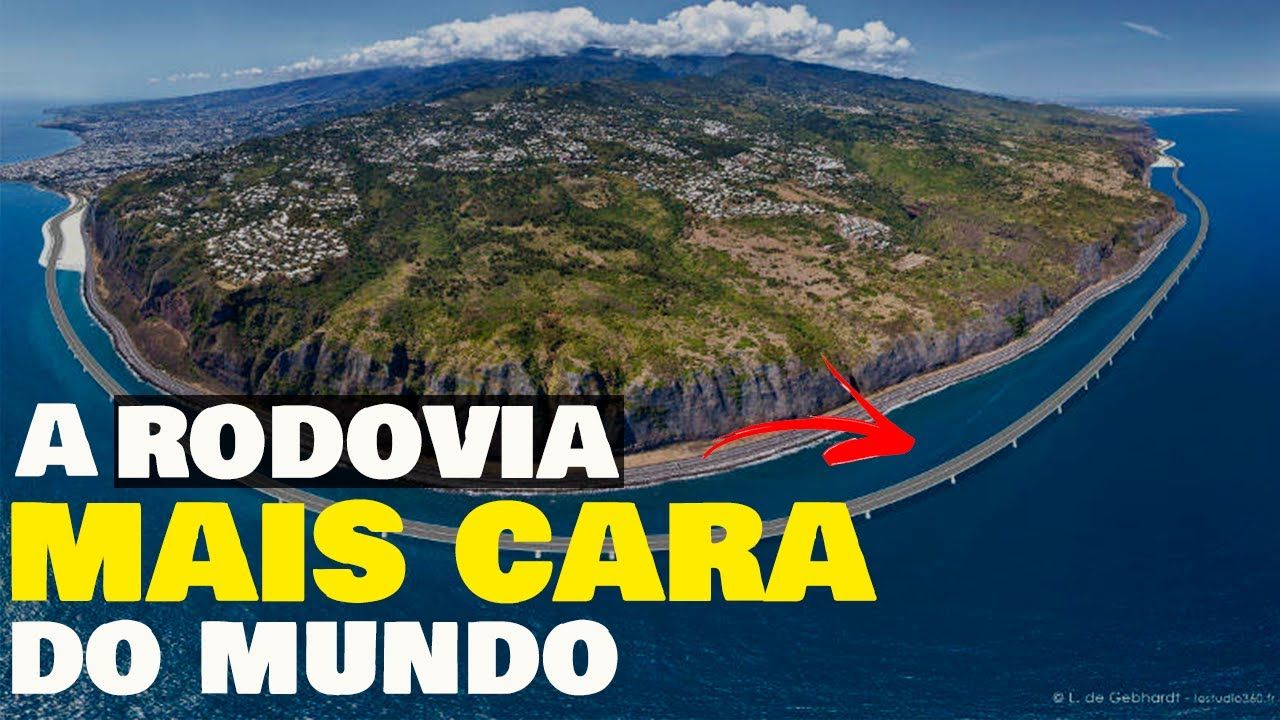
Announced in 2013 on the Island of Réunion, the 12 km Highway over the Sea Became a Billion-Dollar Project Surrounded by Delays, Environmental Disputes, and a Viaduct That Ends in Nothing
The construction of a 12 km highway on a small island in the Indian Ocean had everything to be just another infrastructure project. In practice, however, the island of Réunion, a French overseas territory with about 850,000 inhabitants, saw this project transform into the most expensive highway in the world, with an initial budget of $1.6 billion and a succession of problems that put the cost completely out of control.
Almost a decade after the announcement, the 12 km highway is still not ready, most of the budget has already been consumed, and the most emblematic section, a monumental viaduct over the sea, now connects the capital to nowhere.
Meanwhile, the old road remains exposed to rockfalls, constant flooding, and frequent closures, clearly showing how political, environmental, and technical decisions can turn a roadway solution into a global case of a problematic project.
-
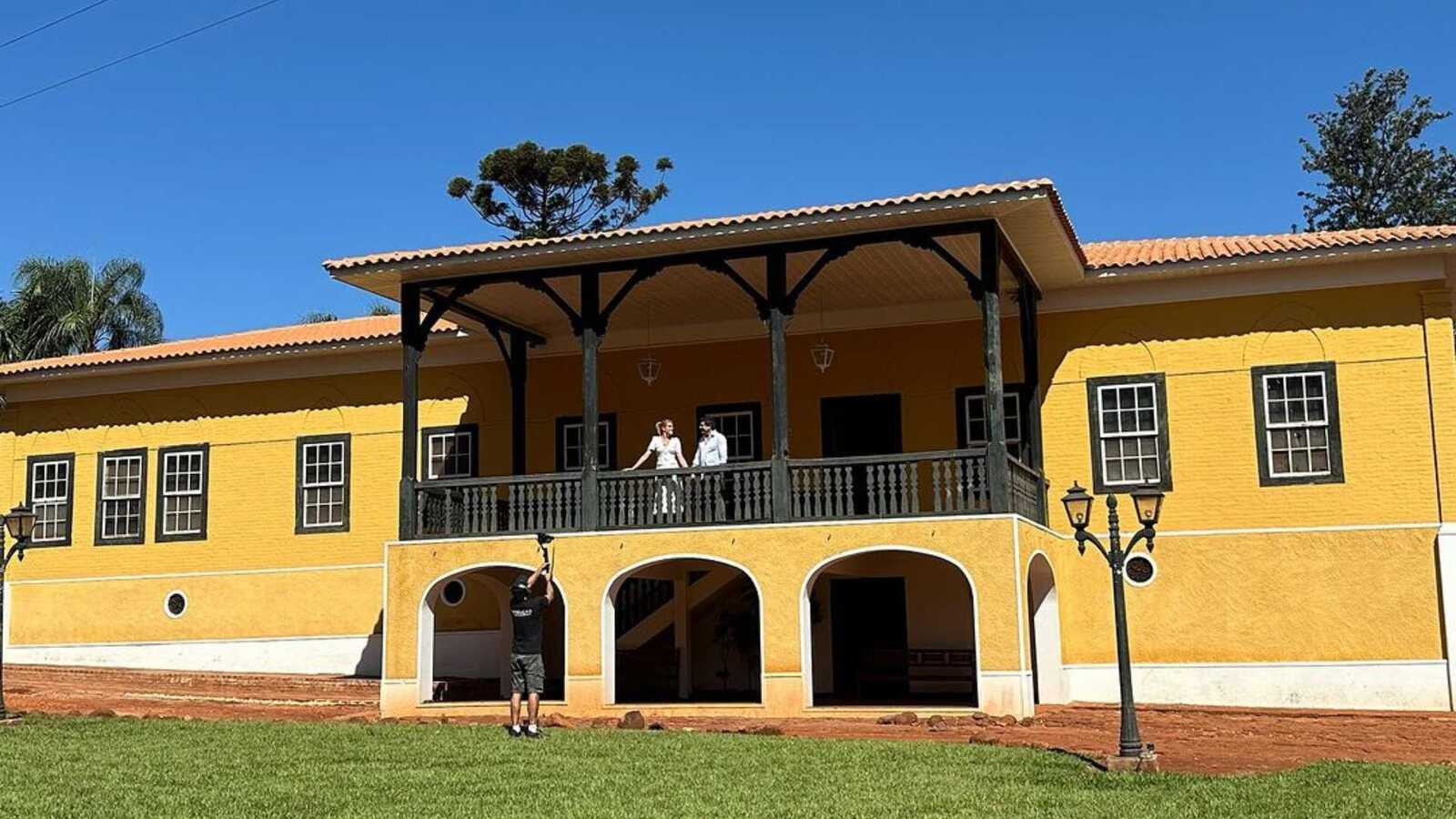
A Brazilian millionaire couple restores a farm over 150 years old in the interior of São Paulo and transforms the historic property with Portuguese tiles, antique furniture, and new spaces into a refuge that blends tradition, comfort, and sophistication.
-
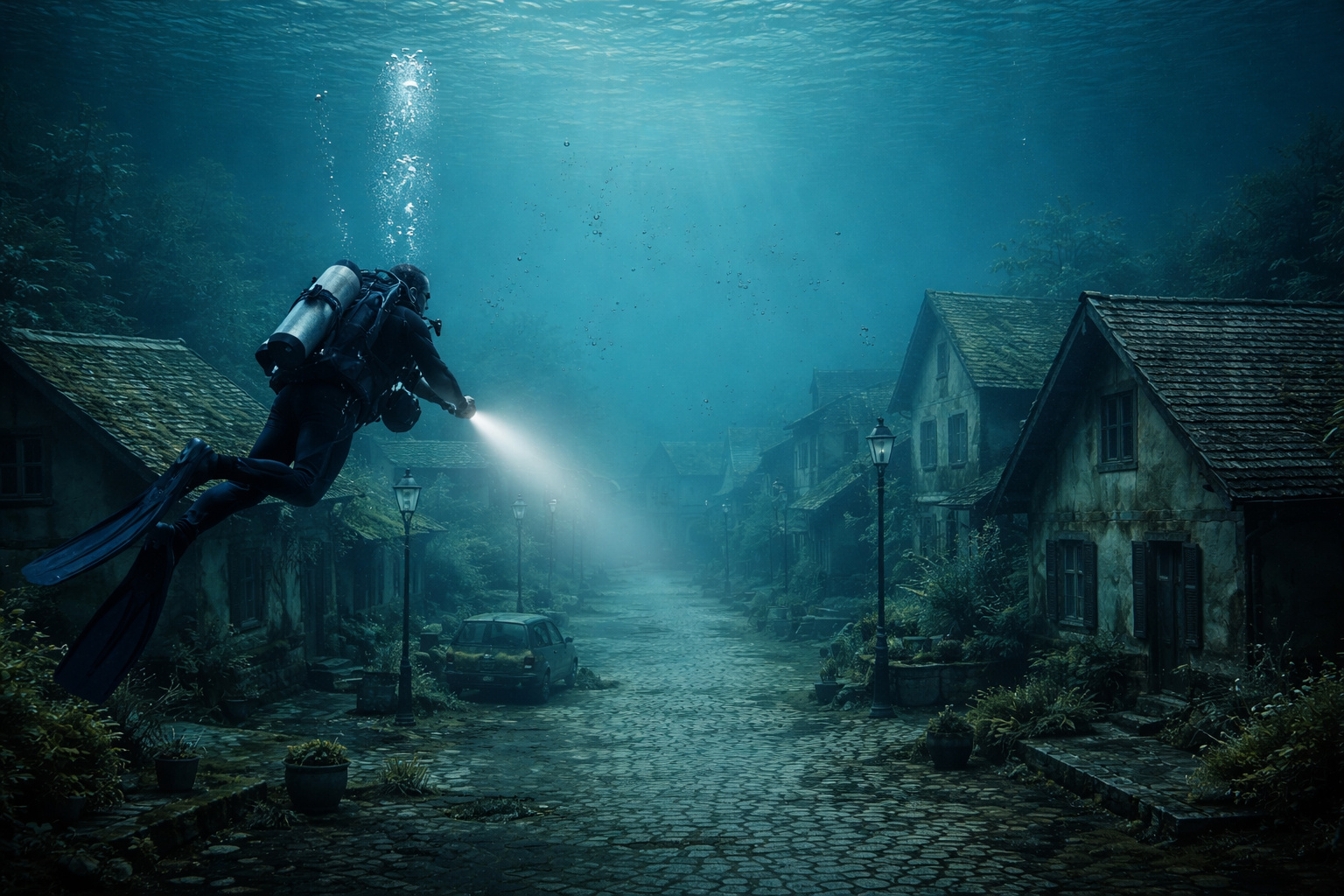
Submerged city in a lake in Minas reveals intact streets, preserved vehicles, and houses after more than 60 years, impressing divers.
-
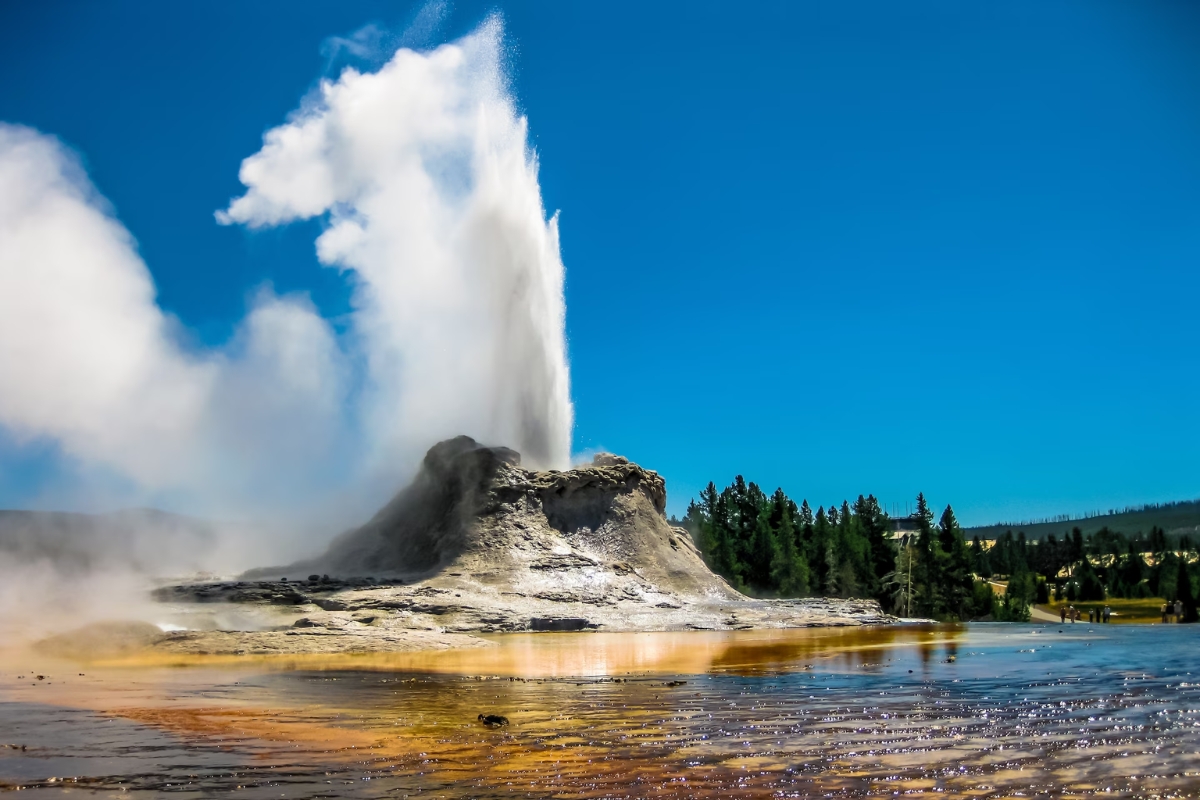
Yellowstone has started to rise again in an area of the caldera, and the movement rekindles fears surrounding the U.S. supervolcano, as scientists monitor the deformation and try to understand what is happening underground.
-
Woman arrested after receiving $1.2 million due to banking error and not returning the amount.


A Small Island, Two Volcanoes, and Giant Traffic Jams
To understand why this 12 km highway gained so much importance, one must first look at the geography of the island of Réunion.
The territory was shaped by two volcanoes, one of which was extinct about 12,000 years ago and the other considered one of the most active in the world, creating a landscape filled with mountains, valleys, and steep slopes.
In such a rugged terrain with few roads, the number of cars has grown to almost one vehicle for every two residents, creating daily traffic jams and making the connection between the main cities of the island a chronic problem.
The combination of complicated terrain, high fleet, and few access alternatives turned mobility into a bottleneck for the local economy, paving the way for the idea of a major coastal construction.
The Old Road: Cliff, Rockfalls, and the Sea Invading the Road
The connection between the island’s administrative capital and the main economic center is made by a road at the foot of a cliff, where rock blocks frequently detach and hit the roadway.
Since the 1980s, there have been 20 deaths attributed to rockfalls in this section, in addition to prolonged closures that directly affect the flow of people and goods.
To make matters worse, the highway is exposed to the sea. During storms and cyclones, waves invade the roadway and cause accidents and closures, forcing the road to close an average of twice a week during bad weather.
Considering that about 70,000 vehicles use this route daily, each interruption represents a huge impact on the island’s routine and reinforces the feeling that the 12 km highway over the sea was a promise of definitive relief.
How the 12 km Highway Became a Megaproject over the Sea
Given the risks, the construction of a dyke alongside the current road was considered, trying to block the waves. However, this would not solve the rockfalls and could still cause environmental damage in an ecosystem considered one of the richest on the planet.
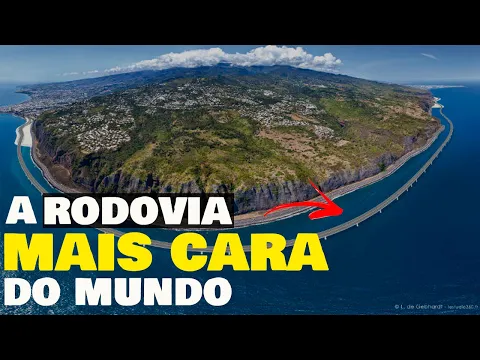
The chosen alternative was more ambitious: to build the new 12 km highway over the sea, set back between 50 and 200 meters from the cliff and high enough to be out of the reach of the waves.
The project planned about 6.5 km of fill advancing over the sea and a series of viaducts, including a stretch of approximately 5.5 km, in addition to a smaller connection between the fill sections.
On paper, the new 12 km highway would eliminate the risk of rockslides, reduce flooding, and increase the safety of the route.
The problem was the price: the cost per kilometer was estimated at $133 million, with a total budget of $1.6 billion and construction expected to start in 2014 for full inauguration in 2021. Since the announcement, the project has been marked as the most expensive highway in the world.
Winds of 140 km/h, Waves of 10 Meters, and an Extreme Construction Site
Executing a 12 km highway over the sea in such a challenging region would not be simple. Winds in the area can reach 140 km per hour and waves can reach about 10 meters high, necessitating special solutions for the manufacturing and assembly of the structures.
Production centers for precast concrete elements were installed in remote points from the final construction site, with the transport of the gigantic blocks done by large cranes, hoists, and barges.
Despite the technical difficulties, the viaduct section progressed according to the initial schedule, and the pillars, some reaching up to 38 meters high, were erected at depths of up to 15 meters. From an engineering perspective, the viaduct became a showcase of megaconstruction in an extreme environment.
Lack of Stones, Environmental Decisions, and the Viaduct That Leads to Nowhere

As the viaduct advanced, problems exploded in the fill sections. The original plan called for the opening of a quarry on the island itself to provide the rocks used in construction.
However, French courts blocked the quarry due to the risk of landslides and destruction of the habitat of protected species, halting the fill stages.
In an improvised attempt, the government even asked local farmers to remove stones from their properties to send to the construction site, which did not work in practice.
Without an internal solution, the alternative became to study the importation of stones from neighboring islands like Madagascar and Mauritius, and as a last resort, even from the Middle East.
Meanwhile, costs were rising. The consortium responsible for the works has already requested an addendum of about $300 million to the initial price.
The result is that, seven years after the start of construction, the viaduct of approximately 5.4 km was discreetly inaugurated, having consumed around $1 billion, but today it connects the city of Saint-Denis to nowhere.
Without the fills completed, the viaduct remains practically useless, and the government is only considering a temporary connection to the old road to take advantage of part of the investment.
When the 12 km Highway Becomes More Expensive Than Brazilian Mega Highways
As problems accumulate, the 12 km highway becomes an example of how the costs can spiral out of control.
The latest forecast is that the project will only be fully inaugurated around 2028, with a total estimated cost of $2 billion, which would raise the price per kilometer to over $160 million.
For comparison, the Imigrantes Highway in São Paulo, with 21 km built in the Serra do Mar, extensive tunnels and high bridges, cost the equivalent of $276 million at the time. This means that, with the amount spent on 21 km of the Brazilian highway, it would be possible to build less than 3 km of the French highway.
It’s such a large difference that reinforces the reputation of being the most expensive highway in the world for a stretch of just 12 km.
French Financing, Suspicions, and Political Pressure on the Project
A large part of the construction of the 12 km highway on the island of Réunion is financed by the CDC, a French state bank focused on development. As is common with many large public works, the project has become the target of criticism and allegations.
Media outlets in France have dubbed the island the “car paradise”, criticizing the volume of resources allocated to a region with a high number of vehicles per capita and a project deemed of questionable necessity.
There are also accusations of corruption and claims that the contract design may have favored certain groups: multinational companies would take the viaducts and local companies would handle the fills, which fuels suspicions of quid pro quo for political support.
The current regional president inherited the project from previous administrations, claims he intends to complete it, but promises to do so without wasting money and without “finishing it anyhow.”
In practice, however, the 12 km highway remains at the center of a debate between fiscal responsibility, political prestige, and local demands for mobility.
12 km Highway, Environment, and the Question That Remains

Besides the financial impact, the 12 km highway raises an important discussion about priorities and sustainability.
The blockage of the local quarry was justified by the protection of species and the prevention of landslides, and environmental advocates warn of the risk of interfering with one of the richest marine ecosystems on the planet.
At the same time, residents and drivers live with an old road subject to rockfalls, flooding, and frequent closures, affecting the safety and economy of the island.
Between the pressure for an expensive, complex, and controversial project and the maintenance of a dangerous road, the island of Réunion finds itself trapped in a difficult dilemma to resolve.
And for you, does a 12 km highway costing billions and still not ready make sense as a mobility solution or is it a classic example of a project that has completely gone out of control?





-

-

-

-

6 pessoas reagiram a isso.