





 Portuguese
  English
  Spanish
  4 min of reading
  0 comments


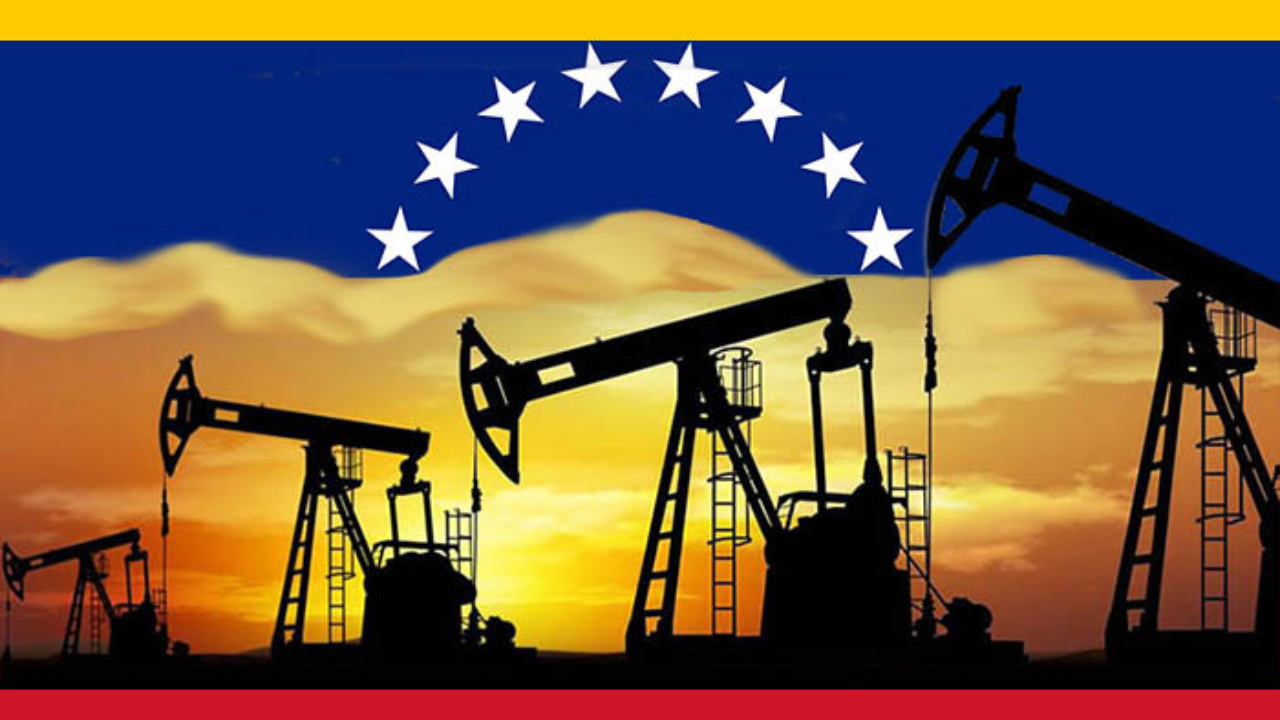
Venezuela Changes Its Oil Law, Opens the Sector to Private Companies, and Promises to Attract Foreign Investments in a Time of Economic Collapse and Pressure from the United States.
Oil, which for decades was the cornerstone of Venezuela’s political and economic model, has just entered an entirely new phase.
Amid a deep crisis, international sanctions, and a dramatic change in power in Caracas, the country has decided to break one of its strongest taboos: the absolute control of the State over its greatest natural wealth.
The National Assembly approved a comprehensive overhaul of the energy sector law, opening the oil market to private capital, allowing foreign companies to have direct control over production and marketing.
-
Petrobras evaluates suspension of sales to distributors and considers canceling the cooking gas auction following guidelines from the Federal Government.
-
Lula reveals a masterstroke by Petrobras to undo a deal made by Bolsonaro, which involves the return of an important refinery that currently produces less than half of what was expected and makes Brazil dependent on international diesel.
-
A study confirms that the natural gas sector will reduce greenhouse gas emissions in Brazil by 0.5% and accelerate the energy transition by 2026.

-
Petrobras implements a severe adjustment and confirms a 55% increase in the price of aviation kerosene with a proposal for installment payments for the companies.


The decision, made just a few weeks after the arrest of Nicolás Maduro in a U.S. military operation, is already provoking intense reactions inside and outside the country.
The New Law That Changes Everything in the Oil Sector
The approval of the new regulatory framework occurred this Thursday (29) and was confirmed by sources linked to the Venezuelan Legislature.
The text, whose draft was reviewed by the Associated Press, represents a direct break from the model implemented more than 20 years ago by the political movement initiated by Hugo Chávez.
Now, the project is set for the signature of interim president Delcy Rodríguez, who presented the changes just days after U.S. President Donald Trump declared that Washington would take control of Venezuela’s oil exports and seek to attract foreign investments to save an industry in collapse.
Under the new law, private companies will not only be able to participate but also control the production and sale of Venezuelan oil, something unthinkable until recently.
In addition, contractual disputes may be resolved by international courts or by authorities outside the Venezuelan judicial system.
Why Investors Had Escaped Venezuelan Oil
For two decades, Venezuela’s oil sector has been under strict control by the state-owned PDVSA. Foreign companies operating in the country in the 1990s were forced to accept new rules that guaranteed the state-owned company a majority partner position in all major projects.
When companies like ExxonMobil and ConocoPhillips refused to accept these conditions, Hugo Chávez broke contracts and expropriated assets. To this day, these companies are awaiting payment of billions of dollars in compensation awarded by international courts.
This history has driven investors away and left the industry isolated, particularly as global oil prices began to fall and mismanagement started to erode production and infrastructure.
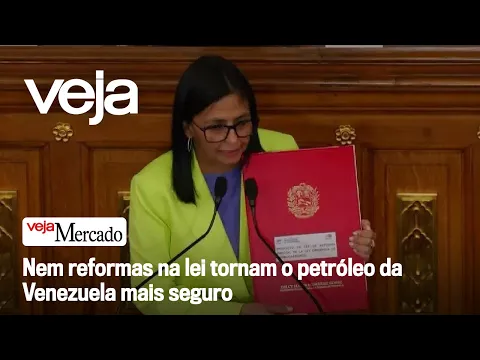

Another sensitive point of the new legislation lies in taxes. The revised law sets a cap of 30% royalties on oil extraction but allows the government to adjust the percentages according to each project.
The criteria include the need for investment, competitiveness, and economic viability. In practice, this means that more expensive or more difficult-to-explore fields may pay less as a way to attract companies willing to take risks.
For the interim government, this flexibility is an attempt to make Venezuelan oil attractive again in the international market.
How Oil Sustained Power for Years
In the early years of the Chávez government, oil experienced a golden phase. Global prices soared, and PDVSA became the main source of money for the State. This flow of petrodollars financed social programs and consolidated the political project of chavismo.
In 2006, the hydrocarbons law was amended to ensure that PDVSA was the main partner in all major ventures. This measure increased state control but drove away foreign capital and reduced efficiency.
Over time, the combination of falling oil prices, mismanagement, and international sanctions caused production to plummet.
Venezuela, home to the world’s largest proven oil reserves, saw its economy collapse. Since 2014, millions of people have left the country. The oil industry, once the engine of growth, has become a symbol of collapse.
Sanctions imposed by successive U.S. governments further exacerbated the situation, making exports, access to technology, and financing more difficult.
Now, with the new law, the government is trying to reverse years of isolation and use oil as a gateway for foreign capital.
Do you think opening the oil sector to foreign companies will save Venezuela’s economy or merely exchange one type of control for another?





-

Uma pessoa reagiu a isso.