





 English
  Francês
  Alemão
  Italiano
  Japonês
  Norueguês
  Portuguese
  Spanish
  2 min of reading


Brazilian Agricultural Research Company Launched Technologies This Week Aiming to Increase Production in the Field
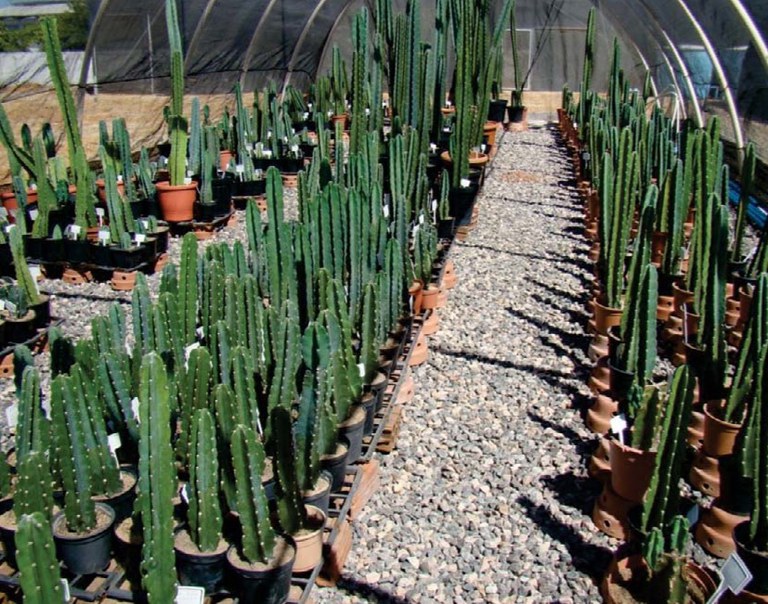
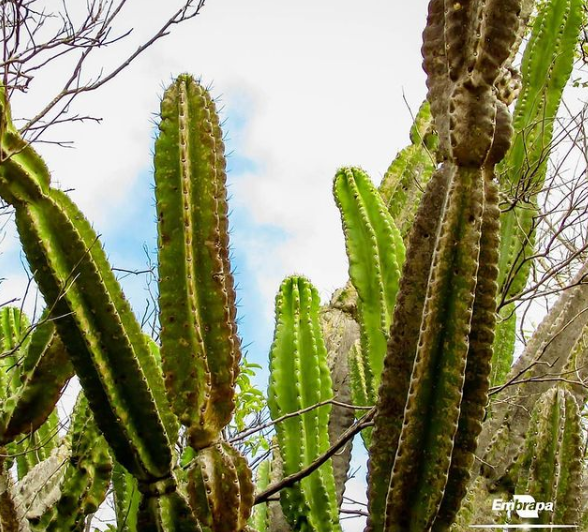
On this last Tuesday (27), Embrapa inaugurated a new sustainable technology aimed at increasing productivity in the field. It involves bacteria found in the Mandacaru cactus. The launch took place in celebration of Embrapa’s 48th anniversary. In addition to the launch of the new technology, other solutions were announced to reduce the environmental impact and increase profits.
Celso Moretti, president of Embrapa, provided more details about the study that uses the Mandacaru cactus. According to him, the research took about 10 years to finally enable plants to better withstand drought and low water availability. “This is the first product registered in Brazil for this purpose; it is a bioproduct, the result of more than a decade of research,” he said.
Embrapa Launches New Technologies
Moretti also emphasized that this technology will be very welcome and used in Brazilian regions with little water. “I have no doubt that this will be a technology that will be very successful in regions with low water availability in Brazil. Note that only the Brazilian semi-arid region has 100 million hectares located in the Caatinga biome. The plants there could be greatly benefited by this technology.”
-
While Russia dominates the global wheat market, Brazil emerges as an unexpected competitor in the Cerrado, offering grain available in July and August when stocks in the Northern Hemisphere are at their lowest point of the year.

-
China returned almost 20 Brazilian ships with soybeans, but now everything could change: the country that buys 80% of the grain is considering relaxing regulations after impurities held up shipments of thousands of tons and caused million-dollar losses.

-
Chinese giant worth nearly R$ 4 billion that manufactures cables for electric cars, solar energy, and robotics wants to open a factory in SC.
-
Many employers do not know, but the law guarantees domestic workers a 25% increase in salary during trips, 50% for overtime, 20% for night shifts, and 17 additional benefits that can lead to labor lawsuits if not paid.


Embrapa also took the opportunity to launch new tools aimed at increasing production in the field. One of them is the first Brazilian cultivar of conventional soybean. The technology has resistance to Asian soybean rust and tolerance to stink bugs.
“We believe that this soybean will attract the interest of producers, especially those who work with organic soybean, because besides not being genetically modified, this material, by combining tolerance to rust and resistance to stink bugs, will greatly facilitate phytosanitary management and reduce environmental impact,” said Moretti. Embrapa also launched a new genetically modified cotton cultivation. It has more resistance and productivity in the field.
It was also reported that Embrapa had a social profit of R$ 61.85 billion. This figure was obtained based on an analysis of Embrapa’s technologies and their various impacts. The sample includes 152 technologies and 220 cultivars developed by Embrapa.









Seja o primeiro a reagir!