Portuguese
  Spanish


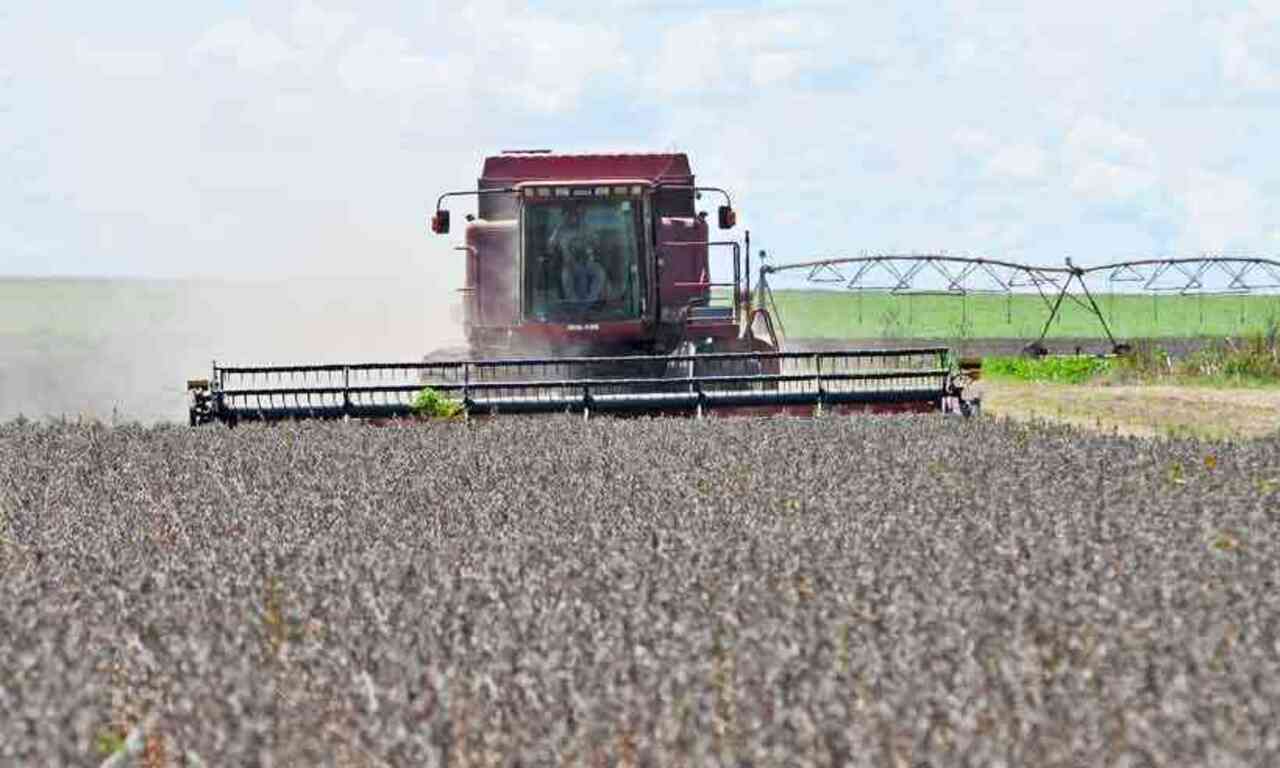

The Participation of Agribusiness Products in the Brazilian Economy and Cargo Movement in Brazilian Ports Increased by More Than 16% Only in 2019, and Grows to 21% This Year, in Contrast to the Measures to Face the COVID-19 Pandemic.
The data shows that by October, the circulation of agribusiness products had reached more than 170 tons in Brazilian ports and boosted the economy. In the same period, cargo movement in Brazilian ports was over 80 million tons. The study based on data from ANTAQ – National Agency for Waterway Transportation shows that about 3.7% of this volume is higher than that recorded in the same period in 2019.
Read Also
Brazil Has a Total of 34 Public Ports and More Than 140 Private Use Terminals
Brazil has more than 30 public ports and over 140 private use terminals (TUP), which are responsible for the maritime and river movement of more than 80% of the goods consumed in the country daily. Of all movements, about 65.5% are carried out in TUPs and 34.5% in organized ports.
Logistics Bulletin Data Show Impact on Agribusiness Sector Products
The Logistics Bulletin data show the impact of agribusiness sector products on Brazil’s exports. By October, the agribusiness sector recorded an economic increase above expectations, in the trade balance of about US$ 75 billion: US$ 85 billion in exports and US$ 10.4 billion in imports.
-
Havan Competitor Expands in Brazil with 170 Stores, Offering Everything from Stationery to Asian Food and Focusing on Affordable Products to Attract Shoppers

-
Norway’s $2 Trillion Dilemma: How Oil Revenue Created a Massive Savings Fund with Too Much Money to Spend

-
Microsoft Lays Off 4,800 Employees, Cuts 20% of Xbox Staff Amid AI Pressure on Major Tech Firm

-
Brazil’s ANP Opens 86 New Oil Blocks in the Equatorial Margin, Expanding the Amazon River Mouth Frontier





According to the Ministry of Economy, last month, exports in Brazil reached approximately US$ 210.7 billion, as the agribusiness sector’s participation could account for half of this total. The agribusiness sector has been the only sector in Brazil’s economy to grow during this pandemic period.