





 Portuguese
  English
  Spanish
 3 min of reading


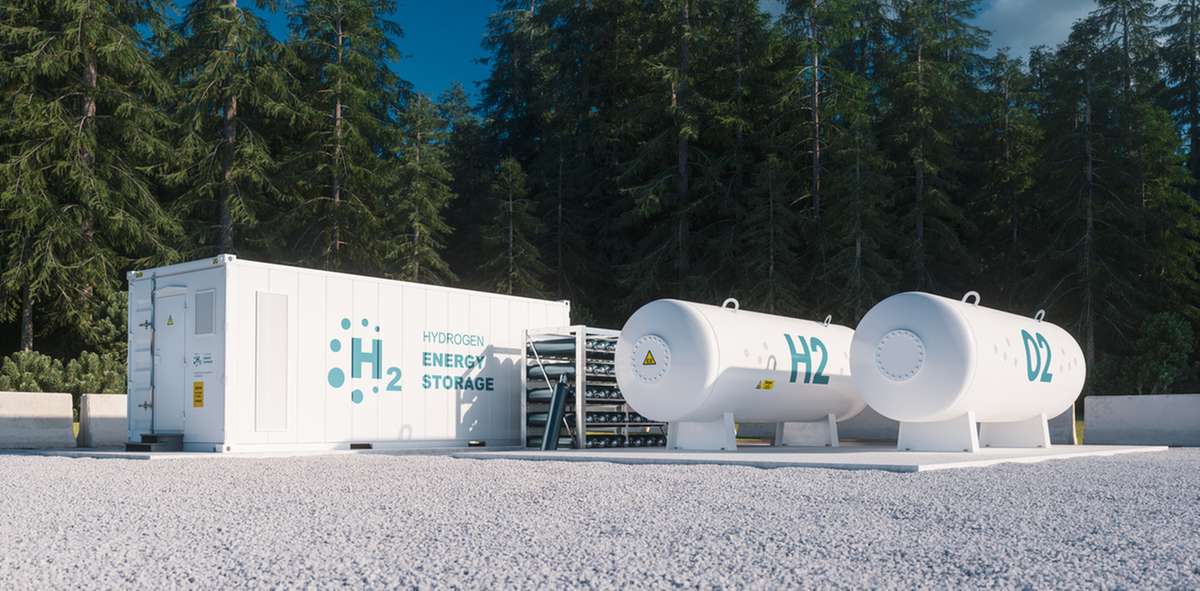
The Collaboration Between Agricultural Cooperatives in Paraná and the German Company is the Result of Cooperation Between Brazil and Germany for Sustainable Development Through the Expansion of the Green Hydrogen Market and Its Derivatives.
This collaboration is the result of cooperation between Brazil and Germany for Sustainable Development through the expansion of the green hydrogen market and its derivatives. The partnership is being formed between the Cooperative for Renewable Energy and Rural Sanitation (Coopersan) and the Sustainable Energy Cooperative (Ambicoop), located in Paraná, in collaboration with the German company Mele Gruppe from Torgelow.
The Project Aims to Reduce Methane Gas from Animal Waste Into Sustainable Energy
The initiative encompasses the production of green hydrogen through the use of pig manure. It is estimated that the total production capacity will be about 275 tons of green hydrogen derivatives daily.
The cooperation agreement was made during a visit from the delegation of Mecklenburg-Vorpommern, a German state.
-
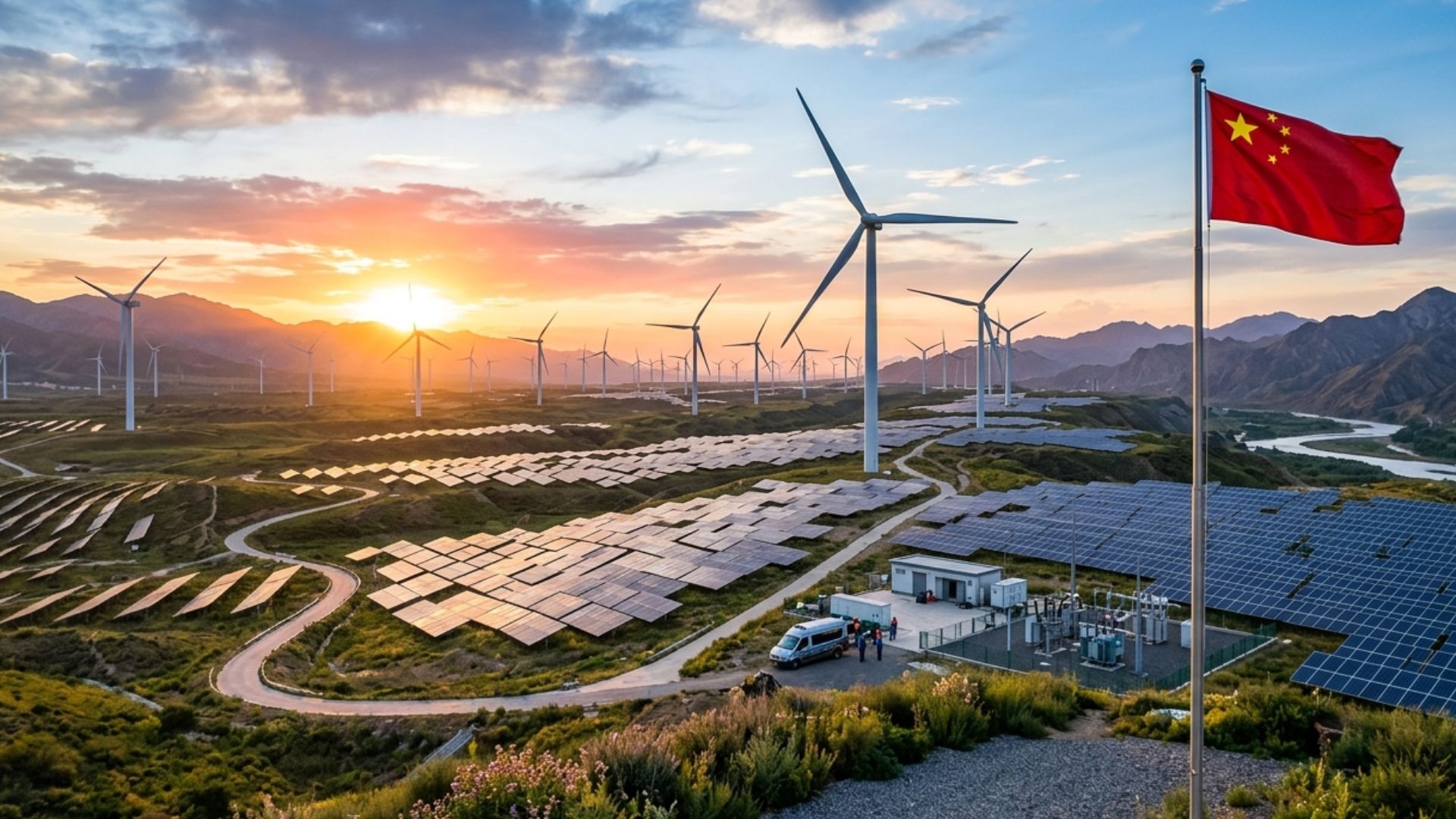
Renewable energy advances globally with Asia taking the lead; Irena’s analysis indicates a strategic progress that drives the energy transition and reduces generation costs.
-
Globo broadcaster achieves 100% renewable energy and advances climate goal, strengthening environmental commitment, reducing emissions, and influencing large companies to adopt more sustainable and competitive strategies.
-
New mapping reveals the Brazilian states with the greatest potential for the production and use of green hydrogen in Brazil to lead the global market.
-
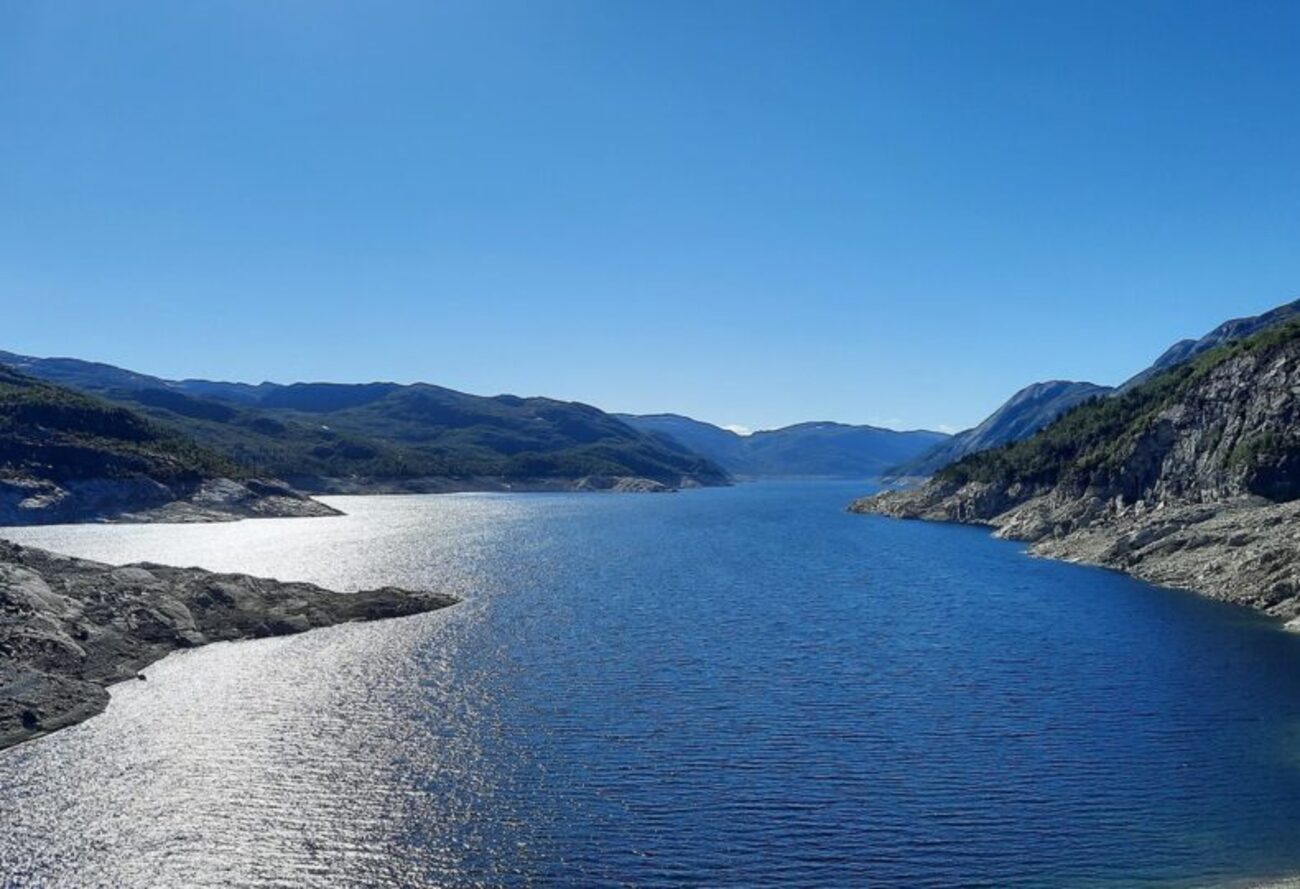
Historical drought and lack of snow in the Norwegian Alps threaten the largest clean energy reserve in Europe and could drive up electricity prices.
The delegation was made up of various companies from the energy and environmental sectors, as well as municipal representatives from Germany, and was led by the head of the chancellery, Patrick Dahlemann.
“The implementation of the project represents the beginning of a long-term cooperation that will serve for the future development of the partnership between Mecklenburg-Vorpommern and Paraná in Brazil. We will continue to support this showcase project,” declared Dahlemann.
The partnership will be funded by the H2Uppp project, a global program commissioned by the German Federal Ministry for Economic Affairs and Climate Protection, with support from the Brazil-Germany Chambers of Industry and Commerce (AHK), located in Rio de Janeiro and São Paulo.
In addition to Brazil, this project is also present in 16 other countries, with a total investment estimated at 2.3 million euros.
“This is an international project that ensures the existence and development of the 332 livestock farms gathered in a cooperative. In this advantageous situation for both parties, it is part of the reorganization of energy supply and security in Germany and Mecklenburg-Vorpommern,” celebrated the CEO of the Mele Group, Dietrich Lehmann, about the sustainable climate protection project.
The Partnership of the German Company Mele Gruppe from Torgelow with the Cooperative for Renewable Energy and Rural Sanitation (Coopersan) and the Sustainable Energy Cooperative (Ambicoop) from Paraná is Being Celebrated by Various Sectors of the Renewable Energy Industry
According to the director of GIZ Brazil, Markus Francke, the project is an example of international efforts supported by the German federal government. The measure aims to promote the phase-out of fossil fuels.
“The production and use of green hydrogen and its derivatives supports the energy transition to 100% renewable energy and, moreover, the sustainable development of the market in Brazil and worldwide,” stated Francke.
It is expected that the collaboration will take place by the end of 2023 and be seen as a flagship project, disseminating and multiplying the production of green hydrogen derivatives for other cooperatives in the region.
Thus, contributing to the development of the pillars of the H2Uppp project which are: sustainability, positive social and environmental impact, technical and economic feasibility, and animal welfare certification.
Finally, the expectation is that, through the partnership and production of green hydrogen derivatives, advantages such as a reduction in the use of mineral fertilizers and assurance of animal welfare for the 332 cooperatives in Paraná will arise.
It should be noted that the project will assess whether the cooperatives are following the following parameters: environment, ensuring freedom of movement and expression of animal behavior; health, to avoid discomfort and suffering caused by injuries and diseases; skilled labor to handle the animals; and feeding.
Finally, animal waste will no longer be disposed of in nature, protecting the region’s groundwater from contamination.







Seja o primeiro a reagir!