





 Portuguese
  English
  Spanish
  3 min of reading


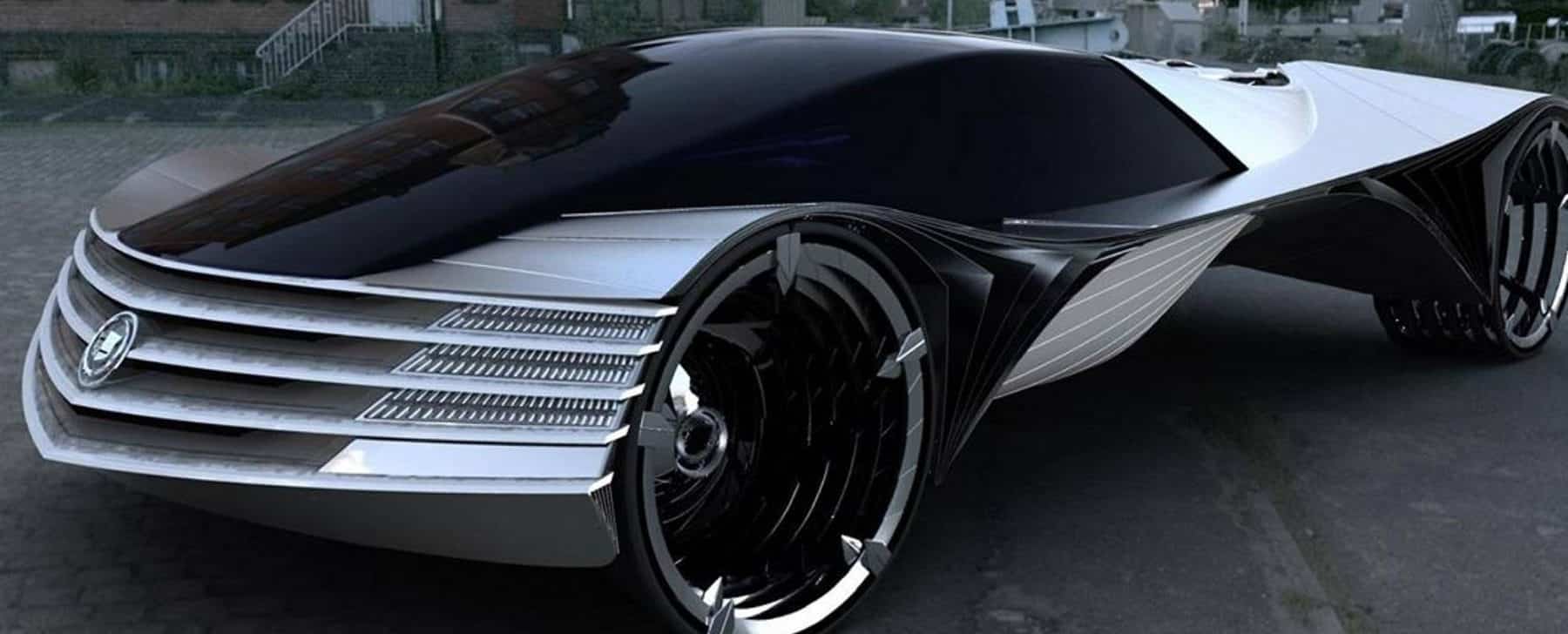
Laser Power Systems Is Developing A Nuclear-Powered Car That Could Have “Infinite” Range With Just A Few Grams Of An Uranium-Like Element.
The great quest for more efficiency and sustainability in energy has led the American company Laser Power Systems, from Connecticut, to start developing a new form of propulsion that utilizes thorium in the energy production to power a car engine. Thorium is an element similar to uranium and, being a very dense material, has the potential to produce large amounts of heat, generating nuclear energy.
Nuclear-Powered Car With “Infinite” Range
According to Charles Stevens, CEO of the company, just one gram of thorium can generate more energy than 28,000 liters of gasoline. The executive claims that 8 grams of thorium would be enough to power a nuclear-powered car for its entire life.
Stevens explains that small pieces of thorium were used to generate nuclear energy and were positioned to create a thorium laser. The lasers heat water to generate steam and power various mini-turbines.
-
The Toyota Hilux is R$ 75.5 thousand cheaper and bets on the 2.8 turbodiesel engine with up to 204 hp and 50.9 kgfm to catch up with the VW Saveiro, which leads with 4,472 sales.
-
The new Renault Koleos has a screen exclusively for the passenger that is invisible to the driver, heated rear seats, and 29 assistance systems, but its Chinese competitors cost R$ 40,000 less and deliver more power.
-
The car stored for 38 years: when opening the barn door, what appears is breathtaking and looks like a scene from a movie!

-
Fiat works miracles in the Brazilian market, lowers the price of its 0 km hatch to R$ 69,990, reestablishes the model as the cheapest car in the country, and reignites the battle against Kwid and C3.

An engine weighing about 227 kg would be compact and light enough to fit under the hood of an ordinary car. If the nuclear-powered car comes to fruition, gasoline and other fossil fuels will be considered outdated.
The company’s executive states that creating usable and portable turbines and generators was more challenging to produce than the nuclear energy lasers themselves. The question is: How can the laser be efficiently combined with these components? This is the billion-dollar question that the executive and the 40 collaborators at Laser Power Systems are trying to answer.
Australia Has 330,000 Tons of Thorium
If the company can make this type of technology work, the CEO claims that nuclear-powered cars could have a range of millions of kilometers. Australia would be well-positioned to become a global giant in energy production and thorium production.
The car will wear out long before the engine. There is no oil, no emissions or anything of the sort. According to data from the US Geological Survey, Australia has the second-largest level of thorium in the world, with 333,690 tons, representing about one-quarter to one-sixth of the world’s source reserves.
It is important to note that the concept of nuclear-powered cars is not new. In 2009, Loren Kulesus presented the Cadillac World Thorium Fuel Concept. Kulesus claims that besides adjusting the 24 tires of the vehicle every 5 years, no component of the vehicle would need to be added or subtracted for 100 years.
Nuclear Energy May Be The Key To Sustainability, Says CEO Of Core Power
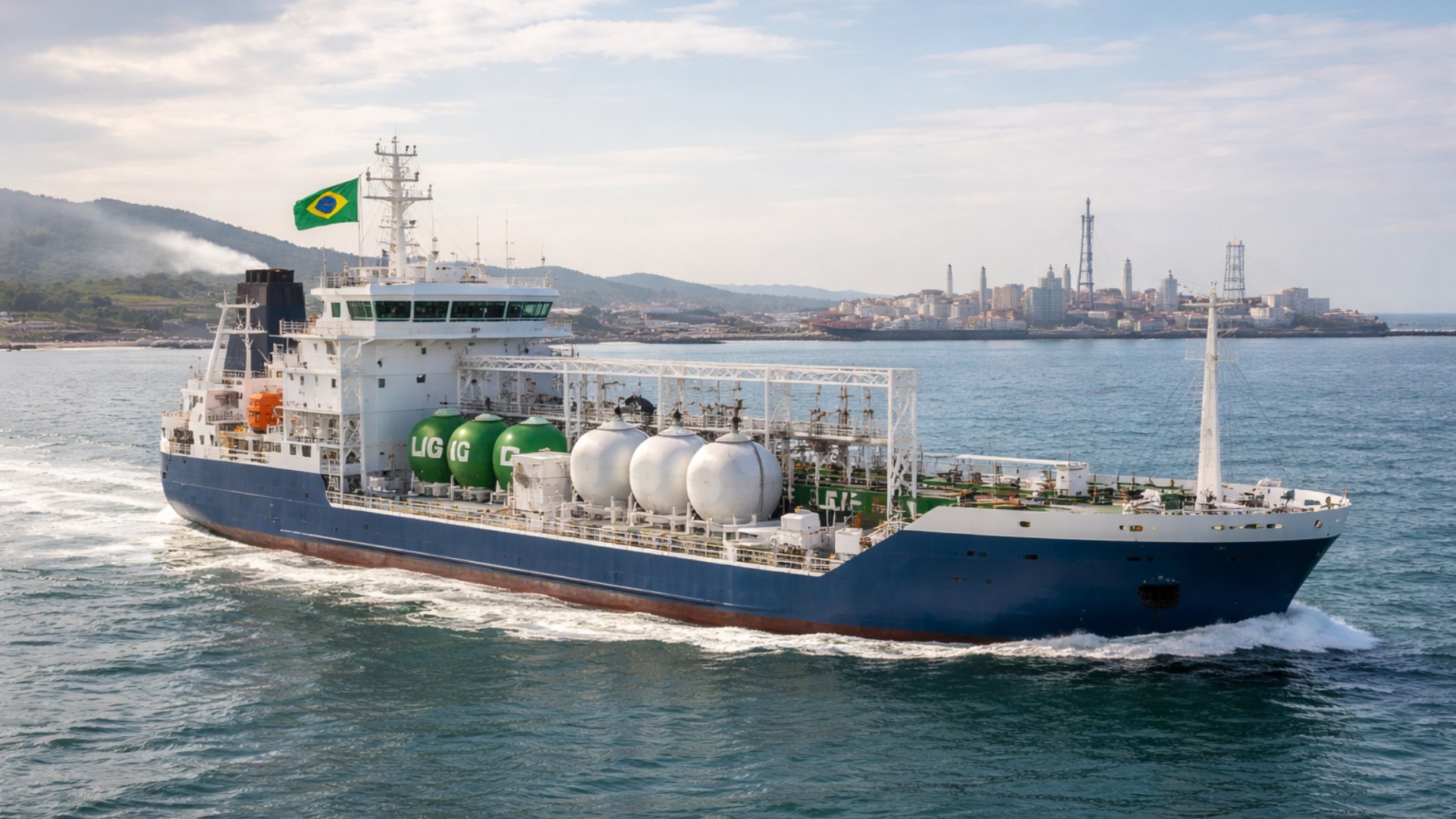
Core Power, a UK company, recently announced a new line of business for floating desalination plants. Although onshore plants of this type have been built worldwide, the cost of construction, fuel supply, and maintenance is very high.
Additionally, fossil fuels are used for energy generation. The company’s concept ships utilize floating facilities, built on traditional ship hulls and powered by micro nuclear reactors, the concept ships can provide electricity and desalinated water.
These ships can generate water at a rate between 60,000 to 450,000 m² per day, corresponding to the scale of existing desalination plants.






Seja o primeiro a reagir!