





 English
  Francês
  Alemão
  Italiano
  Japonês
  Norueguês
  Portuguese
  Spanish
  3 min of reading


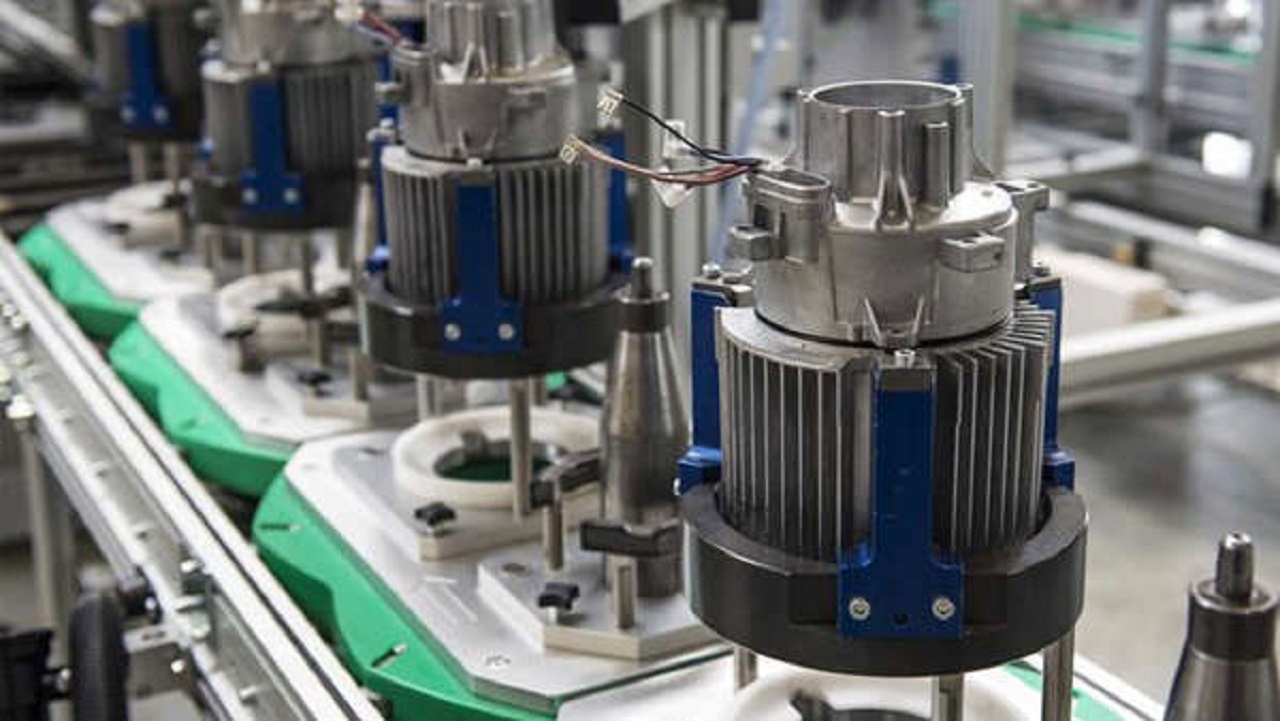
The British Company Ricardo Replaced Copper Windings with Aluminum Coils in an Electric Motor, Resulting in a Lighter Propulsor with a Final Cost That Fits Most Consumers’ Budgets
Since the first idea of creating electric cars and other vehicles that could be electrified, the focus has remained the same. There have been various efforts to develop electric cars that are increasingly efficient, and therefore, the emphasis is on the part that provides power to the car: the batteries. Even with batteries still being the center of attention, there are many other areas that can be explored to technologically advance the efficiency of electric cars. Additionally, there is also the recycling aspect of this motor which, being made of aluminum, will be much easier to recycle at the end of its life cycle, and can also be repurposed in other sectors. The use of aluminum windings instead of copper also makes the motor cheaper and much lighter for the vehicle.
Read Also
- Toyota, Subaru, Mazda, Kawasaki and Yamaha Put Electric Vehicles Aside and Create Alliance to Keep the Combustion Engine Market Alive
- The U.S. is About to Develop the First Hydrogen and High-Efficiency Steam-Powered Engine for Commercial Aviation
- YouTuber from Minas Gerais Creates Wood-Powered Steam Tricycle and Gains National and International Fame
- Renault Will Unveil Its New Hydrogen-Powered Car Next Month and Promises to Surprise the Automotive Industry
ARTICLE CONTINUES BELOWSee also
-
Engineers propose a fourth traffic light for intersections – the change promises to affect crossings, queues, and waiting times.

-
Chevrolet Suburban Z71 lands in Brazil with a V8 engine, off-road design, air suspension, seven seats, and colossal size, a rare version imported for around R$ 1.3 million with luxury and exclusivity.

-
The Chevrolet Onix 1.0 turbo achieves 17.7 km per liter on the highway and ranks among the three most economical cars in Brazil in 2026, alongside two more expensive Toyota hybrids available at dealerships.

-
Little sister of the Hilux: Toyota launches Land Cruiser FJ with 4 radical versions, 2.7 engine with 166 hp and 4×4 traction with locking.
-
- The New Jaguar F-Pace SVR Arrives in Brazil More Powerful, Equipped with a V8 Supercharger Engine and 550 HP of Power
Development Process of Electric Motors with Aluminum Windings
The British company Ricardo is responsible for developing electric motors with aluminum windings, intended for compact electric cars. Undoubtedly, this is a major breakthrough since conventional electric motor windings are typically made of copper, while aluminum is used only in the fabrication of induction motor rods.
Lightweight, Efficient, and Low-Cost Propulsion
There are many advantages to this efficient motor – and low-cost, primarily because aluminum is much lighter than copper. Even though aluminum has about 30% less conductivity and requires slightly larger windings, it is a good alternative to minimize mass as much as possible. Furthermore, in terms of efficiency, aluminum and copper are on par.

In more modern high-power propulsion systems, copper has significant losses, unlike aluminum in alternating current. It loses even more in direct current; however, the windings made with both metals do not show significant differences. Nevertheless, aluminum has a much better thermal capacity than copper, allowing it to handle a greater power before overheating.
The Use of Aluminum in Motor Manufacturing is Linked to Economic, Environmental, and Sustainability Considerations
The characteristics of aluminum are not purely technical. Due to aluminum being much more common in nature than copper, it is also easier to extract, and the combination of these two characteristics is key to making it much cheaper.
In conclusion, aluminum is easier to recycle, unlike copper, where the attempt to recover it carries a high contamination risk; thus, a much more complex and costly process is required for its reuse in other applications. With the new lightweight, efficient, and low-cost motor made from aluminum windings, it will be much easier to recycle when its useful life cycle comes to an end.








Seja o primeiro a reagir!