





 Portuguese
  English
  Spanish
  3 min of reading


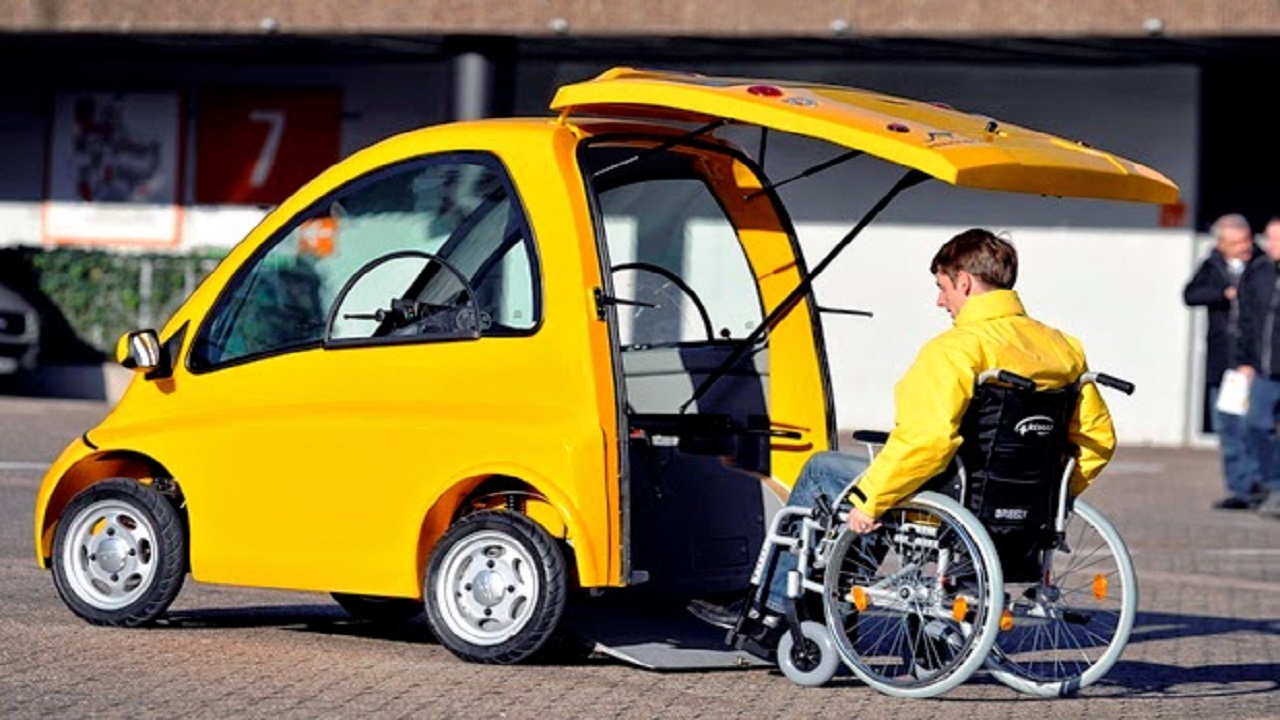
Community Car’s, Texas Company, Creates Electric Car Without Seat and With a Rear Door Made Exclusively for Wheelchair Users That Promises to Revolutionize the Market
A company, Community Car’s, created an electric car without a seat for wheelchair users, known as Kenguru. The prototype was designed in Hungary, but it was developed in a factory in the United States, specifically in Texas.
Read Also
About the Electric Car for Wheelchair Users
The electric car has no seats, and its prototype is much smaller than a smart car, while being even smarter. According to the company, the car for wheelchair users reaches a maximum speed of 40 km/h and has good autonomy in urban environments. On a single charge, the electric car without a seat can drive 100 km.
The price of the electric car for wheelchair users has not yet been officially set by the company, but interested parties can make an online reservation. The electric car is in the final stages of development, according to the announcement on the official website, and a “new tax” may be proposed to the government regarding the import of cars that meet the needs of wheelchair users and other people with disabilities.
-
A 250cc motorcycle that can reach 560 km with a 14-liter tank, features disc brakes on both wheels and is among the most well-known in Brazil.

-
Man finds over 200 rare cars abandoned on a lot and tries to do the impossible in 8 hours with a surprise at the end.

-
An irregular parking case gains attention after a Mercedes Classe A was removed in such a strange way that it even raised doubts about damage to the car.

-
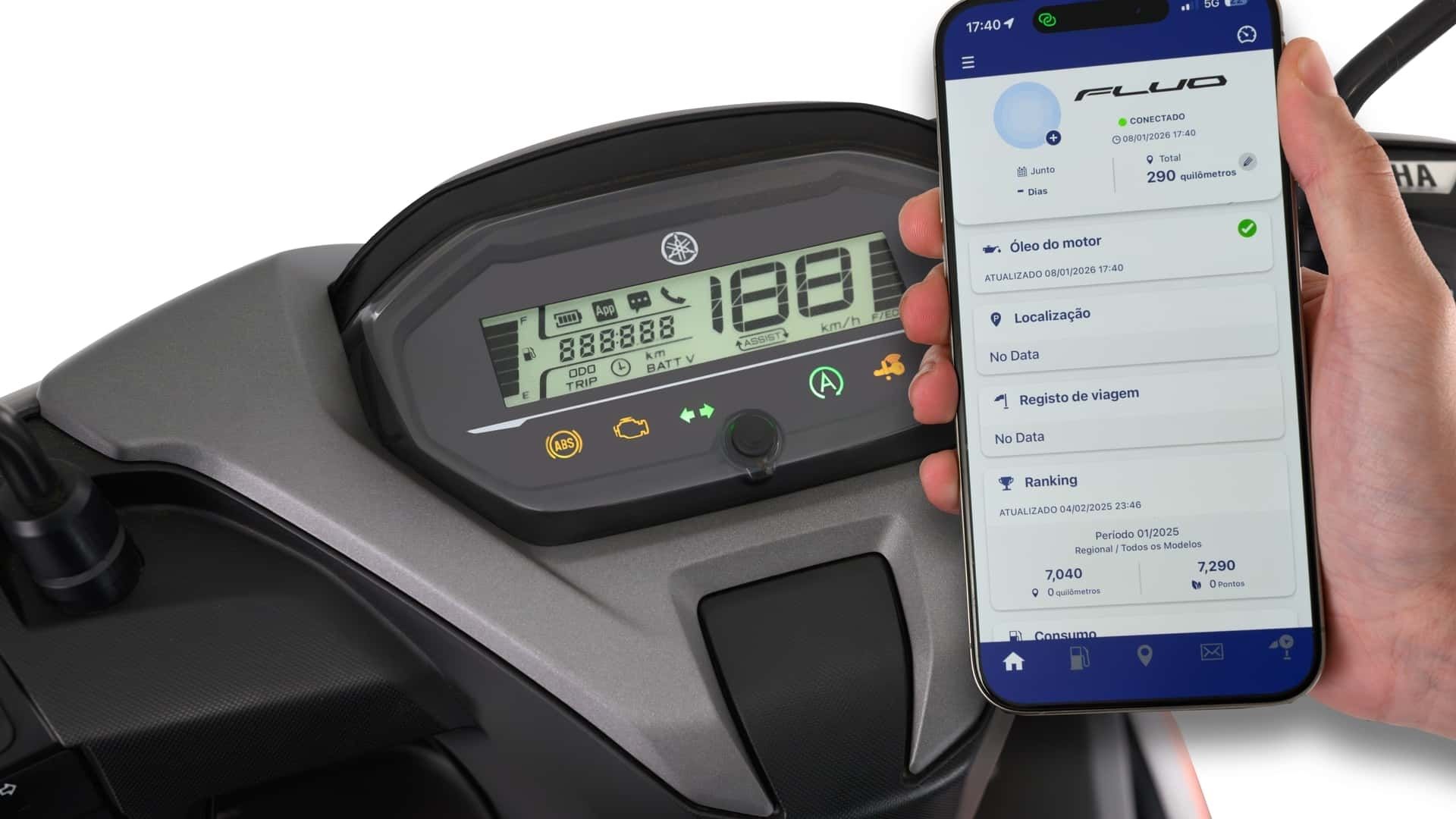
Costing R$ 16,000, the new Yamaha features a 125 cc hybrid engine with electric assistance, delivers 8.3 hp, includes ABS, optimized fuel consumption, Y-Connect connectivity, 25 liters of storage space, and a surprising 4-year warranty in the urban segment.

The Electric Car for Wheelchair Users in the Media’s View
The Kenguru prototype has been the center of attention in the media and has raised millions of dollars in investments, equivalent to R$ 21 million in direct transfers. The technology of the prototype makes the electric car ideal for wheelchair users, as the driver enters through the rear door of the vehicle, which is operated by a type of remote control. There is also a lever that lowers the ramp, which allows the wheelchair user to enter the vehicle without needing to leave their wheelchair.
The ramp takes about 15 seconds to lower completely, and upon entering, the wheelchair just needs to be “parked” in place, as the vehicle has no seat for the driver.
The driver’s seat is the wheelchair itself, so using the Kenguru is just like using a traditional car. The controls inside the electric car are similar to those of a motorcycle, making it easier, more accessible, and intuitive to navigate and drive. The car weighs 290 kg without the batteries, is a safe and compact vehicle, and has a significant advantage in parking in small spaces.
Words from the Company’s CEO
According to Stacy Zoern, CEO of Community Car’s, wheelchair users can drive traditional cars that have some modifications, but the real challenge is for them to transfer into the vehicle on their own. Therefore, this will be a significant opportunity for wheelchair users wanting to carry out their daily tasks.







Seja o primeiro a reagir!