





 Portuguese
  English
  Spanish
  4 min of reading


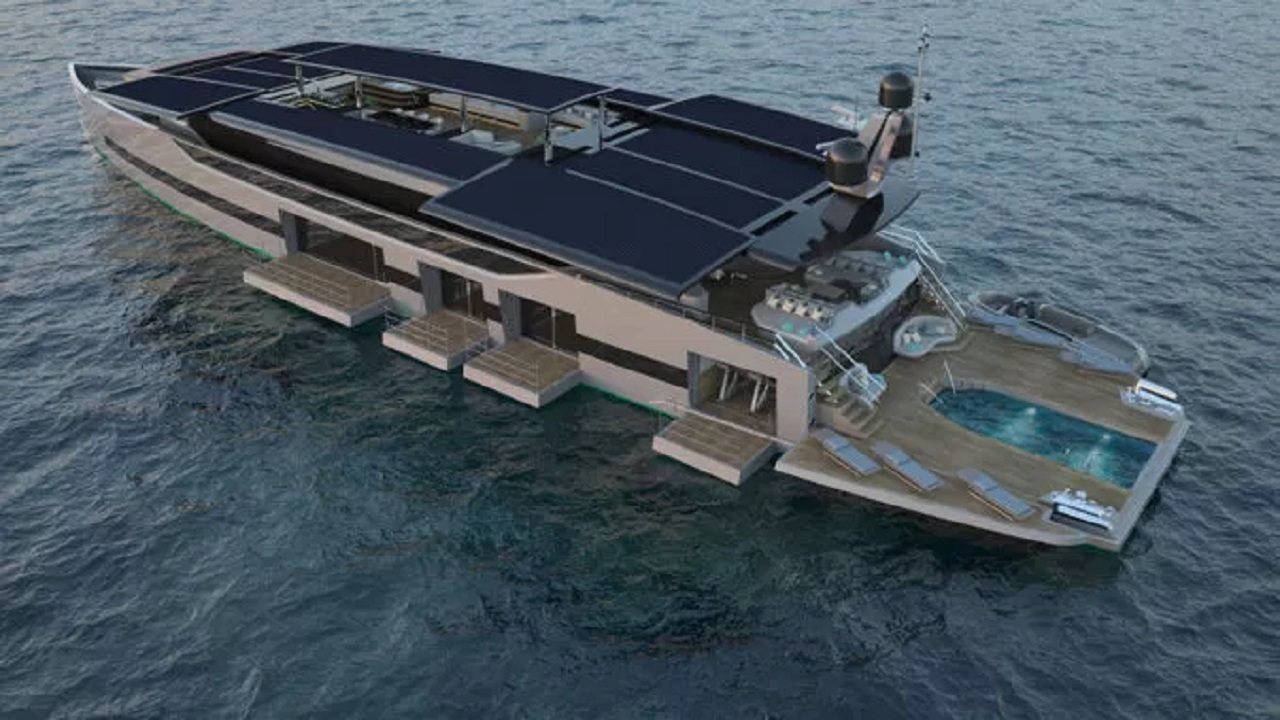
Studio Too Design Is Working on a Sustainable 56-Meter Yacht. The Vehicle Uses Solar Energy to Move, As Well As Offering a Beautiful Sea View and Pool for Its Crew; It Can Also Operate Using Hydrogen
The company called Studio Too Design and its founder, designer Marco Casali, presented their project for a sustainable yacht that uses solar energy last week, and its design surprised the world. The new sustainable yacht measures 56 meters in length and features several technological advancements, including a propulsion system that utilizes clean energy to move, through the various solar panels scattered throughout the structure of the vessel.
Read Other Related News
Sustainable Yacht Features a Pool on Its First Floor and Can Operate Using Green Hydrogen
According to the company, the new solar-powered yacht is named VisionE, with a significant meaning behind this choice. According to designer Marco Casali, the name, which means “vision” in Italian, represents an evolution in the yacht market, with a sustainable, ecological, and electric vision.
In addition to its design developed to be sustainable, the yacht also stands out for having a large pool on its first floor, allowing crew members to enjoy the sea view. From the pool, crew members can also observe the upper deck, which is entirely covered by solar panels.
-
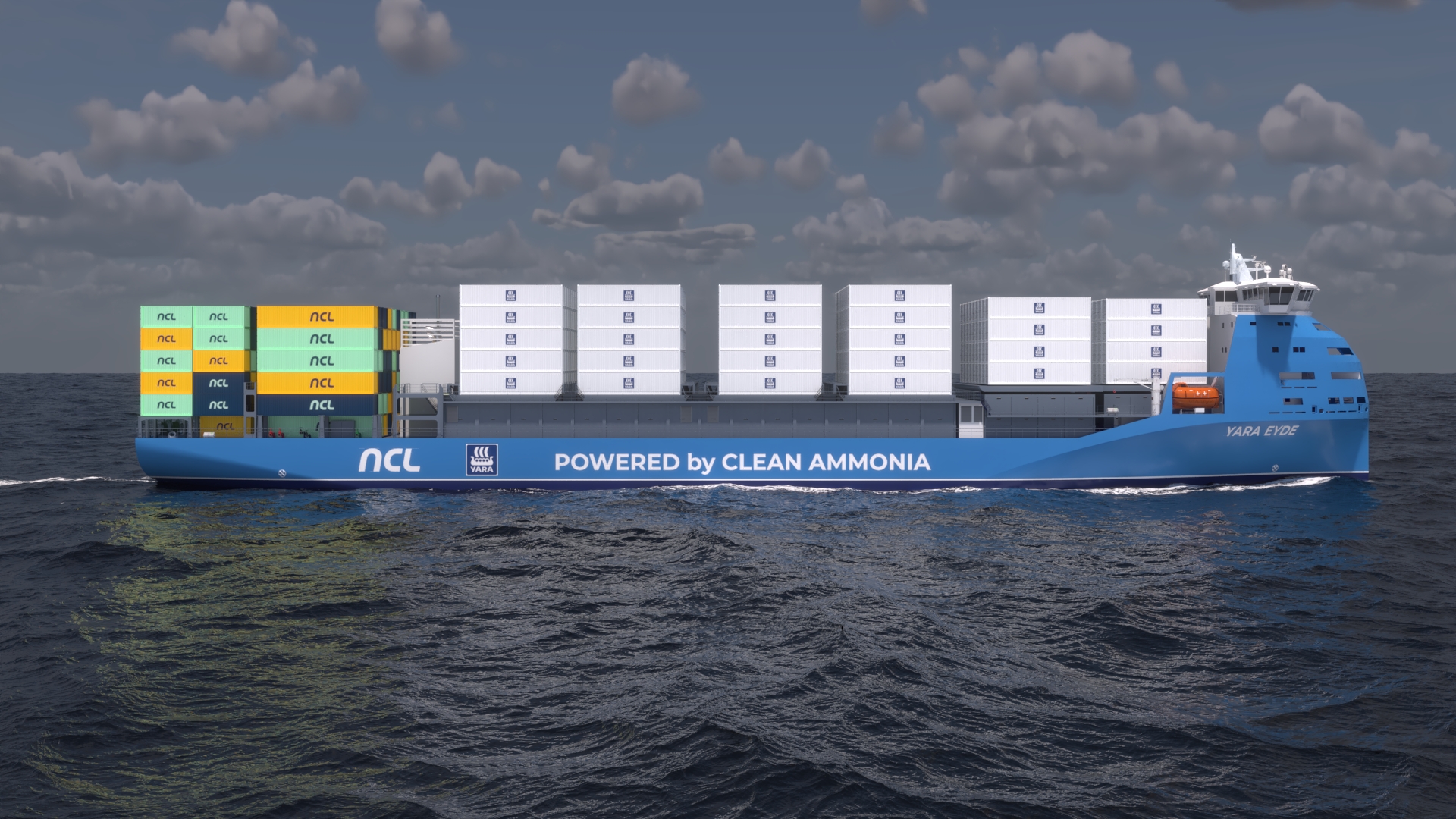
The world’s first container ship powered by renewable ammonia promises to avoid around 11,000 tons of CO₂ per year. The vessel, scheduled to operate in 2026, will connect Norway, Germany, and the Netherlands on one of the shortest and most strategic routes in Europe.
-
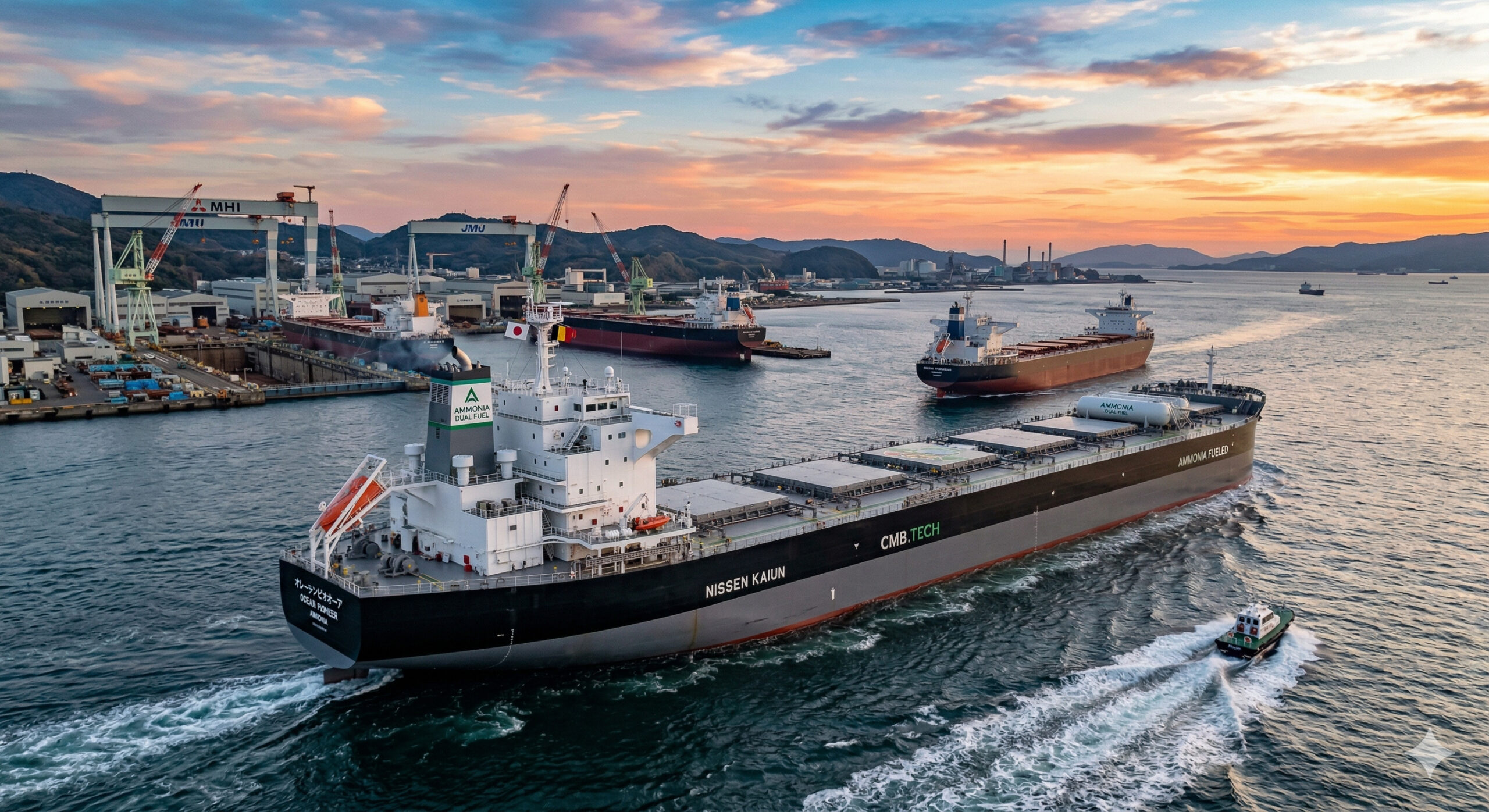
Nine giant ships of up to 210,000 gross tons equipped with dual fuel ammonia engines are being launched by Japan and Belgium. The project includes the world’s first Capesize vessels using this fuel, with contracts of up to 12 years, marking the beginning of a carbon-free ocean fleet starting in 2026.
-
Lack of workers and an aging population: Japan bets on AI robots in factories, logistics, and infrastructure to keep the economy and essential services active.

-
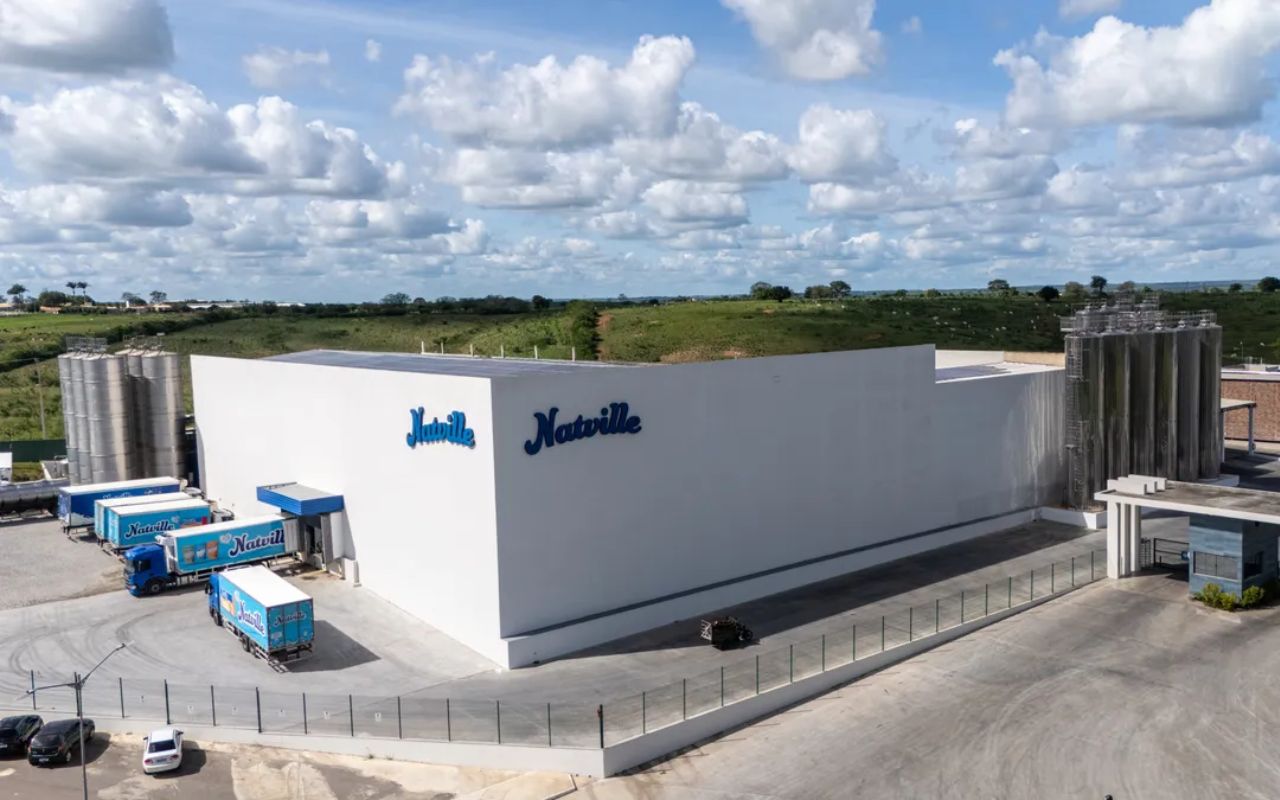
Natville puts R$ 700 million on the table for new factories in the Northeast, generating jobs and boosting the local economy.
According to Marco, the sustainable yacht is equipped with a retractable solar energy roof that, when opened, reveals the deck of the vessel, which has 487 m² and an extremely luxurious lounge designed to provide maximum comfort to the crew.
Solar Panels Generate Up to 62kW
The solar panels installed around the sustainable yacht can provide a power output of up to 62 kW, in addition to storing this amount of electricity in a massive battery located onboard the vessel.
In this way, the battery can provide the necessary electricity for the vessel to move. However, the sustainable yacht is not exclusively powered by solar energy. According to Studio Too Design, the vehicle also has a system of hybrid engines that use fossil fuel and electricity.
Crew Members Can Wake Up with Direct Access to the Ocean
On the other hand, there is also the option for the yacht to operate only using sustainable energy on certain days, potentially powered even by hydrogen.
The model is equipped with seven cabins and balconies that offer crew members direct access to the sea, one of the company’s main objectives in developing the sustainable yacht.
According to Marco Casali, in an interview about the project, there is nothing better than waking up with direct access to the sea. There are practically no yachts of this size that offer this to their guests, as usually, only the yacht’s suite has this convenience, something that Studio Too Design wanted to change by giving this privilege to all its guests onboard.
Japan Wants to Send Ships to the High Seas to Capture Electricity, Creating Offshore Wind Farms in the Middle of the Ocean
The Japanese company, Power X, specializing in electricity, plans to send ships to the ocean to capture electricity by creating a mobile offshore wind farm. For this purpose, a special ship is being designed and will be tested soon.
The offshore wind farm is already a reality in various parts of the world. Its wind blades are installed in the ocean; however, they are static and have some limitations, such as the depth of the region for installing equipment. With the ships from the Japanese company, this can be resolved, and strong winds from other locations can be harnessed.
To bring electricity to homes, the traditional offshore wind farm relies on highly efficient submarine cables; however, they still operate under the limitations of the blade installations, which require a depth of 60 meters to remain stable.

Formado em Jornalismo e Marketing, é autor de mais de 20 mil artigos que já alcançaram milhões de leitores no Brasil e no exterior. Já escreveu para marcas e veículos como 99, Natura, O Boticário, CPG – Click Petróleo e Gás, Agência Raccon e outros. Especialista em Indústria Automotiva, Tecnologia, Carreiras (empregabilidade e cursos), Economia e outros temas. Contato e sugestões de pauta: valdemarmedeiros4@gmail.com. Não aceitamos currículos!







Seja o primeiro a reagir!