





 Portuguese
  English
  Spanish
  3 min of reading


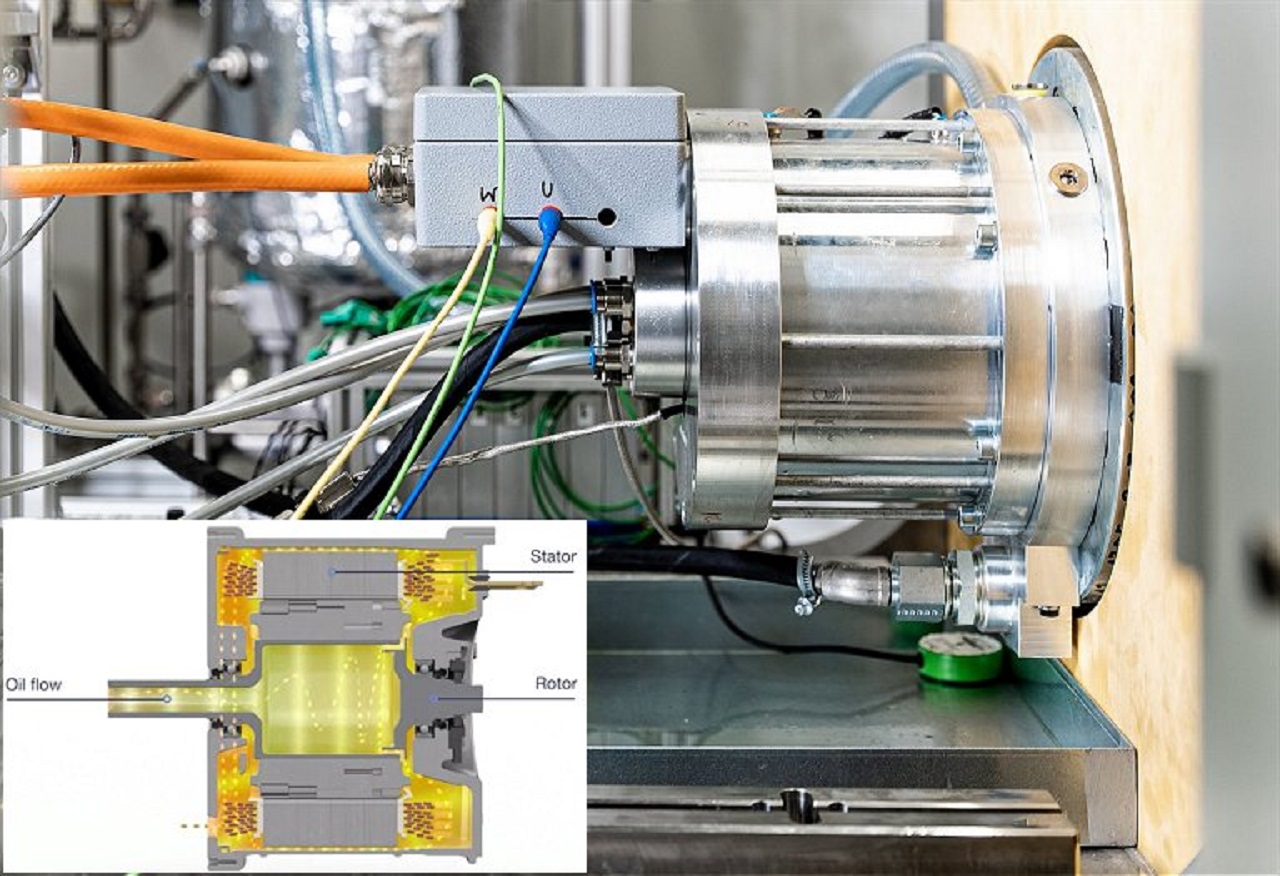
Mahle, The Company Behind The Project, Developed The Most Durable Electric Motor In The World With Continuous Torque, Capable Of Revolutionizing The Automotive Industry.
Engineers from Germany have developed what they claim to be the most durable electric motor in the world, built to be equipped in electric cars of all sizes, from cars to even tractors. The electric motor can run indefinitely at its peak performance point.
Understand All The Details Of The New Most Durable Electric Motor In The World With Continuous Torque
According to the company’s executive Mahle, Martin Berger, developing a large electric motor that provides high performance in the short term is something easy. What has still been lacking in the electric vehicle market until now was the most durable motor in the world, which is compact, making electric vehicles unrestricted for daily use.
The new SCT electric motor is the solution to various problems. It is important to note that SCT stands for superior continuous torque in English. Although it is very compact and lightweight, the new most durable electric motor continuously provides 90% of its peak torque capacity.
-
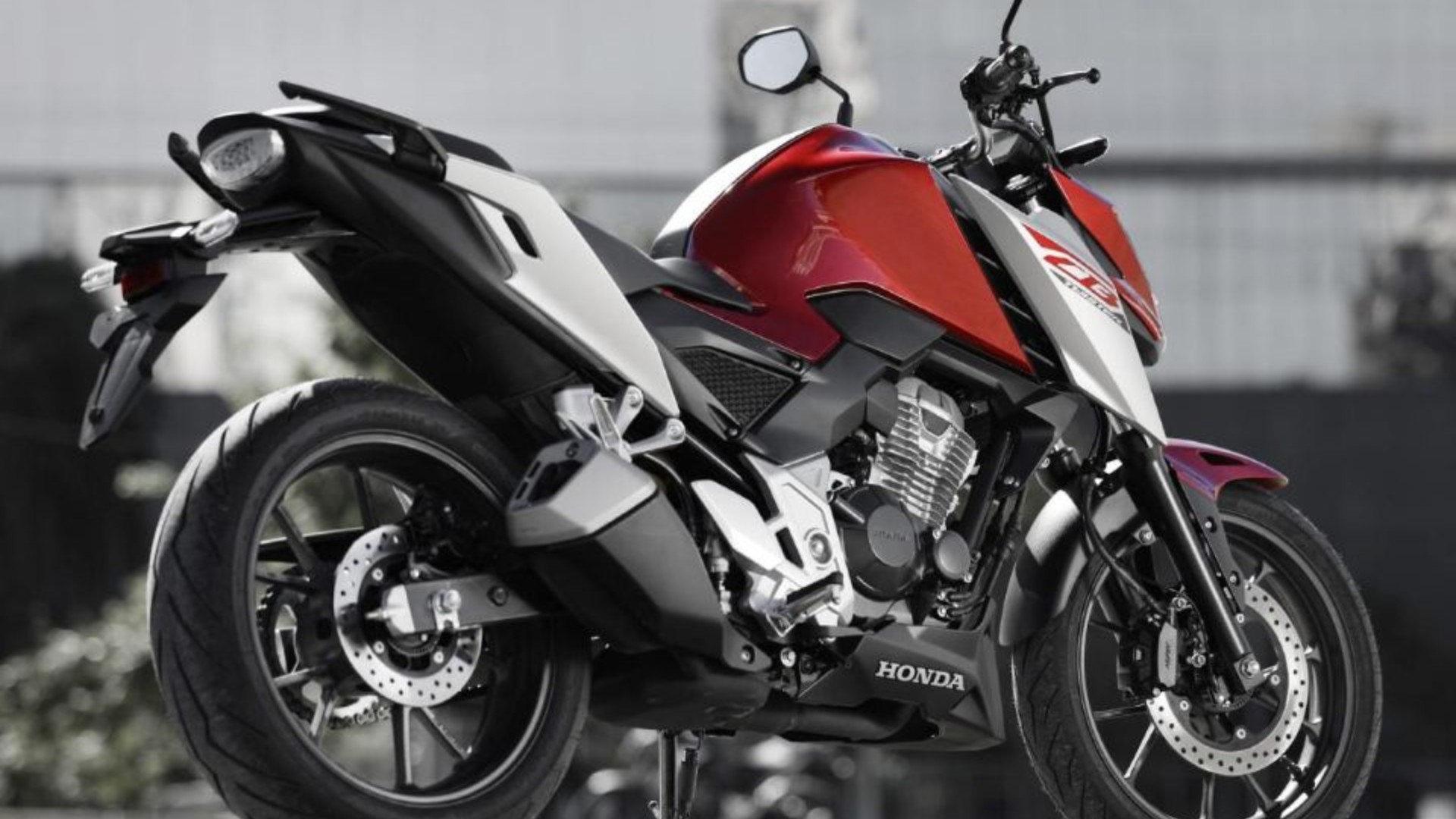
With a 293.5 cm³ engine and a range of up to 400 km with a 14.1-liter tank, the Honda CB 300F Twister 2026 has up to 24.7 hp, an initial price of R$ 25,150, and already exceeds R$ 29,000 in the Fipe Table.
-
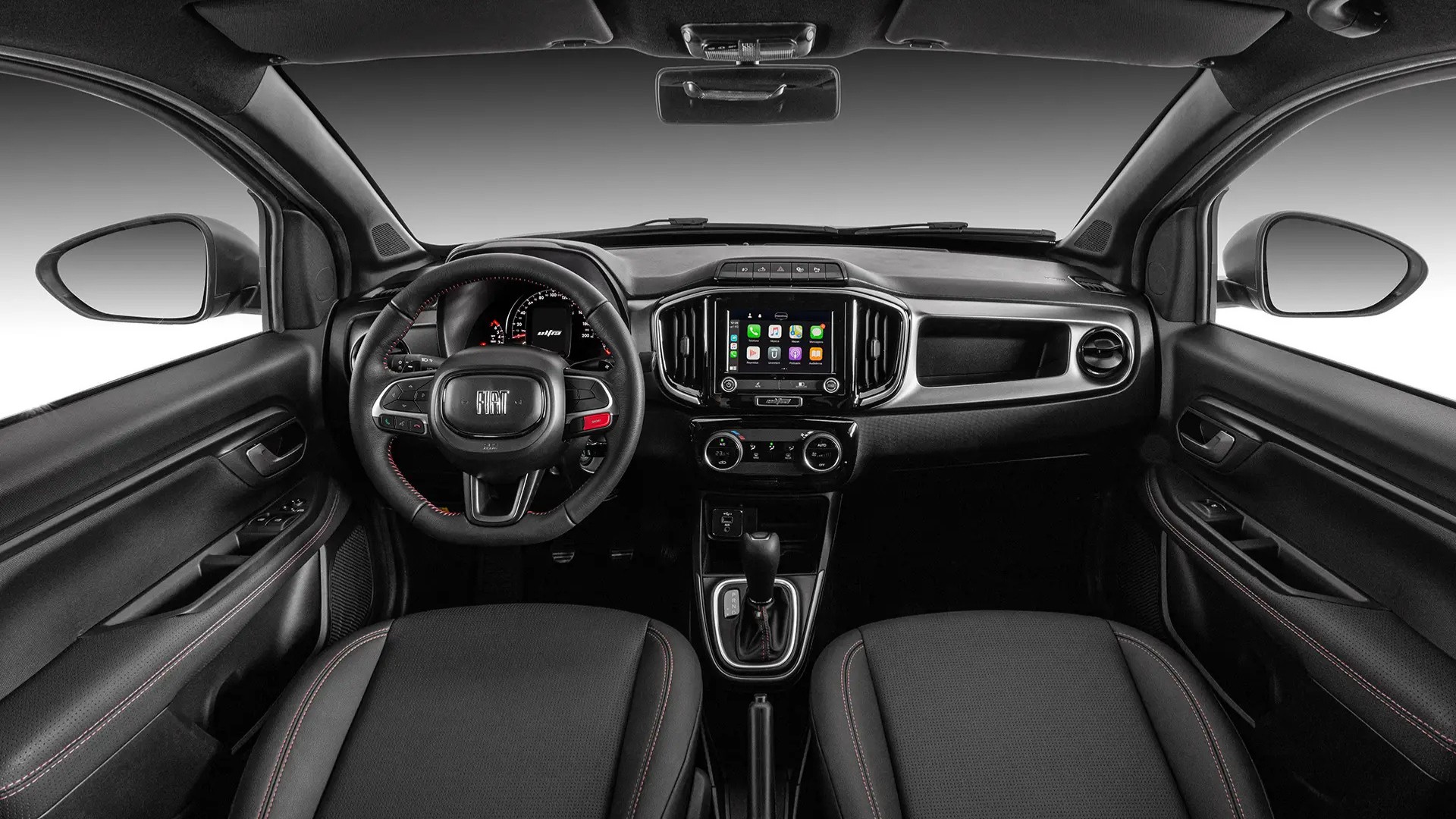
With a 1.3 engine, nearly 700 km of range, and Turbo 200, the Fiat model surpasses Polo, Tera HB20, and Onix, becoming the best-selling car in March; see the numbers for the Fiat Strada and others.
-
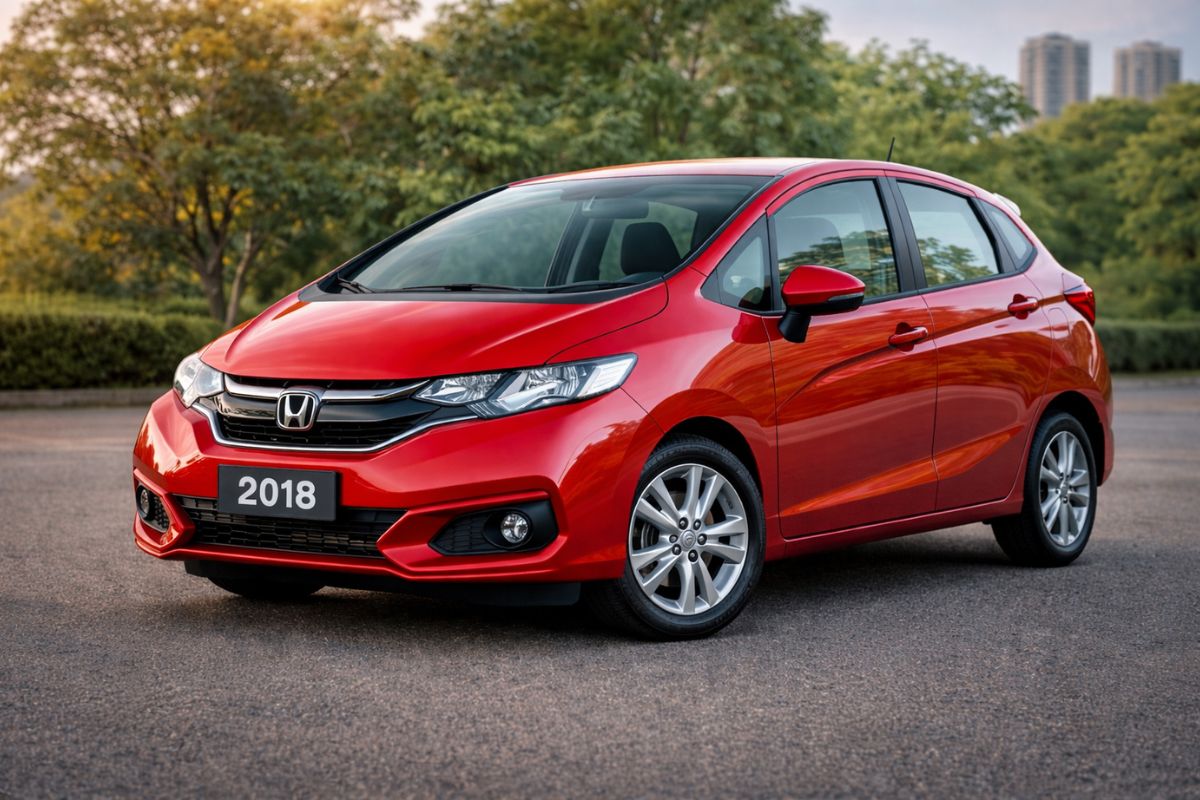
The Honda Fit has been discontinued for years, but the 2018 model is worth more today in the Fipe table than it cost brand new, proving that this used car, valued with a 1.5 i-VTEC engine and Magic Seat, only increases in price.
-
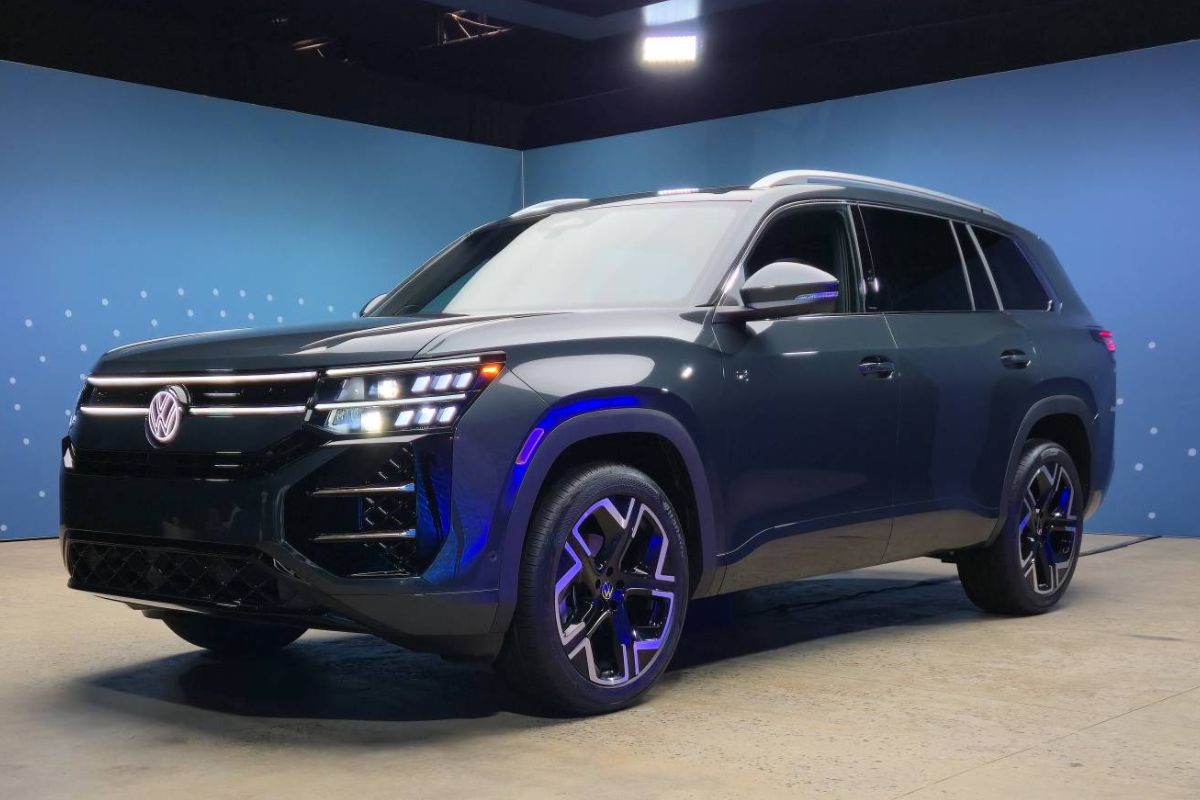
Volkswagen unveiled the 2027 Atlas with a 282-horsepower EA888 turbo engine, a 15-inch screen, massage seats, and a completely new interior to finally elevate the three-row SUV built on the MQB platform to a new level.


This makes it possible to be used in electric vehicles of all types, each in their most demanding conditions. Classic examples include driving an electric truck over valleys and peaks of mountainous regions, and the multiple starts of a passenger electric car.
The electric drive systems for these current vehicles do not cover these scenarios as effectively. Mahle’s new electric motor was developed to be particularly efficient within a specific rotation (rpm) range. This innovation complements another technology introduced by the company last year, when it presented a motor that operates much more effectively over a wide range of rpm.
Mahle’s Electric Motor Features Oil Cooling
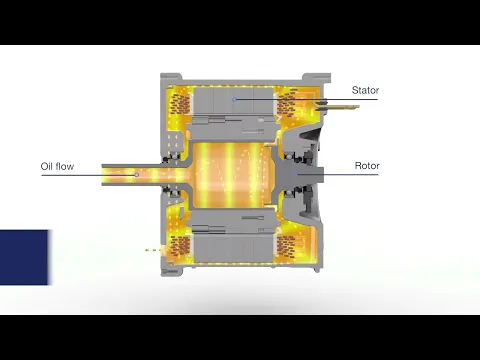
The superior performance of the electric motor was achieved due to an innovative oil cooling concept that not only makes the motor more powerful but also allows the residual heat generated to be utilized throughout the vehicle’s system.
Another gain is in the design of the drive system, which is fully compact, reducing material costs and the weight of the electric car. A lighter motor requires less material during its production, allowing batteries to also extend their range because the vehicle weighs much less, and increases the net load of commercial vehicles.
In developing the most durable motor in the world, the company opted for what is known as a permanent magnet motor, enabling the development of a much more compact motor that does not use energy transfer to the rotor as excitation current, making the electric motor much more efficient and wear-free.
To generate the motor’s magnetic field, neodymium magnets were used, currently the strongest permanent magnets produced on a large scale. However, with the company concerned about the supply of this rare earth material, the drive can also be developed without magnets by including a contactless transformer, resulting in a slightly larger motor.
Vitesco Develops Magnetless Electric Motor
In Oslo, a German company developed a drive electric motor optimized for higher ranges of electric cars in the future.
The known externally excited synchronous electric machine does not require the use of rare earth metals and is specifically designed for higher ranges and faster driving, thus future electric cars will have greater autonomy.
Instead of magnets, the presented rotor uses coils. Besides the efficiency at high speeds, this generates an advantage by avoiding the cost of permanent magnets, which have already reached their maximum of 10 years.








Seja o primeiro a reagir!