





 Portuguese
  English
  Spanish
  3 min of reading


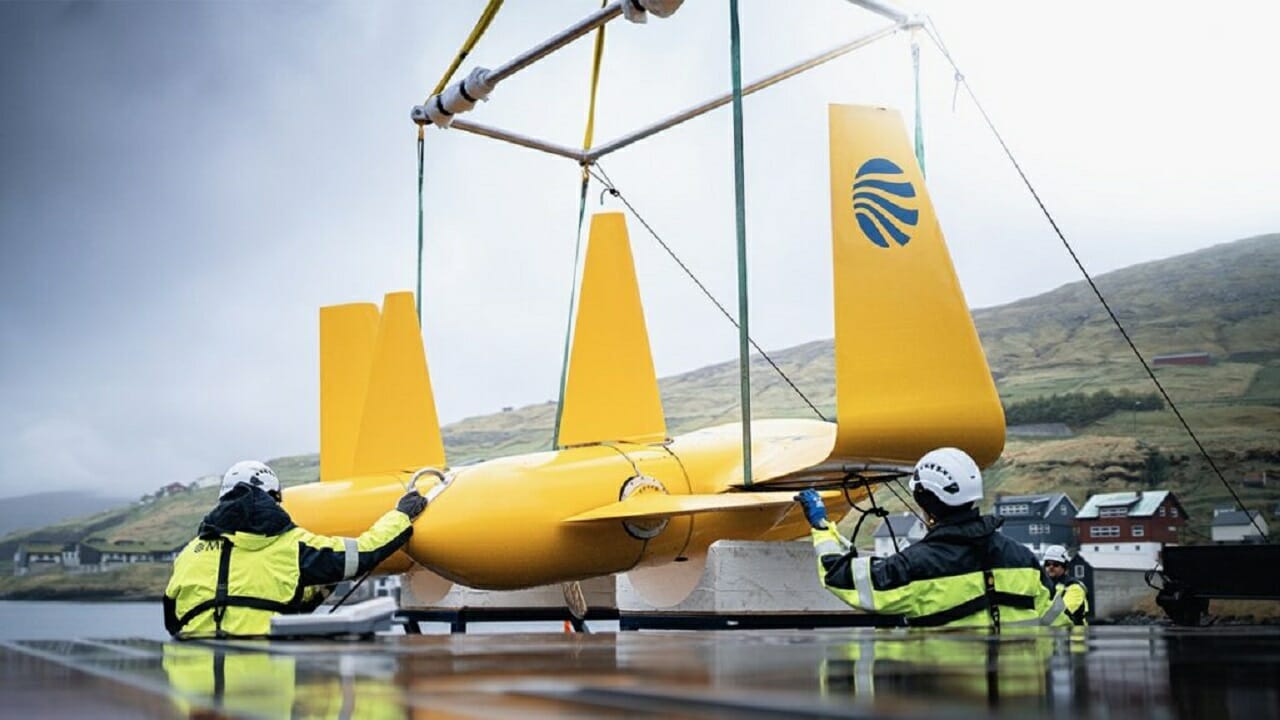
Swedish Company Develops a Type of ‘Aquatic Kite’, Capable of Generating Electricity Through Ocean Wave Energy.
The Swedish company Minesto has developed a new device called Dragon 4 that helps provide renewable energy for the Faroe Islands, an archipelago located between Iceland and Scotland. The device acts like an ‘aquatic kite’ that generates energy from tidal flows and ocean currents, that is, wave energy.
With a modular, lightweight, and scalable design, the Dragon 4 has been tested for over 10 years and has been generating energy for the power grid of the Faroe Islands since last year.
‘Aquatic Kite’ Has a Total Capacity of 120 MW
According to Minesto, the wing of the equipment uses hydrodynamic lift generated by the underwater current for the kite to move. With an onboard control system, the kite autonomously follows a predetermined figure-eight trajectory, pulling the turbine through ocean wave energy in water flow several times greater than the actual flow speed. The axle of the turbine moves the generator that produces power and sends it to the grid.
-
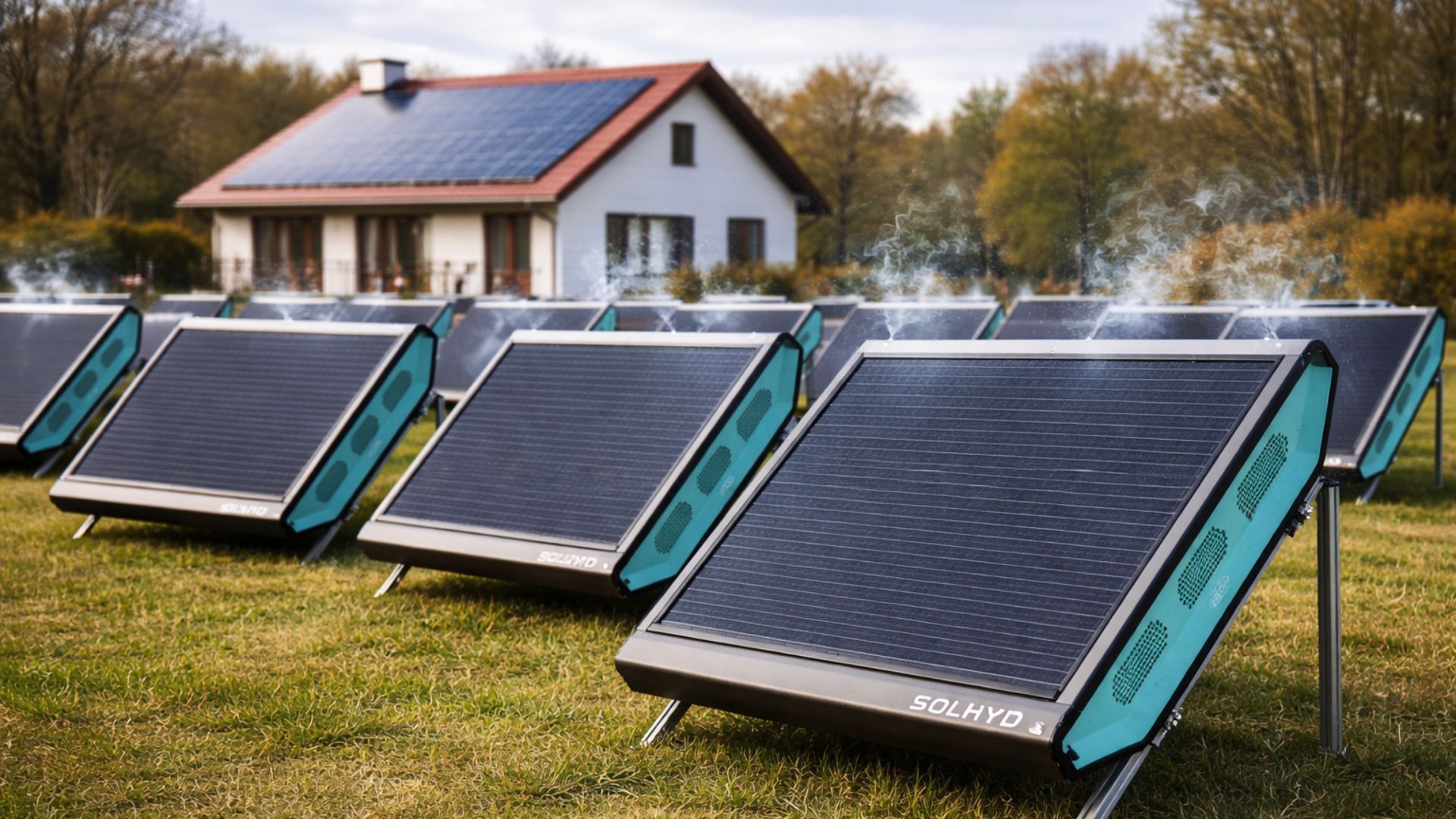
Green hydrogen at home: Belgium launches new technology that makes solar panels produce fuel from the moisture in the air, which could boost the energy transition.
-
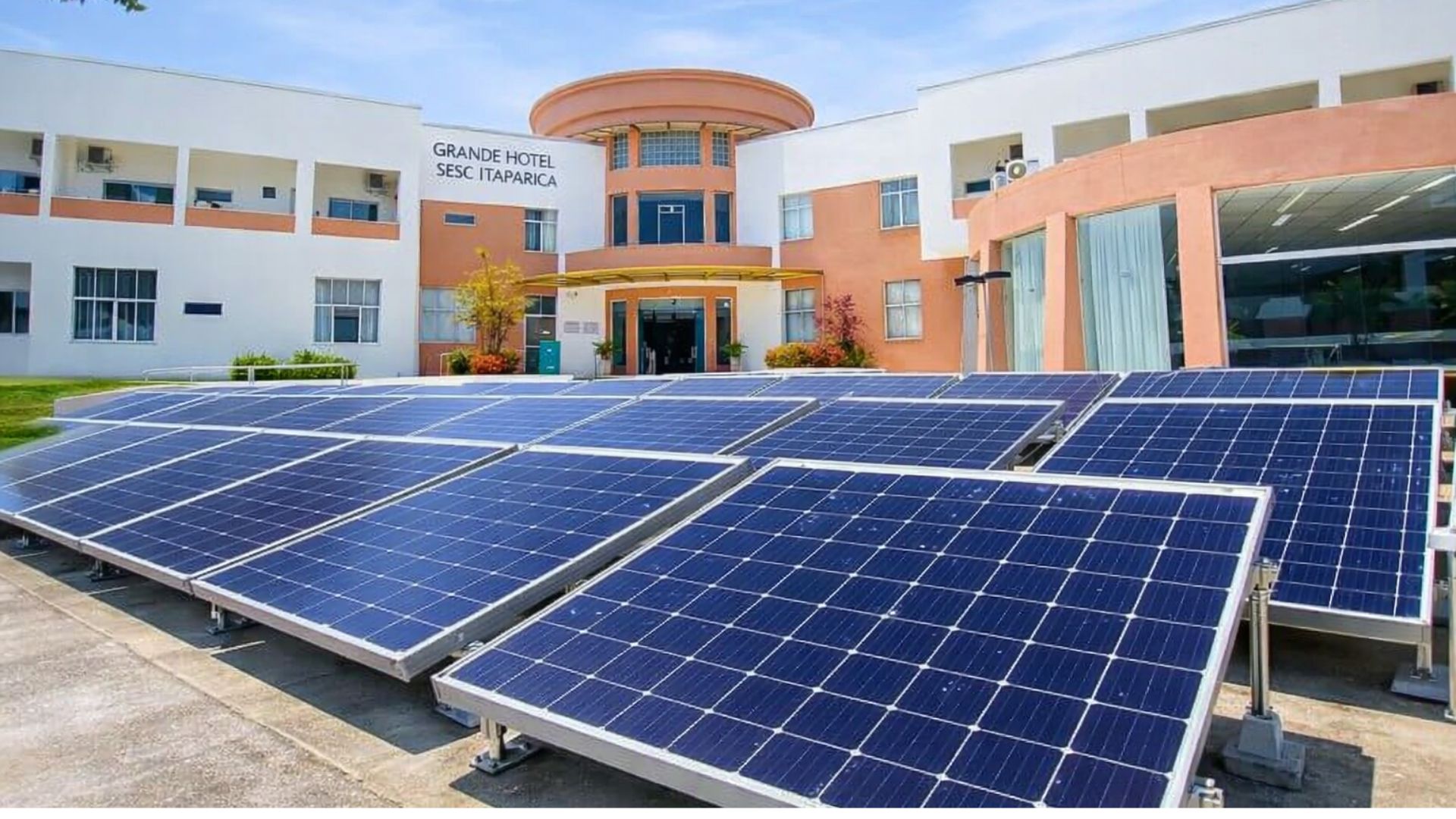
Sesc-BA bets on renewable energy with the support of EDP and drives the energy transition with a direct impact on cost reduction and the sustainability of its operations in Bahia.
-
Technology giant breaks global sustainability records: How Amazon’s leadership in renewable energy procurement transformed the global energy market in the past year.

-
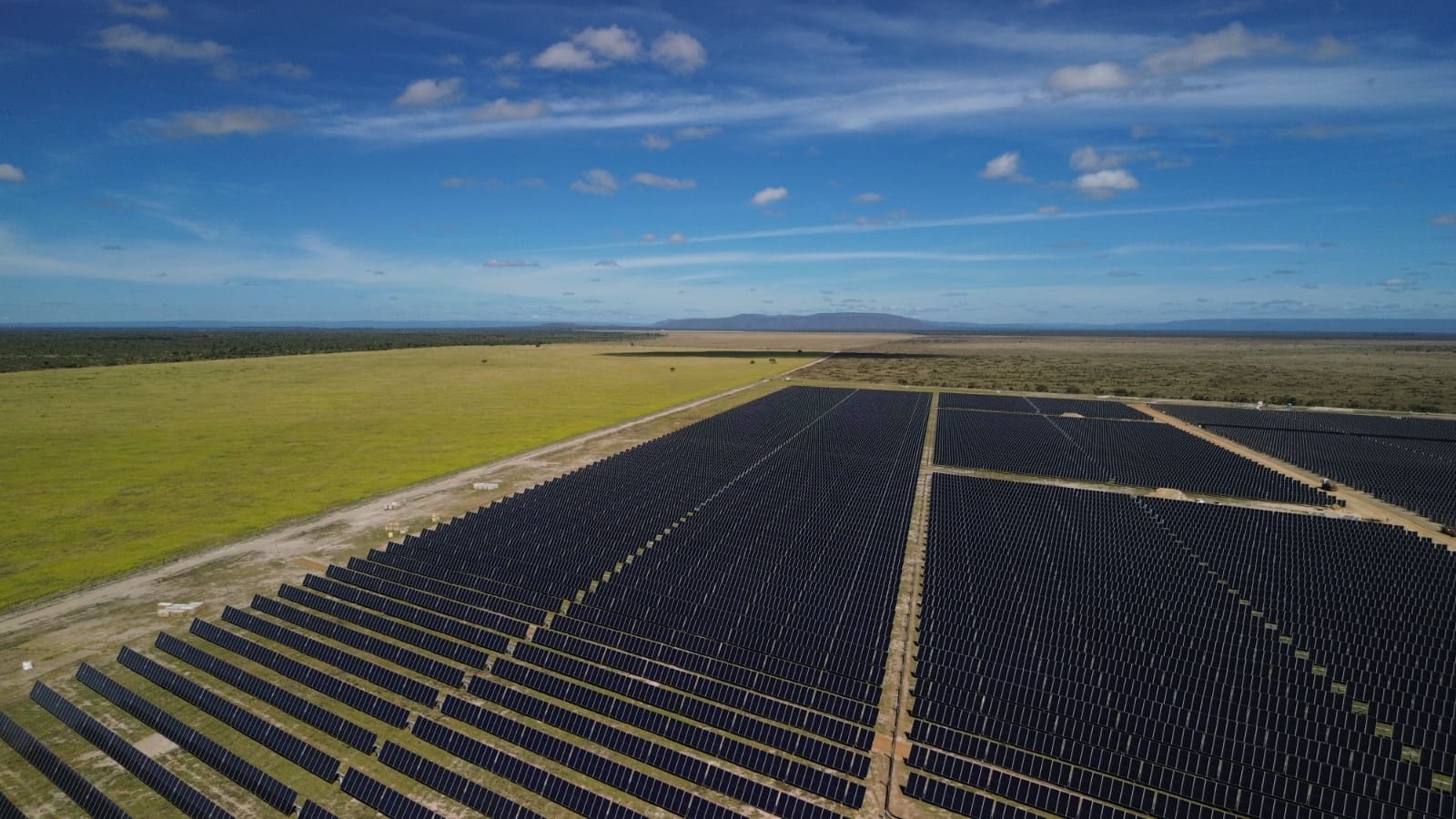
Alert in the electric sector: Atlas Renewable Energy confirms billion-dollar investment and Brazil risks losing a share of the new investment in Latin America to neighboring countries.



The small 100 kW system was installed in October of last year in the Faroe Islands and achieved record results in terms of total energy generated, energy conversion in general, and peak performance.
A second unit has already been installed, and since then the company has a detailed plan for the gradual development of turbine arrays. With a total capacity of 120 MW from ocean wave energy, generating about 350 GWh annually, the arrays would provide 40% of the growing energy consumption of the Faroe Islands.
Minesto Aims to Bring Aquatic Kite to Taiwan and the Philippines
According to Minesto, the energy generation equipment is a patented ocean technology that uses the same principle of flying a kite through wind flow. However, it is applied to tidal movement, harnessing the concentrated energy of water, which is nearly a thousand times denser than air.
The European Union aims to achieve 40 GW of ocean energy by 2050; however, the development and expansion of this technology still face high costs and significant challenges.
Minesto has already formed partnerships to bring wave energy technology to the Philippines and Taiwan, where the energy supply comes from 95% fossil fuels. The goal is to harness the inexhaustible source of renewable energy generated by tidal forces and expand access to clean energy in countries that still depend on fossil fuels.
With the benefits presented by the Dragon 4, such as scalability and the ability to generate clean energy from renewable and inexhaustible sources, the technology has the potential to help address the challenges of energy transition worldwide, assisting in the reduction of greenhouse gas emissions to ensure the ecological and economic sustainability of the regions where it is implemented.
Wave Energy Increasingly Explored
In addition to Minesto, CorPower Ocean, another company from Sweden, is creating a great solution to generate clean energy through the sea. Using wave energy, the company has created a new system that converts water movement into energy to sustainably power cities.
The solution is extremely practical in open seas, as the floating turbines can capture renewable energy more efficiently. The solution was developed by the company due to the low cost and features a converter that captures wave energy and transforms it into electricity.










Seja o primeiro a reagir!