





 Portuguese
  English
  Spanish
  10 min of reading


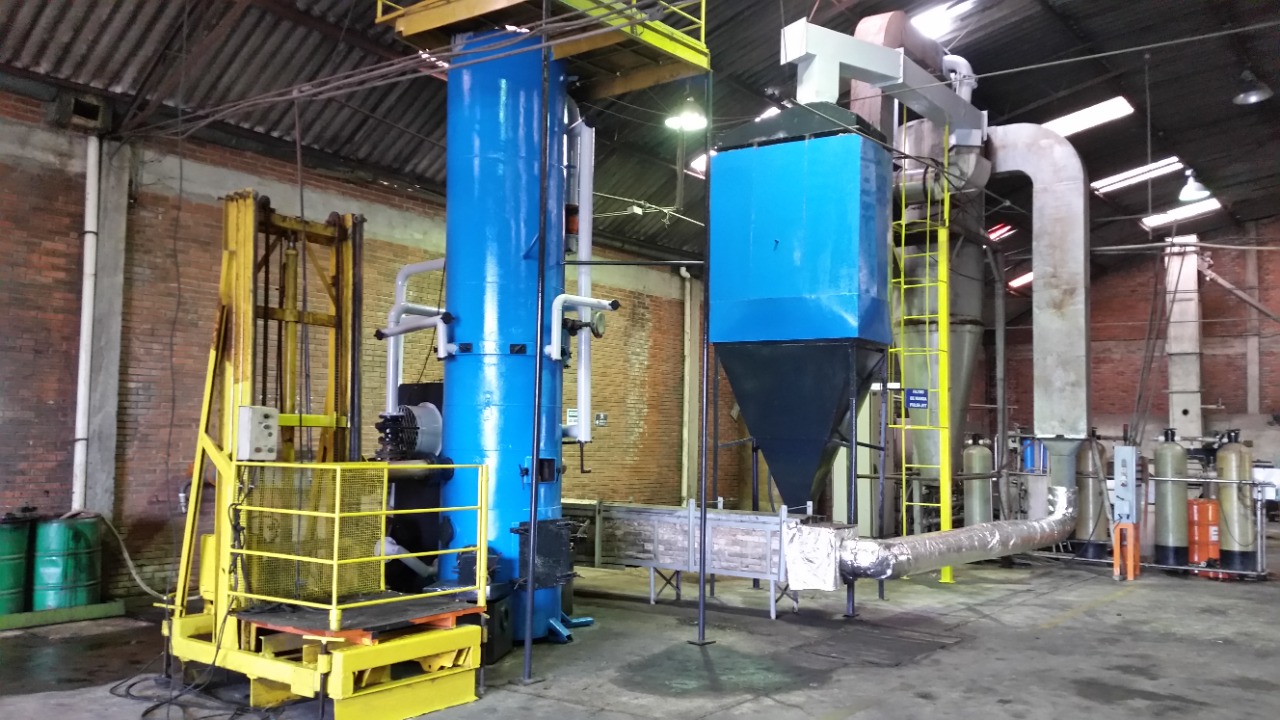
In Interview With Portal CPG, Silex Reports That It Produces Natural Gas, Hydrogen, Synthetic Oil, Coke, Among Other Products From Common And Household Waste Without Carbon Dioxide Emissions In The Process
In an exclusive video conference interview with Portal CPG, Silex’s partner-director, Luiz Gilberto Lauffer, explained how clean energy is generated from waste and the processes of extracting fuels from landfill and sanitary waste. The technology allows for energy creation without any incineration process. In other words, without thermal oxidation; with no emissions of CO2 and pollution since its manufacturing.
Other News About Brazilian Renewable Energy
- Replacing the Use of Electric Energy With Solar Energy: Check Advantages and Costs of the Renewable Source
- PHB Develops New Type of Energy Controller for Solar Power Plants With Capacity of Up to 3.3 MWca
- Construction of Statkraft’s Wind Farm Begins in June in Bahia; Complex Will Feature 163-Meter Nordex Turbines, Create Many Job Opportunities, and Supply 190,000 Houses in the Northeast
- Fuel Station Network Saves By Creating Its Own Solar Energy Network
- 1 Million Consumers Already Produce Their Own Solar Energy in Brazil, Totaling 8.6 GW of Capacity, According to Absolar
Silex – Environmental Technologies is responsible for 50 projects in various states of Brazil (from Amapá to Rio Grande do Sul). A reference in recycling waste for producing clean energy from garbage.
Video Interview – Luiz Gilberto, Partner-Director of Silex, Explains a Little About the Process
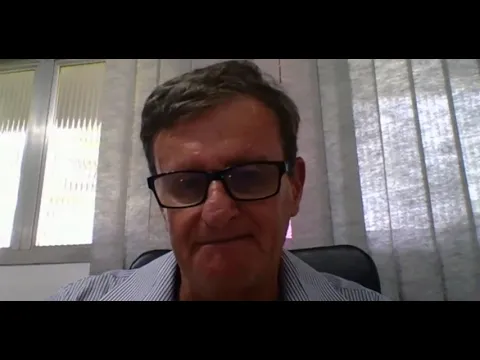

Luiz Gilberto patented the molecular reversal technique back in 1975 and is one of the experts in Brazil on pyrolysis and gasification plants. Silex has already won several awards for developing environmental projects since its foundation.
-
Renewable energy advances over protected areas in Brazil, and a survey by the Energy Transition Observatory reveals silent impacts that challenge environmental conservation and pressure sensitive traditional territories.

-
The Economist states that Brazil has a “secret weapon” against expensive oil and highlights how the country can reduce economic impacts even in international scenarios of high volatility.
-
Rio Grande do Sul accelerates energy transition: State invests in renewable technologies and consolidates decarbonization strategies and pathways to attract billions in new industrial investments.

-
With 160,000 m² of collectors, an area larger than 20 football fields, Silkeborg, in Denmark, hosts a solar thermal plant that heats 19,500 homes and could become the largest solar heating plant in the world.


Silex has been active for over 47 years in this field. Adding all the projects in implementation, the investment cost has already surpassed US$ 22 million. And now the expectation is for a new project in Cachoeira do Sul (RS), where all the common waste from the city (coming from landfills and dumps) and hospital waste will be transformed into clean energy, without generating byproducts.
The company was benefited by the Industrial Development Program (Prodic) of Cachoeira do Sul and will have permission to use 22 hectares and a building at the old sanitary landfill in the region for producing clean energy from waste. There will be R$ 17 million in investment, with a return in 18 months, according to estimates from Silex’s management.
The expectation is that the clean energy project from waste will generate 40 jobs and an annual generation of R$ 2.4 million for the municipal government in savings from waste disposal in landfills and from tax revenue, putting into practice the concept of a sustainable society.
Brazil Has Resources to Be a Leader in Creating Clean Energy, but There Is Still Much to Achieve
Brazil has natural resources that could position it as a leader in clean energy production on the planet. The sun is abundant and the winds are considered “one of the best in the world” due to geographic conditions and an immense coastal extension.
The country has reached record numbers in clean energy production, through wind and solar energy. And the projections for 2022 onwards are very optimistic, according to renewable energy industry experts.
However, regarding wind energy, for example, the offshore sector is expected to shrink by 25% in 2022, following a significant leap in 2021. And concerning clean energy from waste, Luiz Gilberto Lauffer himself points out that Brazil is still lagging behind.
“We are the most advanced company in the country in waste processing, thermal recovery, and energy efficiency. However, the PNRS (National Solid Waste Policy – Law 12305/10) has been delayed by more than ten years from its current actual implementation, and other countries have continued to advance in technology and heavy investments. Now we are concatenating the PNRS being required, federal determination to end landfills, ideal charging values for waste, valuable energy and fuel oil sales, carbon credits, and high decarbonization.”
Luiz Gilberto Lauffer – Silex Entrepreneur and Specialist in Transforming Clean Energy From Waste
Silex Dominates The Three Main Viable Technologies On The Planet Regarding The Creation Of Clean Energy From Waste That Could Have Been Discarded. They Are:
- Molecular Reversal With Gasification, aimed at generating fuel gas, hydrogen, and coke from waste or biomass.
- Molecular Extraction, aimed at producing synthetic oil similar to bunker oil, fuel gas (which generates electricity in gas turbines it produces), and coke.
- Stoichiometric Combustion of The Third Generation, focused on generating clean electrical energy with high efficiency using both the energy from gas expansion and the heat generated, replacing the obsolete incineration process, one of the main goals being not to emit dioxins and furans, which are toxic gases, in addition to generating a negative carbon footprint.
The water contained in the waste is used by breaking it down into oxygen and hydrogen, which in the fuel gas reaches over 50% white hydrogen, generating a negative carbon footprint and carbon credits. When hydrogen is burned, it becomes water again. A perfect environmental cycle. This is why it is considered the fuel of the future.
In addition to using waste as raw material, including oily bars, there are other technologies for other uses like heat, which would be lost to the atmosphere, polluting the environment.
Silex is installing electric generation plants on vessels that use the heat from the combustion gases of the generator sets or engines or turbines. It uses this heat that would be lost to the atmosphere to generate clean electrical energy, replacing the normally diesel generators. In this way, partially decarbonizing the vessel in accordance with IMA’s goals for 2030.
The clean energy generation project from waste in Cachoeira do Sul will be Distributed Generation. However, Silex aims for other projects in the Free Market.
“While the ANEEL auction (National Electric Energy Agency) from a few months ago paid R$ 162 per MWh for wind energy, it paid more than R$ 700 for urban waste sources and landfill sources. It is an excellent incentivized price,” says Lauffer.
You May Also Like:
- Market for Energy Generated From Waste Expects Federal Government to Allocate More Energy in Upcoming Auctions
- Brazil Inaugurates Unique Technological Solution for Recycling and Energy Recovery of Urban and Industrial Waste Capable of Generating Up to 2 MW of Energy per Ton of Processed Waste
- Renewable Energies on the Brazilian Horizon: Understand How Wind, Solar, and Biomass Energy Works and Its Market Here
Why Are Biomasses Potential Sources of Clean Energy?
Bioenergy is the name given to the energy derived from biomass, that is, organic matter of plant and animal origin. This type of energy can be used to produce fuels, electricity, and heat, being considered an alternative to conventional energy sources, which prevail in the global energy matrix.
Bioenergy is a clean and renewable energy source. Therefore, it represents an alternative to the global energy matrix, which is dependent on non-renewable and expensive energy sources, especially fossil fuels.
In Brazil, sugarcane bagasse is the main biomass that can be transformed into clean energy. About 48% of Brazil’s energy matrix is made up of renewable energy. Bioenergy represents 27%.
In terms of electricity generation, nearly 10% of Brazil’s energy is produced from sugarcane waste, according to the Planning and Energy Development Secretariat of the Ministry of Mines and Energy.
Biogas and biomethane, using filter cake and vinasse, which are also byproducts of sugarcane, are possible for use as biogas and biofuel.
Currently, it still holds a very small percentage in Brazil’s electric matrix. However, there is enormous potential to be harnessed, not just for generating clean electric energy but also in the transportation sector, when combined with the recycling of hospital, industrial, and urban waste.
We Talked About Clean Energy From Waste. How About Diving Deeper Into Clean Fuels Derived From Waste?
Refuse-derived fuels (RDF) are derived from materials that cannot be used in the biodigestion process, being destined for feeding industrial furnaces.
This type of waste, instead of being discarded, is shredded in specific machines, where everything that is not organic or recyclable can be repurposed.
The waste becomes fuel for these machines, creating a new value chain, stimulating the economy. Thus, the reject materials from selective collection (recycling) that would have no other purpose can become fuel.
This process encourages the reduction of fossil fuel use, which are more expensive and cause harm to our environment. The direct result is the reduction of CO2 emissions into the atmosphere.
Before becoming fuel, the waste goes through a sorting process. They are separated into urban and industrial solids considered non-hazardous.
In general, these commercial wastes consist of plastic, paper, textiles, wood, minerals, and composite packaging. Since they have a high heat production capacity, they are therefore used in the incineration of boilers for the production of cement, lime, or even used in power plants powered by alternative fuels.
After shredding, the material is screened and separated using an air classifier. Then, ferrous and non-ferrous materials must be separated with the help of optical sensors using technology.
One of the advantages of using waste-derived fuels is the possibility of reusing a material that would have no recycling purpose.
Thus, the company complies with the National Solid Waste Policy (PNRS). And the materials are completely destroyed, without generating environmental liabilities due to the high calorific power of the waste.
How Clean Energy From Waste Contributes to the Economy
Without renewable energies, it is impossible to think of a cleaner and more pleasant world to live in. In addition, all kinds of clean energy production and use boost the economy anywhere on the planet.
After all, renewable energies come from free sources. Well, nobody pays for the production of sunlight and wind. And nobody wants non-reusable waste, right?!
Over the years, companies, society, and governments have sought alternatives to reduce and reuse waste. According to the United Nations (UN), 1.4 billion tons of solid waste are produced by the seven billion inhabitants of the planet. An average of 1.2 kg of waste per day.
It is a global problem for which we must all take responsibility to do a bit to reduce the damage. Therefore, it is essential that actions are taken to minimize waste generation and increase the useful life of each material. This habit creates a whole economic chain.
In the so-called linear economy, economic growth stimulates the consumption of resources, making this model unsustainable in the long run. In the case of the circular economy, the proposal is that there are actions for reducing, reusing, recovering, and recycling materials and energy, in a constant process.
Therefore, in the case of waste that cannot be recycled, there is the possibility of processing that creates clean energy from waste.
In this way, this sustainable model presents itself as an alternative to give a new cycle to the repurposed material, helping to preserve the environment while also stimulating the economy.
For there to be higher indices regarding the use of fuel derived from waste here in Brazil, it is important that there are more debates about waste reuse, the creation of laws and regulations governing this issue, along with the stimulation of the sector.
How Can Civil Society Contribute to Private Initiatives for a More Sustainable Brazil?
A topic that unifies all countries is climate emergency. The discussions of proposals about what to do to reduce environmental damage involve political leadership from each nation.
But beyond the debate, there is still much that civil society and the private sector can do to effectively help the planet, with different fronts, and cleantechs, clean technology startups, bring together some essential activities.
Understand better the initiatives that can help Brazil become a more sustainable and pleasant society to live in.
Reverse Logistics and Circular Economy
Reverse logistics means considering the entire journey of the products and packaging used by the business, from collection to reintegration into the production chain.
It can be through recycling, treatment, reconditioning, and energy recovery, such as producing clean energy from common or even hospital waste, as discussed above through the work of the company Silex.
Smart Cities and Water Collection Monitoring
According to Stattus4, a company specialized in collecting and understanding data on natural resources, Brazil loses about 38% of the water it collects from sources during its distribution.
If 20% of these losses were saved, there would be enough water to supply the 35 million Brazilians who currently do not have access to potable water.
Reusing Used Machines in Industry
The industrial sector in Brazil is one of the top waste generators. There are various types of waste, from chemicals to the disposal of machinery, even if still functioning.
“The Central de Materiais is a platform that works with the complete and traceable journey of buying and selling used machinery, seeking the best destination and generating a balance between both environmental impact and economic impact,” says Marcio Leo Danielewicz, CEO and founder of the startup in an interview with Exame portal.
Reusing industrial machines reduces waste production and provides more attractive prices for new productive centers. The company monitors the reduction of environmental impact. In the last four years, over 50,000 tons of CO2 have been reduced and more than 30,000 tons of iron ore extracted.










-

Uma pessoa reagiu a isso.