





 Portuguese
  English
  Spanish
  3 min of reading
  0 comments


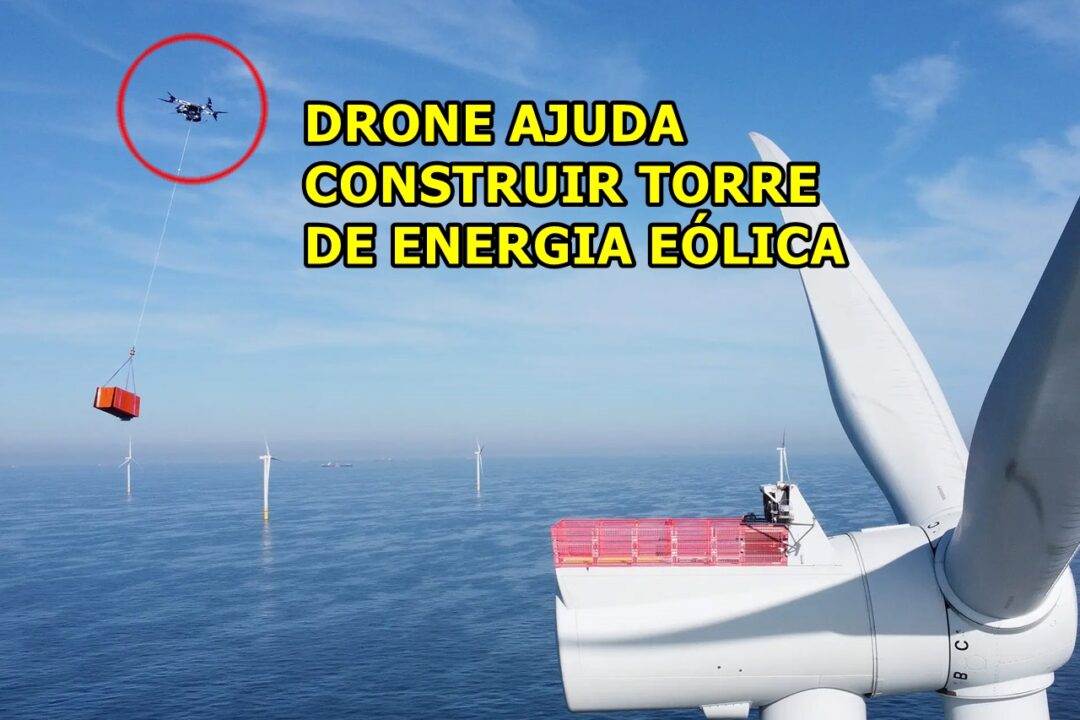
Revolution In The Energy Sector: How Heavy-Lift Drones Are Transforming Offshore Wind Energy, Saving Time And Reducing Costs
The Dutch company Ørsted has become the first offshore wind energy company to use giant autonomous drones to transport heavy loads to the turbines. These drones, with a wingspan of 2.6 meters and a payload capacity of up to 100 kg, represent an innovation in the sector, bringing time savings and reducing operational costs.
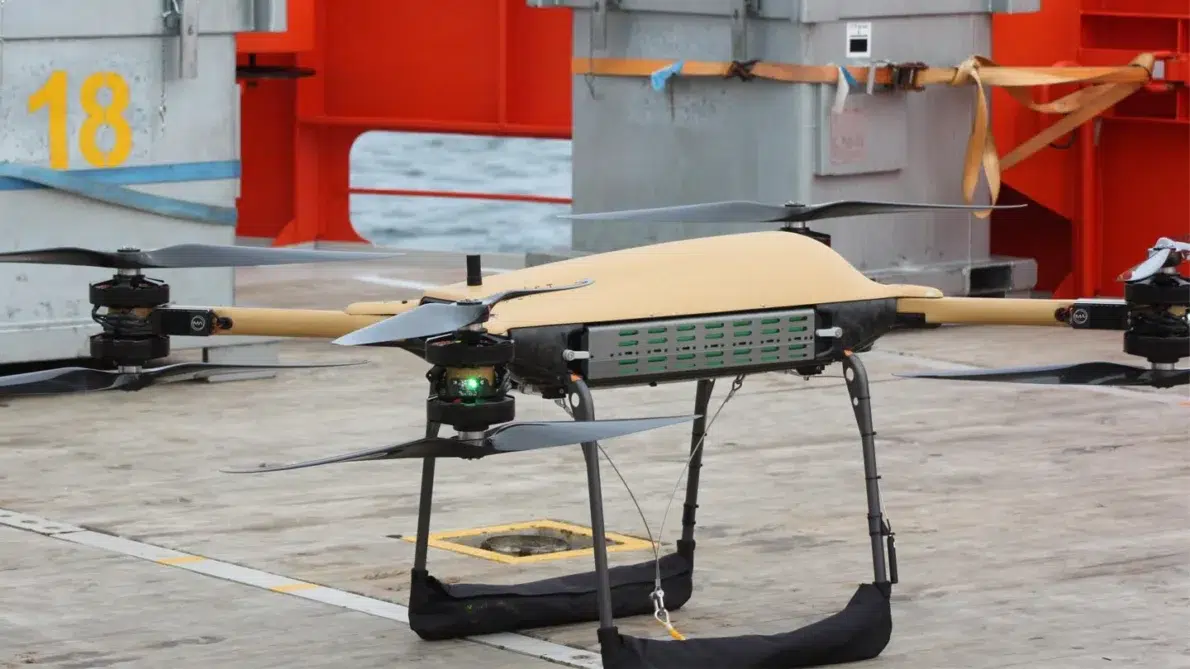
The Use Of Drones In Offshore Wind Energy
Traditionally, the transport of equipment and spare parts to offshore wind turbines was carried out by vessels, a costly and time-consuming process. Technicians had to navigate from one turbine to another, using cranes to hoist parts to the top of the turbines, often resulting in maintenance delays and increased operational costs.
With the introduction of heavy-lift drones, the company is transforming this logistics. These drones are being used in the Hornsea 1 Offshore Wind Farm, in the United Kingdom, to transport spare parts and tools directly from Service Operation Vessels (SOVs) and Crew Transfer Vessels (CTVs) to the turbines.
-
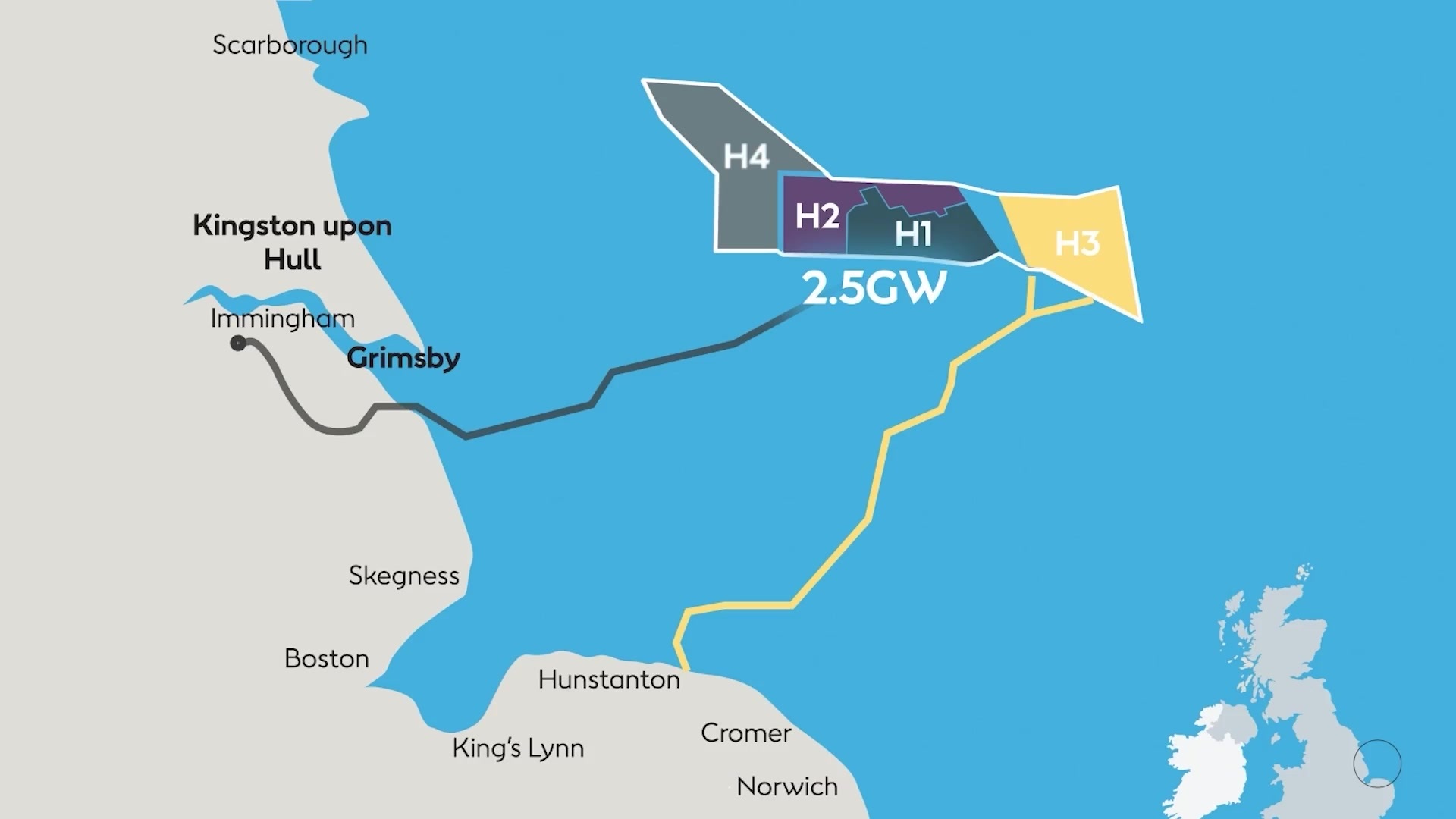
231 turbines of 260 meters at 160 km from the coast, monopiles weighing as much as nine blue whales embedded in the North Sea, and a crane ship taller than the Eiffel Tower: Hornsea 3 will be the largest offshore wind farm on the planet by 2027, and its first components have already arrived in England.
-
International Certification Puts Senai Norte on the Renewable Energy Map and Expands Access to Essential Training for Qualified Wind Power Professionals
-
The Winds of the Northeast Are in Foreign Hands: Nearly 70% of the Region’s Wind Farms Are Owned by International Companies, with France, China, and Italy Leading Investments in Wind Energy in Brazil
-
Echoenergia’s Wind Farms Receive Diamond and Platinum Seals and Boost Carbon Credits with Projects that Prevent Large Volumes of Annual Emissions
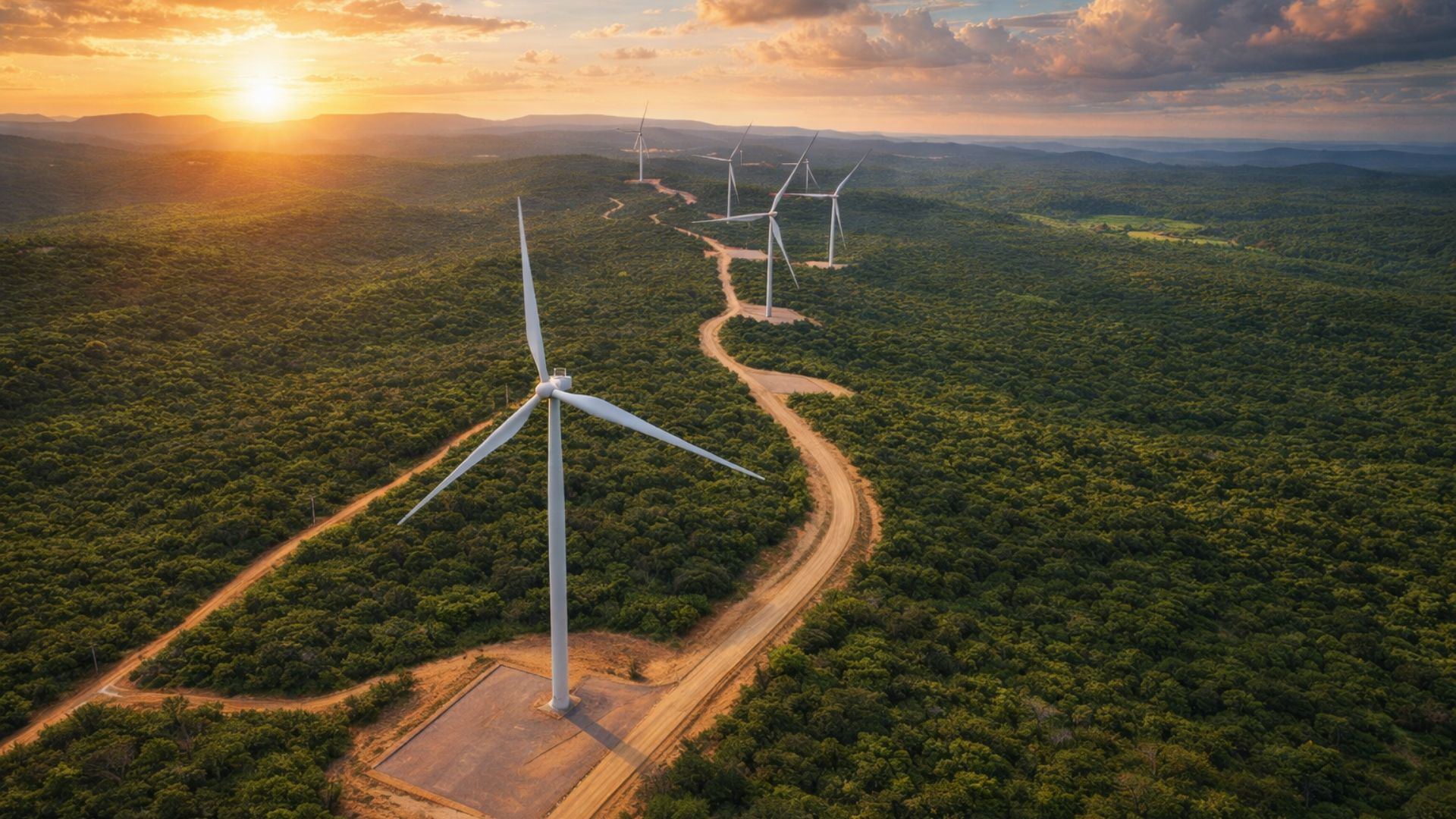

This process, which previously could take up to 30 minutes, is now done in a fraction of that time, eliminating the need for crane operations and reducing turbine downtime.
Benefits Of Using Drones In Offshore Wind Energy
Cost Reduction And Increased Efficiency: The use of drones for cargo transport in offshore wind farms leads to significant reductions in operational costs.
By eliminating the need for vessels and cranes to transport parts, the company can allocate more time and resources to turbine maintenance, ensuring greater energy production. Moreover, the quick delivery of spare parts minimizes turbine downtime, increasing the availability and operational efficiency of the wind farm.
Reduced Environmental Impact: One of the main challenges for offshore wind farms is the transportation of parts and equipment to the turbines, which traditionally involves the use of vessels that emit large amounts of carbon.
Drones, on the other hand, offer a more eco-friendly solution, reducing the need for boat trips and therefore the carbon emissions. By streamlining maintenance and repairs, drones also contribute to the continuous production of green energy, aligning with Ørsted’s mission to achieve net-zero emissions by 2040.
Enhanced Safety And Operation: Operations in offshore environments pose significant risks to personnel, especially during maintenance tasks that involve cranes and vessels. With drones, these tasks are performed more safely, minimizing technicians’ exposure to risks.
Additionally, the ability to deliver parts directly to the top of the turbines without interrupting their operation improves efficiency and reduces the need for shutdowns, which is crucial for the continuity of energy generation.
The Future Of Drones In Offshore Wind Energy
Many companies see a promising future for the application of drones in offshore wind energy. This technology will be essential in accelerating the transition to a low-carbon economy, making operations more efficient, safe, and sustainable.
The use of heavy-lift drones is set to play a central role in the expansion of wind energy and realizing its vision of a world powered entirely by green energy.
The introduction of these heavy-lift drones marks a significant advancement in how offshore wind energy is managed, demonstrating that technological innovation can be key to addressing the environmental and operational challenges of the sector.






Seja o primeiro a reagir!