





 Portuguese
  English
  Spanish
  3 min of reading
  1 comment




Under The Brazilian Traffic Code, The Owner Of The Vehicle Is Held Responsible For Violations Committed By The Driver. If The Person Is Without A License Or With The CNH Suspended, The Fine Can Be Criminal. STJ Reinforces Jurisprudence.
Loaning the car to family, friends, or coworkers is a common habit in Brazil, but few drivers are aware that this gesture can bring serious legal consequences — and even constitute a crime, depending on the situation. In March 2025, the discussion returned to the spotlight after the Superior Court of Justice (STJ) reaffirmed its jurisprudence on the subject, highlighting that the owner can be criminally liable even without direct involvement in a traffic fine.
According to Article 310 of the Brazilian Traffic Code, allowing someone unqualified or in an irregular condition to drive your vehicle is considered a traffic crime, with penalties that can reach up to one year of detention. STJ’s summary 575 makes it clear that an accident or injury is not necessary to constitute the crime — the simple act of letting someone who cannot drive take the wheel is sufficient for liability.
Fines And Points Still Fall On The Car Owner In Several Cases
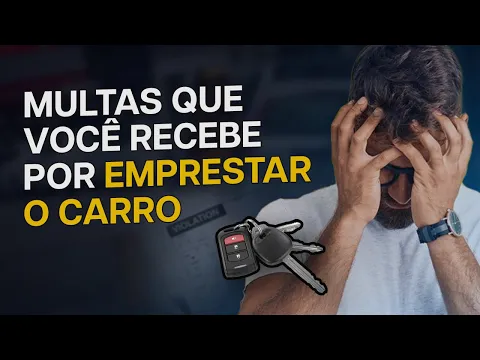

Even in situations where the driver is qualified, the vehicle owner may end up bearing the consequences of the violations committed. According to the JusBrasil Portal, when the driver is not identified, the fines are automatically directed to the owner of the car, who may also have to deal with the loss of points on their license if they do not indicate the actual offender within the legal deadline.
-
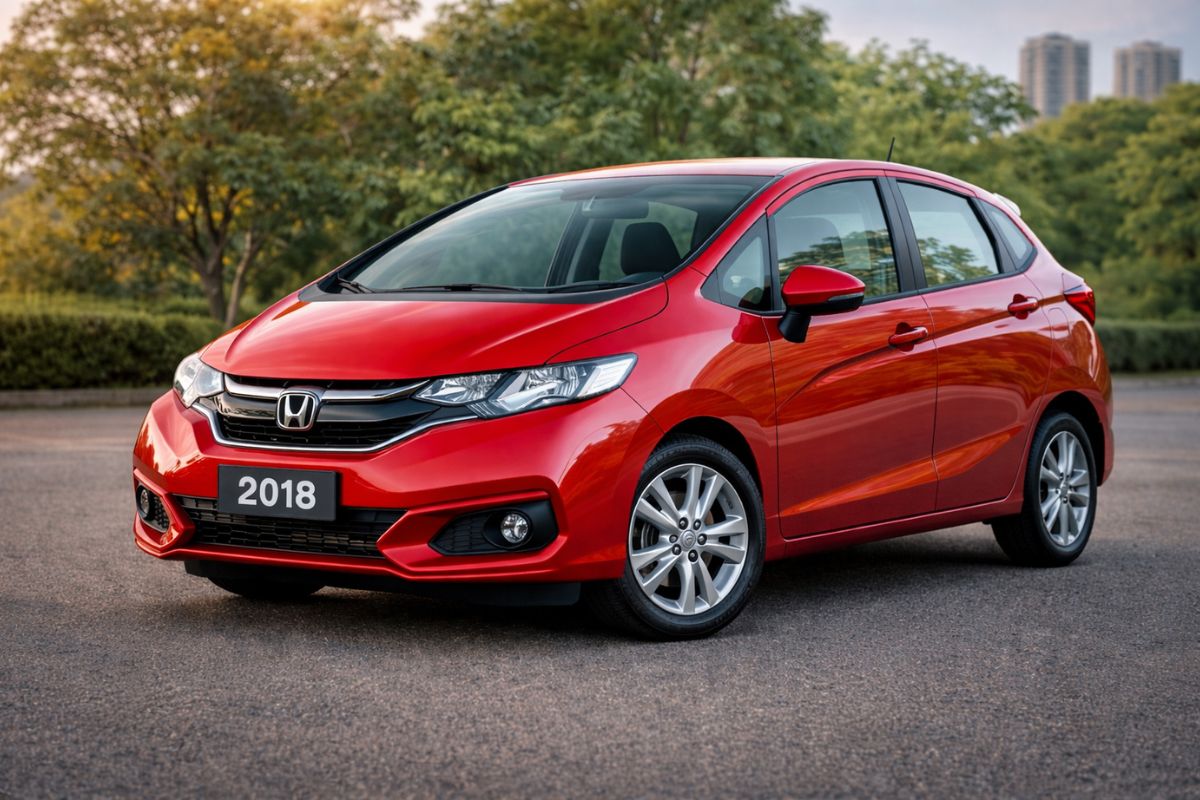
The Honda Fit has been discontinued for years, but the 2018 model is worth more today in the Fipe table than it cost brand new, proving that this used car, valued with a 1.5 i-VTEC engine and Magic Seat, only increases in price.
-
Volkswagen unveiled the 2027 Atlas with a 282-horsepower EA888 turbo engine, a 15-inch screen, massage seats, and a completely new interior to finally elevate the three-row SUV built on the MQB platform to a new level.

-
IPTU exemption for seniors in 2026: see how to secure the benefit.

-
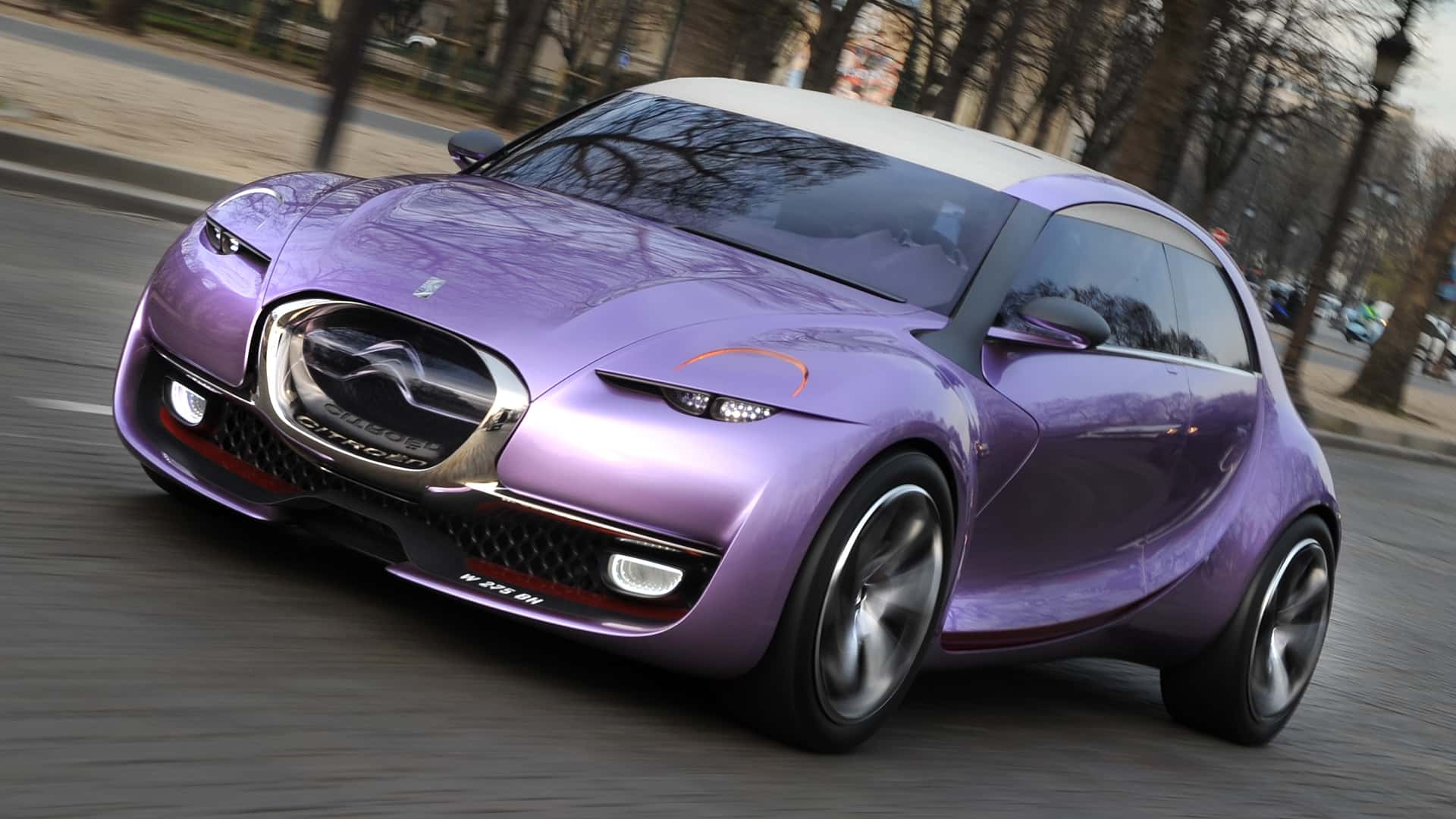
After decades out of the spotlight, Citroën is preparing to bring back the legendary 2CV as a low-cost electric vehicle, betting on the revival of one of the most popular cars in history and aiming to enter the race for affordable compact cars.

Another important point mentioned by Smartia is that many people forget to update their information with DETRAN, which complicates the receipt of notifications. As a result, the owner only learns about the violation after the defense deadlines have expired, leaving only the payment of the fine and the compromise of their points.
According to Doutor Multas (a column on UOL), there are also cases where the vehicle may be seized at a checkpoint if it is being driven by someone with expired documentation or under the influence — even if the owner is absent.
Crime Occurs When Lending Vehicle To A Person Without A License Or With CNH Suspended
The most serious criminal implications involve handing over the car to drivers without a driver’s license (CNH), with their document suspended, revoked, or who are not in appropriate physical or mental conditions to drive. Article 310 of the CTB provides for a penalty of six months to one year of detention, or a fine, for the owner committing this type of offense.
According to a report from the Traffic Portal, the simple act of lending the car under these conditions already constitutes a crime, regardless of whether there is an accident. In November 2023, the STJ reaffirmed this interpretation by upholding the conviction of a driver who had lent the car to his unlicensed nephew, even without any damages or injuries.
Summary 575 of the STJ, cited by several legal experts, is clear: “It constitutes a traffic crime to hand over the driving of a motor vehicle to a person unqualified, with their license revoked or with the right to drive suspended, even if there is no concrete danger of harm.”









very interesting)