





 English
  Francês
  Alemão
  Italiano
  Japonês
  Norueguês
  Portuguese
  Spanish
  3 min of reading


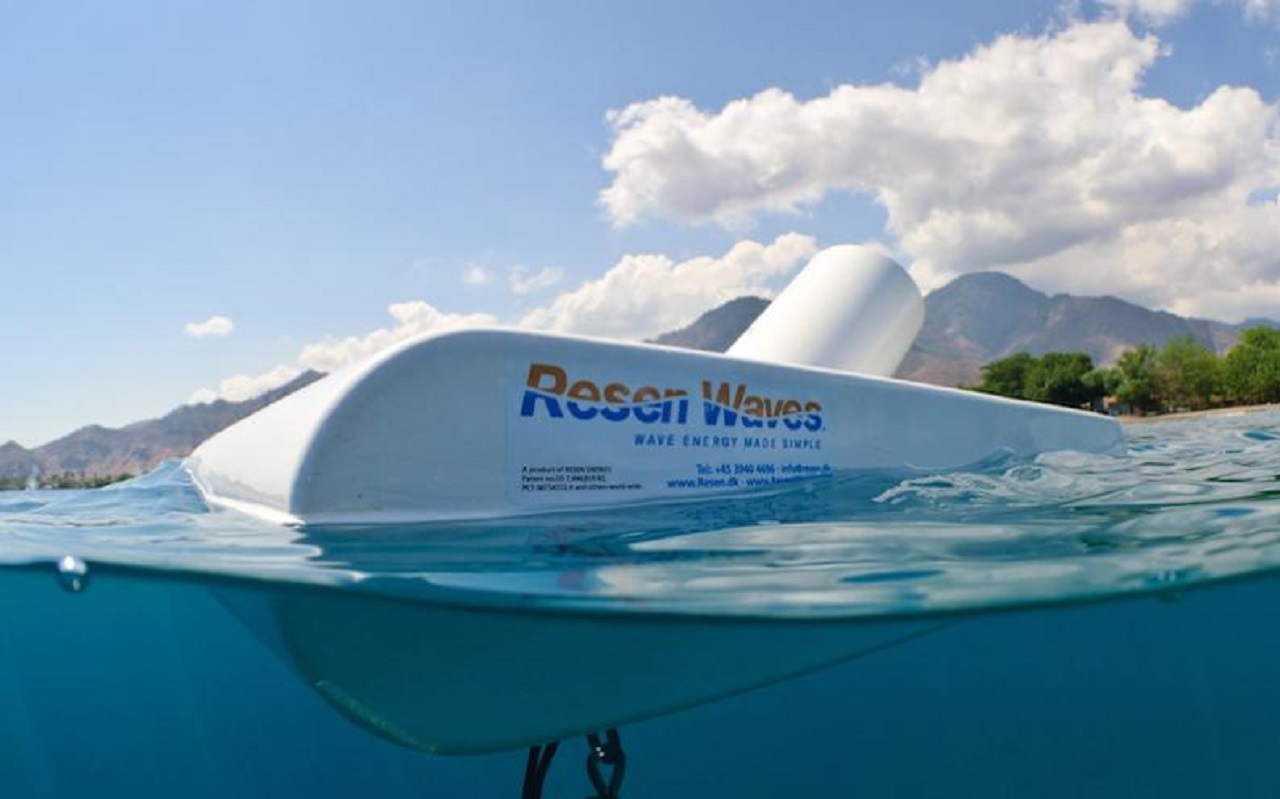
Partnership With Danish Company May Bring Tidal Energy to Brazil’s Renewables. Check Out the Details.
Brazil, being a country with continental dimensions and having the oil and gas sector as one of its main sources of foreign exchange, has the opportunity to explore its territory by investing in the generation of electricity through more renewable ways, such as tidal energy. Thus, Ulstein Belga Marine, an innovation center of the Norwegian shipbuilder in Brazil, is betting on a partnership with the Danish developer Resen Waves for the sharing of smart technologies to explore Brazilian industries in this area. Therefore, we detail how wave energy generation works and more about this promising partnership, announced this week (22) on social media.
Table of Contents
- About the Partnership With Resen Waves
- How Tidal Energy Generation Works
- The Operation of Tidal Energy Generation Sites
- Advantages of Investing in This Type of Energy
About the Partnership With Resen Waves
The partnership with the Danish developer Resen Waves aims to commercialize technology for various sectors, from oil and gas to carbon capture and storage (CCS), desalination, and ocean monitoring. Learn a little more about the technology in the video below (turn on automatic captions):
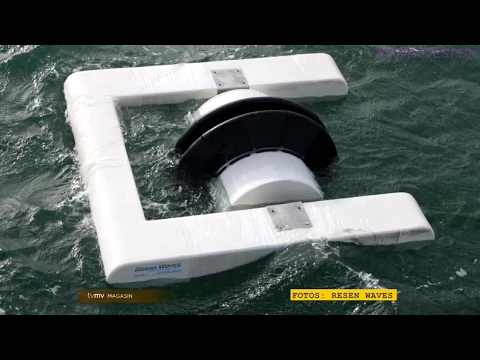

“The wave energy from the ocean is not a closely explored field in Brazil, but considering the size of the Brazilian coast and its maritime area, the potential for generating wave energy here is undeniable. With this new partnership, UBM helps bring another sustainable solution to the market and for the energy transition that is already happening in Brazil. For the oil and gas industry, the benefits of the technology provided by Resen Waves are numerous and will certainly innovate operations at sea,” said Alexandre de Carvalho, business development manager at Ulstein Belga Marine.
-
Rio Grande do Sul accelerates energy transition: State invests in renewable technologies and consolidates decarbonization strategies and pathways to attract billions in new industrial investments.

-
With 160,000 m² of collectors, an area larger than 20 football fields, Silkeborg, in Denmark, hosts a solar thermal plant that heats 19,500 homes and could become the largest solar heating plant in the world.

-
A study reveals the expansion of renewable energy procurement in Brazil and shows how companies are taking advantage of opportunities to reduce expenses, ensure energy efficiency, and strengthen strategic environmental commitments.

-
Mato Grosso do Sul excels in the sugar-energy sector: the state reaches a milestone of 22 operating mills and accelerates the production of clean energy in MS with a focus on sustainability.


How Tidal Energy Generation Works
We have already understood how promising this partnership can be. Now, how about understanding how the generation of wave energy actually works, a clean and renewable way?
The movement of the waves, connected to an air chamber, causes the air inside to escape. This movement makes a turbine spin. The mechanical energy from the turbine is transformed into electrical energy through a generator. At the moment the wave breaks and the water recedes, the air moves in the opposite direction, reactivating the turbine. This is just one of the existing ways to generate clean and renewable energy, which can be a promising alternative given the entire stretch of the Brazilian coast.
Check out the video below showcasing the first wave power plant in Latin America generating electricity, located at the Port of Pecém in the Brazilian state of Ceará:

The Operation of Tidal Energy Generation Sites
Another possible source of generating clean and renewable electricity is through tidal energy, that is, from the movement of seawater. For this transformation, some dikes are constructed that enclose a beach. With the flooding of the tide, seawater enters and is stored within the dikes. When the tide lowers, the water exits through the dike, as in any other type of dam.
However, for this system to effectively work, strong tides and currents are necessary. There must be a considerable increase in the water level of at least 5.5 meters from low tide to high tide.
Advantages of Investing in This Type of Energy
Below, we list some considerable advantages of investing in this type of energy, check it out:
- Renewable and inexhaustible energy source;
- Environmentally friendly;
- Various ways to harness wave energy;
- Easy to predict;
- Reduces dependence on fossil fuels, especially oil and gas;
- Does not cause damage to the earth’s surface;
- Low maintenance and operating costs.
Did you like the content or do you have questions about the topic? Contact us!







Seja o primeiro a reagir!