






 Portuguese
  Spanish



Zero Carbon Emissions by 2050 Is the Goal – Which Requires Billions in Investments in Technology – for the World in the Coming Decades
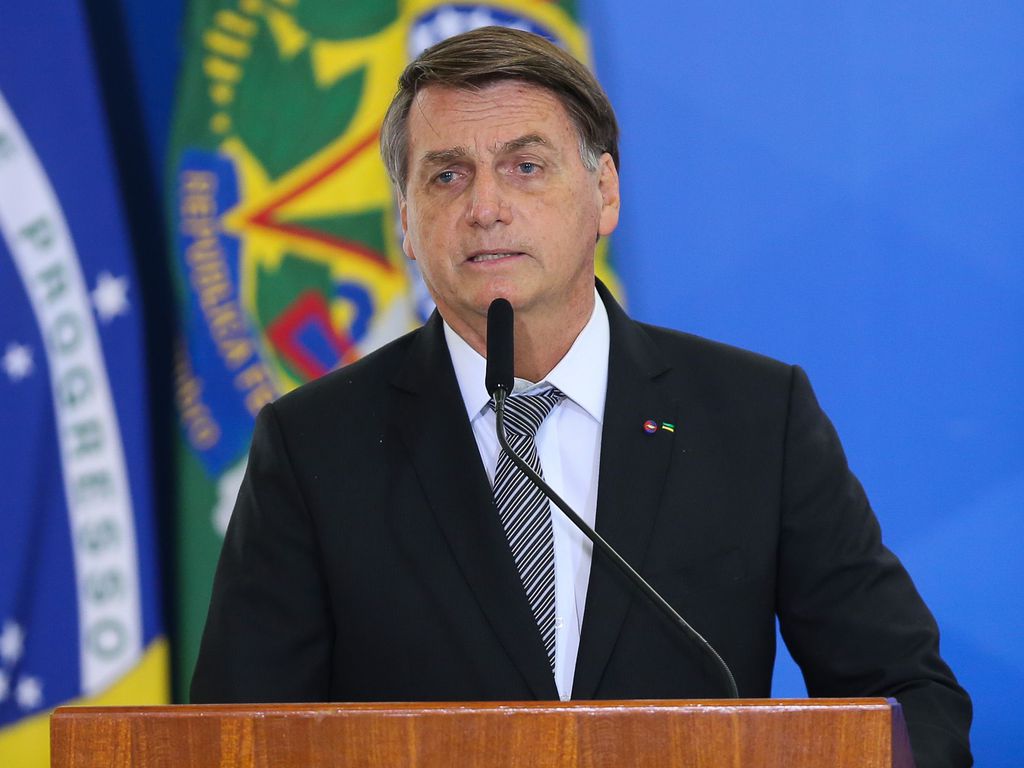
The Climate Summit started yesterday, with President Jair Bolsonaro’s presence being one of the most anticipated at the meeting. The summit was created as a way to place the United States back at the forefront, in a bid to curb climate change and achieve zero carbon emissions. The International Energy Agency (IEA) viewed the projections from countries as an opportunity for energy investments to triple, generating millions of jobs in the sector worldwide.
The International Energy Agency (IEA) emphasized that to meet the goal of zero carbon emissions by 2050, energy investment will need to at least triple over the next decade. In a speech at the climate summit, Fatih Birol, director of the International Energy Agency, noted that the investments will create millions of new jobs, which is a positive long-term outlook.
“We will need to completely transform our energy system. This will create millions of new jobs and establish the industries of the future“, emphasized the agency’s director.
-
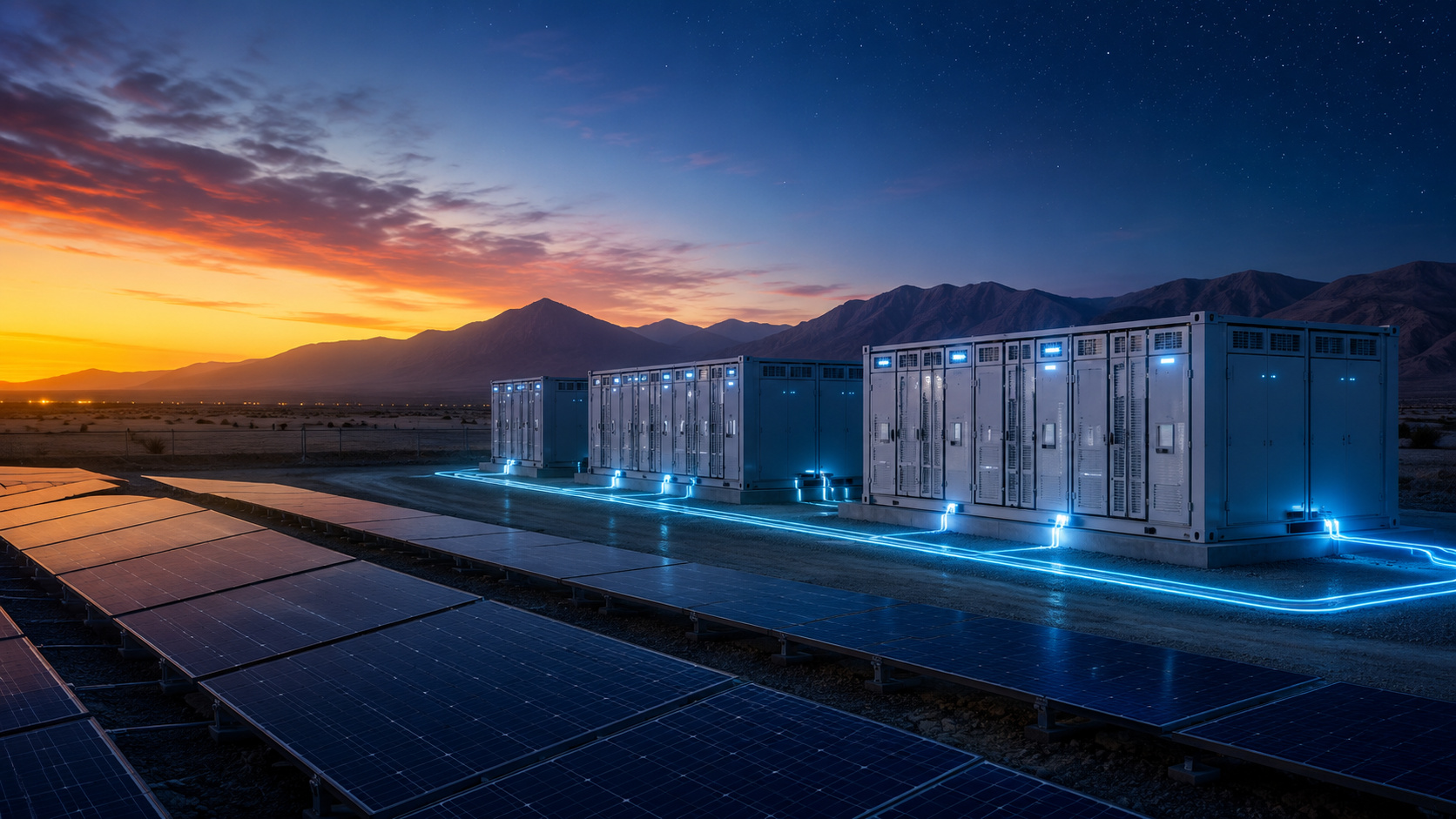
Giant Batteries Take Center Stage in Chile Auction as Company Offers 960 GWh of Solar Energy for Nighttime Use, Aiming to Stabilize Solar Power Supply

-
After a Year of Success in Switzerland, Solar Railway Attracts Italy’s Interest for Clean Energy Transformation
-
Robots Clean Solar Panels in Desert Power Plants Without Water, Preventing Energy Losses
-
Brazil’s Offshore Wind Energy Potential Worth $1 Trillion Stalled by Long-Delayed Agreement




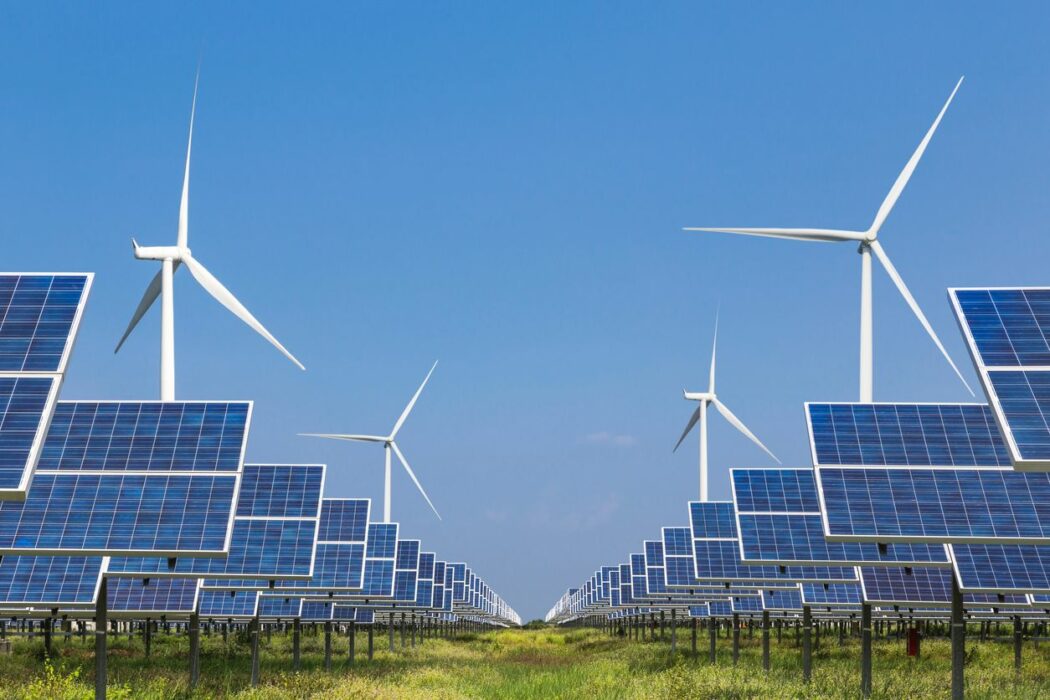
The director highlighted that the zero carbon goals by 2050 will use a technology that is not yet ready for commercial use. Thus, countries will need to invest millions in new technologies and innovations in the field of clean energy.
Under Pressure, Jair Bolsonaro Gives Speech Promising Actions Against CO2 Emissions
The Brazilian Government delivered a speech at the climate summit, where Bolsonaro took a more conciliatory tone, moving away from his earlier rhetoric. His goals are also ambitious; however, they require the international support of first-world countries to be achieved, noted the Ministry of the Environment. Despite being one of the most populous countries in the world, only 3% of global carbon emissions come from Brazil. China, with 30%, is the major leader. The U.S. follows closely behind, with 15%. The significance of collective action to reach the goal is evident.


