





 Portuguese
  English
  Spanish
  3 min of reading
  1 comment


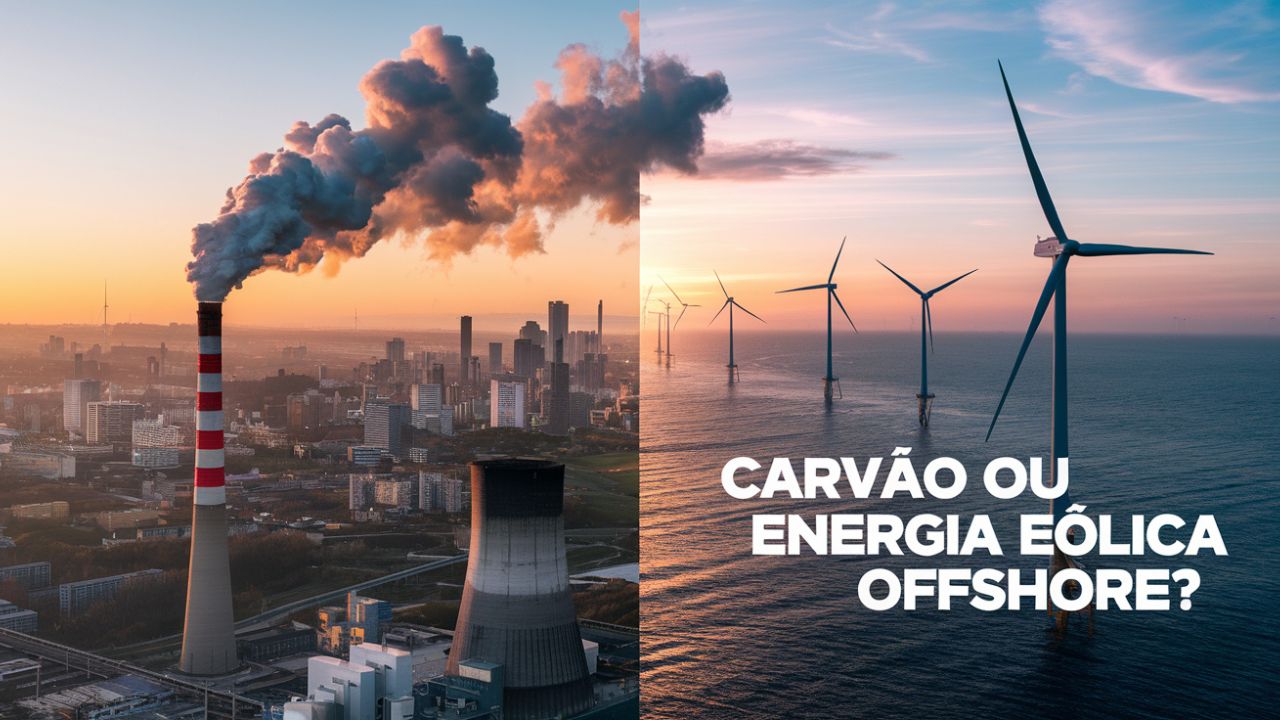


Approved by the Senate, the bill that promises to regulate offshore energy includes incentives for coal, one of the most polluting fuels, and could generate a tax waiver of up to R$ 1 trillion, directly impacting consumers and the energy transition in Brazil.
Brazil has taken an important step in regulating offshore electricity, but not without generating controversy. The Regulatory Framework for Offshore Energy Exploration, recently approved by the Senate, brings measures to expand renewable energy generation. However, the inclusion of incentives for coal, one of the most polluting fossil fuels, has caused discomfort among experts and parliamentarians.
With an estimated cost of R$ 595 billion in tax waivers by 2050, this decision calls into question Brazil’s commitment to the energy transition. After all, are we looking to the future or insisting on outdated practices?
The Regulatory Framework for Offshore Energy
Offshore electricity refers to energy generation from sources such as wind and solar offshore. This technology is promising for countries with vast coastlines, like Brazil, which has one of the largest renewable energy matrices in the world.
-
Oil surged to $115 a barrel due to the war in the Middle East, and diesel in Brazil has already risen to R$ 7.45 per liter, while the United States…

-
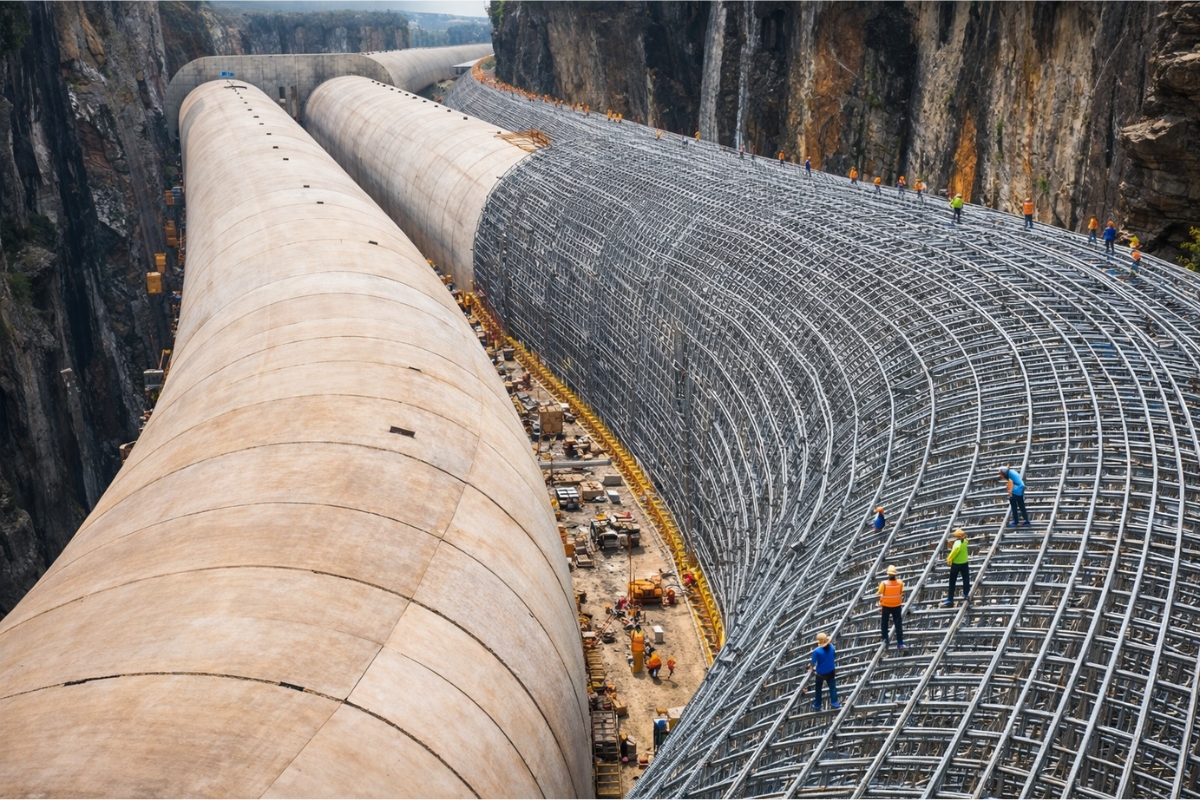
Switzerland invested over $2.3 billion and bet on water, altitude, and solid rock to create a battery in the Alps capable of powering more than 1 million homes.
-
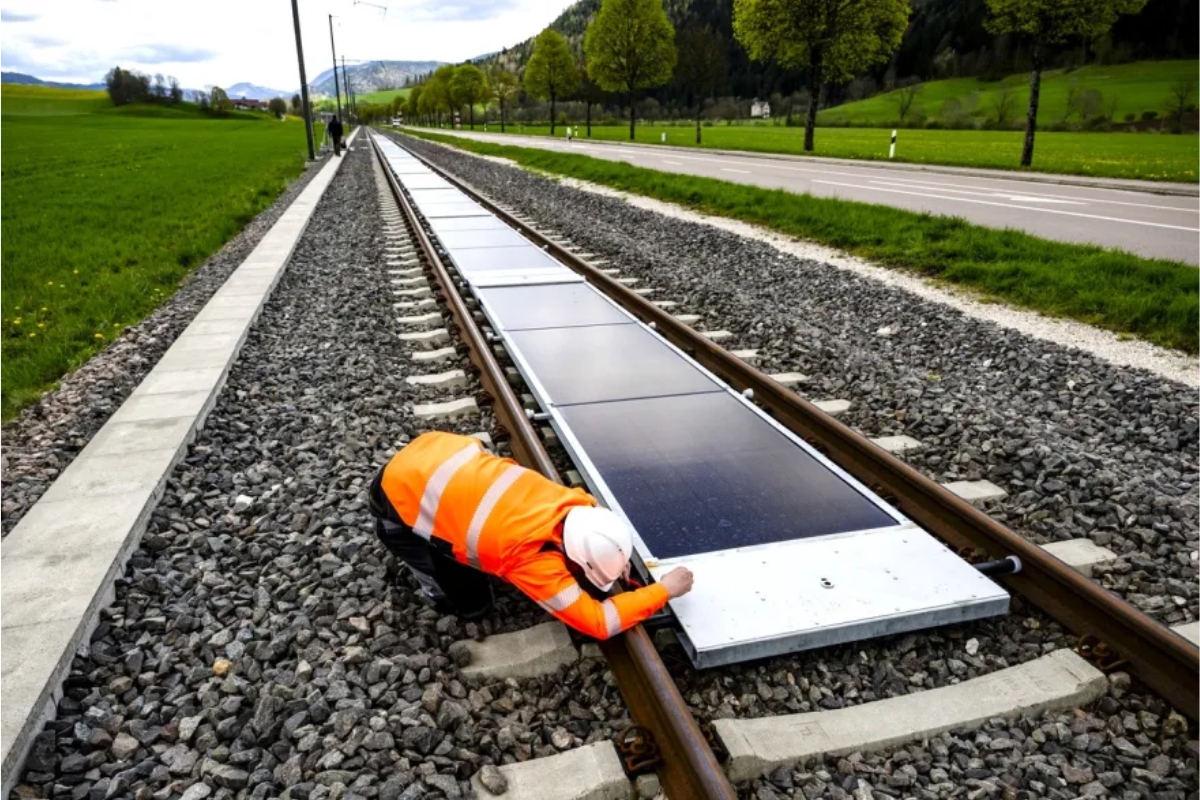
In Switzerland, tracks that previously only accommodated trains are beginning to generate electricity with removable solar panels installed on active railways, paving the way to transform the railway network into a new front for clean energy.
-
Brazil raises alarm to avoid blackout: the country may need 3 Itaipus and is already wasting up to 5,135 MW of energy on days of excess solar.


The Regulatory Framework aims to organize the exploration of these sources in Brazil. It establishes rules for the use of maritime areas, foresees incentives for the national industry, and prohibits operations in areas of environmental, cultural, or strategic value. On paper, it seems like progress. But the changes in the text have generated an ethical and financial dilemma.
Coal Incentive: A Step Back in the Energy Transition

In practice, this means that the money that could be used in other areas, such as health, education, or infrastructure, will be indirectly allocated to sustain the operation of thermoelectric plants, making the final cost higher for public coffers and possibly for consumers.
The inclusion of coal in the project was due to political pressure. Proponents argue that the Brazilian energy matrix still needs this resource. However, critics state that this inclusion is misaligned with the objectives of energy transition and the central theme of the project.
The incentives for coal could cost R$ 595 billion in tax waivers by 2050. The Union for Energy estimates an increase of 11% in the electricity bill for Brazilians. Environmentally, coal-fired thermoelectric plants significantly contribute to CO₂ emissions, hindering efforts to mitigate climate change.
Contradictions and Criticisms of the Project
Parliamentarians are divided. While some defend the measure as essential for energy security, others, such as Senator Randolfe Rodrigues, highlight the contradiction of including incentives for coal in a project aimed at renewable energy.
The “jabutis”, provisions unrelated to the main theme, create obstacles. The inclusion of coal represents a diversion from the renewable focus and could delay Brazil’s consolidation as a leader in clean energy.
The Future of Offshore Energy in Brazil
Offshore wind energy is one of the most promising in Brazil, with the potential to supply millions of households. The same goes for solar, which could complement the energy matrix in a clean and efficient manner.
Although the project brings advancements, its execution will depend on political will, private investments, and overcoming technical challenges such as infrastructure and logistics.
The Regulatory Framework for Offshore Energy is an important milestone, but the inclusion of incentives for coal raises doubts about Brazil’s direction in the energy transition. It is essential that the country invests in renewable sources and avoids setbacks that harm the environment and the economy.









É importante identificar os indivíduos (parlamentares mal intencionados, no caso) responsáveis por esse retrocesso.