





 English
  Francês
  Alemão
  Italiano
  Japonês
  Norueguês
  Portuguese
  Spanish
  5 min of reading
  0 comments


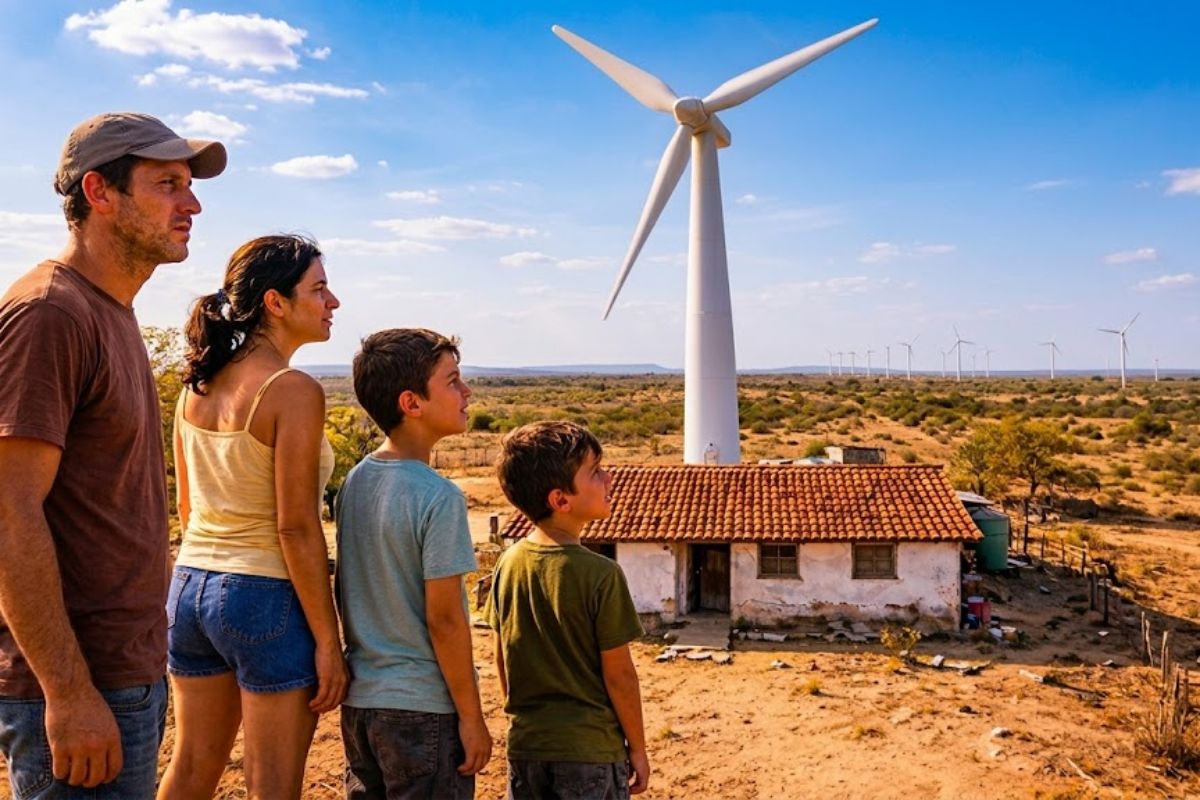
The Expansion Of Wind Energy In Brazil Transformed Landscapes, Attracted Billions In Investments, And Put The Country Among The Largest Global Producers Of Clean Energy, But Also Revealed Little Discussed Challenges Involving Financial Losses, Changes In Local Communities, And External Technological Dependency
Wind energy has become one of the main bets of the energy transition in Brazil. Parks with enormous turbines spread throughout the country already account for a significant share of national electricity and are often presented as a symbol of a more sustainable future.
But behind the rapid expansion of wind energy lies a more complex scenario involving financial losses in the sector, industrial layoffs, infrastructure challenges, and communities that have begun to live alongside the turbines that have drastically changed the landscape and routine of many regions.
The Accelerated Expansion Of Wind Energy In Brazil
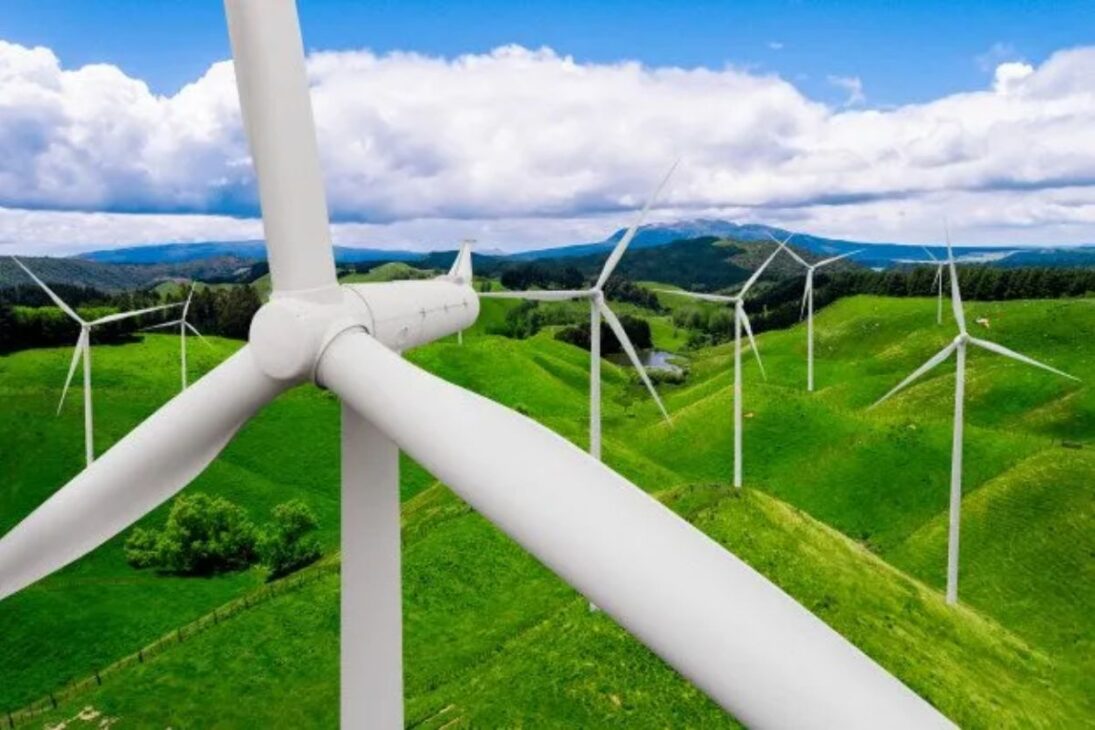
In the last two decades, wind energy has transitioned from an experimental technology to one of the pillars of Brazil’s electric matrix.
-
The climate in 2026 may surprise with extremes even more intense than in 2025, with heatwaves, out-of-season cold, and irregular rainfall in Brazil.

-
Astronomers identify 45 rocky planets that could harbor life, and one of them is just 4.2 light-years from Earth, making it the closest neighbor with the potential to have liquid water on its surface.

-
Archaeologists discover 43,000 ostraca in Egypt with tax lists, drawings, religious texts, and everyday notes that reveal what life was like in ancient Athribis before Cleopatra.

-
China showcases laser defense systems that target drones flying very low and attempts to address a flaw that has been concerning armies worldwide.

The first specific auctions for alternative sources began in 2004 and paved the way for accelerated growth in the sector.
Between 2013 and 2023, the number of wind energy parks jumped from just over a hundred to hundreds of plants spread across the national territory.
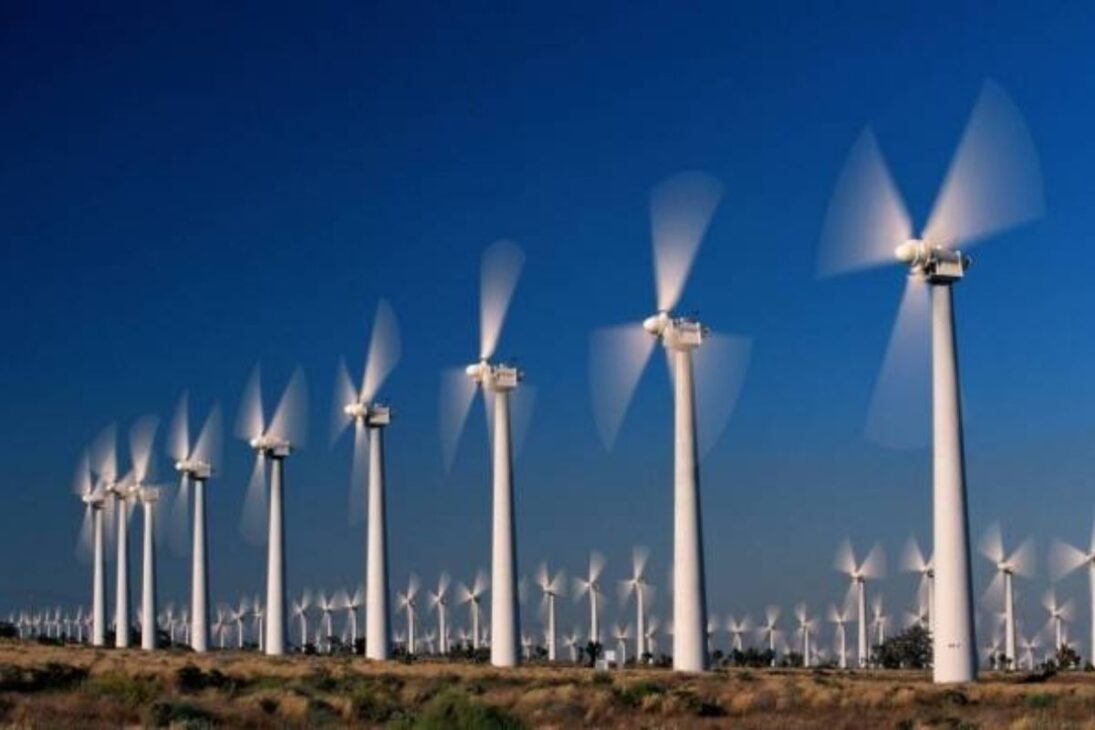
Currently, Brazil has over a thousand wind parks in operation, with thousands of wind turbines installed primarily in the Northeast region.
States like Rio Grande do Norte, Bahia, Ceará, and Piauí have transformed into strategic centers for this production.
The combination of constant winds, vast areas, and favorable terrain has made the Northeast one of the best places in the world for wind generation.
When Energy Production Grows Faster Than Infrastructure
The growth of wind energy in the country has brought an unexpected problem: electricity generation has started to outpace transmission capacity.
In several regions, especially in the Northeast, the power grid cannot transport all the energy generated by the wind parks.
This imbalance forced the National System Operator to implement the so-called curtailment, which consists of shutting down turbines even when there is enough wind to produce electricity.
In practice, part of the generated energy simply goes unused.
As the plants are paid for the consumed energy, this scenario has led to a drop in revenues and losses for companies in the sector.
Some companies have even resorted to the courts seeking financial compensation.
Layoffs And Crisis In The Wind Energy Industry
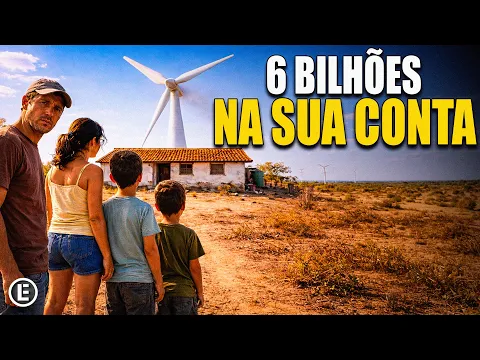

The expansion of wind energy has also brought unexpected effects on the national industry.
Companies responsible for producing wind components have begun to face difficulties due to a reduction in new contracts.
Between 2024 and 2025, several companies announced job cuts.
Manufacturers of wind blades, turbines, and equipment have reduced production or ceased operations.
Estimates indicate that around 11,000 jobs were lost in the industrial sector linked to wind energy during this period.
This situation creates an evident contradiction.
While the country records renewable energy generation records, part of the local production chain is facing contraction and factory closures.
International Technological Dependence
Another growing debate involves the technological dependence of wind energy.
Although part of the equipment is produced in Brazil, essential technologies depend on strategic components and materials.
Among them are elements known as rare earths, used in the manufacturing of modern generators and turbines.
The global production of these materials is largely dominated by China, which accounts for most of the world’s refining.
This creates a strategic dependency that can influence costs and production chains of wind energy.
Without stable access to these materials, the production of modern turbines can become more difficult or more expensive.
The Impact Of Wind Energy On Local Communities
In addition to industrial and technological challenges, the expansion of wind energy has also transformed communities where the parks were installed.
In various regions of the Northeast, turbines were built close to populated areas.
Residents report changes in their daily lives after the installation of wind generators.
Among the most common complaints are constant noise, vibrations, and alterations in the local landscape.
Some residents claim to face difficulties sleeping due to the noise from the turbines at night.
The impact is not only environmental or economic but also social.
Experts point out that planning and the distance between turbines and residences are essential factors for reducing conflicts.
The Challenge Of Balancing Clean Energy And Development
Wind energy continues to be one of the most important alternatives for reducing carbon emissions and diversifying the energy matrix.
However, the accelerated growth of the sector has revealed challenges that go beyond electricity generation.
Infrastructure planning, strengthening the national industry, and dialogue with local communities have become central topics in this debate.
The energy transition depends not only on technology but also on economic and social decisions.
Finding this balance is one of the main challenges facing the Brazilian energy sector in the coming years.
The expansion of wind energy in Brazil shows how a technology considered essential for the future can generate complex impacts when growing rapidly.
While turbines produce clean energy and help diversify the electric matrix, the sector faces industrial, economic, and social challenges that still need to be discussed in more depth.
The debate about renewable energy goes beyond electricity generation and involves planning, technology, and the lives of the people who live directly with these projects.
Now the question remains.
Do You Believe That Wind Energy Will Continue To Be The Main Bet Of The Energy Transition In Brazil Or Will The Country Need To Rethink The Model For Expanding These Plants?






Seja o primeiro a reagir!