





 Portuguese
  English
  Spanish
  5 min of reading
  0 comments


SENAI Makes Unified Presence at Brazil Windpower 2025, Strengthening Its Leadership in Innovation, Professional Qualification, and Technology Focused on Advancing Wind Energy and the Energy Transition in Brazil.
The National Service for Industrial Training (SENAI) takes a historic step by participating in the Brazil Windpower 2025, the main event of the wind energy supply chain in Latin America, with a unified booth that brings together its regional units from Rio Grande do Norte, Bahia, Ceará, Pernambuco, and Piauí.
This joint presence symbolizes a new cycle of integration and institutional maturity of the network, reflecting SENAI’s ability to articulate professional training, applied research, and technological innovation in favor of Brazil’s energy transition.
The decision to act together reinforces the institution’s role as a national reference in qualification and industrial competitiveness, in addition to highlighting the prominence of the Northeast, a region responsible for almost 90% of the installed onshore wind capacity in Brazil and recognized as the cradle of the future of offshore energy in the country.
-
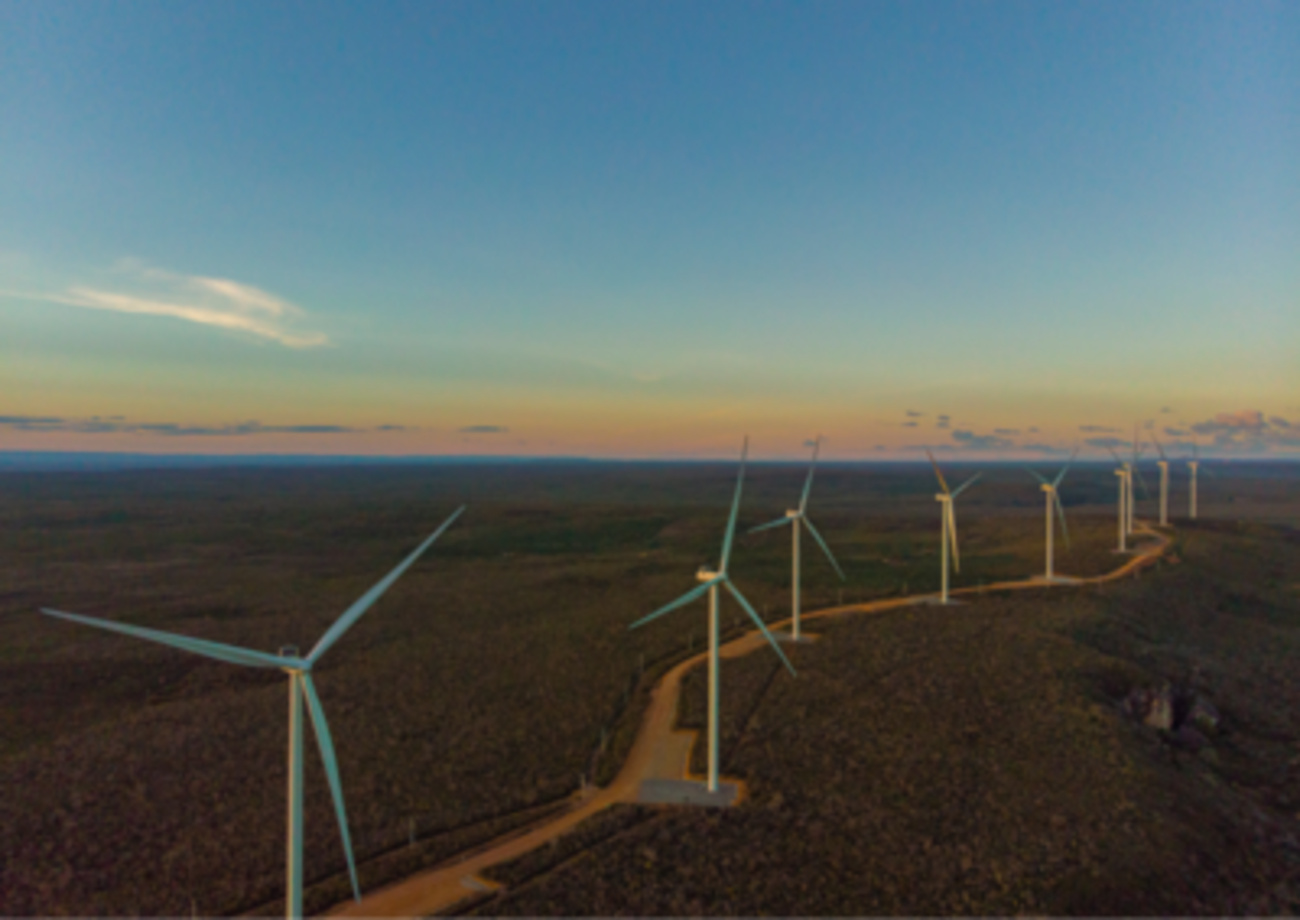
Giant of the winds in Rio Grande do Norte: Serra do Tigre Wind Complex receives new investments and accelerates the expansion of clean energy generation to supply millions of Brazilian homes.
-
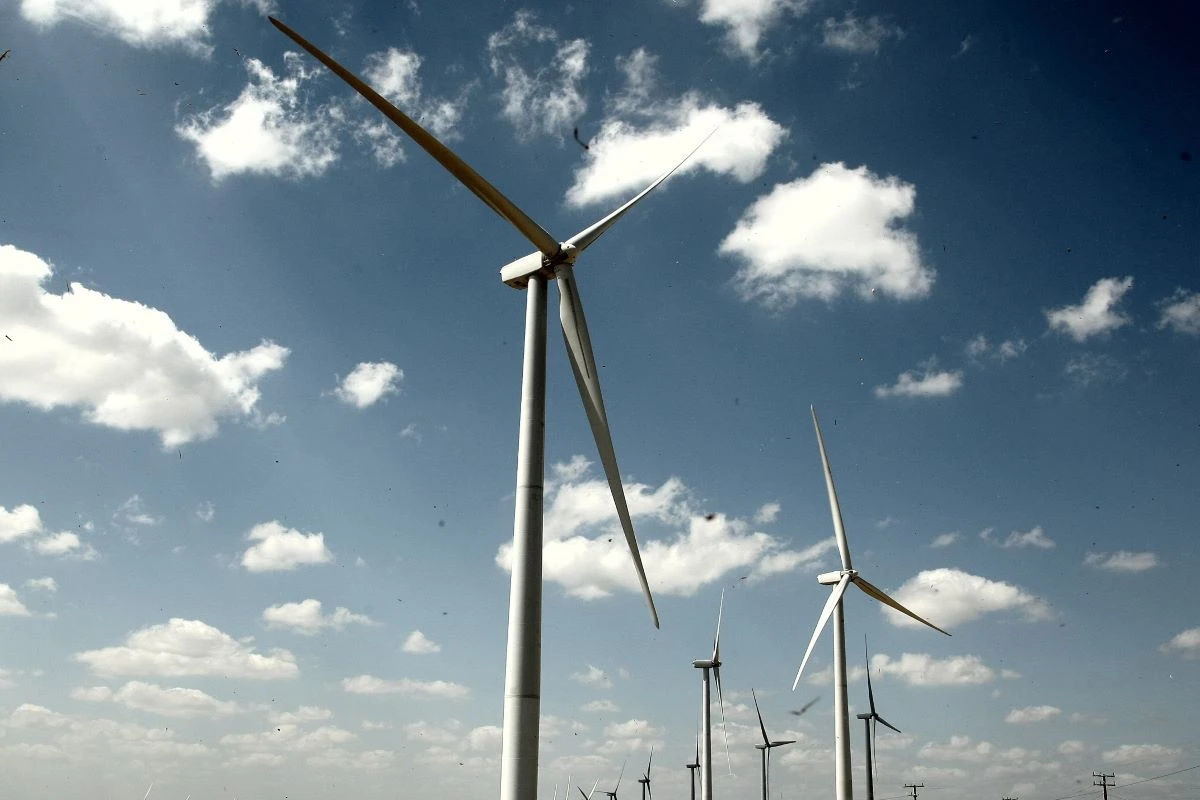
Urgent energy transition: Greenpeace advocates for massive investments and points to Brazil as a global leader in wind energy production in the coming years.
-
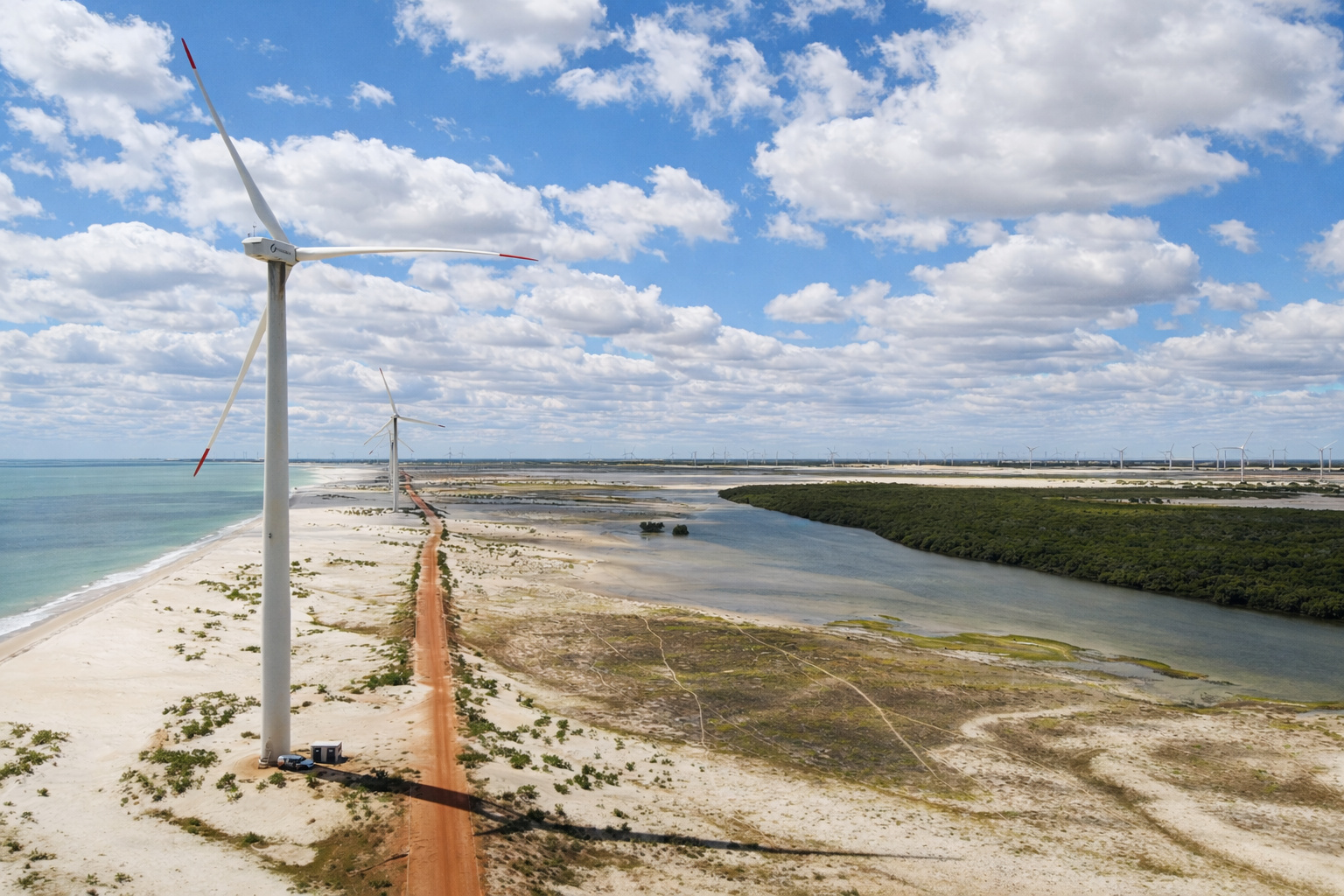
Conflict in the Sertão: Rural communities in Rio Grande do Norte report issues with wind farms and the new challenges of clean energy in the semi-arid region.
-
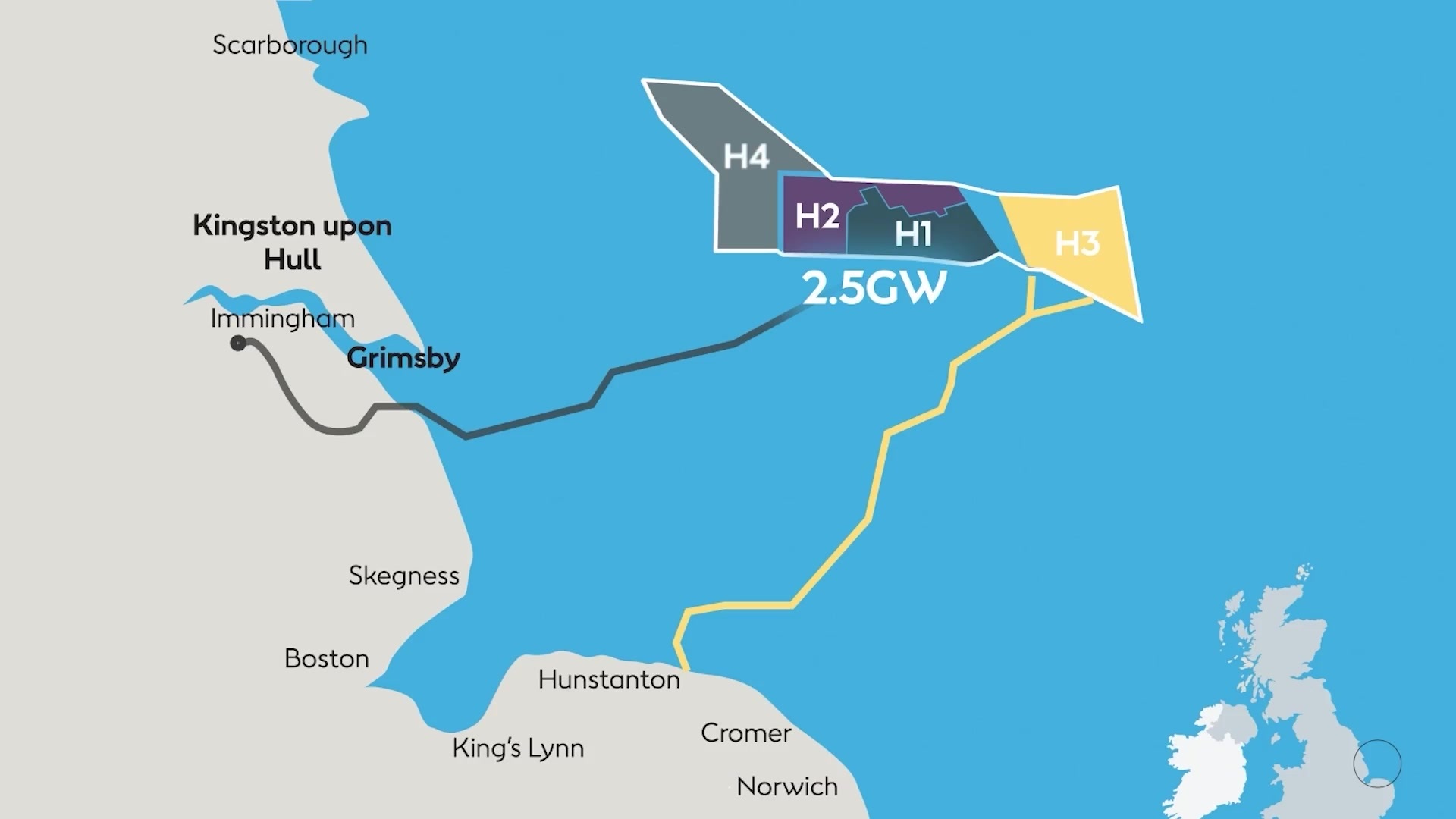
231 turbines of 260 meters at 160 km from the coast, monopiles weighing as much as nine blue whales embedded in the North Sea, and a crane ship taller than the Eiffel Tower: Hornsea 3 will be the largest offshore wind farm on the planet by 2027, and its first components have already arrived in England.

Innovation and Collaboration as Pillars of the Energy Transition
SENAI’s integrated booth at the event will showcase innovative solutions in technical training, metrology, testing, and technological consulting, aimed at executives, engineers, public managers, and investors in the sector.
According to the organizers, the proposal is to demonstrate how the union of regional competencies creates a collaborative innovation ecosystem capable of connecting technical knowledge to sustainability and productive efficiency.
“SENAI acts as a link between industry, technology, and human training. Our focus is to prepare Brazil for the future of wind energy, integrating science and qualification,” highlighted one of the institution’s representatives.
Rio Grande do Norte: Cradle of Wind Research and Offshore Pioneering
Among the participating units, SENAI from Rio Grande do Norte stands out as the epicenter of wind and offshore energy research in Brazil. The state houses the SENAI Institute of Innovation in Renewable Energies (ISI-ER), a Latin American reference in energy storage and integration of renewable sources.
The director of SENAI-RN, Rodrigo Mello, explains that the institute has been investing in training specialized professionals for the advancement of the offshore wind industry:
“ISI-ER was born with the mission of anticipating the future. We are pioneers in creating the country’s first postgraduate program focused on offshore wind energy, and today we already train professionals capable of planning, implementing, and operating projects in a maritime environment.”
In addition to training skilled labor, SENAI-RN conducts environmental impact studies and technical feasibility studies for the first licensed offshore wind pilot plant in the country, located in the municipality of Areia Branca, on the Potiguar coast.
This initiative is considered a technological milestone, as it will allow testing turbines, anchoring systems, and maritime sensors under real operating conditions, consolidating Rio Grande do Norte as one of the main energy innovation hubs in Latin America.
Bahia Stands Out for Integration Between Training, Research, and Regional Development
SENAI Bahia brings to Brazil Windpower emblematic cases of integration between education, innovation, and industrial development. The regional director, Evandro Mazzo, highlights that the institution has been fundamental in connecting companies, communities, and new technologies in the state:
“SENAI works to transform knowledge into regional development. We have invested in the qualification of young apprentices, technicians, and operators, ensuring that local communities actively participate in the projects that transform their reality.”
SENAI Cimatec, located in Salvador, will be one of the highlights of the event. Considered one of the most advanced technological centers in Latin America, the complex houses laboratories for computational simulation, wind turbine testing, and research on green hydrogen, a strategic area for the future of clean energies.
Additionally, Cimatec has collaborated with the government of Bahia and private companies to map the wind and solar potential of the state, both onshore and offshore.
“The future of renewable energy will be defined by the capacity to innovate and develop talents. And this is where SENAI distinguishes itself. We are alongside the industry, developing real solutions and training the people who will lead this transformation,” emphasizes Mazzo.
A Unified Network to Strengthen the National Wind Industry
Integrated participation in Brazil Windpower 2025 inaugurates the concept of the Integrated SENAI Network for the Wind Sector, showing the market that the institution is capable of offering complete solutions—from professional training to innovation on an industrial scale.
This new approach breaks the previous model, where each state presented itself in isolation, and reinforces the idea of inter-regional cooperation, uniting local competencies under a common purpose: to drive Brazilian wind energy with efficiency and sustainability.
“The companies operating in the wind supply chain transcend state borders. Being together, as a network, allows us to offer a national response, combining local competencies and technical synergy,” explains Mazzo.
The movement also aligns with SENAI’s action policy, which prioritizes the convergence between professional education, sustainability, and industrial competitiveness, stimulating technological partnerships and the development of solutions that enhance the productivity of the energy sector.
Training and Technology: The Pillars of Sustainable Growth
In addition to the initiatives from Rio Grande do Norte and Bahia, other regional units of SENAI will present strategic projects.
SENAI Ceará will bring to the event the Blade Repair Course, certified by the Global Wind Organisation (GWO), which has already trained hundreds of technicians specialized in wind turbine maintenance.
SENAI Pernambuco will present solutions in artificial intelligence, digital twins, and remote sensing, aimed at operational efficiency, safety, and energy integration with BESS (Battery Energy Storage Systems).
SENAI Piauí will highlight its expertise in training professionals for the installation and maintenance of transmission lines, essential infrastructure for carrying the energy generated by the region’s wind farms.
These actions reflect SENAI’s commitment to workforce qualification, technological innovation, and strengthening the national wind energy industry, especially in the Northeast—which is consolidating itself as the heart of Brazil’s energy transition.





Seja o primeiro a reagir!