





 Portuguese
  English
  Spanish
  5 min of reading
  0 comments


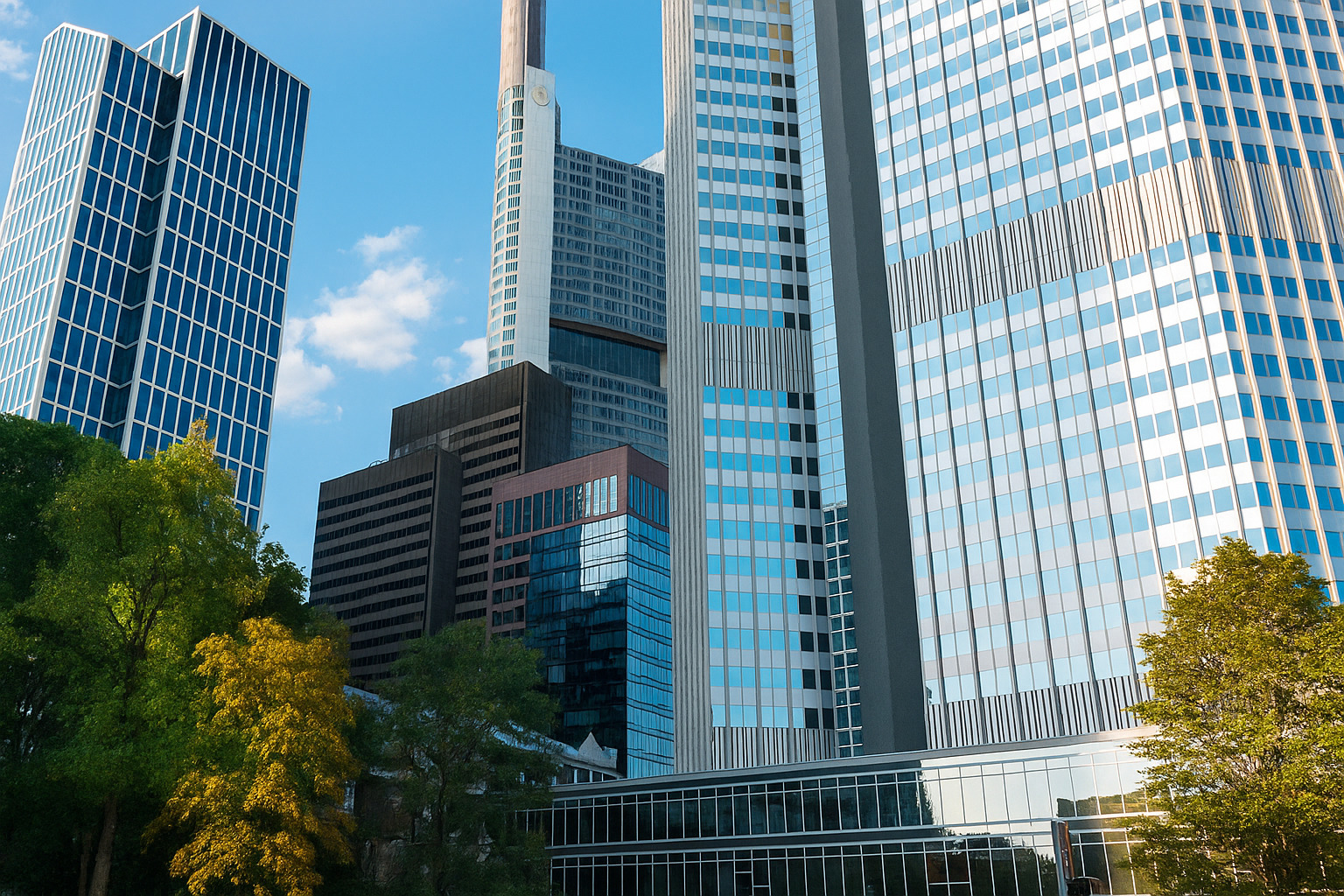
Wind Energy In Europe Gains Strength And Reinforces Central Role In The Continent’s Energy Transition
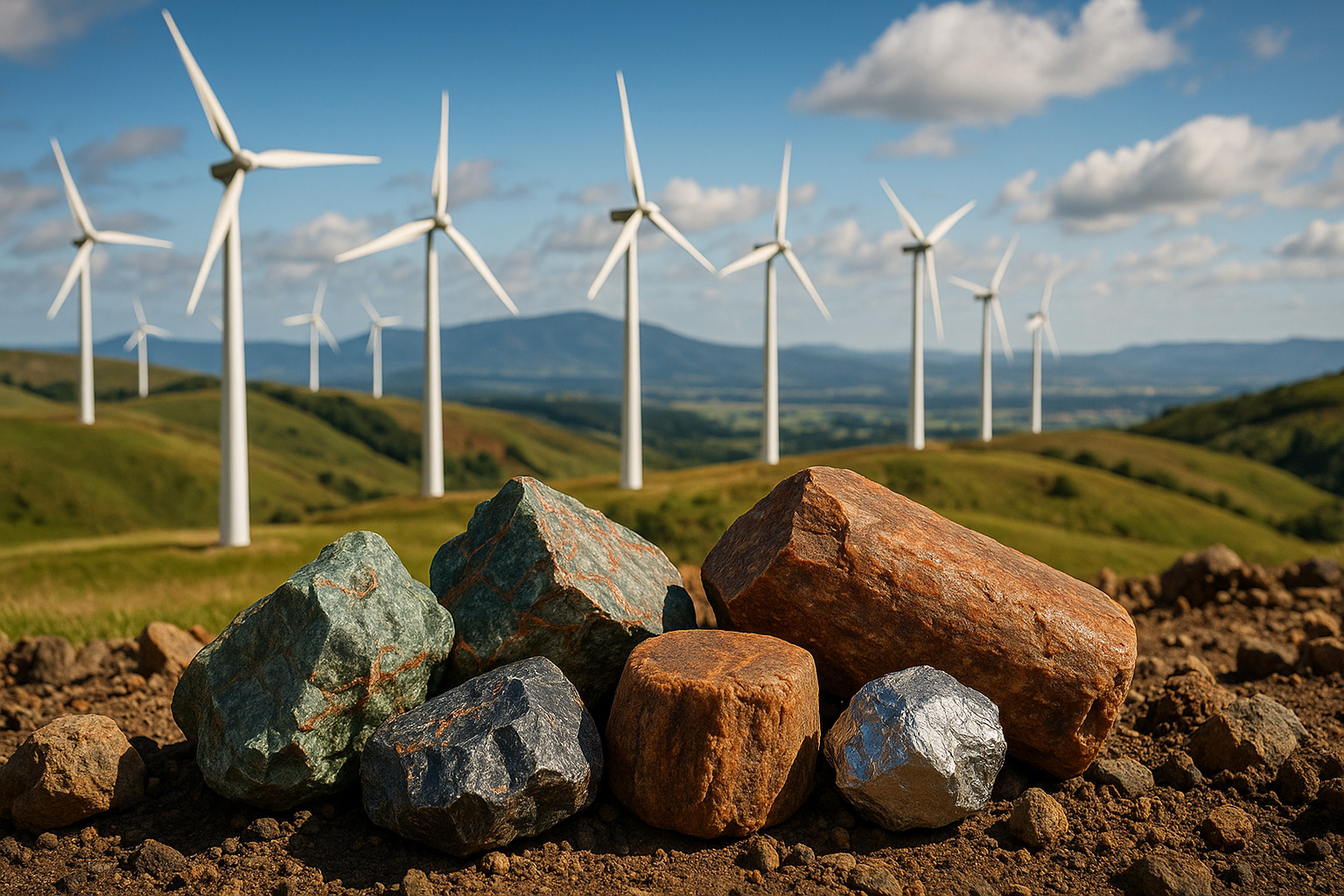
Wind energy in Europe has gained prominence in recent years as one of the main bets to reduce dependence on fossil fuels and strengthen the energy transition.
Additionally, this movement is reflected not only in environmental policies but also in the performance of financial markets, as companies in the sector occupy an increasingly larger space in stock exchanges.
The growth of this sector reveals a profound change in how European countries view energy issues.
-
Giant of the winds in Rio Grande do Norte: Serra do Tigre Wind Complex receives new investments and accelerates the expansion of clean energy generation to supply millions of Brazilian homes.
-
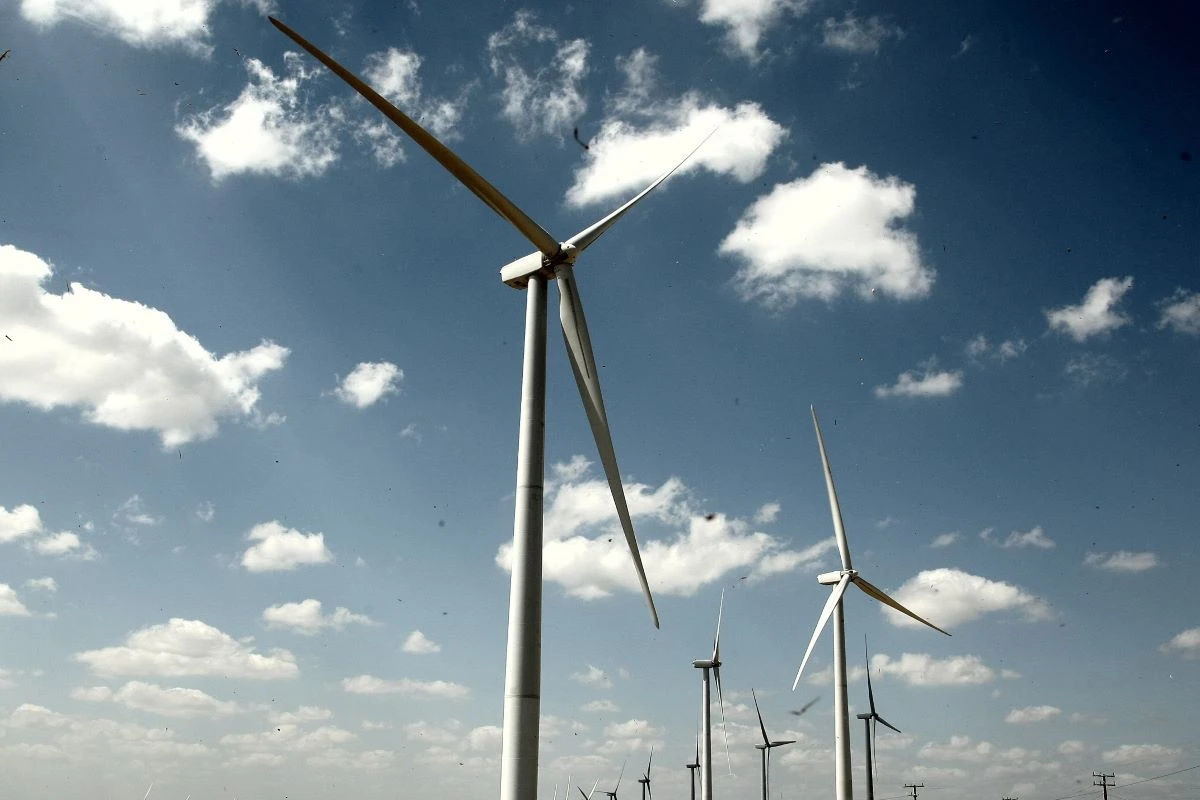
Urgent energy transition: Greenpeace advocates for massive investments and points to Brazil as a global leader in wind energy production in the coming years.
-
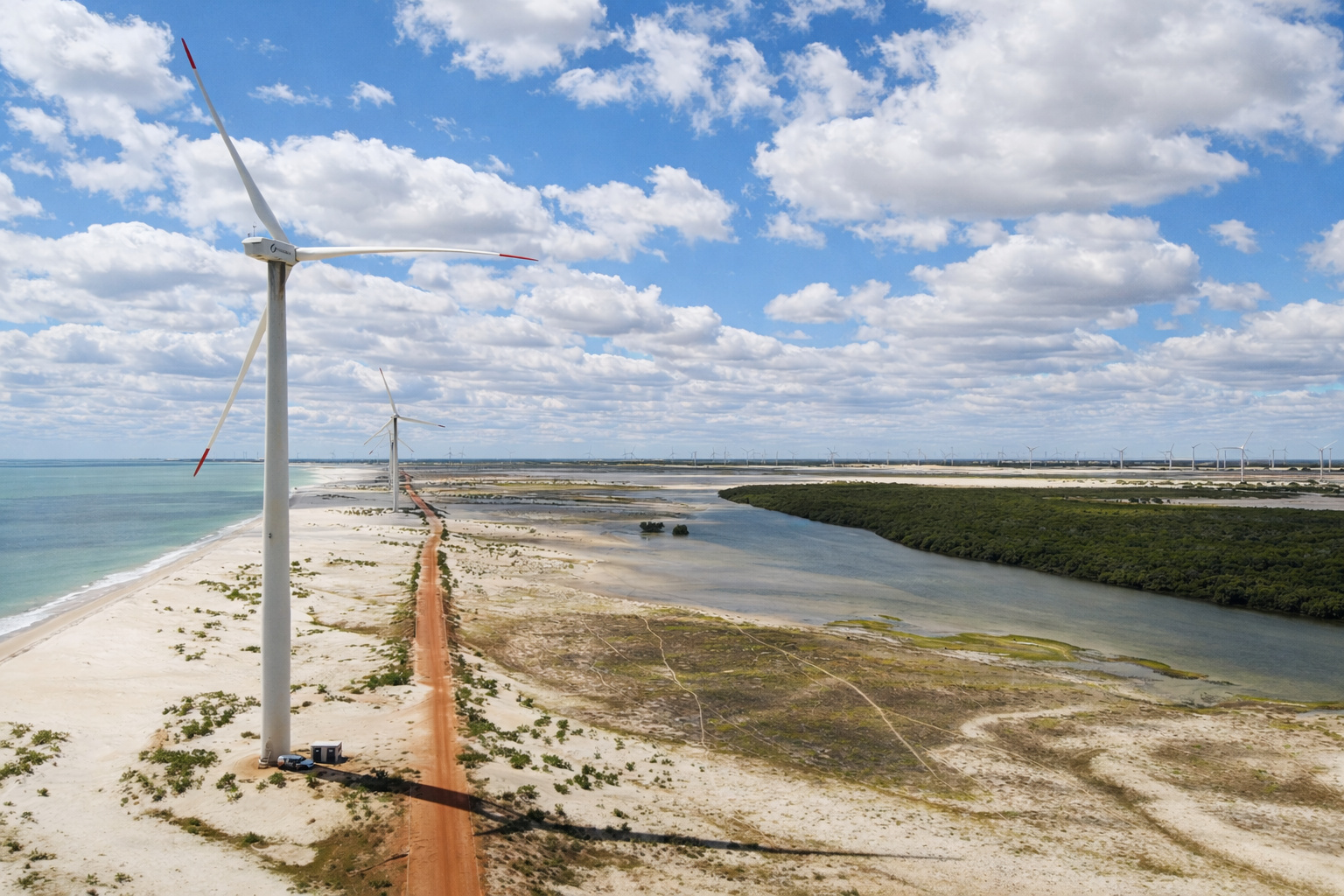
Conflict in the Sertão: Rural communities in Rio Grande do Norte report issues with wind farms and the new challenges of clean energy in the semi-arid region.
-
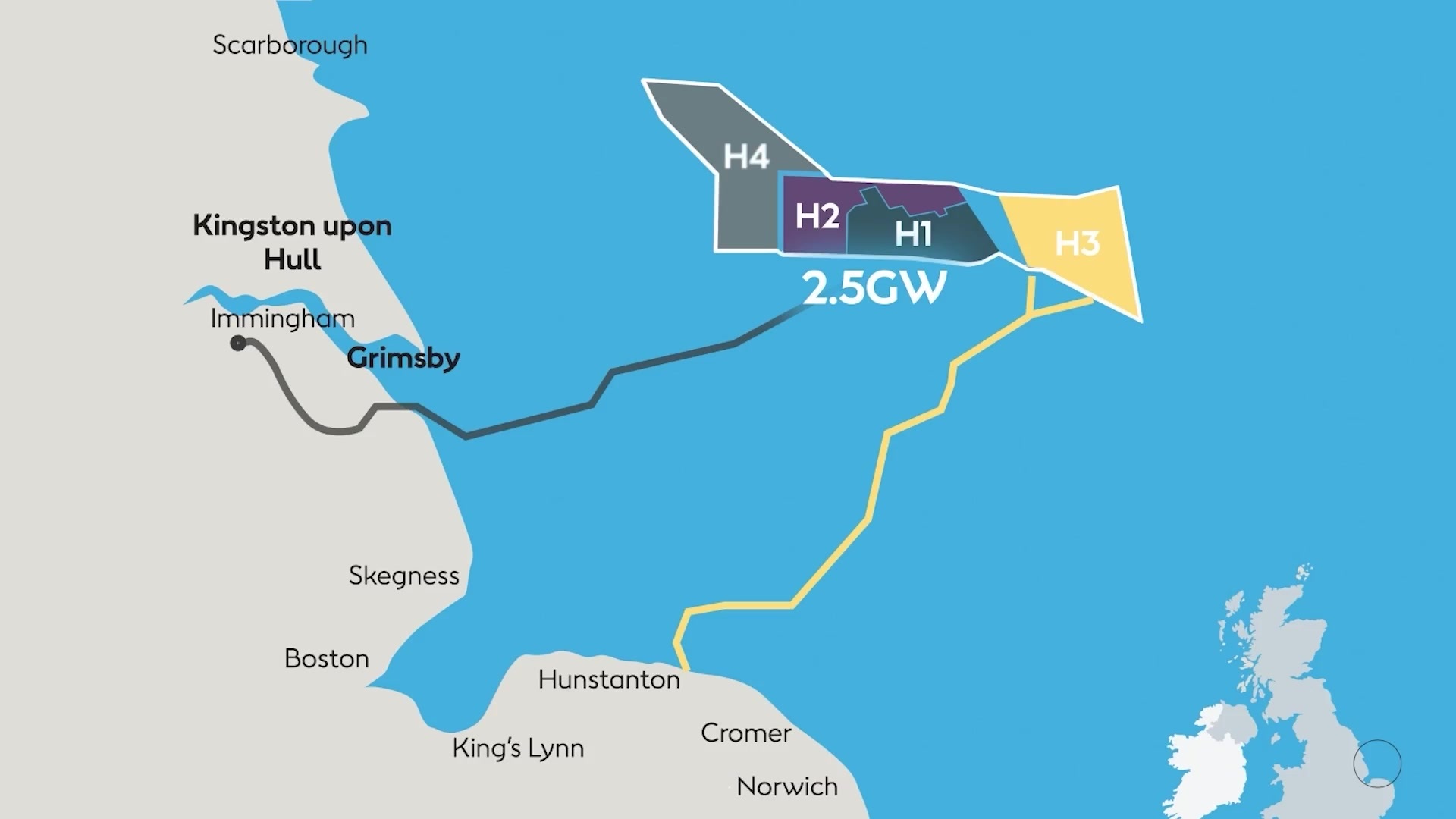
231 turbines of 260 meters at 160 km from the coast, monopiles weighing as much as nine blue whales embedded in the North Sea, and a crane ship taller than the Eiffel Tower: Hornsea 3 will be the largest offshore wind farm on the planet by 2027, and its first components have already arrived in England.

Therefore, the search for sustainable alternatives accompanies both global environmental demands and the strategic need for security, especially in light of political instabilities affecting oil and gas supply.
The Role Of Wind Companies In The European Market
The recent appreciation of stocks of companies in the sector reinforces investor confidence.
The Danish Orsted, one of the largest offshore wind energy developers, saw its shares soar after a court ruling in the United States allowed the resumption of a project in Rhode Island.
Thus, the immediate impact showed how external decisions directly influence the European market.
Other companies also benefited. Vestas, a traditional turbine manufacturer, and the German Nordex reported significant, albeit modest, gains.
Therefore, these movements confirm that wind energy does not occupy only a peripheral space in the energy sector but rather a central role in the new logic of growth.
Moreover, the recovery of the technology index, following Wall Street, sustained a positive environment in the stock exchanges.
Thus, the combination of technology and renewable energy shows that investors increasingly believe in the synergy between innovation and sustainability.
Historical Context Of Wind Energy In Europe
The history of wind energy in Europe dates back to the first modern turbines installed in Denmark, still in the 20th century.
The country became a pioneer by heavily investing in this resource, transforming itself into a global reference.
Subsequently, Germany, Spain, and the United Kingdom also began to take a leading position in energy production through wind.
During the 1990s and 2000s, the European Union intensified policies to promote clean energy.
As a result, it established ambitious emission reduction targets and a renewable participation target in the energy matrix.
These targets stimulated billion-dollar investments in onshore and offshore wind farms, consolidating an industry that today employs thousands of people and drives the entire production chain.
This history helps explain why the continent has become a symbol of energy innovation.
More than reducing emissions, wind energy represents economic and technological independence in the face of external pressures from large fossil fuel exporters.
Moreover, the development of wind energy has influenced educational and research policies. Universities and technology centers created specialized courses in wind engineering, encouraging innovation and the training of skilled professionals.
Investment in research and development (R&D) has enabled new turbines to be more efficient, quieter, and capable of generating energy under more varied wind conditions, increasing the competitiveness of the European sector on the global stage.
Economic Activity And Market Impact
As renewable energy stocks gained strength, the European economy also showed signs of recovery.
Recent research indicated that business activity in the eurozone grew at the fastest pace in 16 months.
Therefore, this result strengthened confidence in the markets.
Germany, the largest economy in the bloc, accelerated its growth pace, while France reported contraction.
On the other hand, the United Kingdom reported a loss of business confidence.
This contrast between countries reflects the different stages of adaptation to the new energy reality.
Thus, nations that consistently invest in clean energy attract more capital and strengthen their positions in global markets.
Consequently, wind energy stands out as a symbol of resilience and innovation.
The results from the stock exchanges confirm this perception.
At close, Frankfurt rose 0.40%, Paris advanced 0.67%, Madrid saw an increase of 0.50%, and the Stoxx 600 index grew 0.38%.
London recorded a slight gain of 0.01%, on the other hand.
These numbers reinforce the direct impact of confidence in renewable energy on European financial markets.
Moreover, the expansion of wind energy generates new jobs and boosts local economies, especially in coastal areas that previously received few investments.
The sector has also boosted sustainable tourism, as many wind farms offer visitor centers and educational activities, bringing people closer to science and technological innovation.
Future Prospects For Wind Energy In Europe
The future of wind energy in Europe looks even more promising.
The continent aims to expand installed capacity both on land and at sea, with investments exceeding tens of billions of euros.
Therefore, the goal is clear: to ensure carbon neutrality by mid-century and significantly reduce dependence on fossil fuel imports.
Offshore projects in the North Sea and the Baltic Sea stand out as examples of innovation.
These projects require high technology and international cooperation.
However, they provide strategic and economic returns for the countries involved.
Furthermore, the sector continues to attract young engineers, researchers, and entrepreneurs, creating a dynamics ecosystem that unites sustainability and economic development.
Another relevant factor is the integration of wind energy with other renewable sources.
The combination with solar energy and battery storage systems promises to ensure stable supply.
In this way, the risk of intermittency decreases and the European matrix becomes safer, more diverse, and less vulnerable to external crises.
Additionally, technologies for green hydrogen and smart grids have been developed to complement wind energy, enabling the storage of excess energy and expanding its use in industries and transport.
Co-location projects with agriculture and aquaculture also demonstrate that wind energy can coexist with other economic activities, generating multiple benefits for local communities.
Wind Energy As A Symbol Of The Energy Transition
The strengthening of wind energy in Europe transcends the boundaries of the energy sector.
In fact, it represents a cultural and strategic change in the continent, seeking to align economic growth with environmental responsibility.
Therefore, this path shows that sustainability and profitability can go hand in hand, transforming challenges into opportunities.
The appreciation in the stock markets reflects not only the gains of companies but also investor confidence in a new logic of development.
As the world watches this transition, Europe remains a global benchmark.
Thus, the wind drives not only turbines but entire economies, consolidating itself as a symbol of the new energy era.




Seja o primeiro a reagir!