





 Portuguese
  English
  Spanish
  3 min of reading
  0 comments


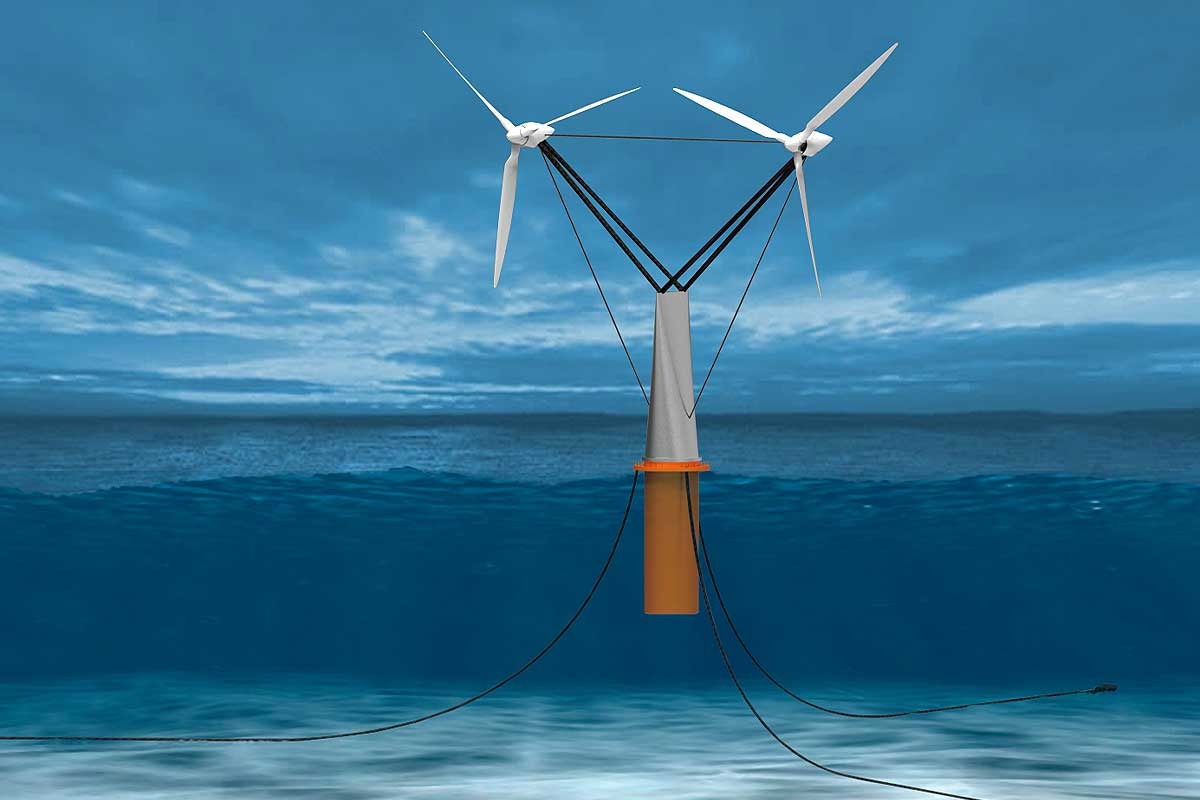
With Floating Structure, Dual Rotor System, and Simplified Installation Without Cranes, the Turbine Designed by European Engineers Promises to Transform Offshore Wind Energy Production and Reach Unprecedented Power by 2027.
A Franco-Tunisian engineer developed a project that could transform offshore wind energy production.
The innovation combines an unanchored floating structure with a dual rotor system, capable of generating up to 30 megawatts per unit — a power greater than many conventional turbines.
With simplified installation and lower environmental impact, the technology is expected to reach the pilot prototype stage by 2027.
-
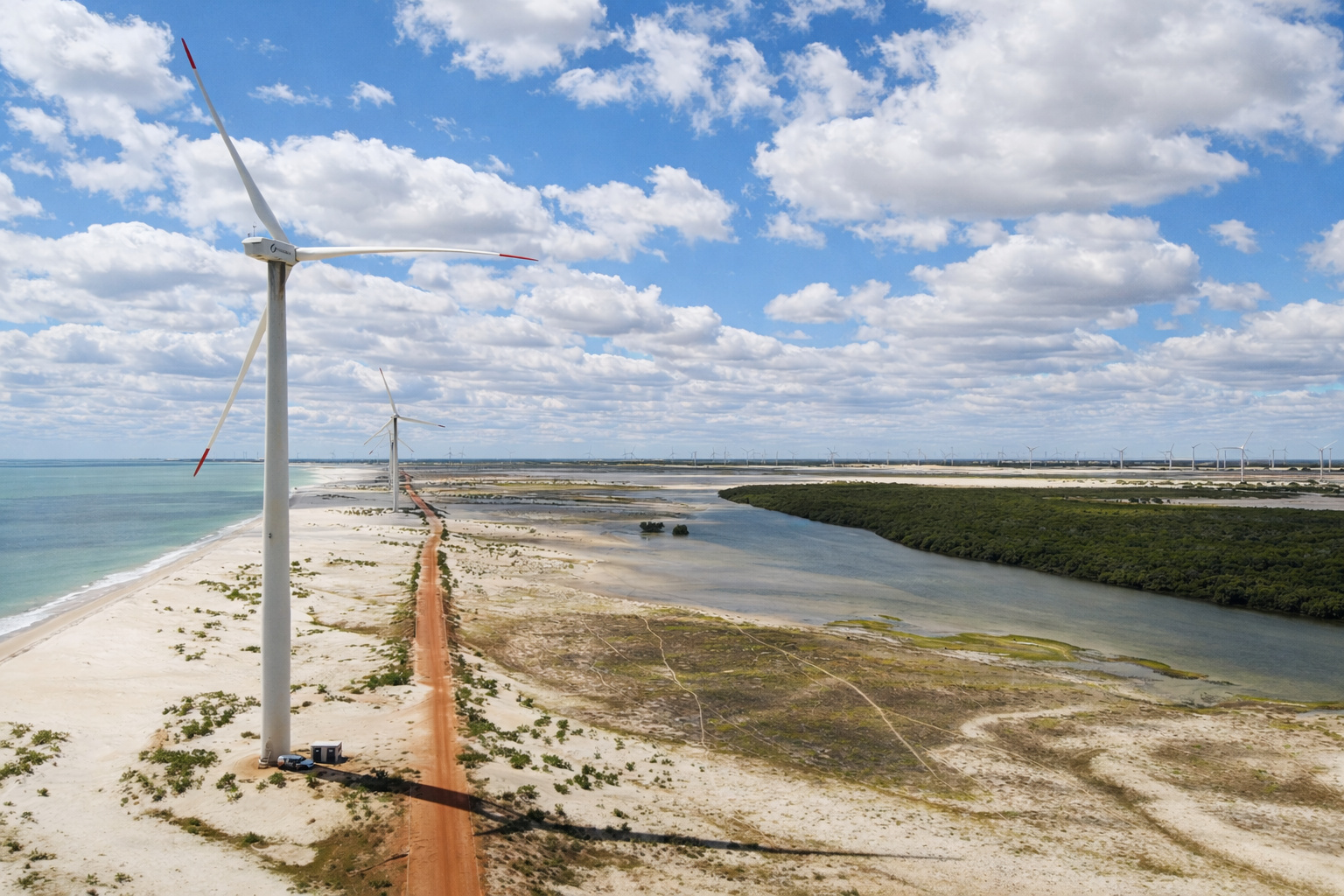
Conflict in the Sertão: Rural communities in Rio Grande do Norte report issues with wind farms and the new challenges of clean energy in the semi-arid region.
-
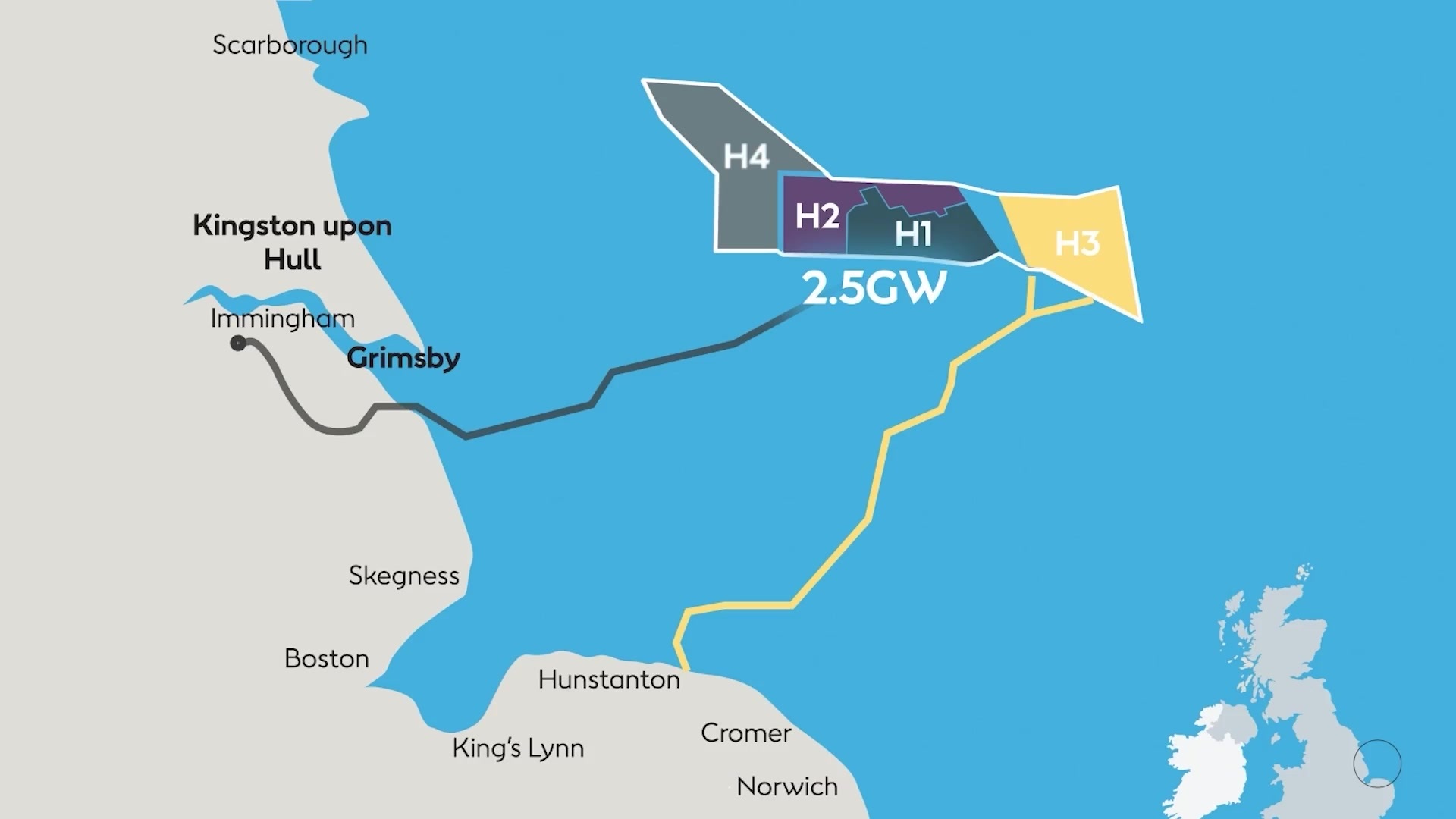
231 turbines of 260 meters at 160 km from the coast, monopiles weighing as much as nine blue whales embedded in the North Sea, and a crane ship taller than the Eiffel Tower: Hornsea 3 will be the largest offshore wind farm on the planet by 2027, and its first components have already arrived in England.
-
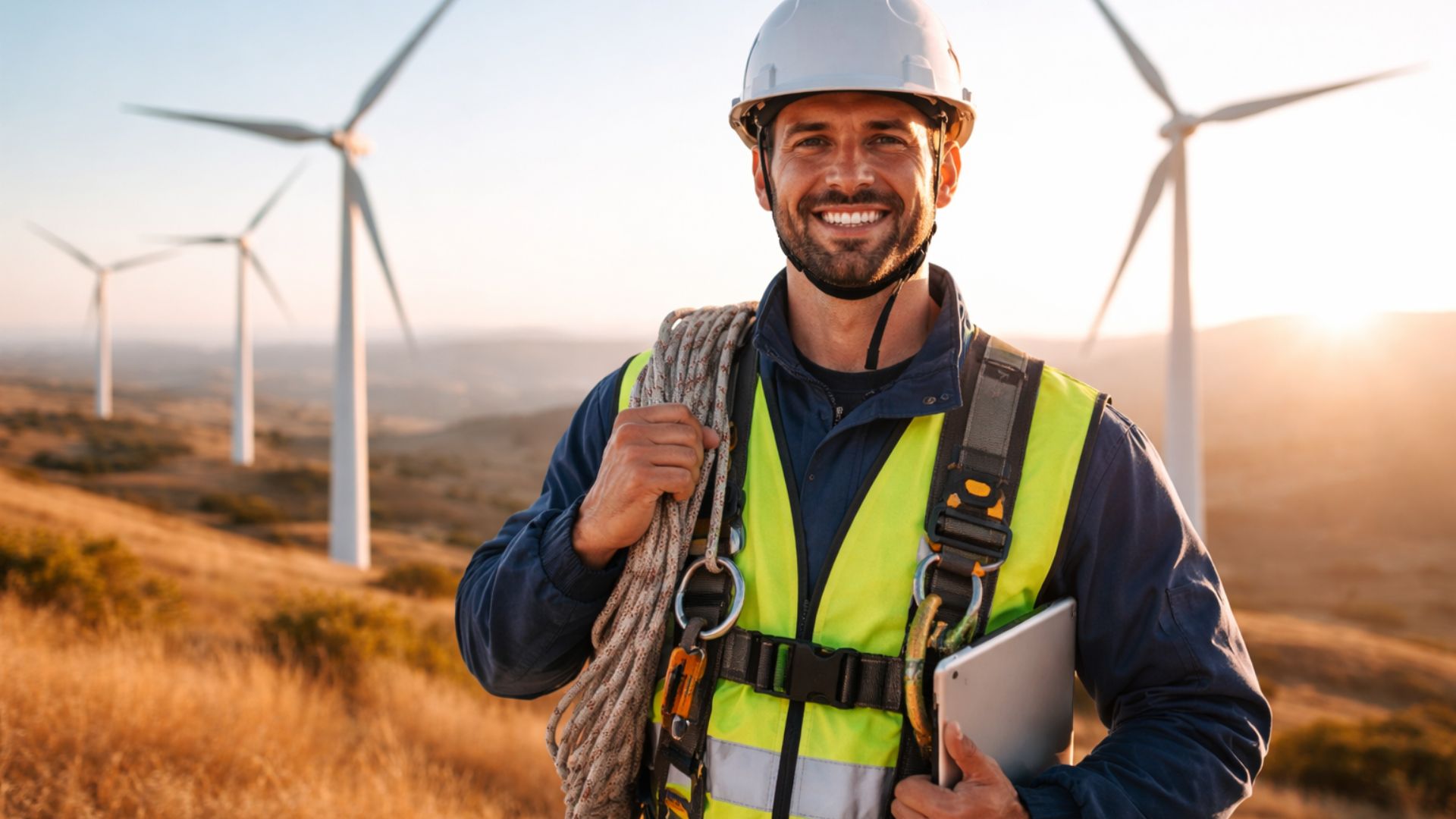
International Certification Puts Senai Norte on the Renewable Energy Map and Expands Access to Essential Training for Qualified Wind Power Professionals
-
The Winds of the Northeast Are in Foreign Hands: Nearly 70% of the Region’s Wind Farms Are Owned by International Companies, with France, China, and Italy Leading Investments in Wind Energy in Brazil
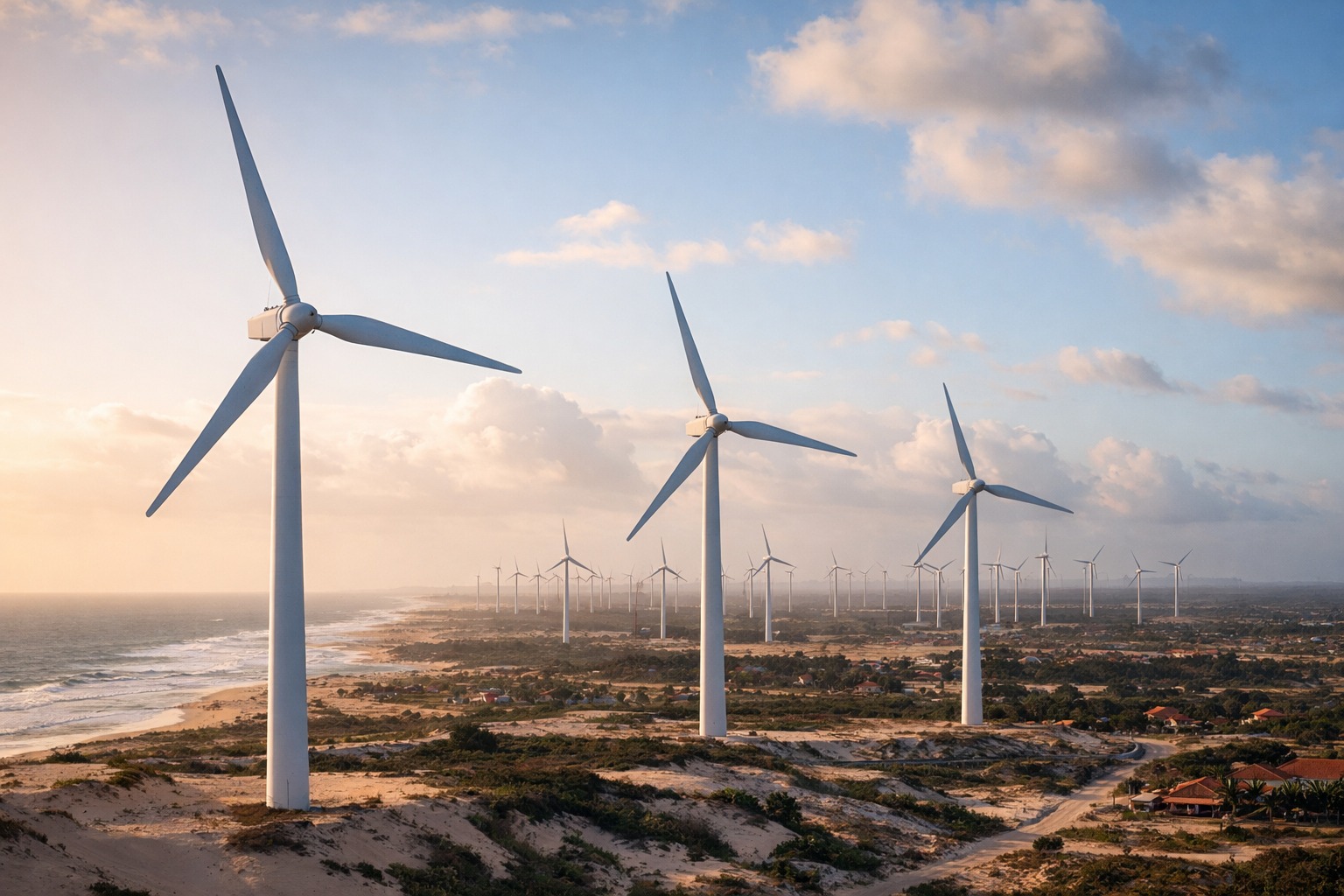

Energy Efficiency with Dual Rotor and Reduced Ecological Footprint
The main feature of the project, led by Emma Louise Milady, is the use of two rotors — one front and the other rear — that allow for better harnessing of the kinetic energy of the wind. Unlike traditional turbines, which let part of the wind pass unused, the dual configuration captures more energy and increases efficiency. Estimates suggest that each unit can reach up to 30 MW, almost three times more than many current offshore turbines.
In addition to high performance, the proposal prioritizes sustainability. Being floating and not requiring anchoring, the structure avoids damage to the seabed — a common issue with conventional offshore turbines. This feature makes the system ideal for sensitive marine areas or regions with high biodiversity.
Greater efficiency also allows for reducing the number of turbines required in a wind farm, diminishing visual disturbance and impact on marine fauna. Thus, the technology aims to combine large-scale generation with environmental responsibility.
Quick Installation Without Cranes Offshore
Another distinguishing feature of the project is the simplicity of installation. The turbines can be transported horizontally on barges and hoisted at the operation site using only ballast — such as sand — eliminating the need for complex and expensive offshore cranes. This process reduces risks and deployment time.
The structure uses mechanical fastening systems, such as stake holders, eliminating the need for large tools or welding. The modular design facilitates mass production and allows for repeatable processes, speeding up the construction of wind farms.
Furthermore, the turbine was designed to offer high stability. The “V” shape of the structure increases resistance to waves, and the specially developed float minimizes movements, ensuring reliable operation even in rough seas. Another important point is the turbine’s ability to align with the wind without the need for motors or sensors, which reduces maintenance and internal energy consumption.
Prototyping and Global Expansion by 2027
Emma Louise Milady and Olivier Laffitte, co-founders of Sereo Engineering, are working to secure € 20 million to build the first functional prototype and launch a pilot turbine by 2027. The investment will also allow for international patent registration, ensuring the protection of the technology and facilitating its entry into strategic markets.
Interest in innovative offshore wind energy solutions is growing in regions like the U.S. East Coast and the Gulf of Mexico, where ambitious expansion plans are already underway. Sereo aims to position itself in these markets with more efficient, sustainable, and competitive technology.
The pioneering work of Emma Louise Milady has already received international recognition. She was honored at the Best CEO Awards in Madrid, and Sereo Engineering has been included in the list of the 100 most innovative startups in the world, according to Silicon Valley experts.
With greater efficiency, lower environmental impact, and simplified installation, the floating turbine with a dual rotor represents a significant advancement in offshore wind energy generation. If it meets the expected targets, the technology could usher in a new era for sustainable production offshore starting in 2027.









-

-

-

-

7 pessoas reagiram a isso.