





 Portuguese
  English
  Spanish
  3 min of reading


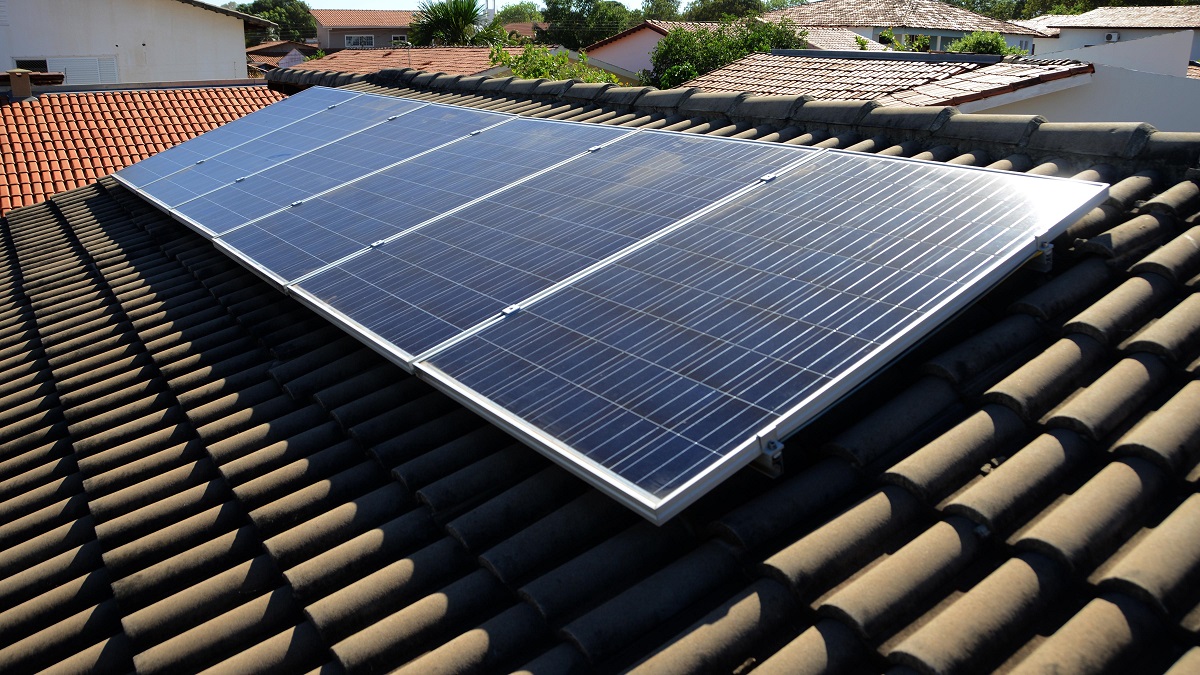
The Capital Saved on Electricity Bills Resulting from the Installation of Solar Power Plants in Schools Can Be Reinvested in Structural Improvements
The Government of the state of Rio Grande do Norte (RN) signed, on Monday, December 20, two cooperation agreements with Neoenergia-Cosern, with the aim of enabling the installation of solar panels in all 620 schools that are part of the state education network. The first contractual measures to be taken will be the installation of photovoltaic systems and the replacement of conventional light bulbs with LED bulbs in the headquarters of the State Department of Education and Culture, in the Administrative Center, in Natal (RN), with a planned budget of R$819 thousand.
Also See:
- Vivo’s First Distributed Biogas Power Plant is Inaugurated in SP
- 3R Petroleum Acquires Complementary Stake in the Sanhaçu Field, in the Potiguar Basin, in Rio Grande do Norte
- Institute Offers 630 Vacancies in Free Courses for 16-Year-Olds Residing in Salvador
Another document that is part of the solar energy installation agreement for schools provides a deadline of up to 90 days for Neoenergia to conduct studies and verify the conditions for the installation of systems in each of the schools. For this, a budget of R$1 million will be allocated, resulting from amendments from Senator Jean-Paul Prates (PT) for the installation of new technologies.
According to information from the Government of Rio Grande do Norte, it is expected that the solar power plants will start operating in state schools in the first quarter of next year, and the expectation is to achieve savings of up to 75% in energy consumption.
-
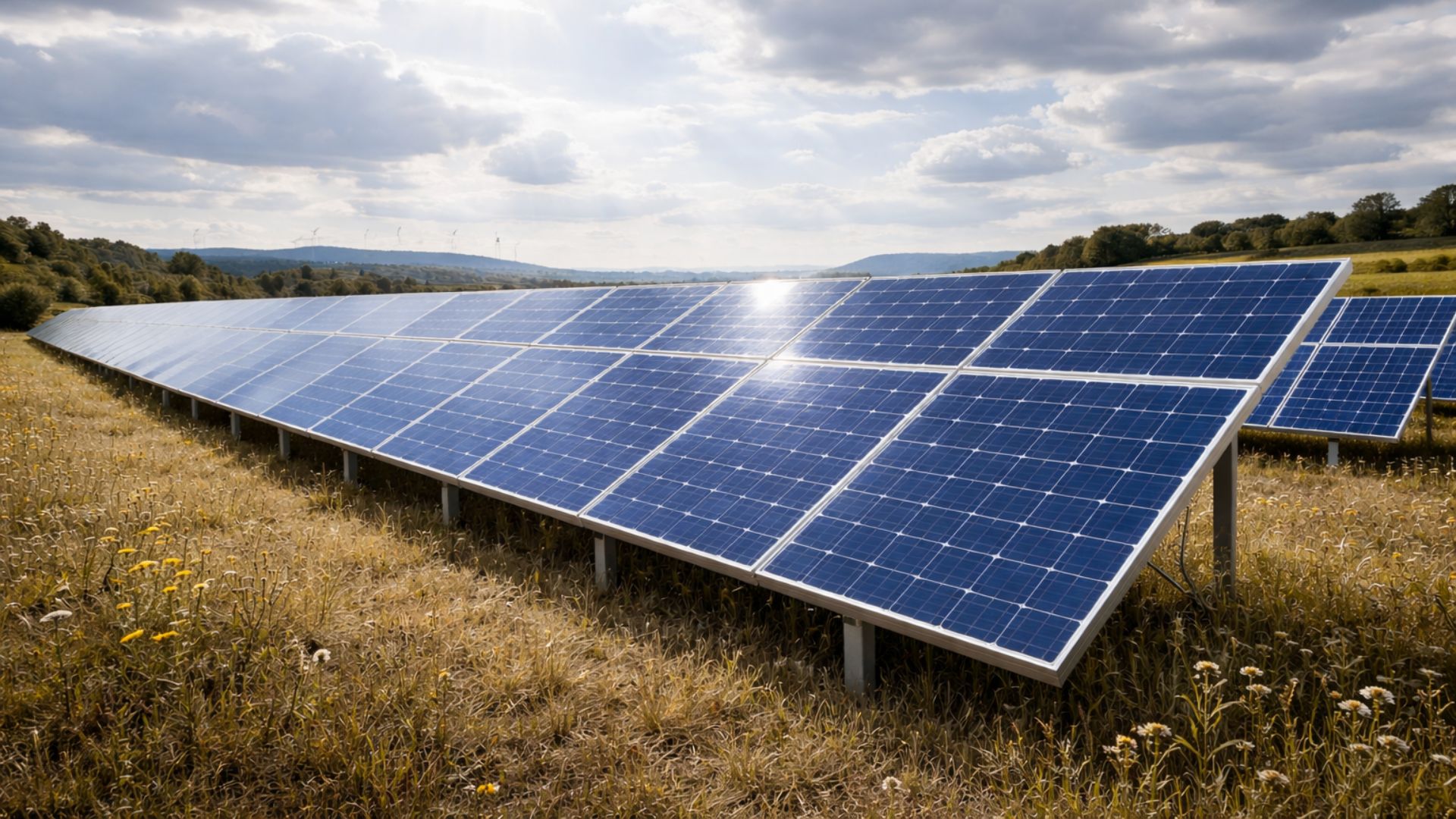
Jacareí advances with a photovoltaic plant and bets on sustainability to transform public management with clean solar energy, reducing operational costs and strengthening energy efficiency in essential services.
-
Maricá transforms Risca-Faca into Leonel Brizola Neighborhood with solar energy and promises to reduce costs for families while promoting dignity, urbanization, and social development in a historically vulnerable community.

-
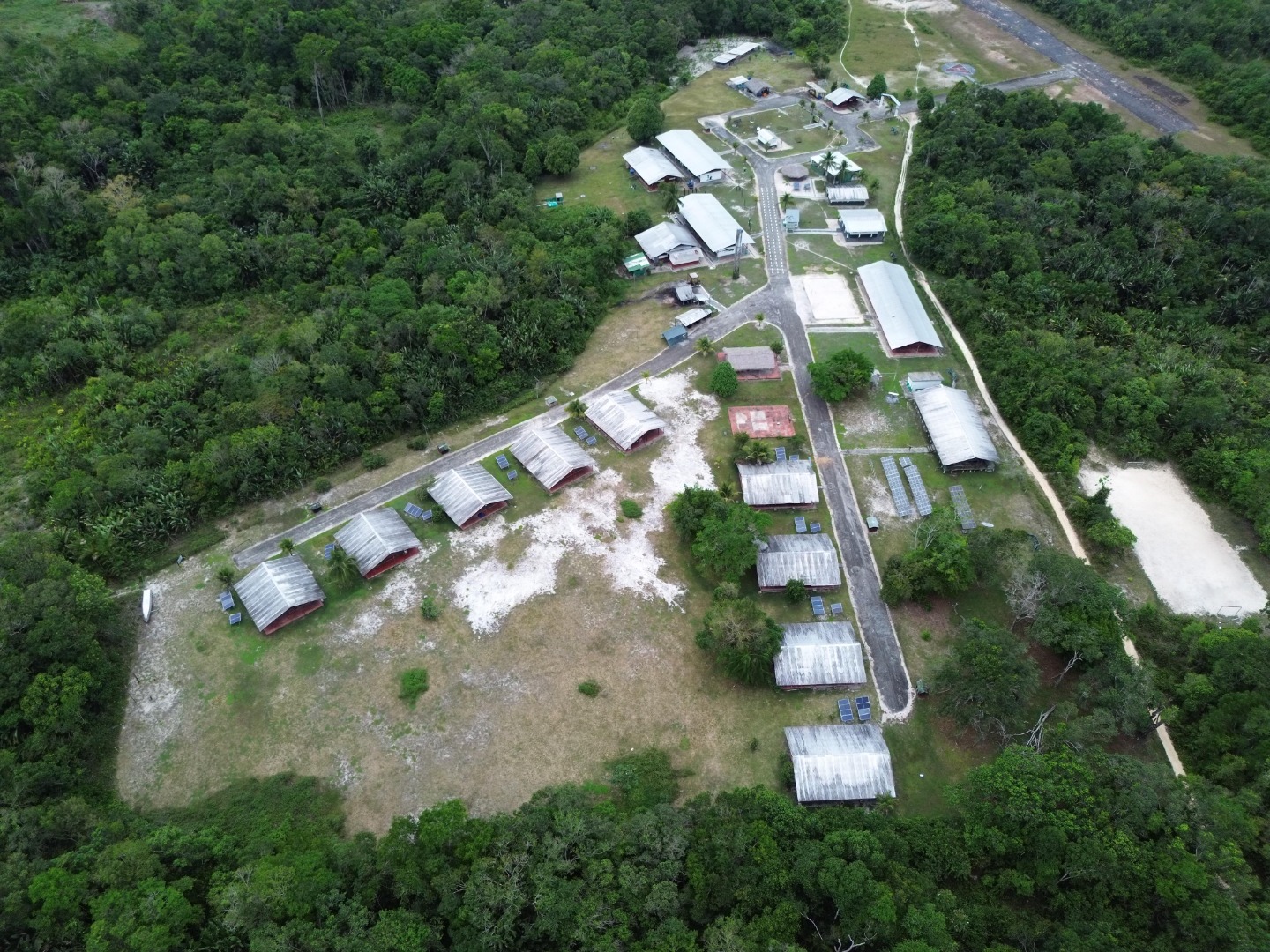
The Ministry of Defense installs a giant photovoltaic plant and ensures a stable supply of clean energy in Maturacá, in the Amazon.
-
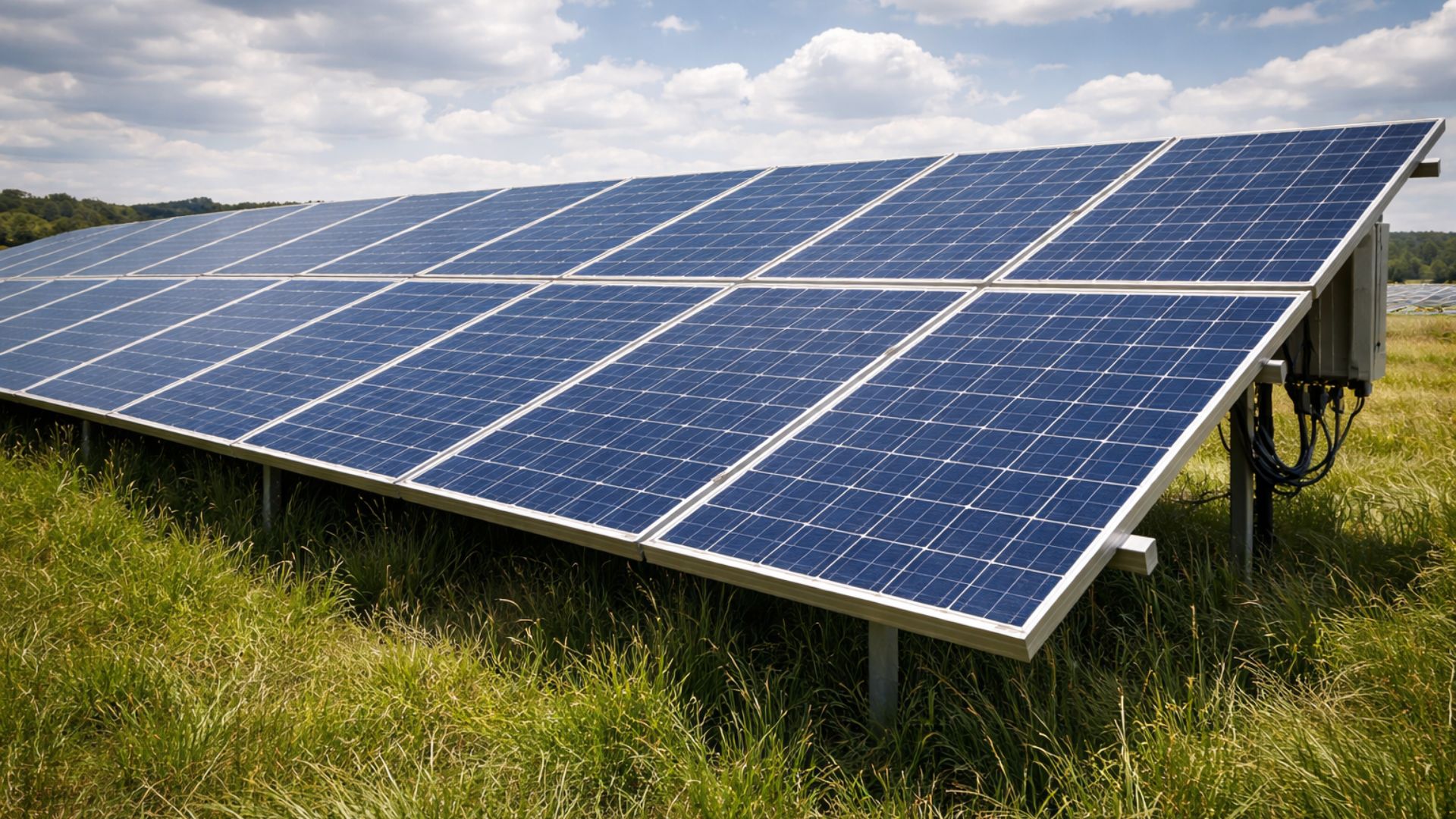
Itaipu receives proposals in the renewable energy tender and reinforces the role of public universities in the energy transition with projects that can reduce costs, increase academic investments, and accelerate sustainable innovation in the country.
Additionally, those in charge stated that the money saved from electricity will be redirected to improvements in the structure of the facilities of the state schools, which are used by more than 220,000 students every day.
Other Solar Power Plants
The Government of Rio Grande do Norte also secured, in December, another partnership aimed at promoting solar energy generation in the state. The project will build eight new solar power plants in the municipalities of Assu, Acari, Caicó, Alto Rodrigues, Governador Dix-Sept Rosado, Baraúnas, Jucurutu, and Apodi.
For this, an investment of R$ 110 million will be made, resulting from a partnership with the company Atua Energia, which will generate around 320 direct jobs by the end of 2023. Currently, the state government is expediting the procedures for obtaining environmental licenses and legal security. The plan will also serve 500 clients with monthly electricity consumption of around R$ 10,000.
Solar Energy Generation
Solar energy can be generated through the direct conversion of solar energy into electricity, using photovoltaic cells, or through the heliothermal system, in which energy from the sun is captured and used for heating water in residences or other locations. In both cases, energy generation is non-polluting and requires little maintenance.







Seja o primeiro a reagir!