





 Portuguese
  English
  Spanish
  4 min of reading
  0 comments



The Ministry of Mines and Energy Promotes the 1st Meeting of the National Forum on Energy Transition, Strengthening the Dialogue on Clean Energy in Brazil, Sustainability and Social Inclusion
Clean energy in Brazil is at the center of a historic transformation that unites government, productive sector, and civil society, according to a news article published.
On this Monday (11/3), the Ministry of Mines and Energy (MME) held the 1st Plenary Meeting of the National Forum on Energy Transition (FONTE), marking the beginning of the collective construction of the National Energy Transition Policy (PNTE).
The meeting symbolizes the advancement of an agenda focused on sustainability, social inclusion, and innovation in the energy sector.
-
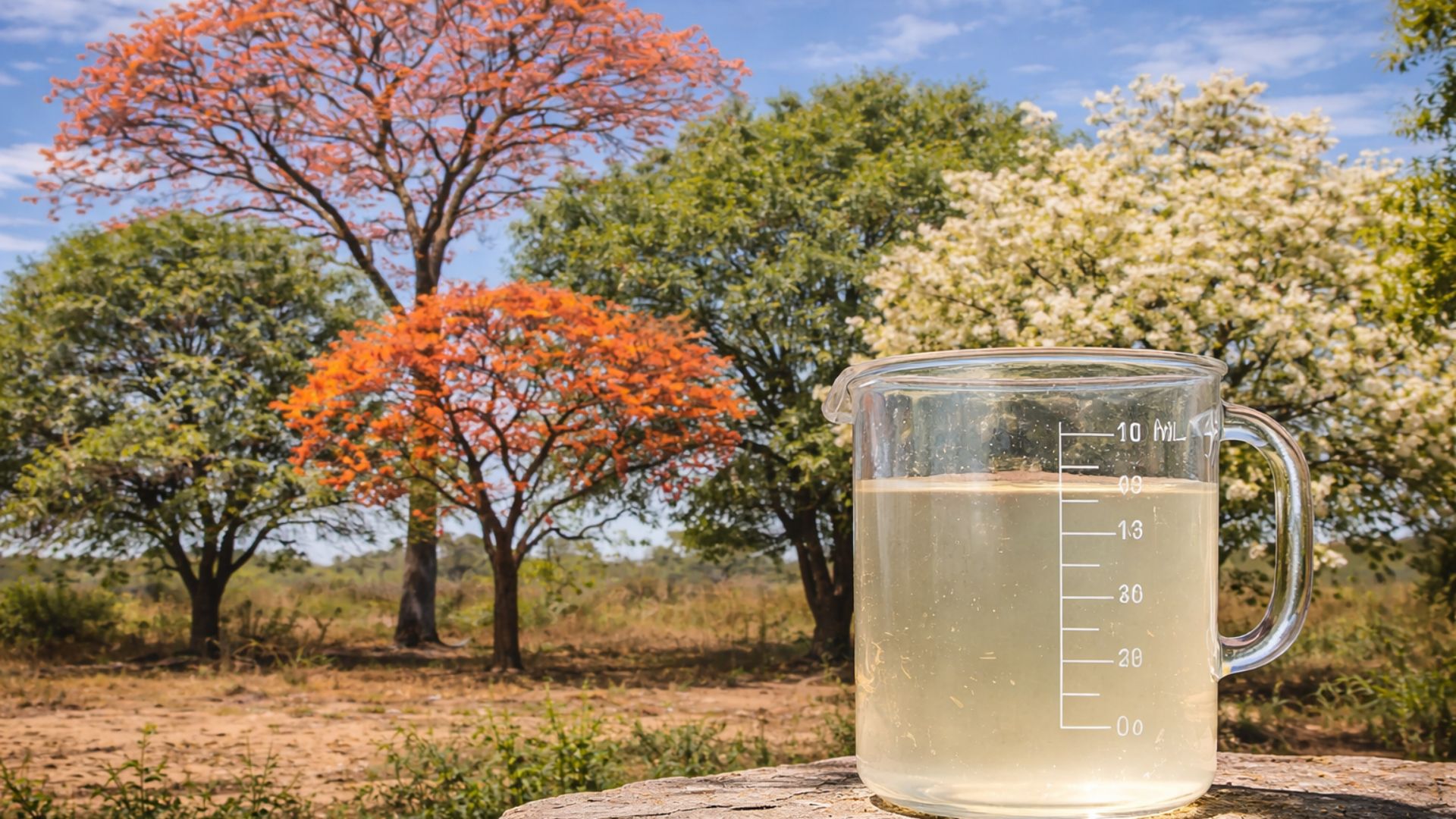
Embrapa’s discovery reveals an unexpected advancement by allowing the production of seedlings from the caatinga using brackish water, opening a new frontier for farmers to face drought more efficiently.
-
6 sources of free fertilizer that you are throwing away every day and can transform your garden without spending anything.

-
With a water crisis on the radar, Sabesp invests in reclaimed water for data centers and transforms sewage treatment into a solution that saves millions of liters and protects public supply.

-
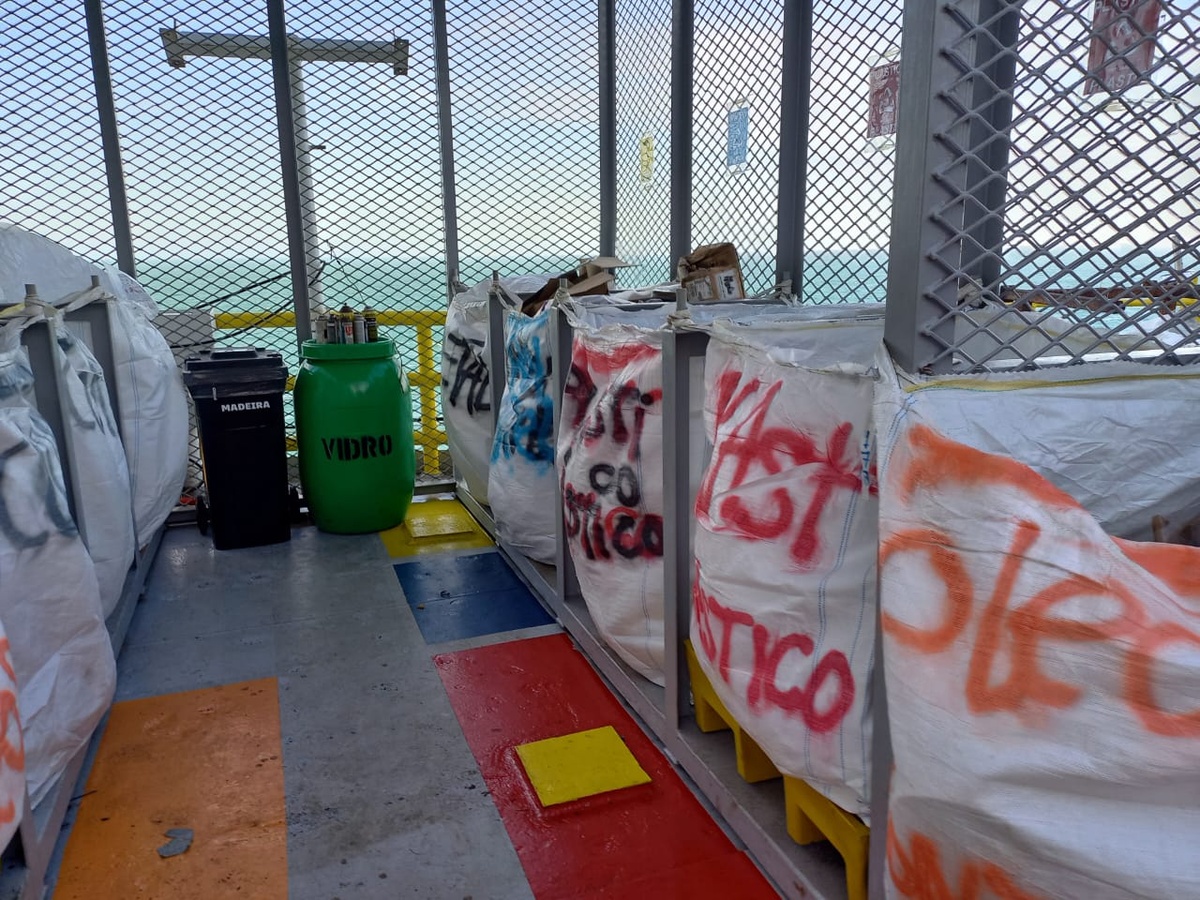
Foresea achieves 100% offshore waste reuse in 2025, eliminates landfill disposal, and consolidates sustainable strategy with 1,500 tons recycled.

The Forum, considered a democratic and permanent space for dialogue, seeks to guide the National Energy Policy Council (CNPE) in creating guidelines that lead the country to a more balanced energy matrix, with low carbon emissions and high potential for sustainable economic growth.
During the opening, the National Secretary of Energy Transition and Planning, Gustavo Ataíde, highlighted that the goal is to maintain Brazil’s leadership in clean and renewable energy, reinforcing the commitment to a fair, inclusive, and environmentally responsible model.
Energy Sustainability and Green Innovation in the Future of Brazil
FONTE was established after CNPE Resolution No. 5/2024 and has 87 representatives, equally divided among government, civil society, and the productive sector.
The plural composition requires at least 50% of women and 30% of Black, indigenous, or quilombola people, ensuring regional and sectoral representativeness.
This format reinforces the role of diversity in creating effective and innovative public policies for energy sustainability.
Among the main topics of the meeting, the presentation of the draft of the National Energy Transition Plan (Plante), which will be one of the central instruments of the PNTE.
The document will gather strategic guidelines to consolidate the advancement of clean energy in Brazil, prioritizing technological development and green innovation.
Additionally, the FONTE 2026 Work Plan was presented, aimed at organizing future activities and defining the steps for the preparation of the Recommendations Letter to CNPE, the Forum’s main deliverable.
This letter will consolidate the debated proposals, serving as a technical and political basis for decisions regarding the country’s energy future.
Clean Energy in Brazil and the Role of Citizen Participation
The Brazilian energy transition, led by FONTE, aims to significantly reduce carbon emissions and diversify energy sources.
Social participation in this process is deemed essential. Through periodic meetings, public consultations, and thematic chambers, the Forum ensures that decisions are not limited to economic interests but also encompass the demands of the population and the environment.
These discussions reinforce the government’s commitment to a low-carbon economy and clean energy in Brazil that combines competitiveness, security, and energy justice.
The participatory model stimulates the creation of sustainable and socially just solutions, consolidating the country as a global reference in the responsible use of natural resources.
Secretary Gustavo Ataíde emphasized that this integration strengthens governance and ensures that the benefits of the energy transition reach all regions, reducing inequalities and promoting new opportunities for green jobs and social innovation.
Sustainable Development and Efficient Public Policies for the Energy Sector
FONTE serves as an instrument of collaborative governance, consolidating itself as the main advisory mechanism of the PNTE.
Based on its Internal Regulations, expected to be approved by the end of the year, the Forum will define rules of operation, rights and duties of members, in addition to ensuring transparency and fairness in deliberations.
Focusing on concrete results, the Forum aims to articulate proposals to accelerate the energy transition, strengthening the country’s role in the global agenda of sustainability.
The goal is to ensure that Brazilian economic growth occurs in a balanced manner, with investments in innovation, inclusion, and clean energy in Brazil.
By consolidating a cooperative environment between the public power and society, FONTE reaffirms the importance of a democratic energy transition, capable of generating lasting social, economic, and environmental benefits.
Through these actions that foster clean energy in Brazil, the country reaffirms its leadership in building a more sustainable, innovative, and inclusive future.








Seja o primeiro a reagir!