





 Portuguese
  English
  Spanish
  6 min of reading
  0 comments


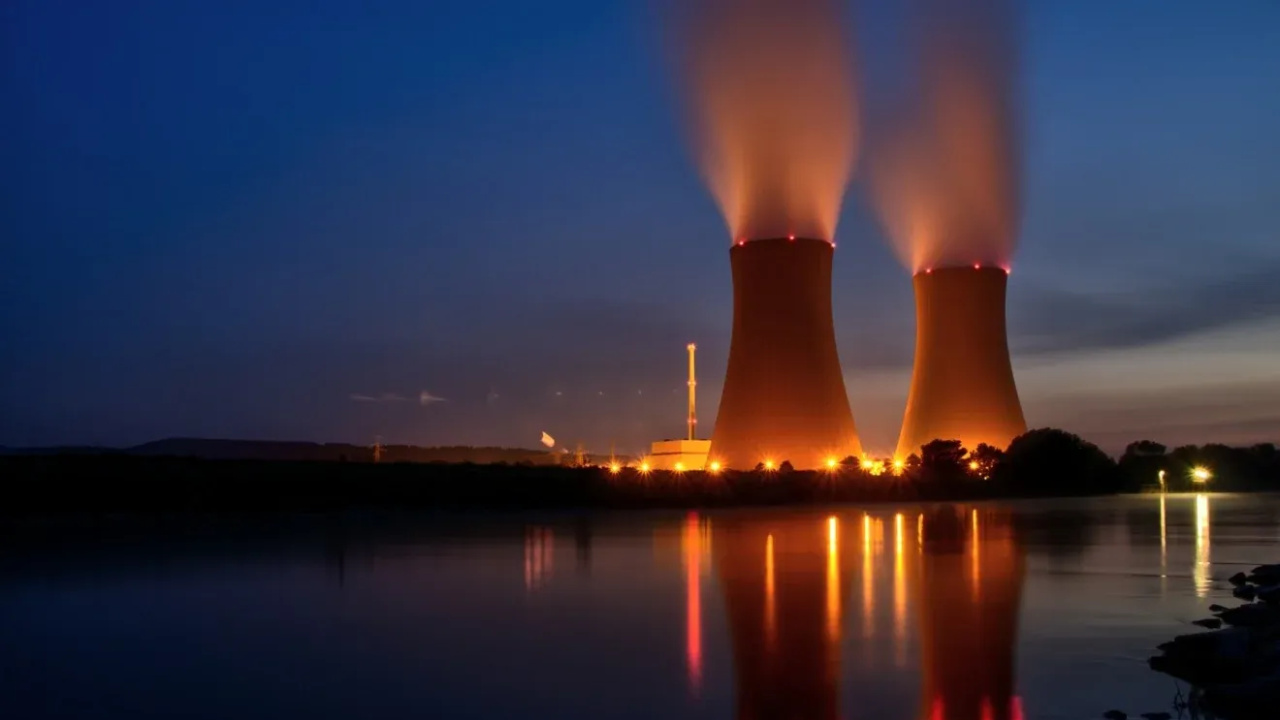
IEA Report Shows That Nuclear Power Is Growing Globally, but Its Share in Electricity Generation Remains Stagnant Despite Rising Demand for Energy Security.
Amid international discussions, geopolitical instability, regional conflicts, and climate risks, governments and investors are seeking alternatives to ensure a continuous energy supply. In this context, nuclear energy is reemerging as a relevant component, although it still faces structural limitations to expand its share in the global energy mix.
According to the World Energy Outlook, released in November by the International Energy Agency (IEA), the nuclear sector shows consistent growth, but at a pace slower than other sources. The report highlights that the global energy reality is shaped by uncertainties, making predictability one of the greatest challenges for policymakers.
According to the report, “the decisions made by energy policy makers will be crucial in dealing with these risks, but this occurs in a complex context.”
-
Brazilians paid R$ 18 billion more for energy from the Itaipu plant, reflecting a direct impact on tariffs and generating discussions about costs, transparency, and balance in the national electricity sector.

-
Equatorial adopts new national number for consumer units on electricity bills starting in April, following ANEEL standards and modernizing energy bills in several states.

-
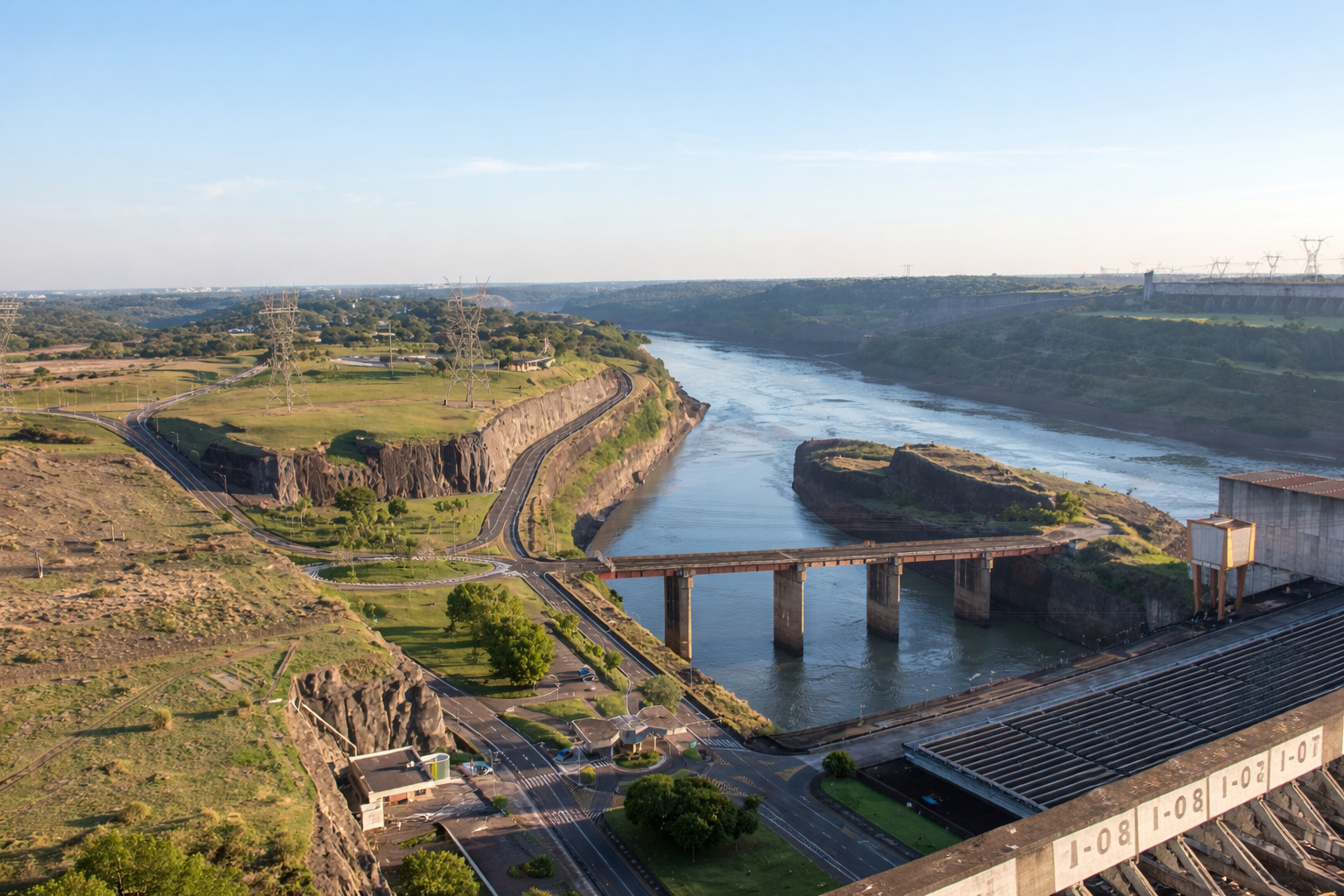
Itaipu Impresses the World: Hydroelectric Plant with 20 Turbines and 14,000 MW Generates Over 2.9 Billion MWh and Leads Global Clean Energy Production
-
Aneel Revokes CMAA Thermal Power Plants After Network Restrictions and Excess Energy in the System


Global Instability Drives Different Energy Strategies
The world continues to face a structural energy shortage. This condition is not new, but it takes on new dimensions due to the ongoing economic and environmental transformations. Historically, energy has been one of the main drivers of geopolitical tensions, and the current scenario is no exception.
In this context, countries are adopting distinct strategies. Some nations, especially fuel importers, are directing efforts towards renewable energy and energy efficiency. Others, in turn, prioritize strengthening the supply of traditional sources.
As the report notes, “some, including many fuel-importing countries, lean towards renewable energy and energy efficiency as solutions. Others focus more on ensuring a wide supply of traditional fuels.”
All Sources Are Growing, but at Different Speeds
One of the central points of the IEA document is that virtually all sources of energy generation are expanding. Renewable energies continue to break records. In 2024, this was the 23rd consecutive year of growth in the deployment of these sources.
At the same time, the consumption of oil, natural gas, and coal has also reached record levels. Nuclear power generation follows this upward trend, although on a more modest scale.
According to the report, “renewable energies established new records for deployment in 2024 for the 23rd consecutive year. The consumption of oil, natural gas, and coal, as well as nuclear production, also reached record levels.”
Emissions Continue to Rise Despite Climate Commitments
Despite the global discourse aimed at decarbonization, the IEA identifies a reduction in the intensity of efforts to decrease emissions. Since 2019, the demand for coal has grown at a faster rate than that for natural gas, primarily driven by China.
This movement directly contributes to the increase in energy-related emissions. Since 2010, global energy demand has grown by more than 20%. In 2024, this growth was 2%, surpassing 650 exajoules (EJ), a figure significantly higher than the annual average recorded in the previous decade.
Fossil fuels accounted for nearly 80% of total energy demand in 2024. Nevertheless, wind and solar generation maintain a steady growth trajectory, with nearly 700 TWh added.
Nuclear Energy Recovers but Remains at a Low Base
After a decline in the early 2010s, nuclear energy production has started to grow again. This advance is associated with the commissioning of new units and the resumption of reactors that had been shut down.
The IEA classifies this growth as “strong.” However, when compared to other sources, the absolute volume of electricity generated by nuclear energy remains limited, exceeding only biomass.
The expansion of installed nuclear capacity is also occurring at a slow pace. In the last decade, the average was only 8 GW per year. In contrast, global solar capacity grew ten times more during the same period, reaching 540 GW alone in 2024.
Investments in Nuclear Energy Remain Modest
Global investment in energy reached $3.2 trillion in 2024, surpassing the average of the previous decade. Still, nuclear energy receives a relatively small slice of this amount.
Even with a 70% increase in investments over the past five years, the sector lags behind areas like energy efficiency, renewables, battery storage, and even oil, gas, and coal.
The comparison with solar energy highlights this difference. During the same period, investments in solar panels more than doubled, revealing a significant disparity in the attractiveness of the sectors.
Europe and the United States Lose Nuclear Prominence
Another point raised by the IEA is the loss of leadership by Europe and the United States in the nuclear sector. Large-scale reactor projects in these regions have faced significant delays and budget overruns.
According to the report, “nuclear energy has suffered significant delays and budget overruns in recent years for large-scale reactors in Europe and the United States, which, on average, were completed eight years later than planned and cost 2.5 times more than initially estimated.”
In contrast, projects in Russia, China, and Korea have been completed closer to the original timelines and costs, reinforcing the shift in the global nuclear axis.
Electricity Demand Grows and Pressures Energy Systems
The demand for electricity continues to expand in practically all regions. India and Indonesia are leading this growth, reflecting processes of industrialization and population growth.
Although solar and wind energy are becoming more competitive, challenges related to infrastructure, storage, and intermittency are expected to slow part of this growth. Nevertheless, the annual addition of solar capacity is expected to reach an average of 540 GW by 2035.
In this scenario, coal remains the primary source of global electricity generation until 2035, despite climate goals.
Nuclear Energy Is Expected to Accelerate from the 2030s
The IEA projects an acceleration in the construction of nuclear power plants starting in the 2030s. More than 40 countries already have policies aimed at expanding nuclear energy, and investment in the sector has doubled since 2015.
As a result, “global nuclear capacity in the Coal Production System (CPS) expands by one-third by 2035.” By 2050, growth exceeds 80%.
This advance will be driven by the resumption of reactors in Japan and new constructions in the United States, Japan, South Korea, and France.
Russia and China Lead Global Nuclear Expansion
The most significant growth in nuclear energy will be led by Russia and China. According to the report, China accounts for nearly half of the nuclear capacity currently under construction.
“China accounts for nearly half of all nuclear capacity currently under construction and is on track to become the world’s largest nuclear power operator by around 2030,” the document admits.
In Russia, the National Master Plan foresees the commissioning of 38 nuclear power plants by 2042, totaling 29.3 GW of capacity. The share of nuclear energy in the Russian matrix is expected to rise from 18.9% in 2023 to 24% in 2042.
Rosatom, the Russian state company, has a portfolio of 41 nuclear projects, both large and small scale, in 11 countries.
Nuclear Energy’s Share Remains Limited in Future Scenarios
Even with projected growth, nuclear energy will continue to have a relatively low share in the global electricity matrix. In the CPS scenario, nuclear generation grows by 40% by 2035, maintaining a share of around 9%.
The IEA has revised its nuclear demand projection upwards, estimating a 4% increase in 2035 compared to the previous forecast. Between 2035 and 2050, the additional growth will also be around 40%, without significant changes in the percentage share.
Meanwhile, renewable energies are expected to meet all additional energy demand starting in the 2030s, expanding their share to over two-thirds of global generation by 2050.
Nuclear Energy Faces Challenge in Maintaining Relevance
The scenarios presented by the IEA indicate that nuclear energy, despite its low emission and stable production characteristics, still has the lowest share among the main sources of electricity generation.
Faced with the continuous growth of global electricity demand, the nuclear sector will need to accelerate investments, policy decisions, and technological advancements just to maintain its current market share, estimated at around 9%.
To expand this space, it will be necessary to “operate even faster,” as analysts indicate, which involves not only capital but also skilled labor, innovation, and regulatory alignment on a global scale.






Seja o primeiro a reagir!