





 Português
  Inglês
  Espanhol
  3 min de leitura
  0 comentários


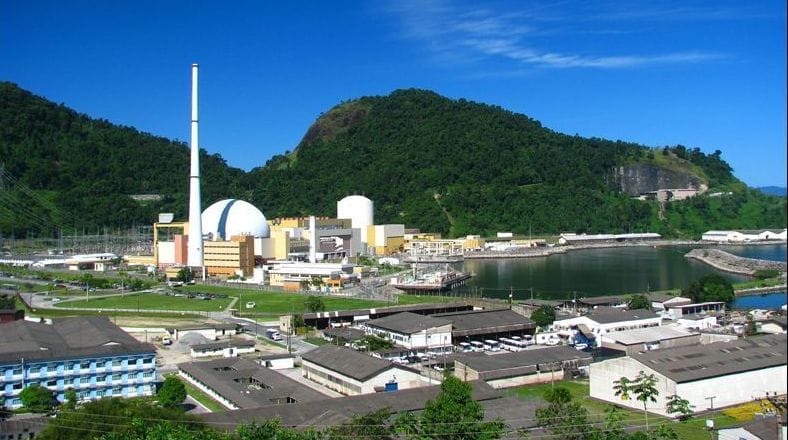
Angra 3 Nuclear Power Plant, Included in the New PAC, Will Generate 12 Million Megawatt-Hours Annually, Ensuring Energy Security and Zero Carbon Emission.
Nuclear energy has been seen as an important option by the federal government, which believes that its integration into the Brazilian matrix is essential for the green transition. The Angra 3 plant, which has been included in the New PAC, is seen as having the greatest potential for nuclear energy expansion and is expected to begin operations in 2028.
The Ministry of Mines and Energy (MME) emphasizes that nuclear energy, in addition to emitting little, will diversify the country’s energy matrix and bring security, as its generation is stable and does not depend on external factors. Atomic energy, therefore, represents a strategic option for Brazil, with significant uranium reserves and technological expertise in the production cycle.
Nuclear Energy in Brazil: Current Overview
According to data gathered by the Energy Research Company (EPE), nuclear energy accounts for about 1.3% of the Brazilian matrix. This source is generated by two plants, Angra 1 and 2, which together have a capacity of 1,990 megawatts. Globally, nuclear energy accounts for an average of 5% of the energy matrix.
-
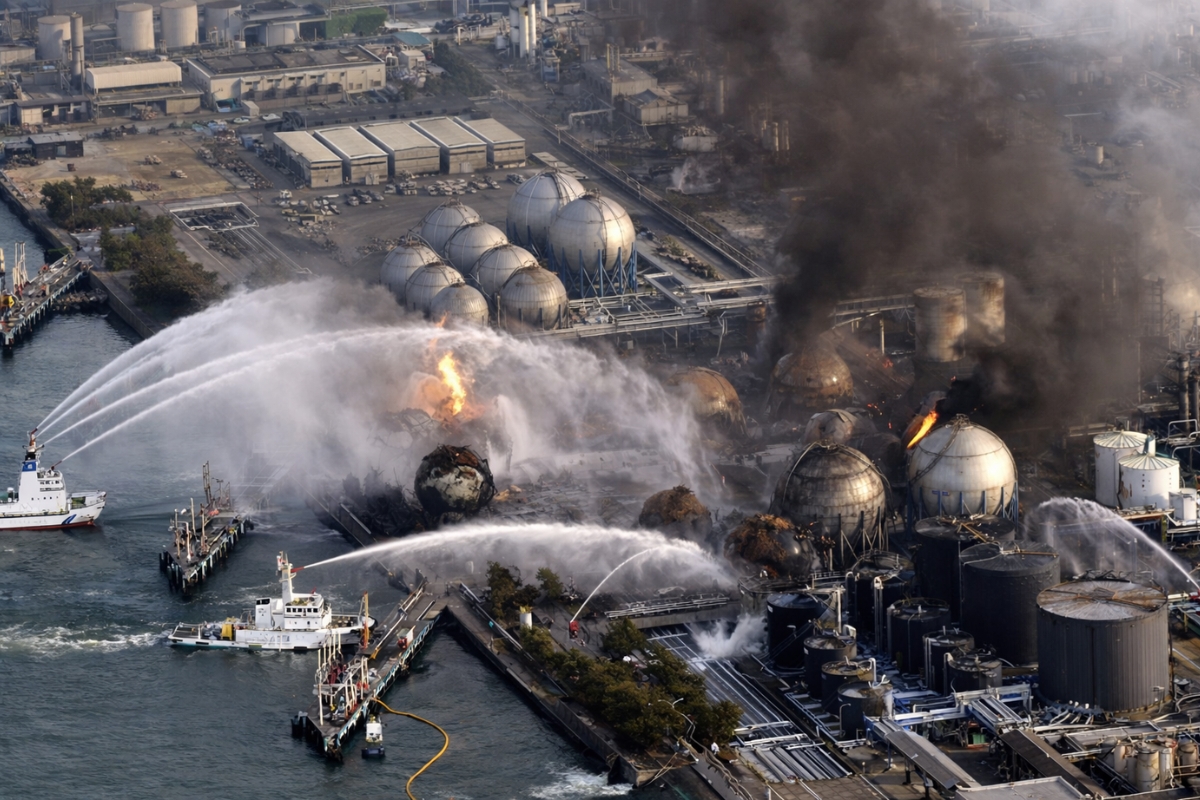
Fukushima Marks A Turning Point In Japan’s Energy Policy: After The Disaster, The Country Shut Down Its 54 Nuclear Reactors And, 15 Years Later, Only A Small Portion Have Returned To Operation
-
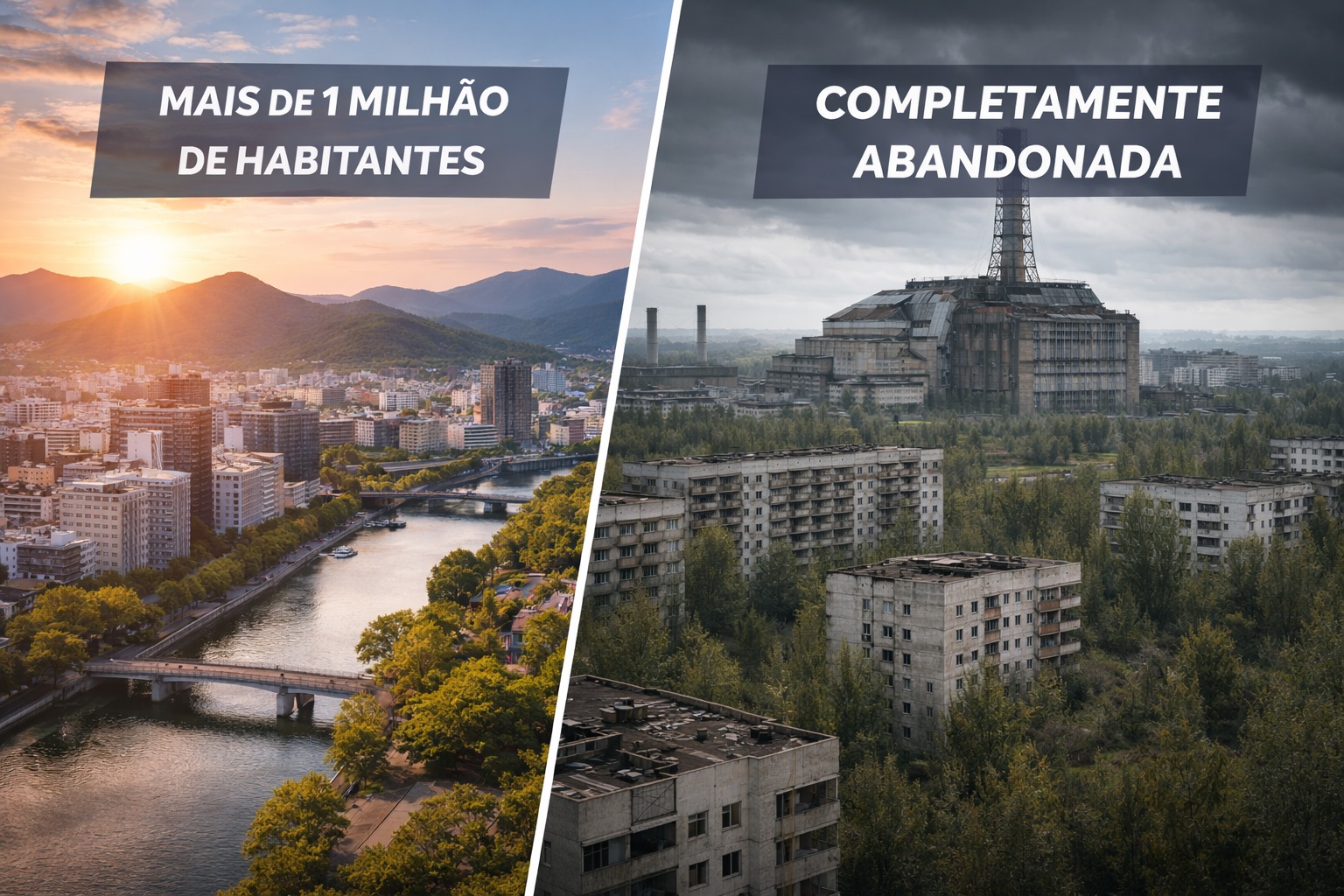
How Japan Overcame The Nuclear Bomb And Now Houses Millions In Hiroshima, While Ukraine Lost Chernobyl?
-
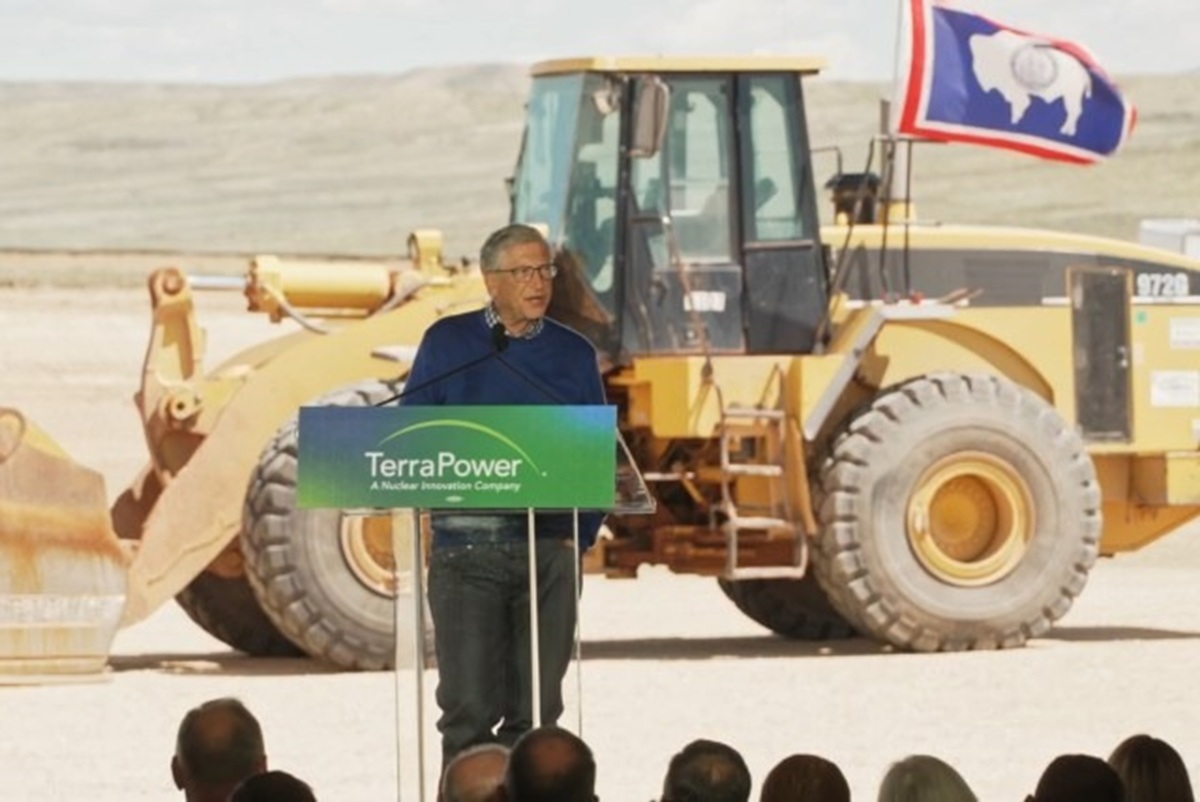
Bill Gates Receives Historic Approval to Build Giant 345 MW Nuclear Plant in the U.S. and Promises to Generate Up to 500 MW of Energy with Innovative Technology
-
India Opens Nuclear Energy to Private Capital to Accelerate Projects and Attract Billions, While Brazil Remains Stalled at Angra 3 and Discusses Who Will Foot the Bill for Completion
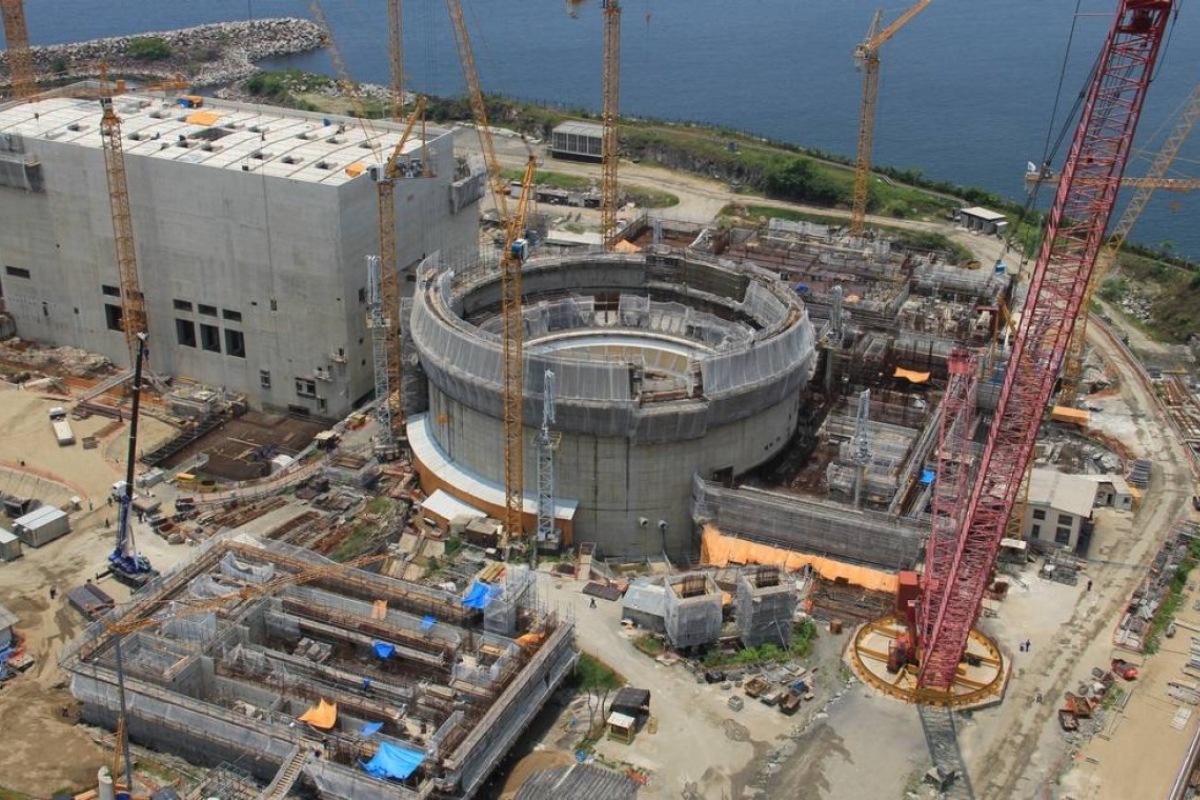

New PAC and nuclear energy: Angra 3 Plant
Angra 3, which is the third unit of the Almirante Álvaro Alberto Nuclear Power Plant, located in Rio de Janeiro, will have a capacity of 1,405 megawatts and will generate 12 million megawatt-hours annually, which is enough to meet the needs of 4.5 million people. It is expected that with the plant’s operation, nuclear energy will start to represent 3% of energy consumption in Brazil.
The Advances and Challenges of Angra 3
About 65% of the plant’s construction has been completed, with an investment of R$ 7.8 billion. However, the works had to be interrupted in 2015 due to a review of the financing, and resumed only in 2022. The bidding for contracting the company responsible for completing the construction and electromechanical assembly of the plant is scheduled for the first half of 2024.
Necessary Investments and Plant Operation
The project is included in the New PAC for a technical and environmental feasibility study, and it is estimated that R$ 20 billion will be needed in investments to complete it. The operation of the plant will be the responsibility of Eletronuclear, which has been controlled by ENBPar since the capitalization of Eletrobras in 2022, as the exploration of nuclear energy is the exclusive responsibility of the Union.
International Recognition and Future Projections
The Ministry of Mines and Energy has emphasized that, at the last United Nations Climate Change Conference (COP) 28, nuclear energy was included in the portfolio of technologies to enable global energy transition. The statement from the International Atomic Energy Agency (IAEA) released at COP, supported by several countries, emphasized that nuclear energy has the potential to play a role in the pursuit of net-zero carbon emissions while ensuring security and nuclear protection.
Environmental Projections and Challenges
The IAEA’s projections for nuclear energy indicate that installed capacity worldwide will more than double by 2050, increasing from 369 gigawatts to 890 gigawatts. Despite the low emissions, nuclear energy raises concerns due to the waste generated by power plants. Nuclear waste, a byproduct of fission reactions in reactors, is highly radioactive, requiring modern techniques for its proper management.
Conclusion
Nuclear energy plays an increasingly relevant role in the energy matrix of Brazil and the world, contributing to energy security, stable electricity generation, and reduction of carbon emissions. The development of nuclear plants such as Angra 3 not only strengthens the country’s position as a holder of uranium reserves and technological expertise in this area but also supports sustainability and decarbonization goals of the global economy.
Source: CNN Brazil









Seja o primeiro a reagir!