





 English
  Francês
  Alemão
  Italiano
  Japonês
  Norueguês
  Portuguese
  Spanish
  3 min of reading


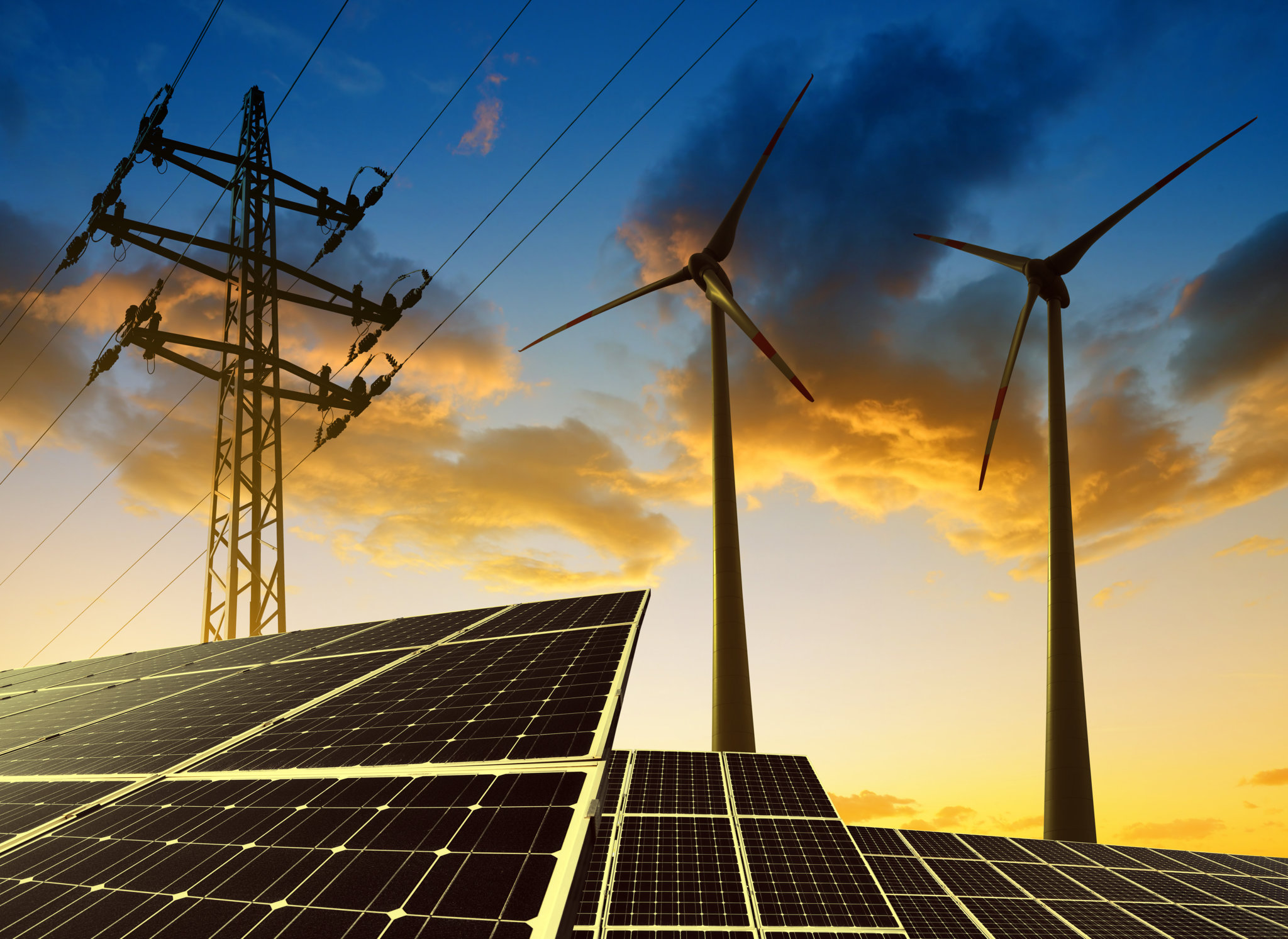
Brazil Has Been Highlighting Globally for Its Great Capacity for Wind Energy, as Well as Receiving High Investments in Other Sources
Published on April 4, Monday, the report from the Global Wind Energy Council (GWEC) details and analyzes the global wind energy sector scenario comprehensively. As shown by the Brazilian Wind Energy Association (Abeeólica), it is noted that Brazil moved up one position in the 2021 Onshore Wind Power Installed Capacity Ranking, now occupying the sixth place. In 2012, Brazil was in 15th place, and last year, it was recognized as the third country to install the most wind power plants, according to GWEC.
In the 2021 installed capacity ranking, Brazil reached 21.5 gigawatts (GW) of installed capacity in onshore wind power plants and ranked number 6, behind Spain (28.3 GW); India (40 GW); Germany (56.8 GW); the United States (134.3 GW) and China (310.6 GW).
According to the site Exame, in the global context, the Global Wind Report 2022 from the Global Wind Energy Council highlights that the planet’s capacity expanded by 93.6 GW last year, raising the accumulated wind energy capacity to a total of 837 GW, evidencing an annual growth of 12%.
-
A study reveals the expansion of renewable energy procurement in Brazil and shows how companies are taking advantage of opportunities to reduce expenses, ensure energy efficiency, and strengthen strategic environmental commitments.

-
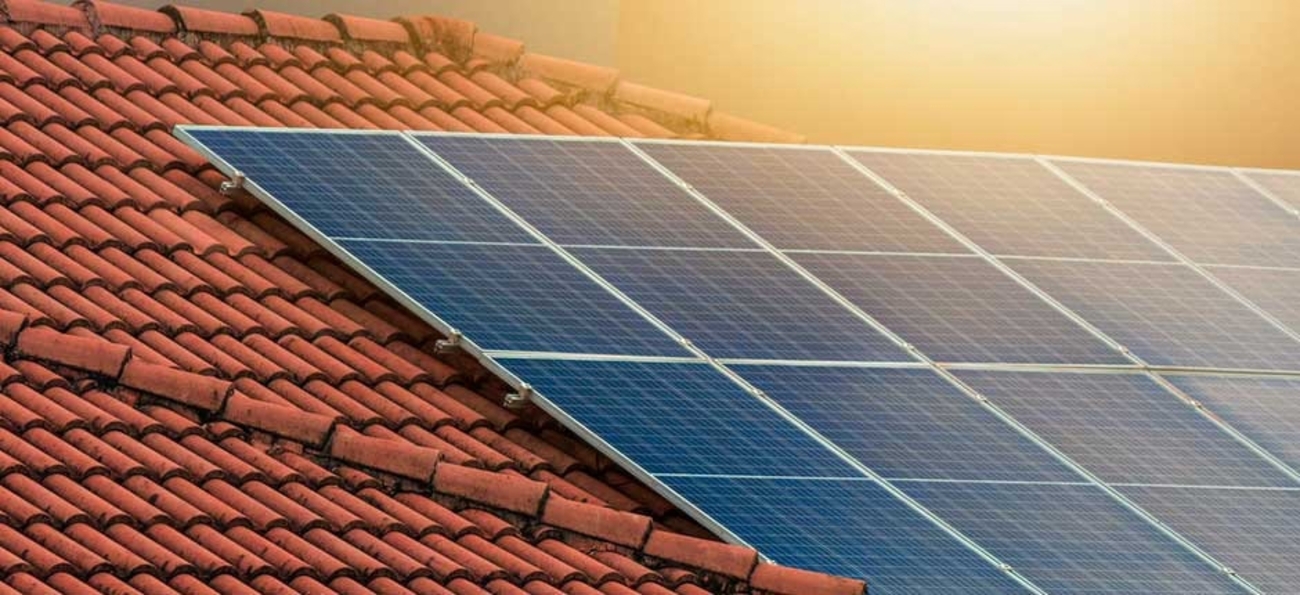
Roraima bets on the sun to escape high tariffs: Amid the energy crisis and price hikes, solar energy is growing in Roraima and transforming consumption in the North region.
-
Mato Grosso do Sul excels in the sugar-energy sector: the state reaches a milestone of 22 operating mills and accelerates the production of clean energy in MS with a focus on sustainability.

-
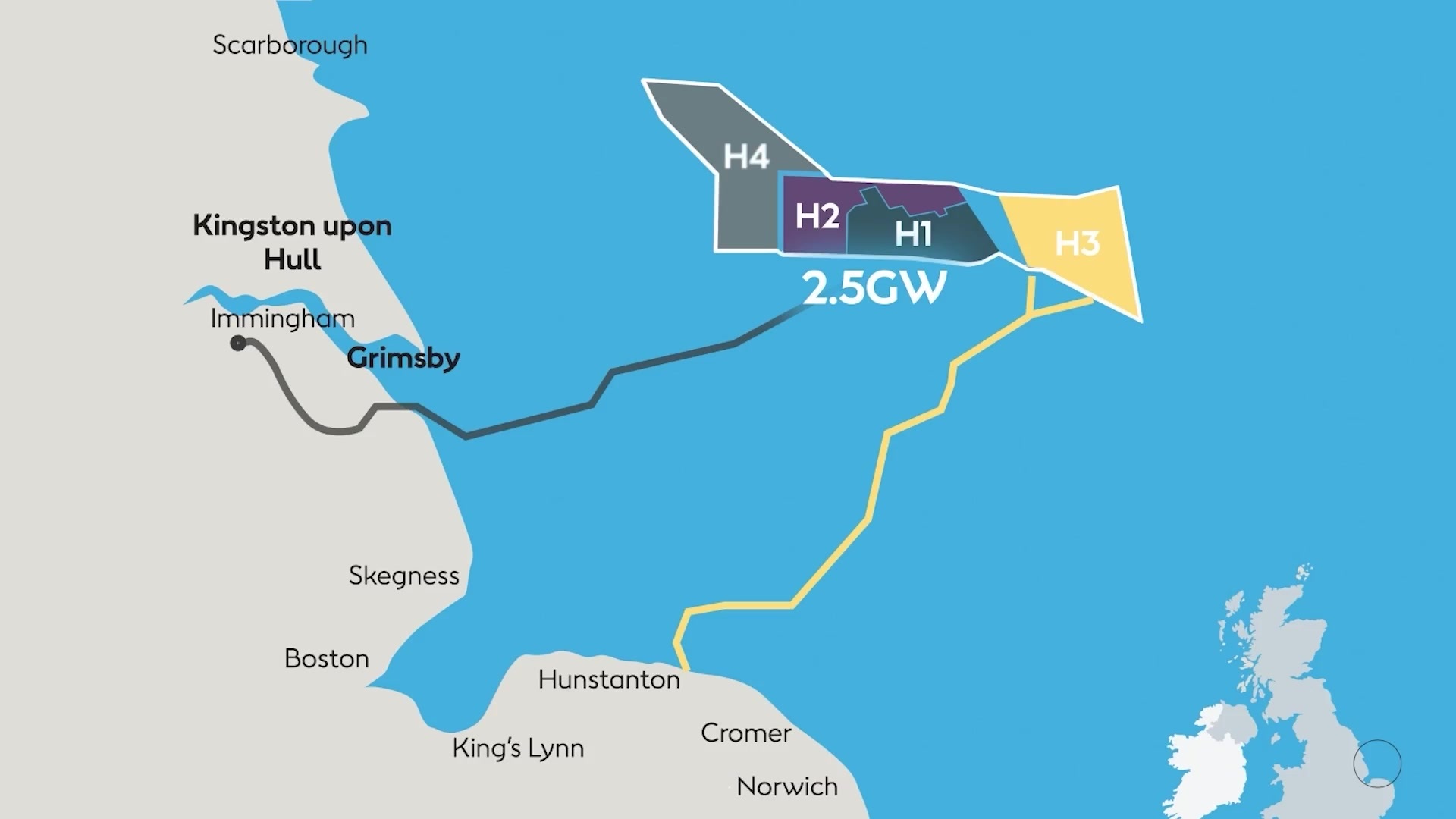
231 turbines of 260 meters at 160 km from the coast, monopiles weighing as much as nine blue whales embedded in the North Sea, and a crane ship taller than the Eiffel Tower: Hornsea 3 will be the largest offshore wind farm on the planet by 2027, and its first components have already arrived in England.

Country Also Ensures Good Results in the Solar Matrix
Moreover, Brazil surpassed the mark of 14 gigawatts (GW) of operational capacity from photovoltaic solar energy, by adding large plants and other energy production systems at the residential scale. Thus, solar energy surpasses the installed capacity of the Itaipu plant, according to an analysis by the Brazilian Photovoltaic Solar Energy Association (ABSOLAR).
According to the Association, since 2012, solar energy has provided the country with over R$ 74.6 billion in new investments, R$ 20.9 billion in revenue to public coffers and also provided over 420 thousand jobs. Furthermore, with the use of this source, the emission of 18 million tons of CO2 was avoided.
According to Rodrigo Sauaia, CEO of ABSOLAR, the development of solar energy in Brazil is essential for advancing the social, economic, and environmental spheres of the country. “This source helps diversify the electricity supply of the country, reducing pressure on water resources and the risk of further increases in electricity bills for the population,” he affirms.
Sauaia adds an analysis: “Large-scale solar plants generate electricity at prices up to ten times lower than those of emergency fossil thermal plants or electricity imported from neighboring countries currently, two of the main factors responsible for the tariff increase on consumers.”
Sector Expansion
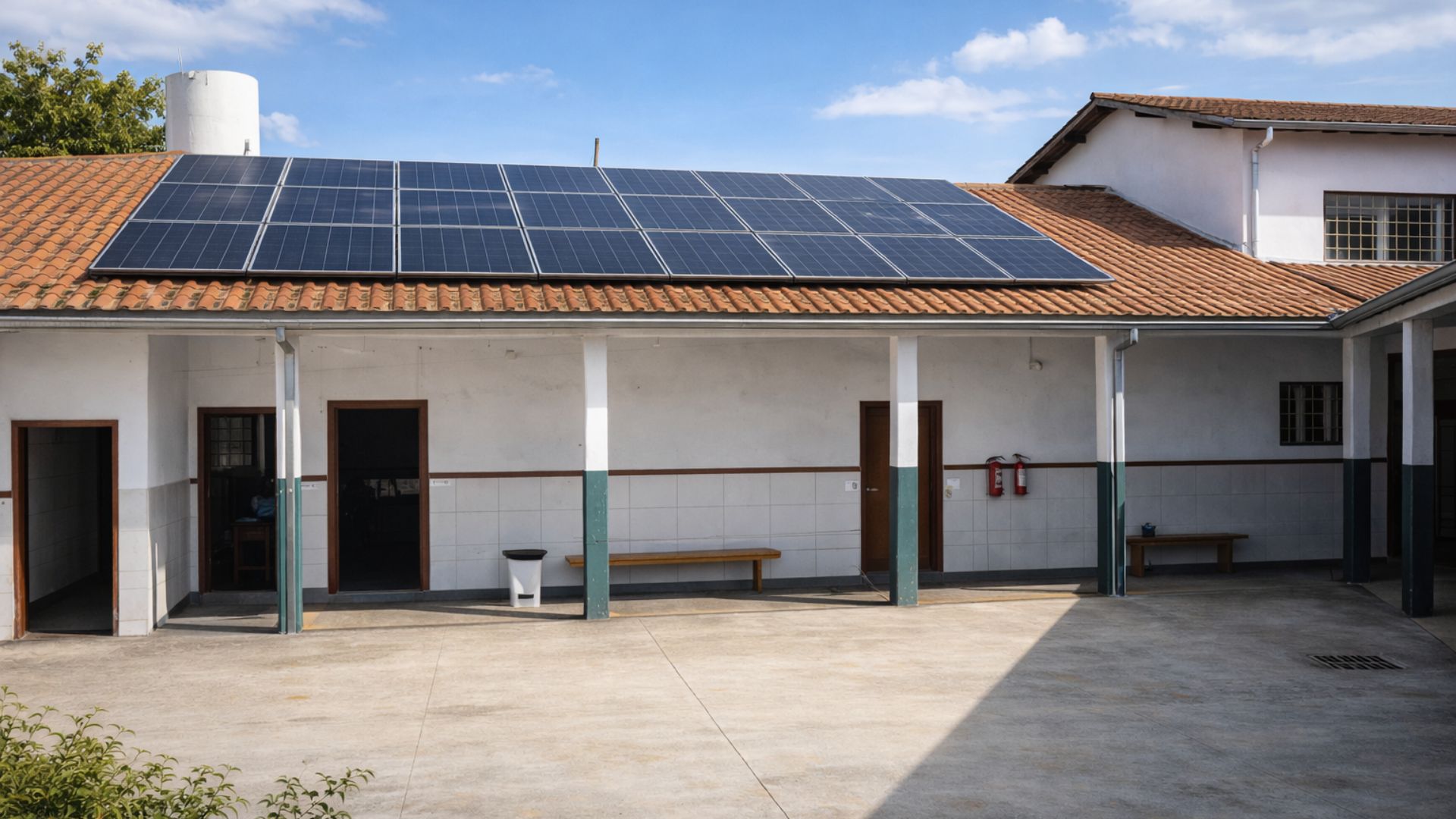
The energy sector forecasts an accelerated expansion in 2022 for active solar systems in Brazil, especially residential-level systems aimed at self-production, due to the increase in electricity bills and Law No. 14,300/2022, which created the legal framework for self-generation and is already in effect.
Ronaldo Koloszuk, chairman of the ABSOLAR Board of Directors, explains: “This is the best time to invest in solar energy, precisely because of the new increase already expected in Brazilians’ electricity bills and the transition period outlined in the law, which guarantees until 2045 the maintenance of current rules for consumers who install a solar system on their roofs by January 2023.”
Brazil has 4.7 GW of installed capacity in large-scale solar systems, which corresponds to 2.4% of the total electricity matrix. Thus, these systems are the sixth largest source of electricity in the country, present in 19 states. Regarding self-generation, there are 9.3 GW of installed capacity from solar energy. Used in 99.9% of Brazil’s self-generation connections, solar energy is the leader in the sector.
According to Koloszuk, solar energy is quick to install and accessible. He concludes: “Competitive and clean electricity is fundamental for the country to recover its economy and achieve growth. Solar energy is part of that solution and a true engine for generating opportunities and new jobs.”








Seja o primeiro a reagir!