Portuguese
  Spanish


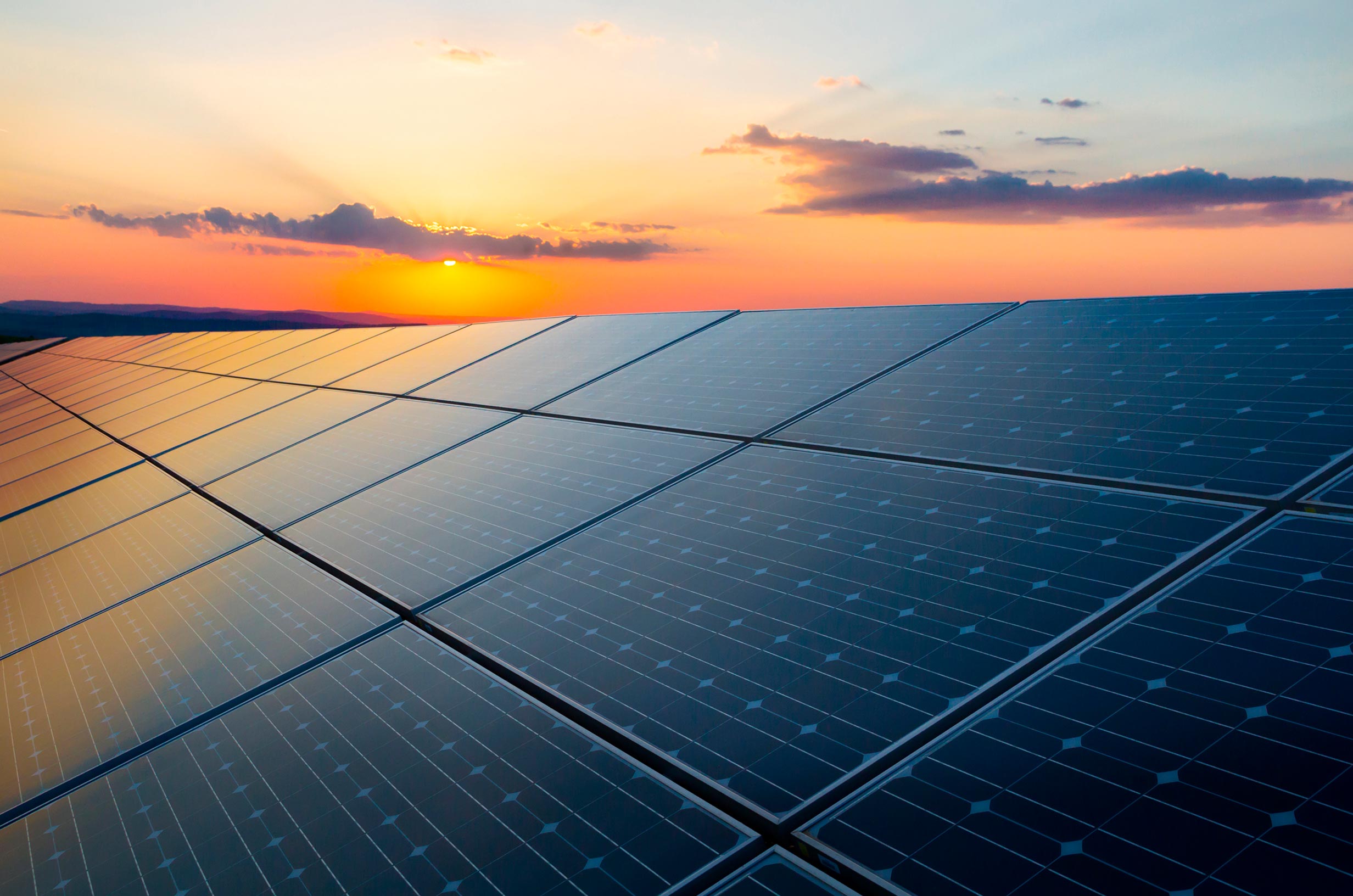

Absolar Predicts That In 2 Or 3 Decades Solar Energy Will Be So Accessible That The Entire Population Will Opt For It
On March 30, Wednesday, the Brazilian Association of Photovoltaic Solar Energy (Absolar), which represents the solar energy sector in the country, held elections for its Board of Directors for the years 2022 to 2026. Ronaldo Koloszuk will serve as the president of the Association for another four-year term.
Ronaldo stated to the news outlet Exame that his reelection is evidence of the trust that members place in his team. During his time leading the Absolar board, Koloszuk has witnessed significant growth in the solar energy sector. Just in March, the source reached 14 gigawatts of operational power, thus surpassing the Itaipu plant, which is Brazil’s largest hydroelectric power station. Since 2012, when solar energy gained more national prominence, this renewable source has brought nearly 75 billion reais in investments, in addition to generating 420,000 jobs.
For the Absolar executive, solar energy is attractive in economic and technological terms. “With one day of installation, the customer can achieve a reduction of up to 90% in their electricity bill. In three years, the investment pays off,” explains Koloszuk.
-
Giant Batteries Take Center Stage in Chile Auction as Company Offers 960 GWh of Solar Energy for Nighttime Use, Aiming to Stabilize Solar Power Supply

-
After a Year of Success in Switzerland, Solar Railway Attracts Italy’s Interest for Clean Energy Transformation
-
Robots Clean Solar Panels in Desert Power Plants Without Water, Preventing Energy Losses
-
Brazil’s Offshore Wind Energy Potential Worth $1 Trillion Stalled by Long-Delayed Agreement



Replacement Of Hydroelectric Energy With Solar
According to data provided by Bloomberg, the leader of Absolar has no doubt about the presence of solar energy in the Brazilian market. He believes that in 20 or 30 years, solar energy could surpass hydroelectric power and become the most used energy source in the country, moving towards an energy transition. “Solar is becoming cheaper and cheaper. Anyone who quoted an installation two years ago and thought it was expensive would not think so today,” he reiterates.
Another factor driving the growth of solar energy is its ease of installation. For example, a large-scale plant is built entirely within a year and a half; corresponding to a fraction of the time needed to establish a hydroelectric or wind farm. For a clearer comparison, completing the construction of the Angra 3 nuclear plant is expected to take at least 10 years.
According to a study by Singularity University cited by Koloszuk, solar energy is becoming so inexpensive that it may even come at no cost. “The electric car will bring a major transformation to the energy sector. The supply will grow so much that energy will be shared like Wi-Fi,” says the president of Absolar, referring to the type of most promising car on the current market.
Is This Renewable Source At Risk Due To The War?
Even with the oil crisis affecting the global market as a consequence of the War in Ukraine, the outlook for solar energy remains positive. According to the head of Absolar, initially, the war concerned the organization, but now it is unlikely to negatively impact the sector. The worst-case scenario would be a separation of the world, with China on one side and Brazil on the other – in this scenario, there would be obstacles in importing equipment, as the Asian giant is the largest producer and supplier. However, the probabilities are slim.
In this regard, preventing the popularization of solar panels among the Brazilian population will only be possible when there is a technology that is even more efficient and cheaper. According to Absolar, there is no forecast of any competitor approaching.