





 Portuguese
  English
  Spanish
 4 min of reading
  0 comments


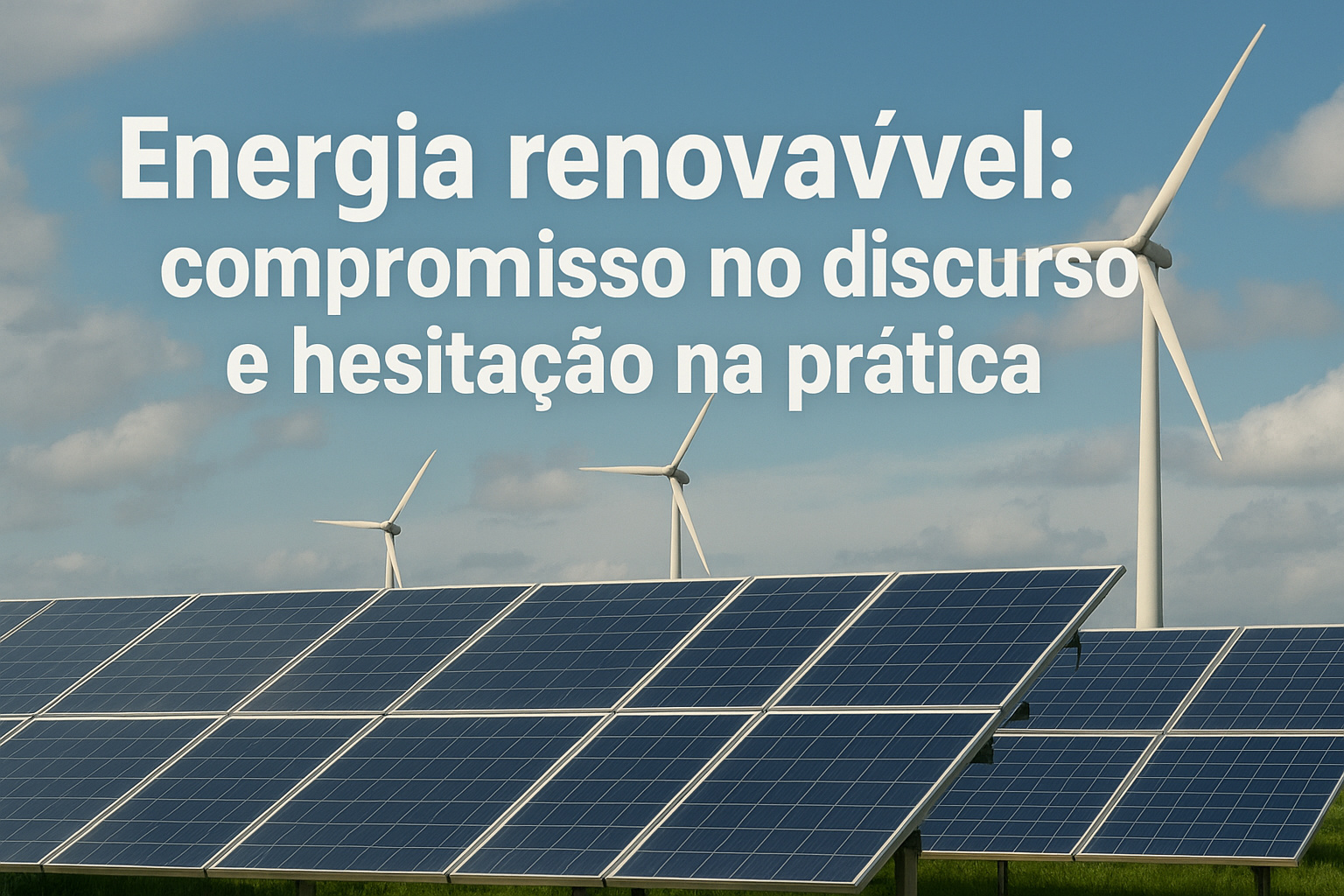
76% of Brazilians support renewable energy, but only 26% actually adopt it — understand why
Renewable energy has become one of the most discussed topics in Brazil in recent years. However, despite a broad discourse of support, practice is moving slowly.
The Gap Between Intention and Reality
-
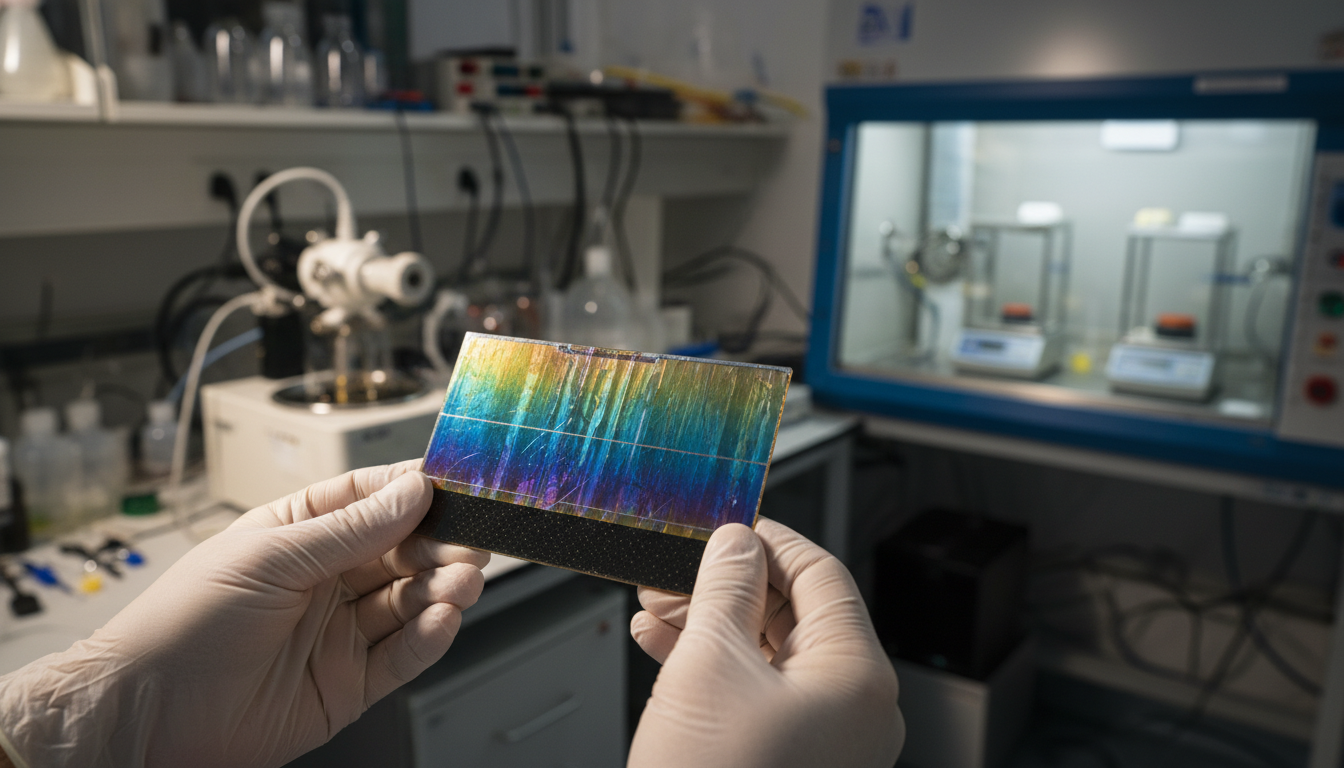
Chinese company creates solar cell that breaks the physical limit of silicon with 34.85% efficiency and promises to revolutionize electricity bills with panels that generate 20% more energy starting in 2026.
-
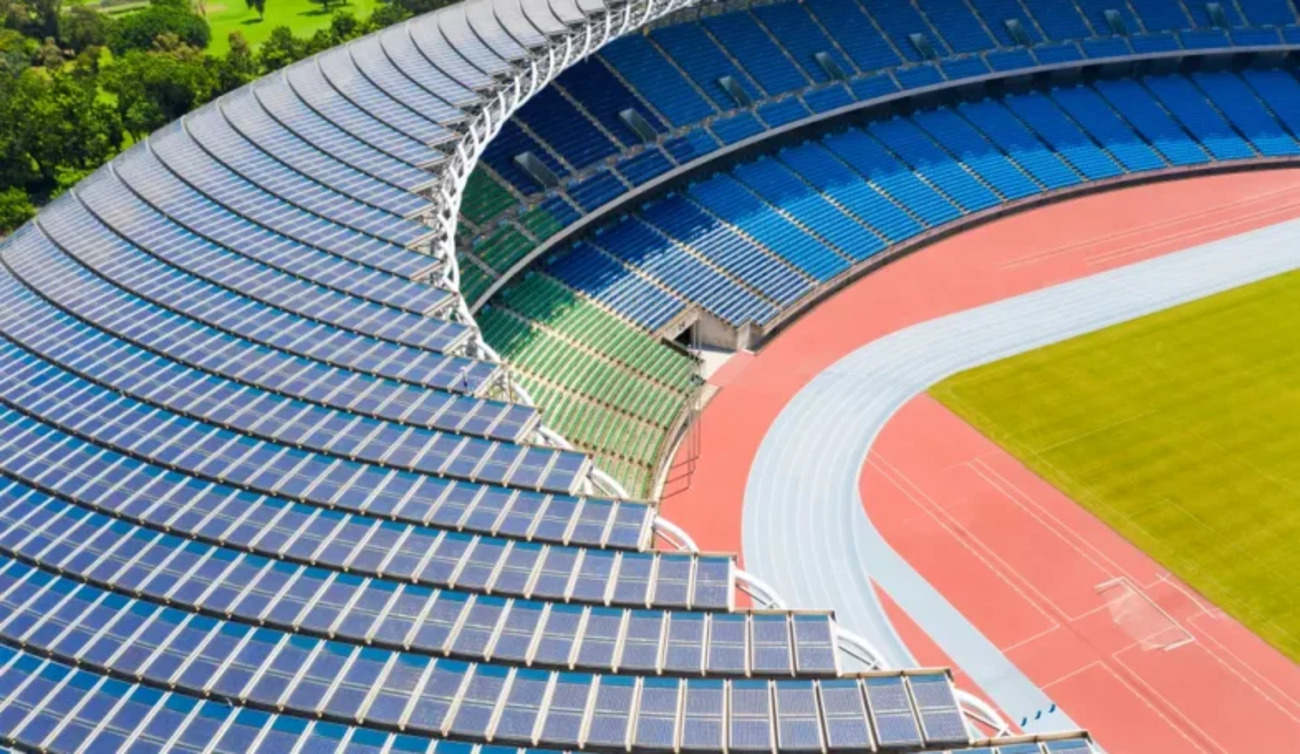
How green infrastructure and renewable energy at the World Cup transform the logistics of the largest sporting event on the planet in North America.
-
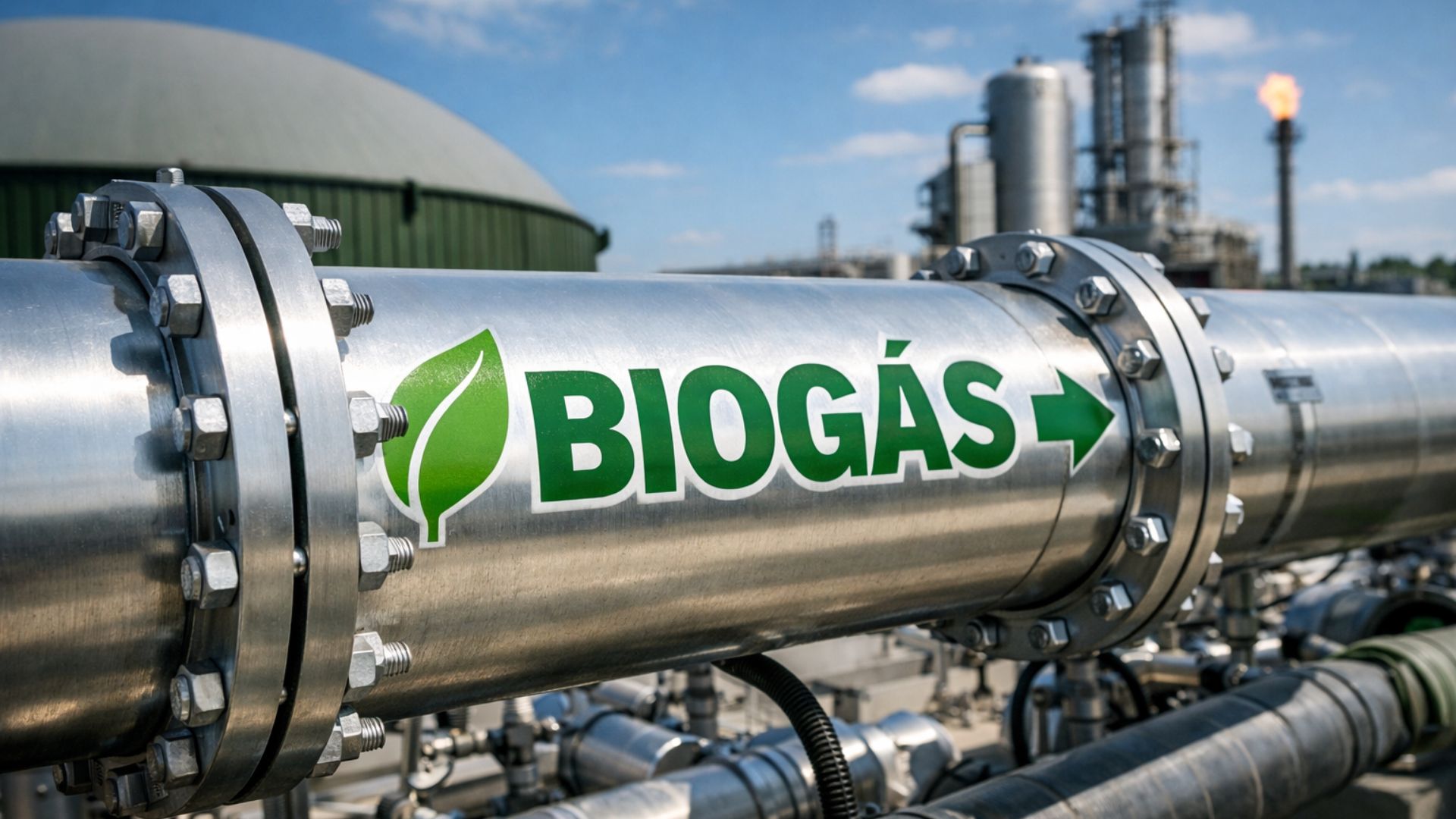
The Cagece and UFC project advances in sustainable innovation with biogas by converting waste into renewable energy, reducing environmental impacts, and increasing sanitation efficiency with concrete and measurable results.
-
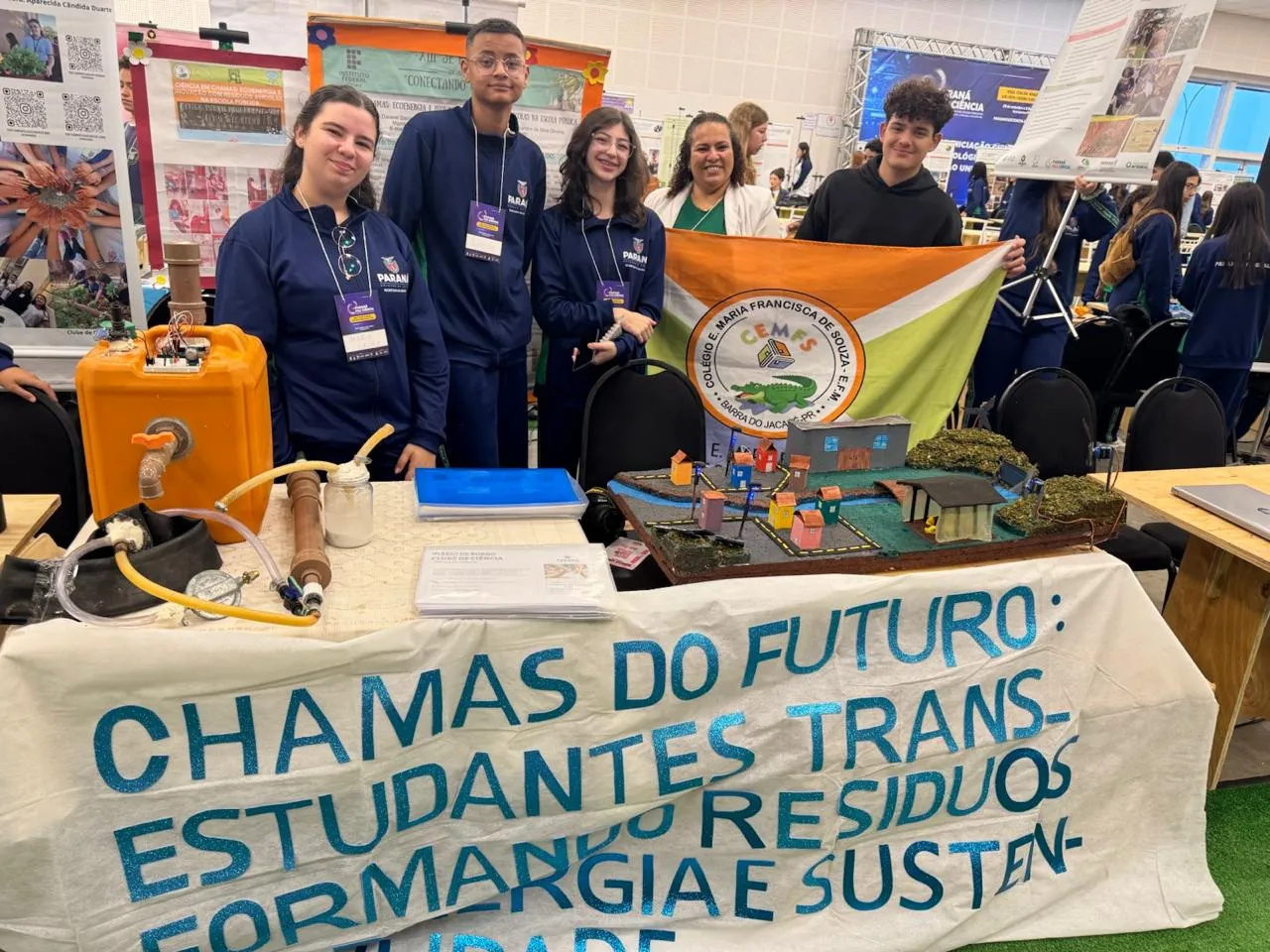
Paranaense students develop a system that transforms farm waste into clean energy and revolutionizes sustainable agribusiness.
According to the ESG Trends 2025 study conducted by Demanda Pesquisa e Desenvolvimento de Mercado, 76% of Brazilians claim that renewable energy is essential for the country’s future.
However, only 26% say they use some clean source at home, as reported by Metrópoles in 2024.
This contrast reveals a profound difference between what the population believes and what they actually do in their daily lives.
According to Sílvio Pires de Paula, president of Demanda, this gap demonstrates that Brazilians support the environmental cause but encounter barriers that hinder change.
Moreover, according to Metrópoles, this difference of 50 percentage points is the largest recorded among the 24 sustainable habits evaluated in the survey.
This is a striking piece of data because it places clean energy at the center of environmental, economic, and social discussions in the country.
Obstacles That Hinder the Advancement of Renewable Energy
Immediately after the study was released, experts began to point out the reasons for this gap between theory and practice.
Among them is engineer Rodrigo Porto from the University of Brasília (UnB), who stated to Metrópoles in 2024 that Brazil’s electrical grids are not fully prepared to receive decentralized energy on a large scale.
He explained that, despite the country’s solar and wind potential, the infrastructure is still adjusting to this new reality.
This means that many families wish to install solar panels but face technical, regulatory, and financial difficulties.
Additionally, the expert explained that there is a strong educational component, as part of the population believes that “Brazil is already doing enough.”
This mindset arises because the country already has a matrix considered clean, which can create the false impression that individual effort does not make a difference.
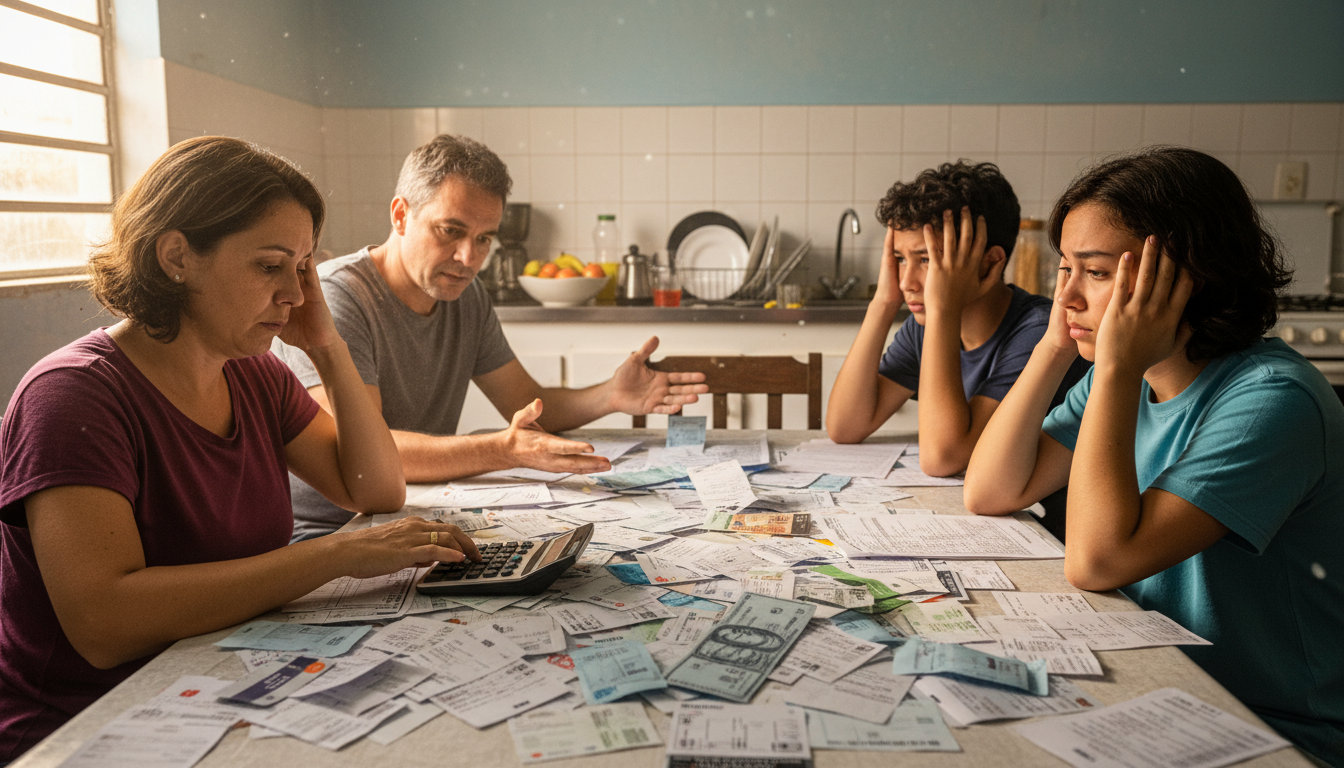
At the same time, Francisco Moreira, sustainability coordinator at COP30, stated to the portal that the initial cost of renewable energy still weighs heavily.
According to him, many Brazilians wish to adopt sustainable practices but cannot invest in photovoltaic systems without financial support.
This combination of factors creates a scenario in which the desire exists, but execution does not materialize.
Historical Context: How Brazil Became a Reference in Renewables
To understand this scenario, we need to look at the history of renewable energy in the country.
According to the Federal Government, Brazil has had a predominantly renewable matrix for over 50 years, primarily due to the expansion of hydropower plants throughout the 20th century.
Nevertheless, since the 2000s, the country has been diversifying its sources.
According to data published on the government website in 2023, Brazil achieved 93% renewable electricity generation that year, comprising hydropower, wind, solar, and biomass.
Additionally, according to USP, the Alternative Energy Sources Incentive Program (PROINFA) has boosted the growth of wind and biomass sources since 2002.
The university also highlights that, between 2004 and 2012, Brazil actively participated in the Clean Development Mechanism (CDM) established in the Kyoto Protocol, which accelerated green projects.
This historical path explains why Brazil has so much potential.
However, despite this journey, there is still a significant challenge in democratizing access.
The Influence of the Economy and Public Policies
Although renewable energy has grown rapidly in the country, the economy still plays a decisive role.
According to the National Electric Energy Agency (ANEEL), the average cost of installing residential solar systems has fallen in recent years, but still requires significant investment.
Therefore, public incentives become essential.
Moreira from COP30 explained to Metrópoles that credit lines, tax exemptions, and incentive policies are crucial to transform the population’s interest into concrete action.
According to him, beyond the financial aspect, awareness also needs to grow, as sustainability only becomes a habit when there is accessible and continuous information.
A Possible — and Necessary — Future
Even though adoption is slow, experts argue that Brazil has unique conditions to lead global transformation.
According to Rodrigo Porto from UnB, all it takes is for governments, companies, and citizens to work together to bridge the gap that still persists.
The country has abundant sunlight.
It has constant winds.
And it has diverse sources that can make renewable energy increasingly accessible.
For this reason, experts insist that information, public policy, and cultural changes must go hand in hand.
Only then will discourse finally transform into practice.





Seja o primeiro a reagir!