





 Portuguese
  English
  Spanish
  3 min of reading
  0 comments


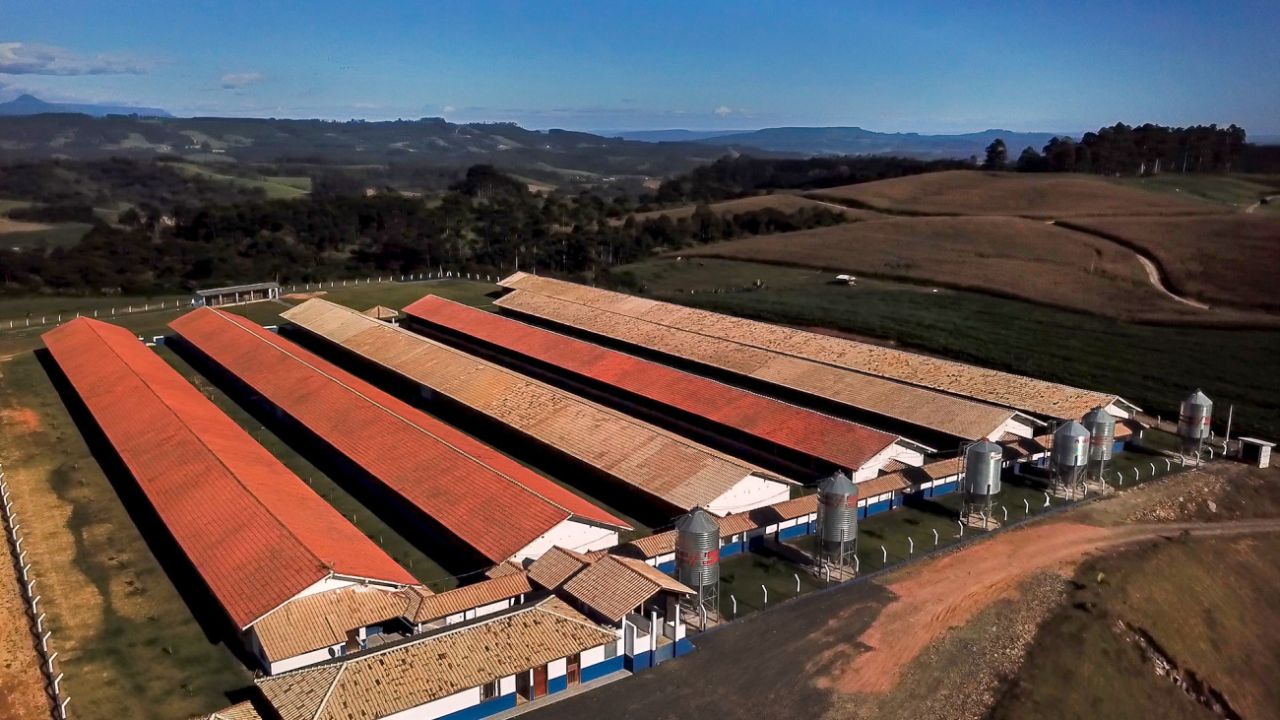
Companies in the Sector Are Seeking in the Free Contracting Environment, with Support from ENGIE, a Way to Optimize Operations and Align Management with Sustainability.
A significant movement is gaining momentum in Brazil. Companies in the food and beverage sector are migrating to the Free Energy Market. The shift seeks greater autonomy, savings, and sustainability. By purchasing energy directly from generators, they optimize processes and reduce costs, especially by opting for renewable energy.
Why Is the Food and Beverage Sector Migrating to the Free Energy Market?
Food and beverage companies are heavy users of electricity. The production chain, storage, and refrigeration require a lot of energy. Therefore, migrating to the Free Energy Market has become a strategic decision. They start buying energy directly from generators and traders, such as ENGIE Brasil Energia.
This transition was fueled by the opening of the market for medium and high voltage consumers in 2024. The Electric Energy Trading Chamber (CCEE) points to a record volume. There were 26,834 new migrations between January and December 2024, more than triple that of 2023.
-
A Canadian retiree creates a hydroelectric system on a real river, generating energy continuously throughout the day and demonstrating how the power of water can supply a house with stability even in a simple structure.

-
Petrobras reaffirms its commitment to the market and ensures that it will carry out the energy transition safely to maintain national sovereignty.

-
Researchers discover a possible hydrogen deposit of up to 46 million tons beneath an ancient coal basin, and the volume could exceed half of the entire global production.

-
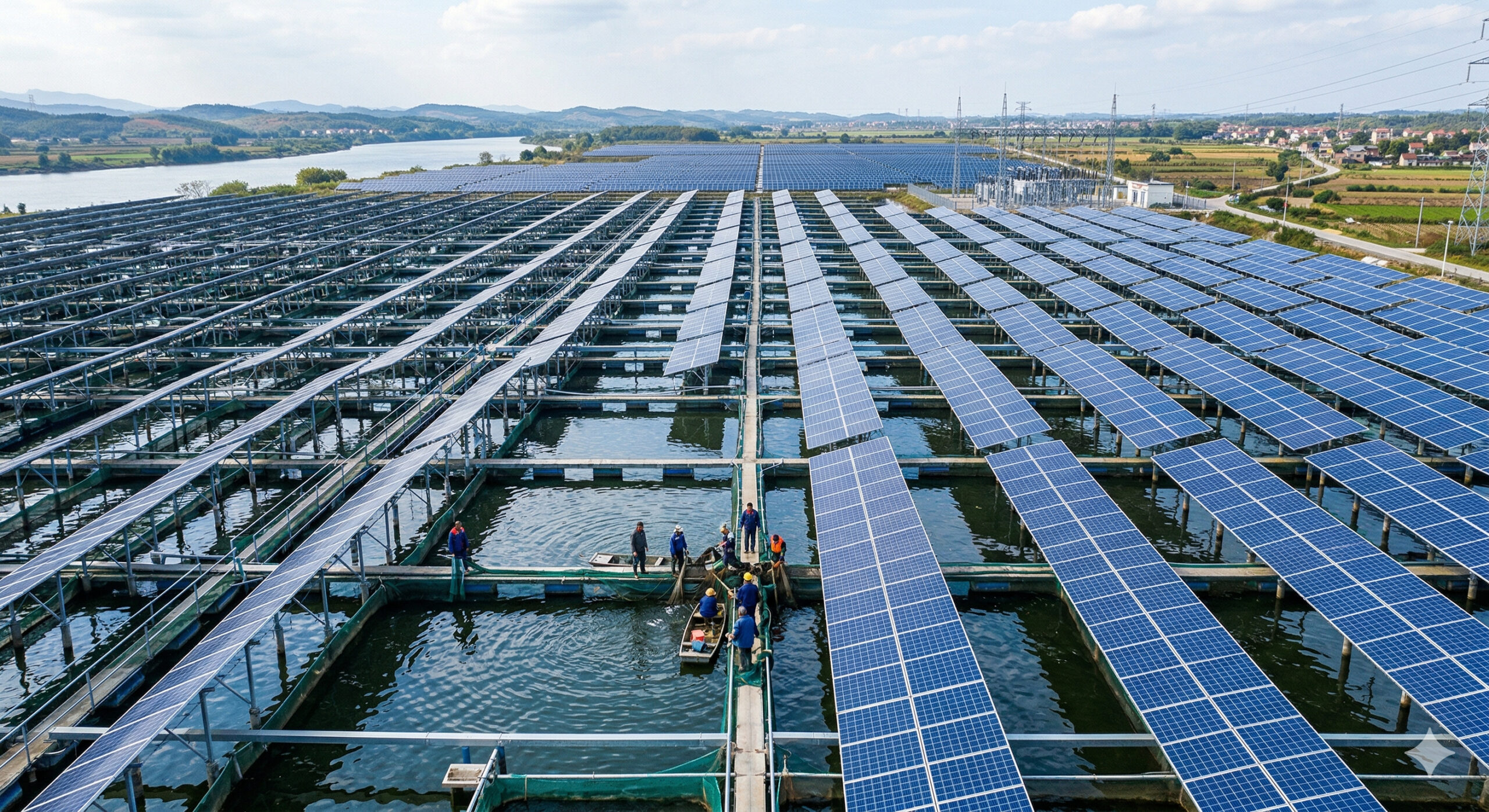
China bets on the Fishery-PV model and transforms fish farms into giant solar plants, covering ponds with panels that generate energy while utilizing the same space for large-scale aquaculture production.

In this scenario, the food sector ranks third, with 3,200 new consumer units. The beverage sector holds the fourteenth position, with 167 new units. Together, they already account for about 15 percent of free consumers, according to CCEE.
The Four Main Benefits of Adopting Renewable Energy in the Free Market
The choice for the free contracting environment offers clear advantages. For the food & beverage sector, four benefits stand out.
- Sustainability: Companies can choose to buy renewable energy. Hydropower, wind, solar, or biomass sources are options. This helps meet ESG (Environmental, Social, and Governance) goals, an increasing demand from the consumer market.
- Cost Reduction: Migration generally results in a lower electricity bill. In the regulated market, charges and taxes can add up to 40 percent of the final price. In the free market, prices are negotiated directly, ensuring more competitive contracts and savings of up to 40 percent.
- Predictability: Long-term contracts, ranging from five to ten years, allow for fixed costs. This avoids surprises from tariff flags or annual adjustments, bringing more stability to financial planning.
- Greater Control: Companies gain autonomy over their consumption. It is possible to choose suppliers and contract models tailored to the seasonality of production, optimizing energy planning.
An Urgent Commitment from the Renewable Energy Sector
Decarbonization has become an urgent global issue. The food and beverage sectors are adapting to reduce their carbon emissions. The transition to cleaner operations is a clear pathway toward environmental sustainability.
This change also brings competitive and reputational gains. A 2019 Nielsen study indicates that 74 percent of people prefer to consume from brands with an environmental commitment. Moreover, ESG investors and funds prioritize companies with clear carbon neutrality goals.
Reinforcing this trend, the Brazilian Association of the Food Industry (Abia) has made a commitment. The entity seeks to encourage carbon emissions neutrality in the sector by 2050, which should further accelerate migrations to the free market.
Companies Leading the Energy Transition with ENGIE
ENGIE Brasil Energia, a leader in renewable energy generation in the country, has been a key partner in this journey. The company recorded a 32 percent increase in the number of customers.
- Queijos Crioulo: With over fifty years in the market, the company from Paraná chose ENGIE to ensure access to 100 percent renewable sources. “Sustainability is one of the ingredients of our success,” says director Fabricio Rocha.
- Pamplona Alimentos: The company from Santa Catarina has partnered with ENGIE for years. President Irani Pamplona Peters explains: “Renewable sources need to be part of organizations’ growth strategy and defined as a necessary practice.”
- Kairós Brewery: The brewery in Florianópolis saw the partnership as a way to turn its challenge into reality. “Migration will generate significant savings for us and, consequently, help reduce operational costs,” says co-founder Claudio Ebert.
Eduardo Sattamini, CEO of ENGIE Brasil Energia, concludes: “Our long-term strategic planning, combined with the efficient management of a diversified portfolio and proper risk pricing, provides stability and predictability to our results.”
With information from ND+.








Seja o primeiro a reagir!