





 Portuguese
  English
  Spanish
  2 min of reading


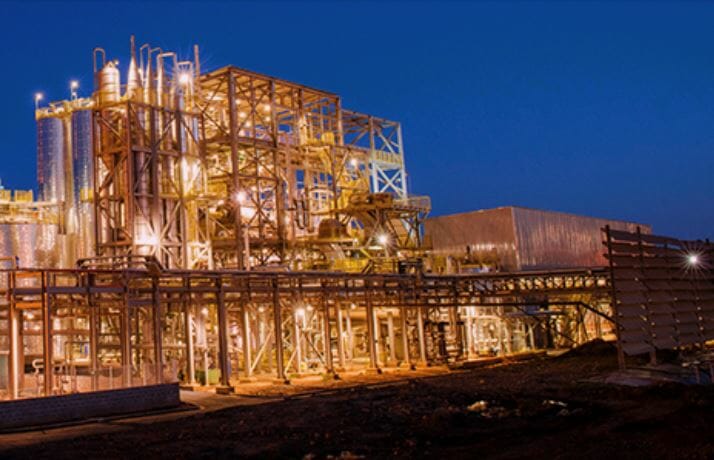
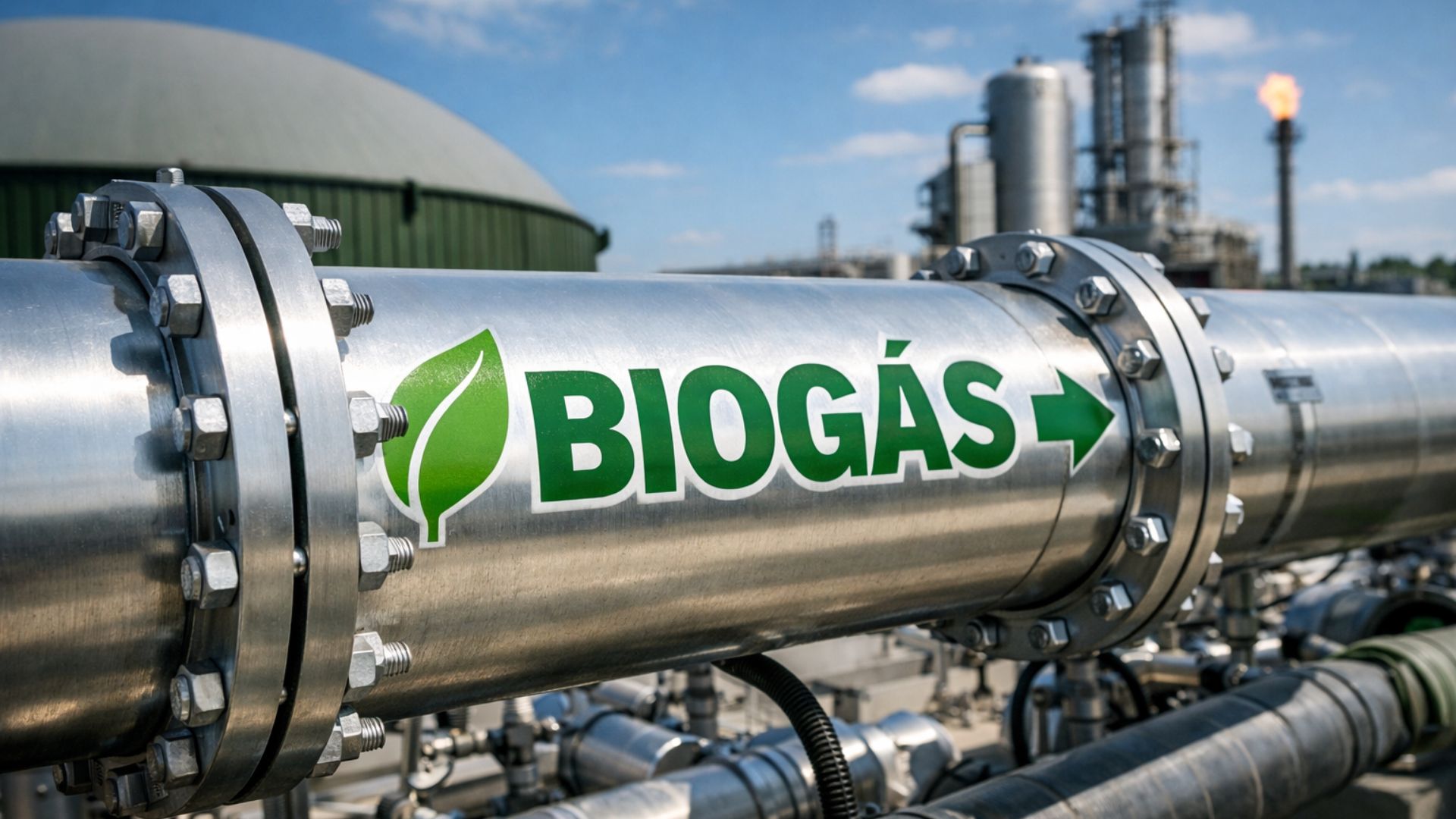
Renewable energy has established itself as an economic and employment force in Brazil in 2022, generating jobs for approximately 1.4 million people in the country. Among the various segments, biofuels stood out as leaders in the labor market in the sector.
Impacts of Biofuel Production
The annual review of the work of the International Renewable Energy Agency (IRENA) reveals that the biofuel segment played a significant role in job creation in Brazil. Specifically, an estimated 856.2 thousand jobs were related to biodiesel and ethanol.
However, it is worth noting that there was a 6% reduction in biodiesel production last year, which totaled around 6.37 billion liters annually. This decline in production was accompanied by a decrease in jobs, directly impacting the economy.
-
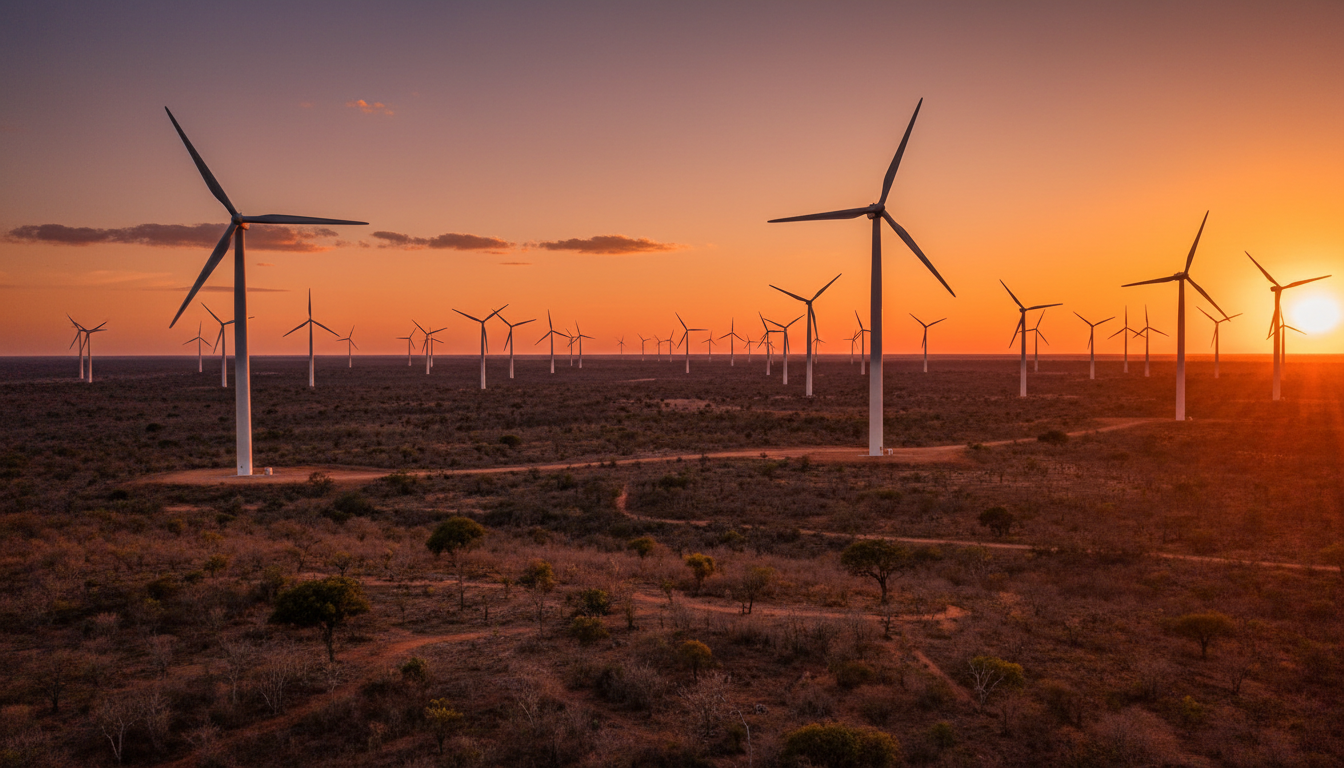
The Brazilian Northeast is receiving the largest wave of investments in clean energy ever seen in the country, with R$ 200 billion in wind and solar, 9,000 km of transmission lines, and a promise that could change the economy of 60 million people.
-
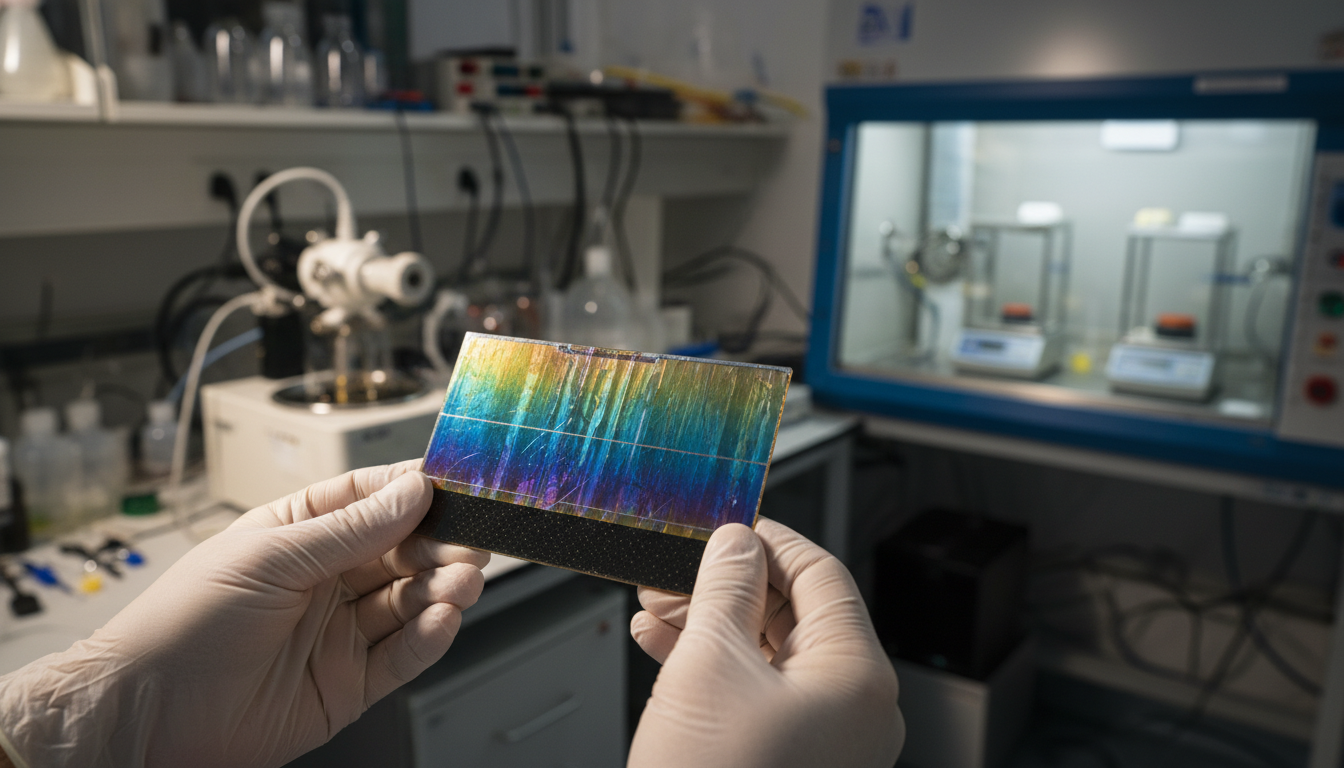
Chinese company creates solar cell that breaks the physical limit of silicon with 34.85% efficiency and promises to revolutionize electricity bills with panels that generate 20% more energy starting in 2026.
-
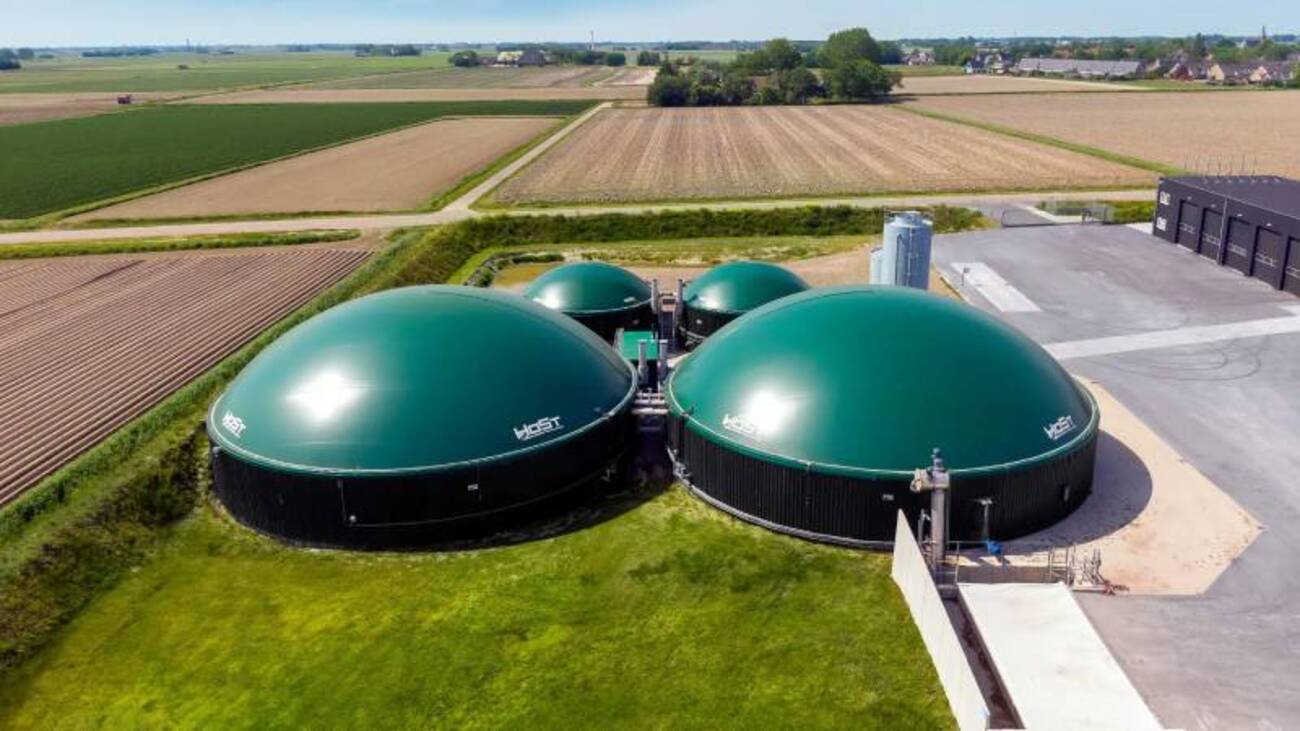
Revolution in the sugar-energy sector: Government sets new target for biomethane and paves the way for ethanol plants to profit from the conversion of waste into renewable fuel.
-
How green infrastructure and renewable energy at the World Cup transform the logistics of the largest sporting event on the planet in North America.

Challenges and Changes in the Renewable Energy Sector
In 2022, the Brazilian government reduced the biodiesel blending mandate in fossil diesel, a measure taken to control fuel inflation during an election year. This resulted in a decrease in jobs related to biodiesel, which currently total around 282.4 thousand, compared to 343.5 thousand in the previous year.
However, in the ethanol sector, production from sugarcane grew approximately 8.5% in 2022, boosting the number of jobs related to ethanol to 573.8 thousand last year, compared to 344.5 thousand in 2021.
Other Growing Segments
In addition to biofuels, the solar industry is also on the rise in Brazil. The country secured the fourth position globally in the installation of new photovoltaic solar capacity in 2022, following only China, the United States, and India.
The majority of this expansion occurred in distributed generation, creating jobs in sales, installations, and operations and maintenance (O&M), typically managed by small businesses. IRENA estimates around 241.1 thousand jobs in Brazil’s photovoltaic solar sector in 2022, a significant increase from the 131 thousand jobs in 2021.
In the wind segment, about 67.7 thousand workers are involved, primarily in construction, followed by operations and maintenance activities.
Globally, the renewable energy sector experienced an increase of one million jobs last year, totaling 13.7 million workers. IRENA’s report highlights the continued growth of investment in this sector, resulting in job creation in various countries. However, China accounts for 41% of these positions.
Other significant markets include the European Union, India, and the United States, which play important roles in manufacturing equipment and providing services related to renewable energy.
Globally, photovoltaic solar energy remains the largest employer, with 4.9 million workers, representing more than a third of the total workforce in the renewable energy sector. Hydropower generation and biofuels also maintained estimates close to 2021, with around 2.5 million jobs each, followed by wind energy, which employs 1.4 million people.







Seja o primeiro a reagir!