





 Portuguese
  English
  Spanish
  2 min of reading


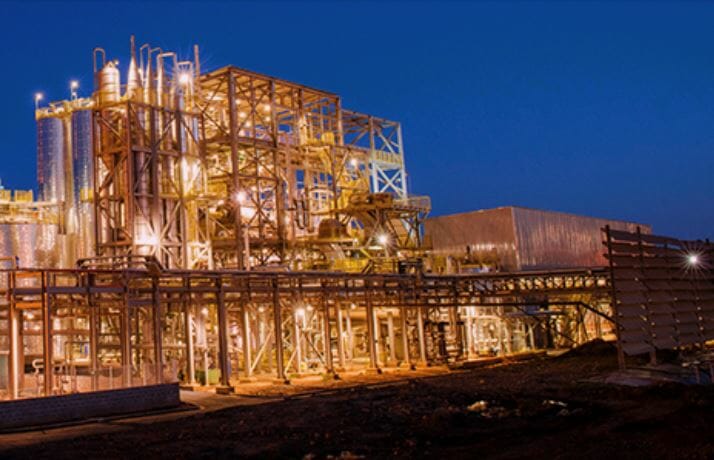
Renewable energy has established itself as an economic and employment force in Brazil in 2022, generating jobs for approximately 1.4 million people in the country. Among the various segments, biofuels stood out as leaders in the labor market in the sector.
Impacts of Biofuel Production
The annual review of the work of the International Renewable Energy Agency (IRENA) reveals that the biofuel segment played a significant role in job creation in Brazil. Specifically, an estimated 856.2 thousand jobs were related to biodiesel and ethanol.
However, it is worth noting that there was a 6% reduction in biodiesel production last year, which totaled around 6.37 billion liters annually. This decline in production was accompanied by a decrease in jobs, directly impacting the economy.
-
Europe wants to hold onto the black powder from used batteries because this dark residue contains valuable metals, can supply up to 1 million electric cars per year, and has become an industrial dispute.

-
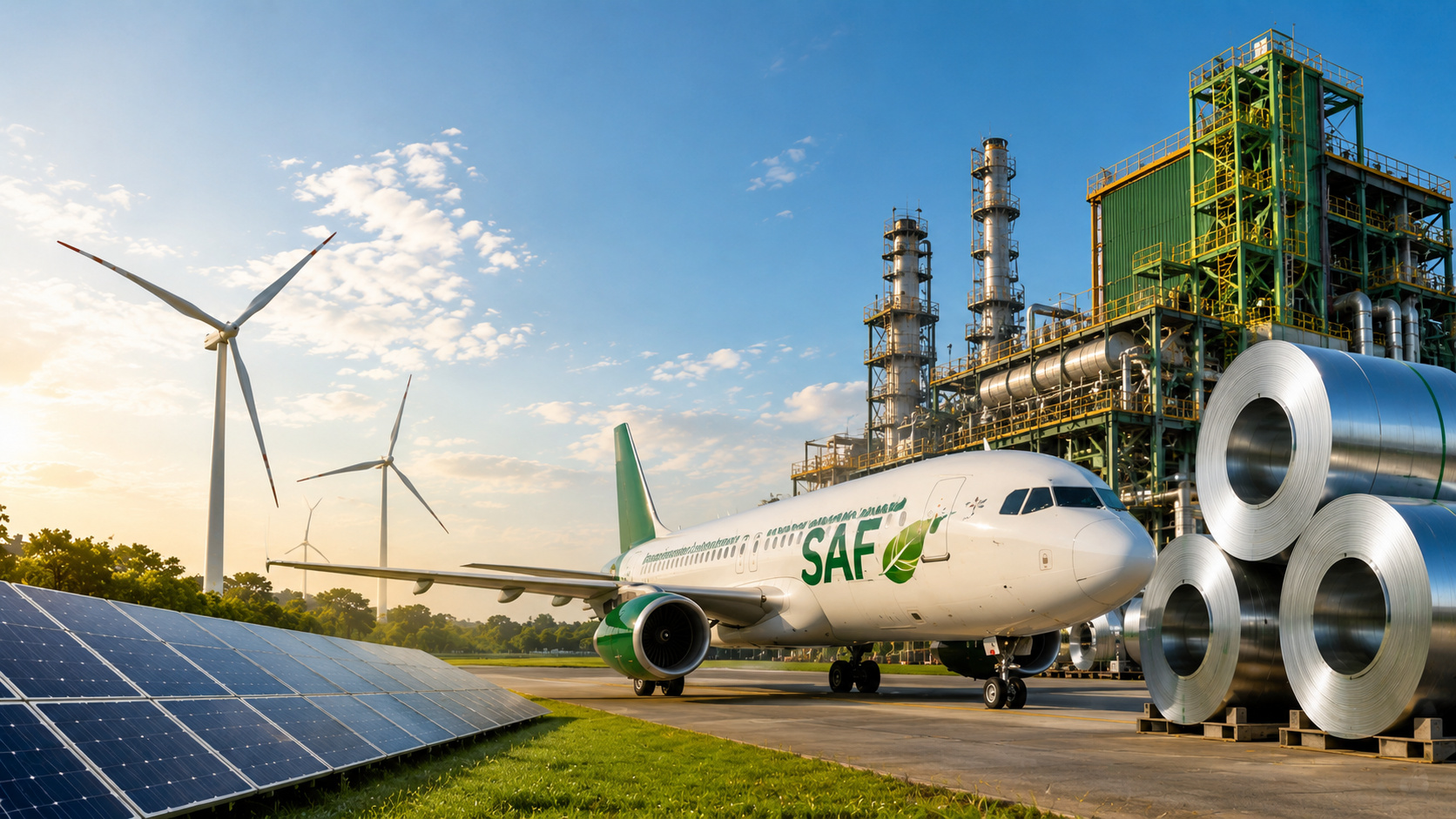
Study by Global Project Tracker reveals: While major economies compete for climate leadership, Brazil gathers a potential of US$ 306 billion in sustainable industrial projects and advances in the production of SAF and green aluminum, attracting international capital and strengthening its global strategic position.
-
Brazil may fall behind, and irreversibly so, in the global technological race involving the implementation of Data Centers and investments in Artificial Intelligence (AI). Much smaller but more agile economies, such as those of Argentina and Paraguay, have taken the lead.

-
Brazil is generating so much clean energy that the ONS had to implement an unprecedented emergency plan to contain the solar and wind surplus in the grid.




Challenges and Changes in the Renewable Energy Sector
In 2022, the Brazilian government reduced the biodiesel blending mandate in fossil diesel, a measure taken to control fuel inflation during an election year. This resulted in a decrease in jobs related to biodiesel, which currently total around 282.4 thousand, compared to 343.5 thousand in the previous year.
However, in the ethanol sector, production from sugarcane grew approximately 8.5% in 2022, boosting the number of jobs related to ethanol to 573.8 thousand last year, compared to 344.5 thousand in 2021.
Other Growing Segments
In addition to biofuels, the solar industry is also on the rise in Brazil. The country secured the fourth position globally in the installation of new photovoltaic solar capacity in 2022, following only China, the United States, and India.
The majority of this expansion occurred in distributed generation, creating jobs in sales, installations, and operations and maintenance (O&M), typically managed by small businesses. IRENA estimates around 241.1 thousand jobs in Brazil’s photovoltaic solar sector in 2022, a significant increase from the 131 thousand jobs in 2021.
In the wind segment, about 67.7 thousand workers are involved, primarily in construction, followed by operations and maintenance activities.
Globally, the renewable energy sector experienced an increase of one million jobs last year, totaling 13.7 million workers. IRENA’s report highlights the continued growth of investment in this sector, resulting in job creation in various countries. However, China accounts for 41% of these positions.
Other significant markets include the European Union, India, and the United States, which play important roles in manufacturing equipment and providing services related to renewable energy.
Globally, photovoltaic solar energy remains the largest employer, with 4.9 million workers, representing more than a third of the total workforce in the renewable energy sector. Hydropower generation and biofuels also maintained estimates close to 2021, with around 2.5 million jobs each, followed by wind energy, which employs 1.4 million people.









Be the first to react!