





 Portuguese
  English
  Spanish
  4 min of reading


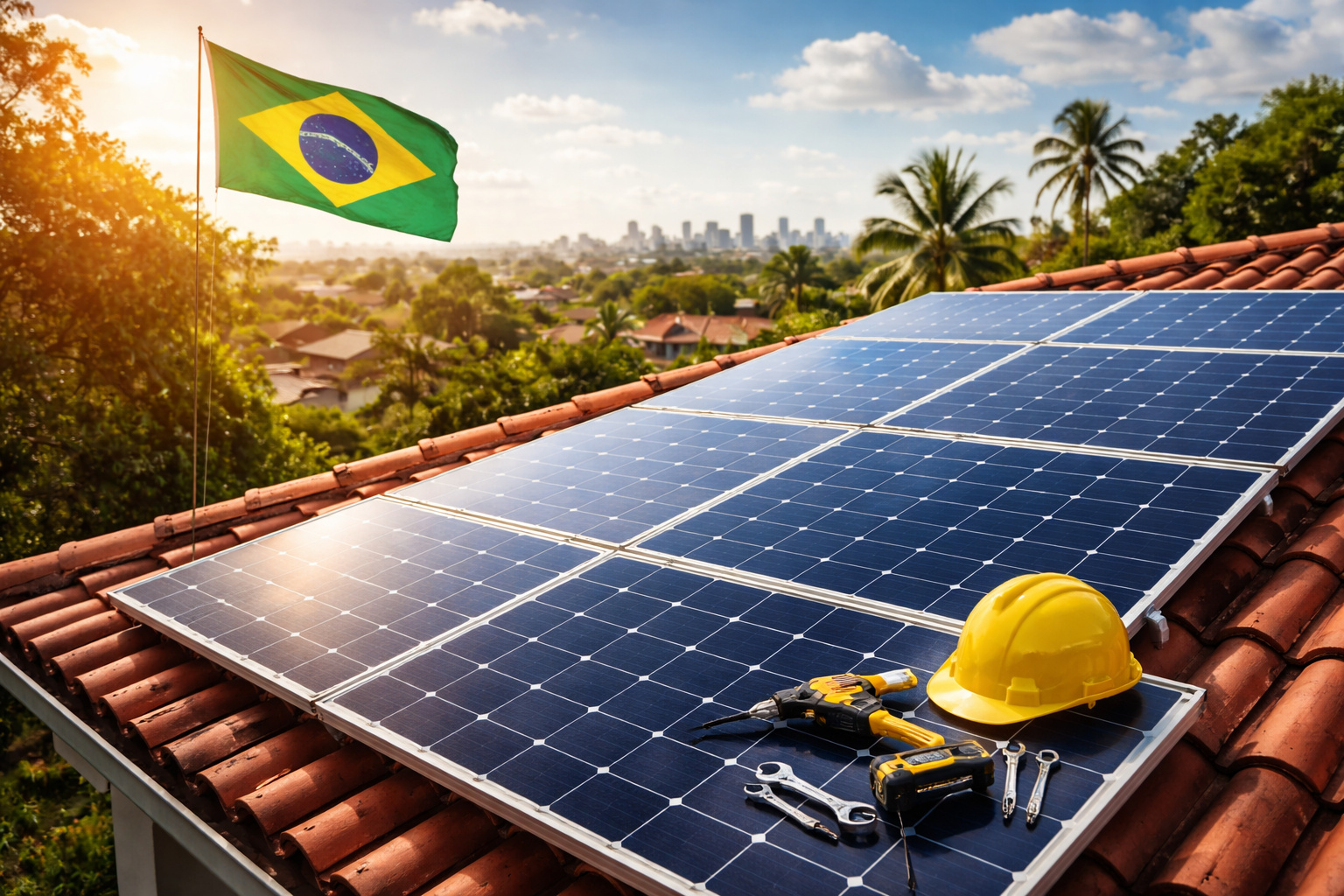
Solar energy has ceased to be a distant promise and has come to occupy a central role in the Brazilian energy matrix. Over the past few years, the country has stood out for the rapid expansion of distributed generation, mainly driven by the reduced cost of photovoltaic systems. A recent study highlights this scenario by showing that installing solar energy in Brazil can be up to seven times cheaper than in the United States.
According to a survey by Solfácil, the largest solar solutions ecosystem in Latin America, based on data from Radar Solfácil and public information from the Solar Energy Industries Association, SEIA, this price difference helps explain the accelerated pace of solar energy adoption in Brazil. While the North American market faces high costs, Brazil advances with greater accessibility and scale.
To understand this phenomenon, it is necessary to observe the historical context of solar energy in the country. For decades, the Brazilian electric matrix has been dominated by hydropower generation. Since the 1950s, large plants have structured the national electrical system. However, recurring hydric crises, especially from the 2000s onward, have highlighted the need for diversification.
-
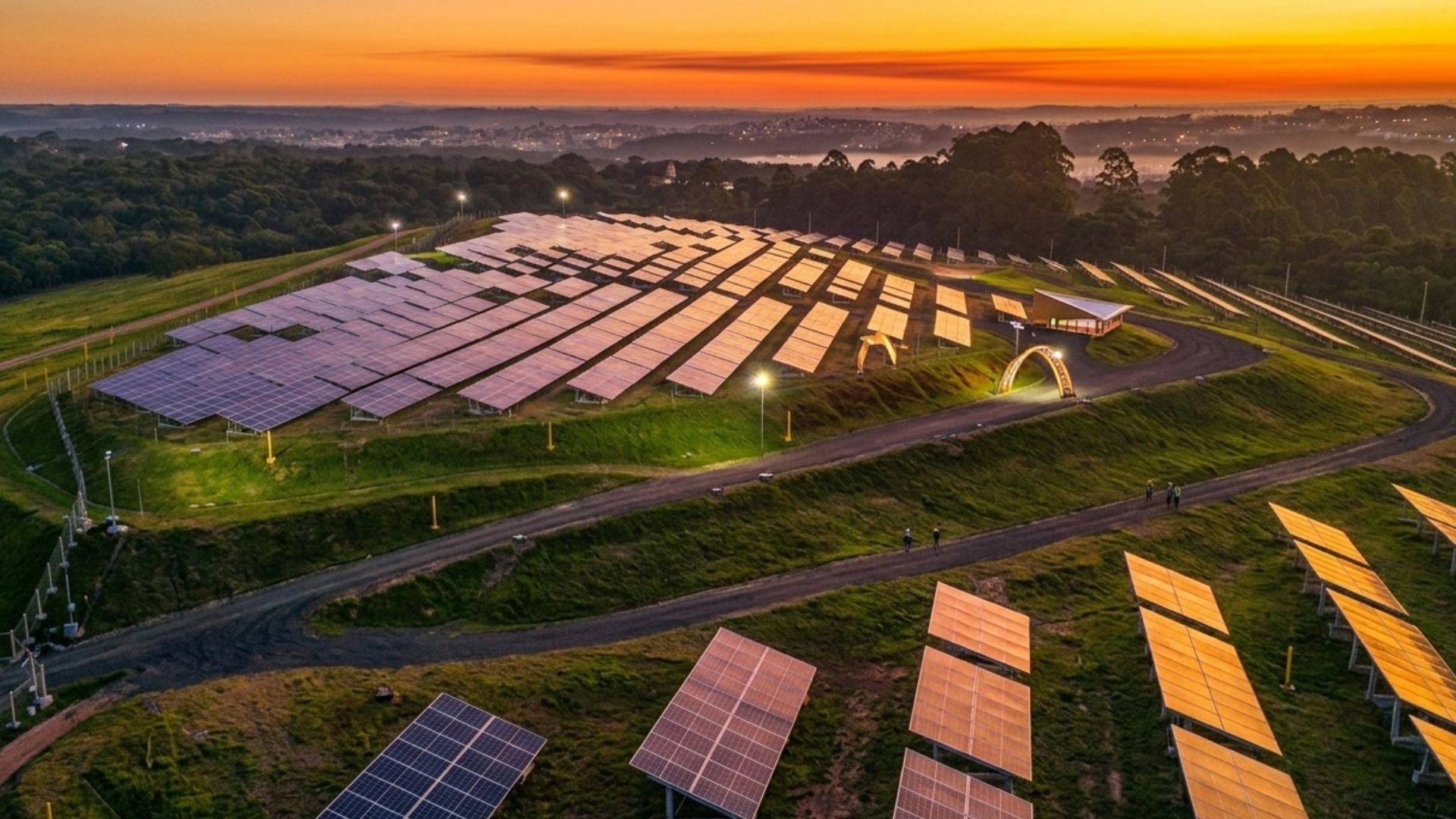
Solar Pyramid draws attention by converting solar energy into million-dollar savings and repositioning the City Hall of Curitiba as an example of innovation, sustainability, and intelligent use of public resources.
-
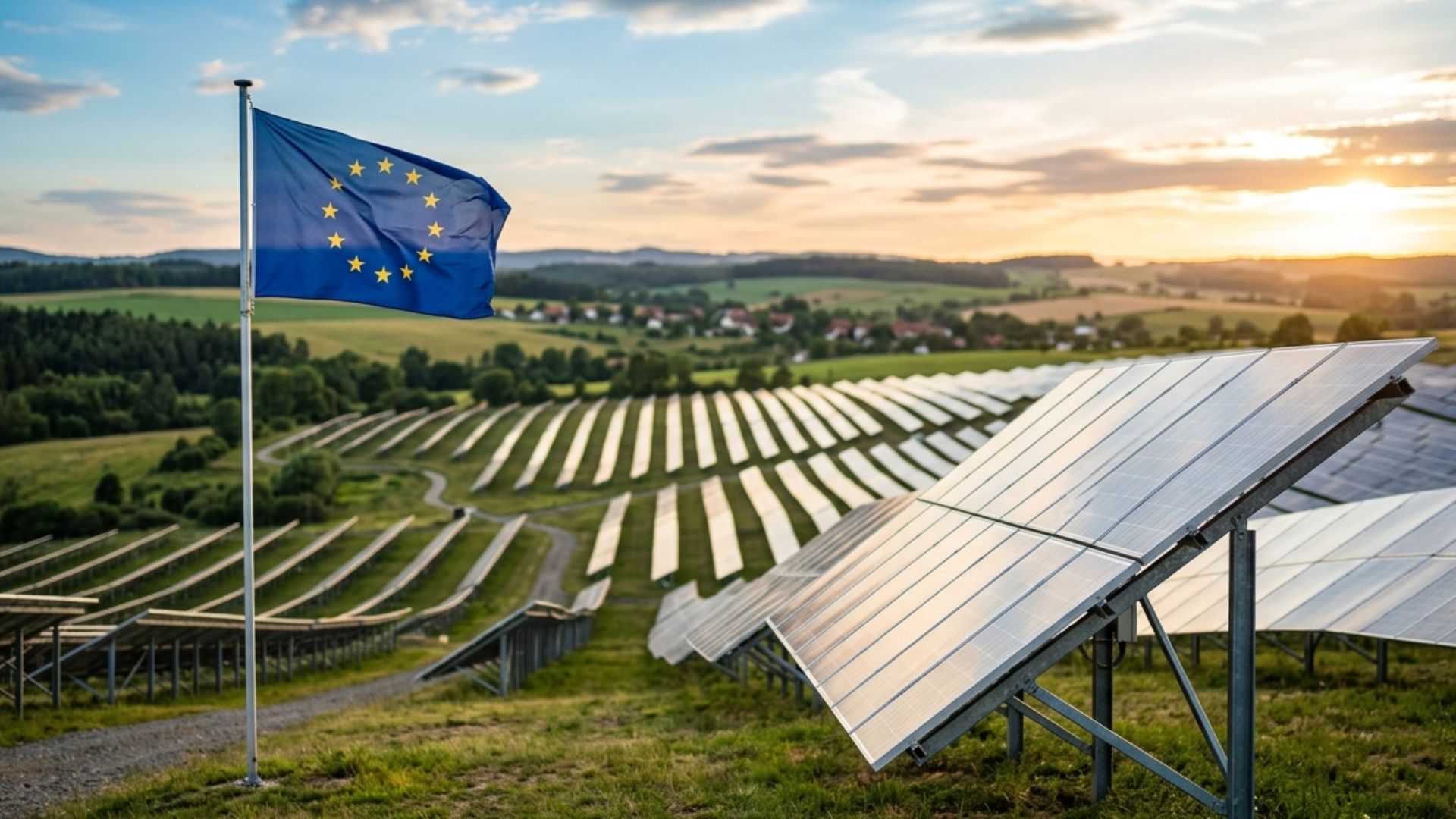
Europe records strong euro economy with solar energy in March and sparks curiosity about which country leads growth that redefines the energy market and reduces costs.
-
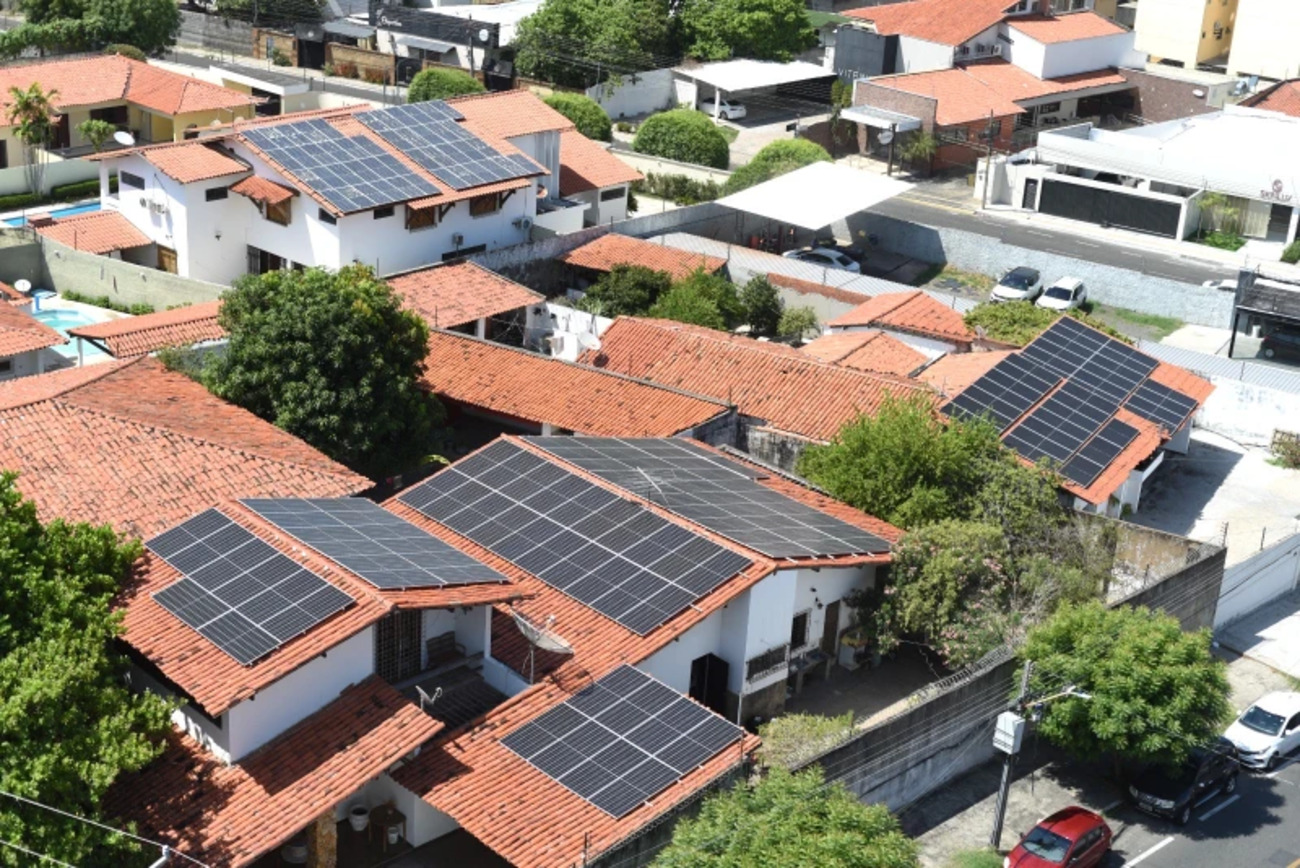
Piauí reaches a historic milestone in energy transition: State records nearly 160,000 households powered by solar energy and leads growth in the Northeast.
-
Argentina debuts its first 100% solar-powered highway and transforms an entire road into a showcase of clean energy.

In this scenario, solar energy began to gain ground. According to the National Electric Energy Agency, the regulation of distributed generation, starting in 2012, was a decisive milestone. From then on, consumers began producing their own energy, reducing costs and increasing energy security.
Solar Energy and The Cost Difference Between Brazil and The United States
The price difference between the two countries cannot be explained by a single factor. On the contrary, it results from a combination of regulatory, economic, and structural aspects. According to Solfácil, the cost of equipment in Brazil has consistently fallen in recent years, following the global scale of production and the maturity of the solar supply chain.
Additionally, the Brazilian model of distributed generation favors rapid expansion, especially in homes and small businesses. Regulatory simplification and standardization of systems reduce project and installation costs. As a result, the final price to consumers becomes more accessible.
In the United States, although the solar market is technologically advanced, costs remain high. According to public data from SEIA, factors such as higher labor costs, complex bureaucratic processes, and varying local requirements increase project prices. Thus, even with tax incentives, the final installation cost tends to be greater.
Another relevant point is financing. In Brazil, according to data from the National Bank for Economic and Social Development and private institutions, specific credit lines for solar energy have facilitated access for the population. This factor accelerates adoption, as it dilutes the initial investment over time.
The Impact of Solar Energy on Distributed Generation
With lower costs, solar energy has become the protagonist of distributed generation in Brazil. According to the Energy Research Company, recent data shows continuous growth in the number of systems installed on residential rooftops, businesses, and rural properties. This movement decentralizes production and reduces losses in the transmission system.
Moreover, distributed generation helps alleviate demand during peak hours. This increases the efficiency of the electrical system as a whole, reducing the need to activate more expensive and polluting thermal power plants.
In the international context, this advancement places Brazil in a prominent position. According to the International Energy Agency, countries with high solar potential and competitive costs tend to accelerate the energy transition. Brazil meets these two conditions, especially in regions with high solar irradiation.
At the same time, solar energy generates positive economic impacts. The sector’s expansion creates local jobs, stimulates innovation, and strengthens regional production chains. According to federal government data, the solar sector already accounts for thousands of direct and indirect jobs in the country.
Solar Energy, Sustainability, and Competitiveness
Another fundamental aspect is the relationship between solar energy and sustainability. Photovoltaic generation does not emit greenhouse gases during operation. This reinforces the role of solar energy as an ally of the climate agenda, especially in a global context of decarbonization.
According to the United Nations, the expansion of renewables is essential to meet global climate targets. In this sense, Brazil benefits by combining low cost, abundance of natural resources, and a rapidly expanding market.
Additionally, the competitiveness of Brazilian solar energy attracts investments. Companies in the sector see the country as a favorable environment for growth, both in equipment manufacturing and service offerings. According to the Ministry of Mines and Energy, recent public policies seek to consolidate this environment, ensuring regulatory predictability.
A Favorable Scenario for The Future of Solar Energy
When observing the current landscape, it is evident that solar energy in Brazil has entered a phase of maturity. Reduced costs, accessible financing, and stable regulation form a solid foundation for continuous expansion. Compared to the United States, the country presents clear advantages in adopting distributed generation.
According to Solfácil, the price difference between the markets is likely to keep Brazil on a rapid growth trajectory in the coming years. Although challenges still exist, especially related to integration with the electrical system, the outlook remains positive.
Thus, solar energy is consolidating not only as an energy alternative but as a vector for economic and environmental transformation. The lower cost compared to the United States explains part of this success, but the Brazilian advancement also reflects regulatory and strategic choices that have favored the democratization of access to clean energy.








Seja o primeiro a reagir!