





 Portuguese
  English
  Spanish
  3 min of reading


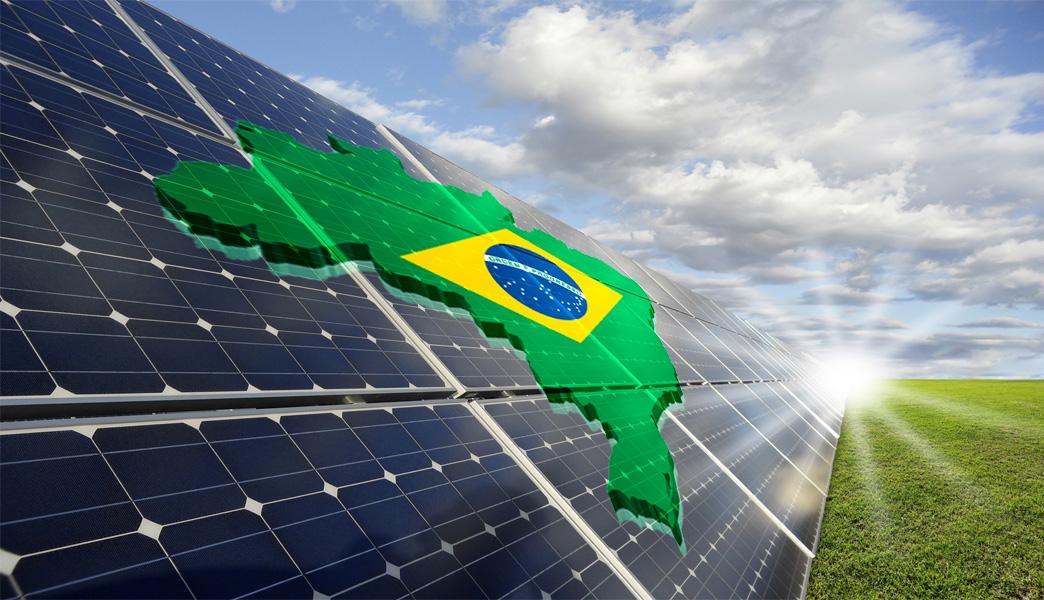
In The Last Year, Distributed Solar Power Generation Added 2.5 GW Of Installed Capacity In The Country, Being The Fastest-Growing Source During The Period
The Brazilian Association of Photovoltaic Solar Energy (Absolar) reported that self-generated solar power reached the mark of 6 gigawatts of capacity in Brazil. The capacity is equivalent to 40% of the power of the Itaipu plant, the largest hydroelectric plant in Brazil. According to the organization, the sector brings enormous benefits to the population and has already generated over R$ 30.6 billion in investments and 180,000 jobs accumulated in Brazil since 2012. See also: Government of Minas Gerais And EMGD Sign Agreement For The Inauguration Of Five Solar Power Plants
- Air Conditioning: 5 Signs That It’s Time To Replace Yours
- Harvard, Michigan, Stanford And Other American Universities Offer Many Free Online Courses
- Aeris Energy Will Invest In The Construction Of A New Distribution Center In The State Of Ceará
- GranEnergy Is Hiring Offshore Positions In Macaé For Radio Operator, Nautical Officer, Engine Officer, And More
- Rip Kaefer Is Currently Hiring Offshore Positions For Macaé. Instrument Technician, Electrician, Mechanic, And More Are Needed
Increase In The Use Of Solar Energy In Brazil
The numbers encourage the industry to seek greater involvement in defining energy policy and incentives for growth. On Tuesday, the 29th, Absolar submitted a series of proposals to the Ministry of Mines and Energy to alleviate the current water crisis, which may require energy rationing, using solar power. On Tuesday, the National Electric Energy Agency adjusted the red flag tariff by 52%.
Rodrigo Sauaia, CEO of Absolar, says that “Both large plants and small systems on roofs contribute to relieving the pressure on hydroelectric reservoirs and reducing the activation of fossil thermal power plants, which are more expensive and polluting. This helps to reduce the demand for electricity in the country, especially during peak consumption hours of the system, between 11 am and 6 pm.”
-
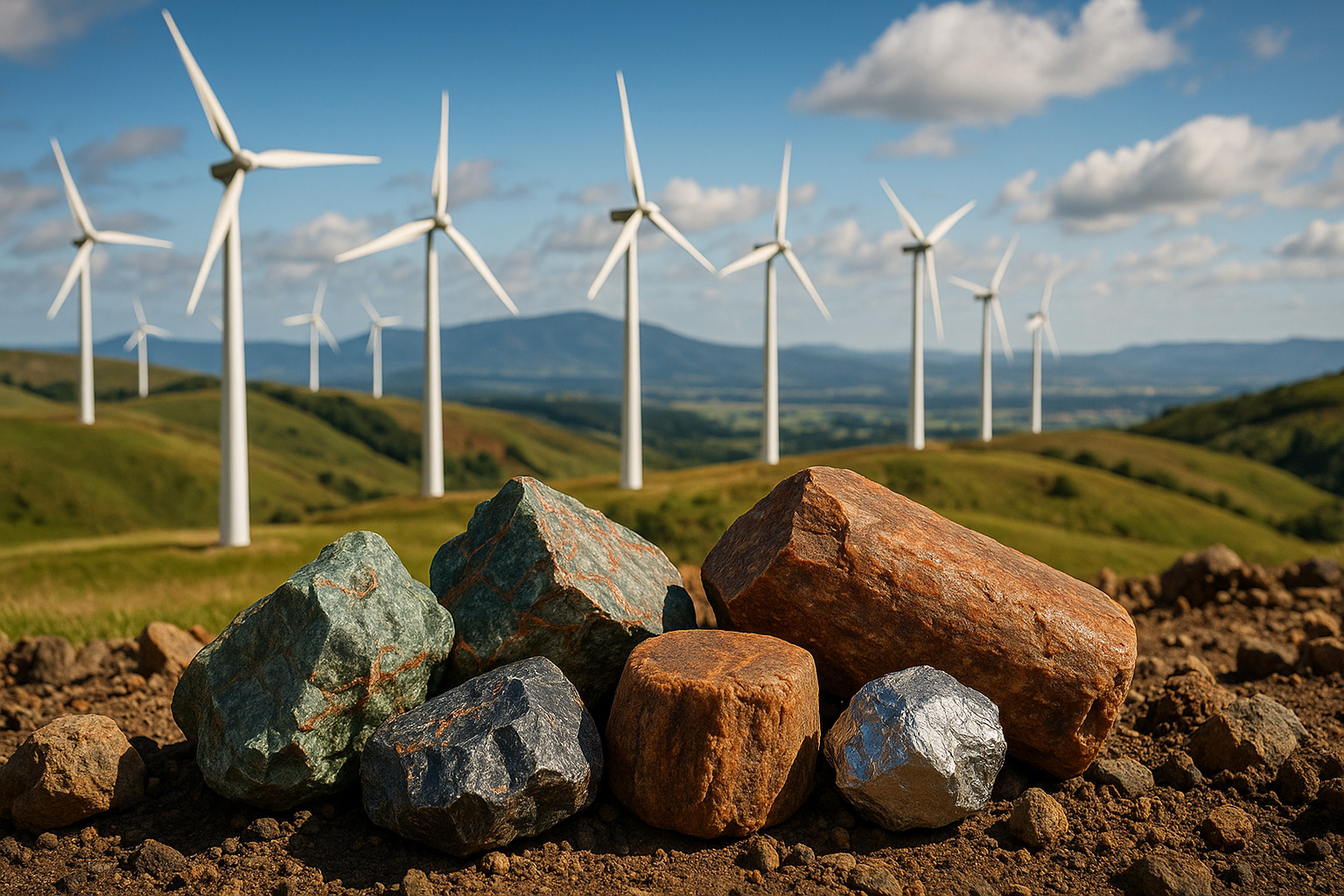
The Brazilian state accelerates industrial competitiveness with a focus on the extraction of strategic minerals to boost the energy transition in Goiás.
-
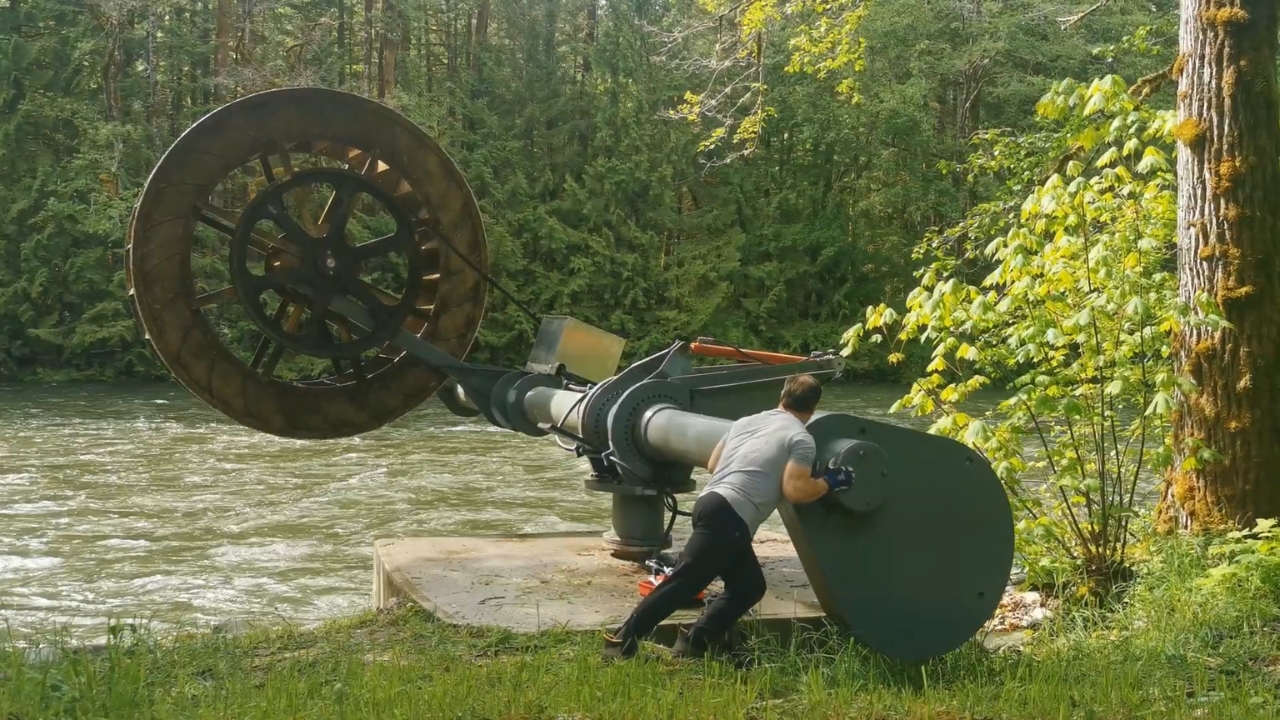
A Canadian retiree creates a hydroelectric system on a real river, generating energy continuously throughout the day and demonstrating how the power of water can supply a house with stability even in a simple structure.
-
Petrobras reaffirms its commitment to the market and ensures that it will carry out the energy transition safely to maintain national sovereignty.

-
Researchers discover a possible hydrogen deposit of up to 46 million tons beneath an ancient coal basin, and the volume could exceed half of the entire global production.

The organization proposed to Minister Bento Albuquerque that the government establish a clear incentive for solar power generation with consumers’ own investments, and that it work with distributors to unlock new projects on rooftops and small plots, which are still awaiting approval from the concessionaires.
Brazil Still Remains Behind When Compared To Other Countries
Although it has advanced in recent years, Brazil – possessing one of the best solar resources on the planet – remains behind in the use of solar power generation. Of the more than 87 million electricity consumers in the country, fewer than 0.7% use the sun to produce clean, renewable, and competitive electricity.
For the organization, the approval by the National Congress of a legal framework for self-generated renewable energy, as proposed in Bill (PL) No. 5,829/2019, will strengthen the diversification of the Brazilian electric matrix and the security of electrical supply during times of water crisis and red flag in electricity bills, stemming from the massive use of fossil thermal power plants.
See Also: Solar Energy – Operational Capacity In Photovoltaic Systems And Plants Reaches The Mark Of 9 GW. More Than R$ 46 Billion Were Invested, Generating More Than 270 Thousand Jobs
Data released by Absolar – Brazilian Association of Photovoltaic Solar Energy, showed that Brazil has reached the historic mark of 9 GW of operational capacity in large-scale photovoltaic plants and with small and medium systems installed on roofs, facades, and land. The survey also indicated that the source brought more than R$ 46 billion in investments and generated many jobs in the country.
Absolar indicated that with the advancement of solar energy, through auctions for large power plants, or through self-generation in homes, small businesses, rural properties, and public buildings, is essential to reduce the so-called “Brazil cost,” bringing more competitiveness and helping to reduce the occurrence of red flags in electricity bills, in addition to diversifying supply.
The centralized solar energy segment has 3.3 GW of installed capacity in plants, equivalent to 1.9% of the Brazilian electric matrix, becoming in 2019 the most competitive technology among renewable sources in the two New Energy Auctions, A-4 and A-6, with average prices below US$ 21.00/MWh.







Seja o primeiro a reagir!