





 Portuguese
  English
  Spanish
  5 min of reading
  0 comments


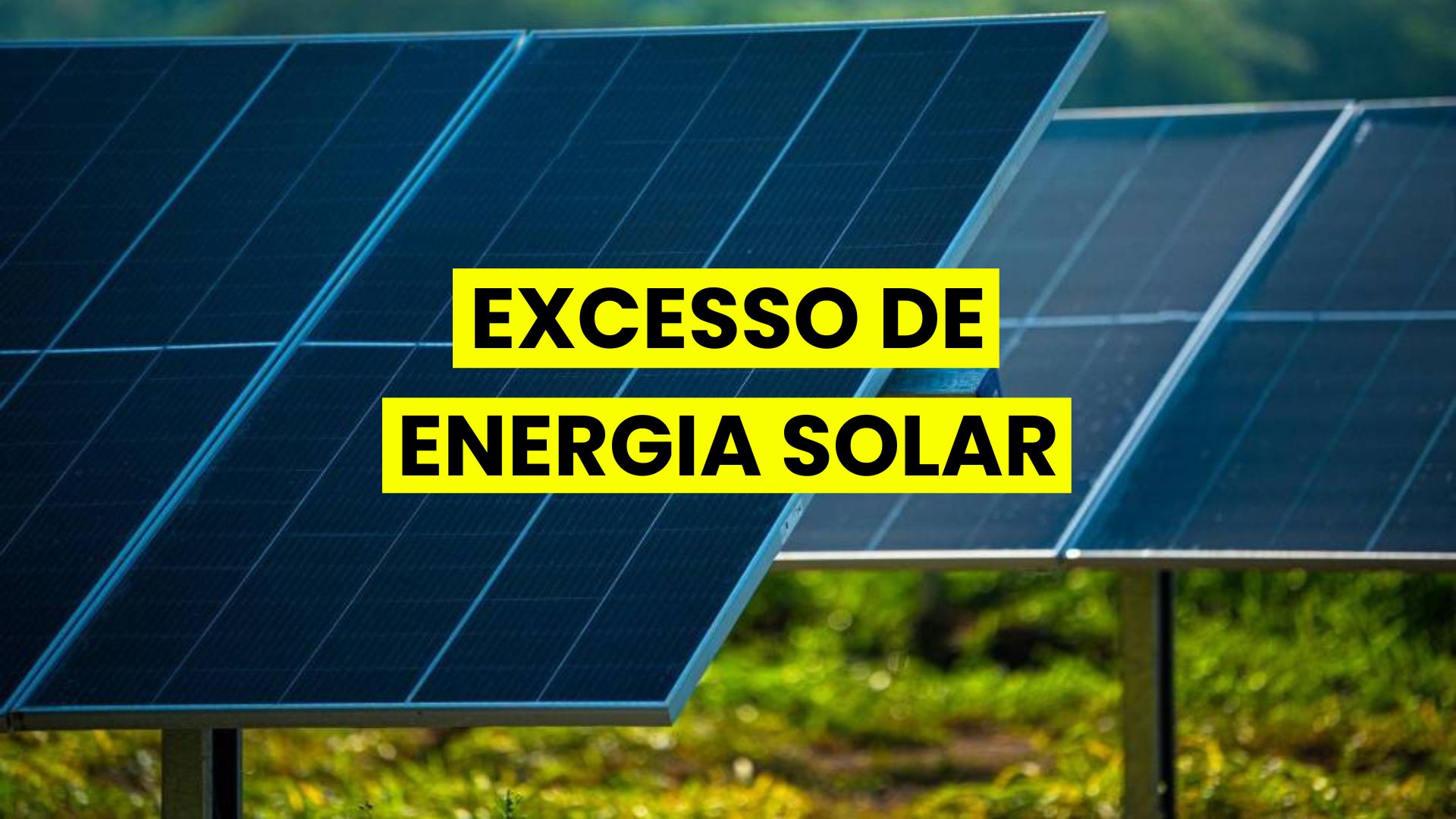
The Excess Of Solar Energy In Spain Leads To Negative Electricity Prices, Offering Cheap Electricity And Revealing Important Changes In The European Energy Market
The European energy market has recently witnessed negative electricity prices, a phenomenon driven by the excess of solar energy in Spain. This scenario, which occurs when the supply of electricity exceeds demand, causes producers to pay for the energy to be consumed.
The historical phenomenon benefits consumers with cheap electricity and highlights new trends in the European energy market, showcasing the growing strength of renewable sources on the continent.
The European country, a leader in solar generation, now observes the direct effects of excess production, which alters prices and transforms the dynamics of the electricity sector. Analysts indicate that episodes like this are likely to become more frequent as solar capacity continues to grow, making energy management a strategic challenge.
-
Europe records strong euro economy with solar energy in March and sparks curiosity about which country leads growth that redefines the energy market and reduces costs.
-
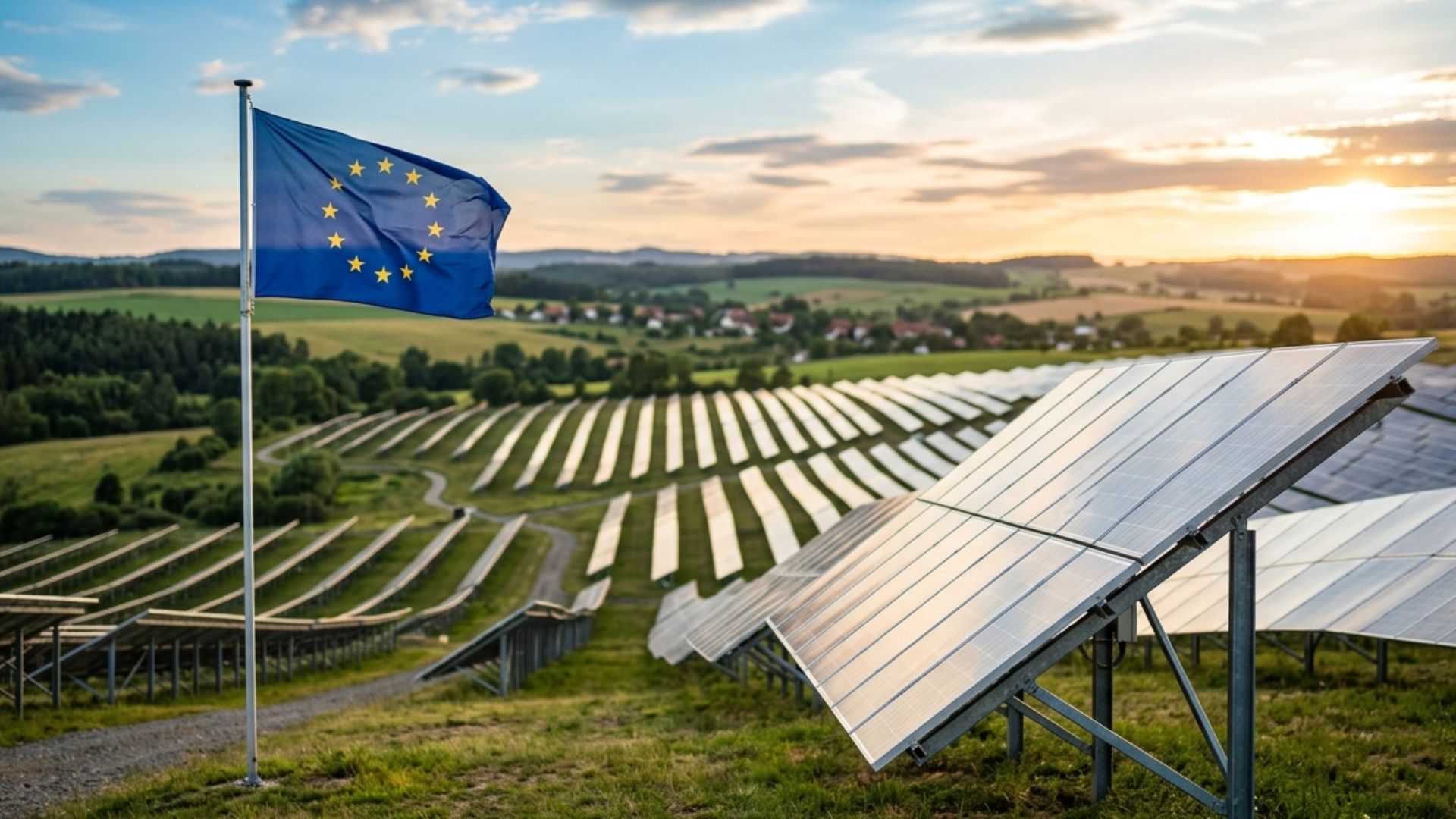
Piauí reaches a historic milestone in energy transition: State records nearly 160,000 households powered by solar energy and leads growth in the Northeast.
-
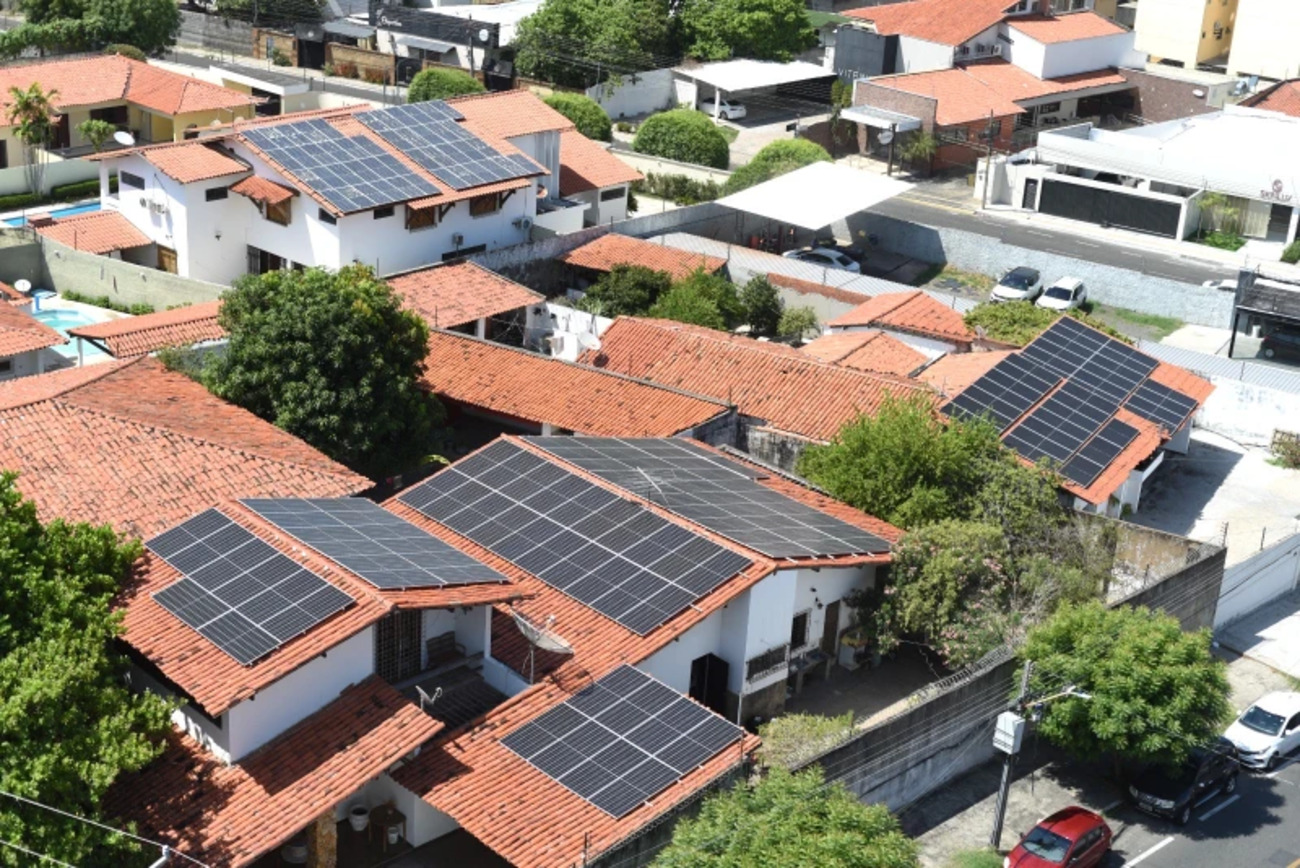
Argentina debuts its first 100% solar-powered highway and transforms an entire road into a showcase of clean energy.

-
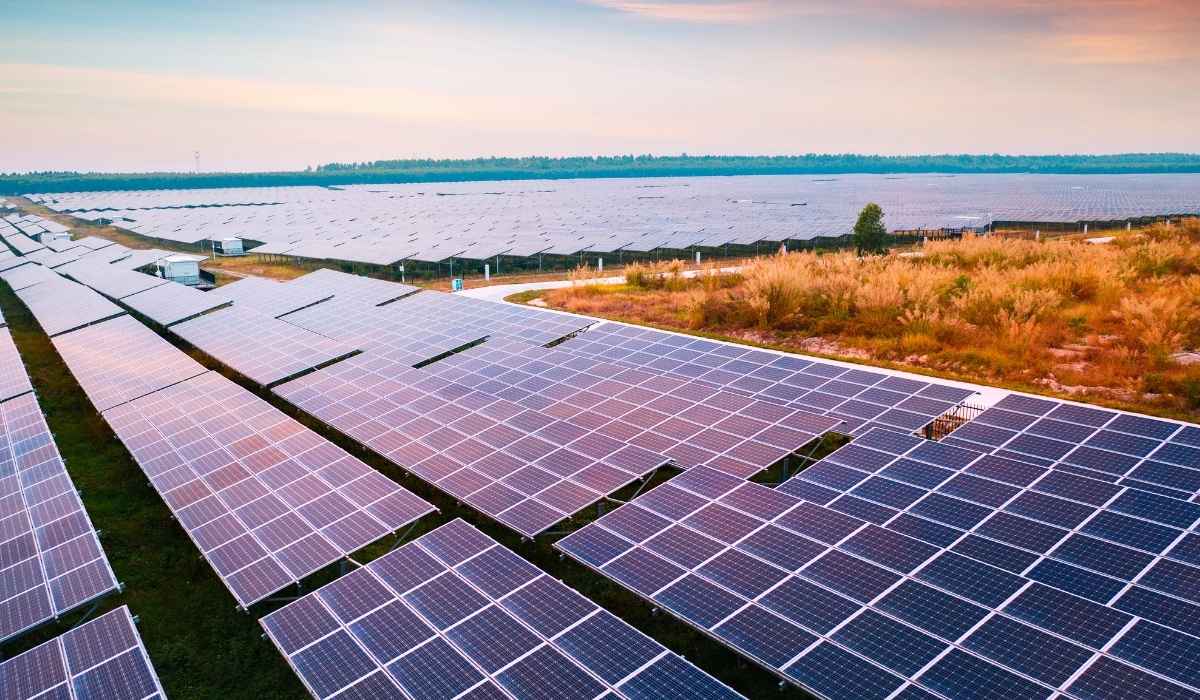
Minas Gerais reaches a historic record and surpasses the power of Itaipu, but network costs generate debate: Understand why solar energy in MG impacts the electricity bill of those without panels.

How Excess Solar Energy Affects Prices
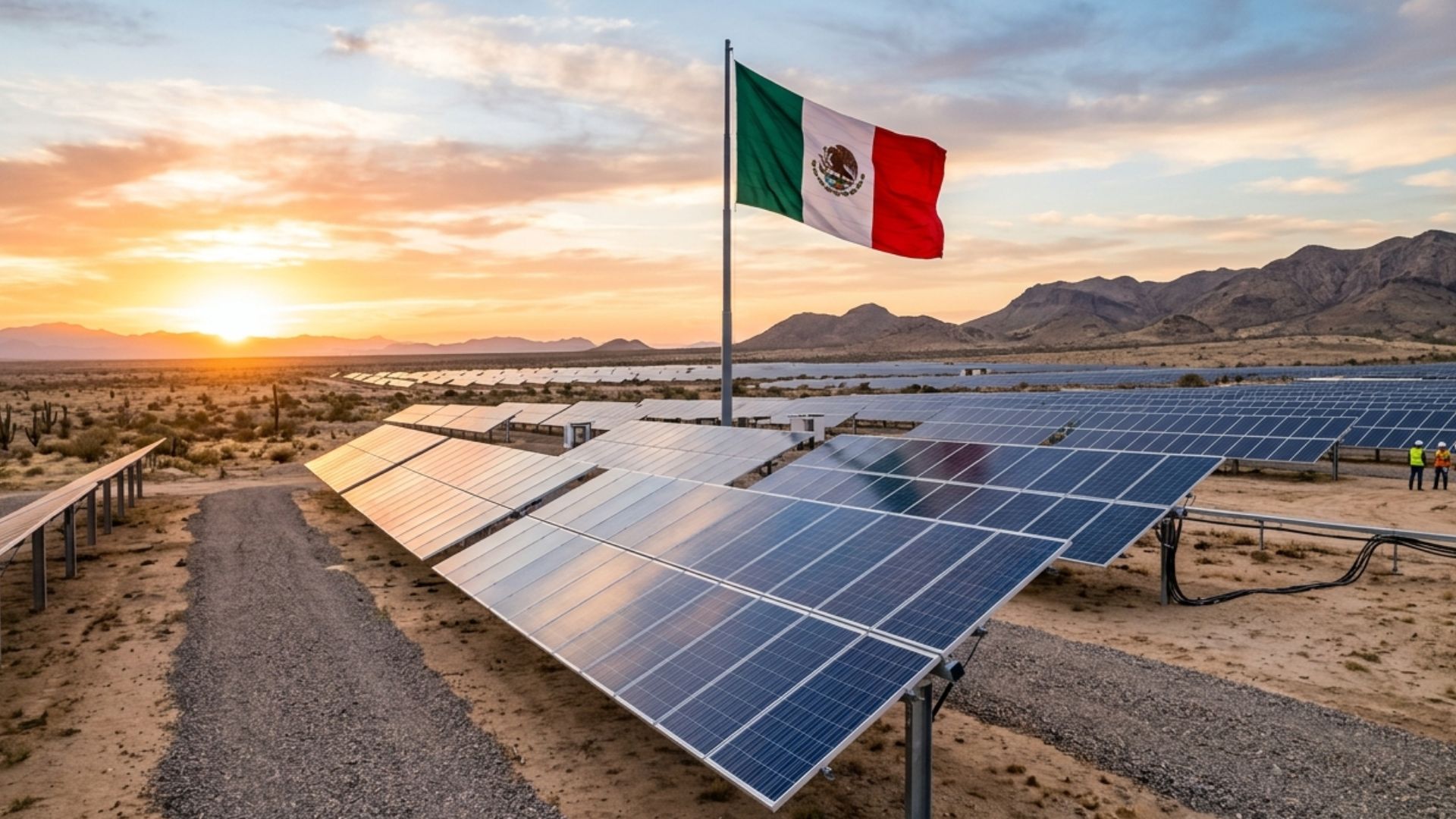
Excess solar energy occurs when the solar panel production surpasses the demand of the electrical grids. During high irradiance moments, such as sunny afternoons, supply exceeds need, leading to negative electricity prices.
According to data from Red Eléctrica de España (REE), in the summer of 2025, prices reached -4.5 euros per MWh at certain times. This means that producers paid for the energy to be consumed, highlighting an uncommon but increasingly common scenario in countries with significant solar generation capacity.
The phenomenon demonstrates the need for efficient energy storage and policies that encourage demand management, such as flexible tariffs and integration with electric vehicles and batteries.
Benefits For Consumers And Businesses
For households and industries, negative electricity prices represent an opportunity to save. During periods of excess generation, companies with flexible contracts can significantly reduce energy costs, while end consumers can benefit from lower rates or energy credits.
Experts point out that, in the long run, episodes of cheap electricity may stimulate:
- Investments in storage technologies, such as batteries and green hydrogen.
- Expansion of renewable energy use in industrial processes.
- New business models based on demand flexibility.
Additionally, the positive financial impact may encourage the adoption of sustainable solutions in households, such as residential solar panels, electric heaters, and charging systems for electric vehicles, taking advantage of periods of excess energy.
Impact On The European Energy Market
The European energy market is closely observing the Spanish case, as it anticipates challenges and opportunities related to the integration of renewable sources. The occurrence of negative prices reinforces the importance of policies that encourage the modernization of electrical grids and the creation of integrated regional markets.
The phenomenon also places pressure on traditional generation systems, such as gas and coal, which now compete with almost free energy at certain times. This stimulates the transition to a cleaner and more resilient matrix, benefiting the environment and making energy systems more flexible.
Emerging Trends In Solar Energy In Spain
The growth of solar energy in Spain continues at a rapid pace. By December 31, 2024, Spain reached a total installed capacity of 32 GW of photovoltaic solar energy, representing 25.1% of the total installed capacity in the country. The increase in capacity means that episodes of excess and negative prices may become recurrent, requiring adaptation strategies:
- Integration with storage, such as batteries and hydrogen systems, to absorb excess energy.
- Flexibilization of demand, with programs that encourage consumption during periods of high solar production.
- Regional export, selling excess energy to neighboring countries with lower solar generation.
These trends indicate that Spain not only produces clean energy but also prepares to manage the challenges of excess supply, becoming a reference in energy innovation.


Challenges Of Cheap Electricity
Despite the benefits, negative electricity prices also present challenges. Traditional producers may face reduced profitability, while grid operators must balance supply and demand without compromising system stability.
The need for storage infrastructure is clear, and investment in smart technologies will be crucial to prevent waste and ensure that the produced energy is effectively utilized. Additionally, regulatory policies must encourage efficient energy management without discouraging private investment.
Negative Electricity Prices: Lessons For Other European Countries
The Spanish case serves as an example for other countries on the continent. With the expansion of solar energy in France, Germany, and Italy, events of excess solar energy may become common, making the development of smart markets, energy storage, and policies to incentivize demand flexibility essential.
European countries can learn from Spain how to balance renewable production with consumption, minimizing negative impacts on prices and ensuring that the energy transition is sustainable, efficient, and economically viable.
Future Of Solar Energy And Negative Prices
Analysts predict that the combination of solar energy in Spain with new storage technologies and the digitalization of networks will result in a more efficient generation less prone to waste. In the long run, episodes of cheap electricity may:
- Reduce the carbon footprint of industrial production.
- Increase the competitiveness of European industries.
- Stimulate new business models based on flexible and renewable energy.
Furthermore, the European energy market may benefit from the Spanish experience, adjusting policies and infrastructure to better integrate renewable sources and reduce dependence on fossil fuels.
Economic And Social Implications
Negative prices impact the economy and society directly: consumers save, but producers face new challenges. The phenomenon highlights that the energy transition is not just about increasing renewable capacity, but also about intelligently managing supply and demand.
Additionally, it encourages the development of storage infrastructure, integration of electric vehicles, and creation of programs to incentivize conscious consumption, making the energy sector more sustainable and resilient.
The interaction between excess solar energy and policies for conscious consumption can create a replicable model in other countries, strengthening Europe’s energy security.
New Paths For The European Energy Sector
Spain shows that the advancement of renewables brings both opportunities and challenges. The excess of solar energy leads to negative electricity prices, benefiting consumers and shaping the European energy market.
The country becomes a reference for smart energy management policies, demonstrating that it is possible to reconcile the growth of solar production, cheap electricity, and sustainability. Other countries should observe closely and adapt their strategies, ensuring that the energy transition is efficient, economical, and environmentally responsible.






-

Uma pessoa reagiu a isso.