





 Portuguese
  English
  Spanish
  4 min of reading
  0 comments


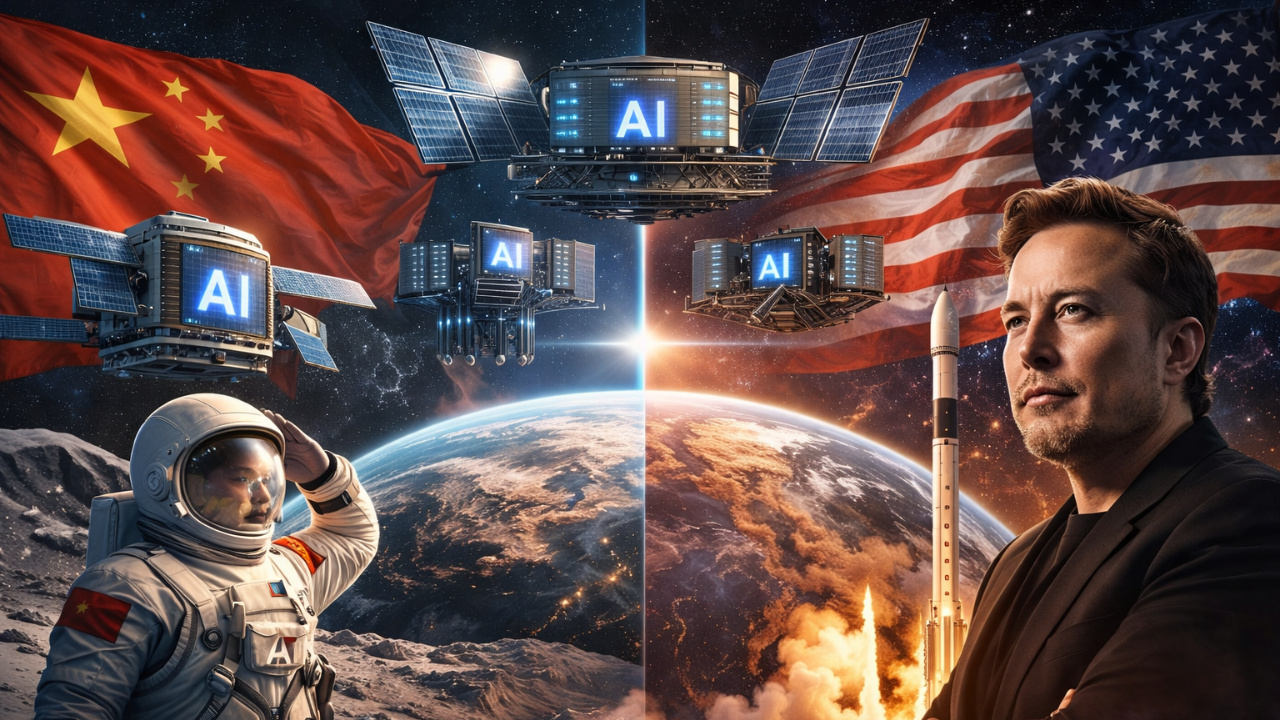
Space Solar Energy Enters the Center of the Dispute Between China and SpaceX, with Artificial Intelligence Data Centers Promising to Revolutionize Energy Use and Computational Power.
Solar energy, once limited to rooftops and ground-mounted photovoltaic parks, is now at the center of a dispute that crosses borders and even the planet Earth.
China and the United States are engaged in a new technological race to bring artificial intelligence data centers to space, powered by solar energy collected in orbit, in a move that could redefine both the electricity sector and the dominance of global technology.
While the world discusses energy crises, lack of infrastructure, and rising electricity costs, industry giants are already preparing to explore a virtually limitless source: the Sun in space.
-
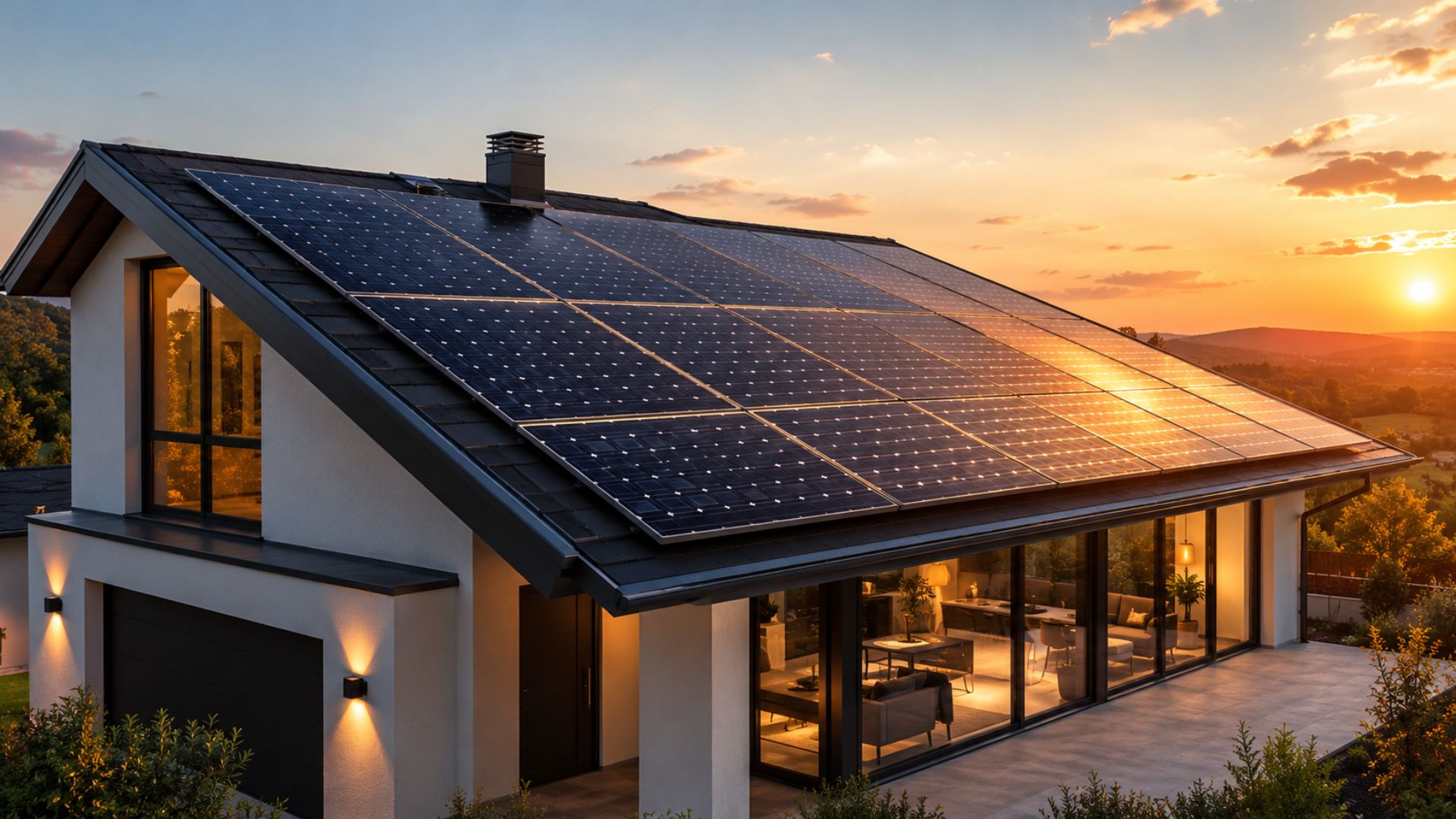
The era of solar panels attached to roofs is beginning to change with transparent glass that generates energy while keeping the view unobstructed, and perovskite photovoltaic windows already tested in offices in Japan promise to transform entire facades into invisible power plants without blocking light or altering the appearance of buildings.

-
The era of silicon alone in solar energy comes to an end with the arrival of perovskite, a material that captures a broader light spectrum, is applied as a thin film, and, together with silicon, reaches a theoretical limit of 45% efficiency in tandem modules.

-
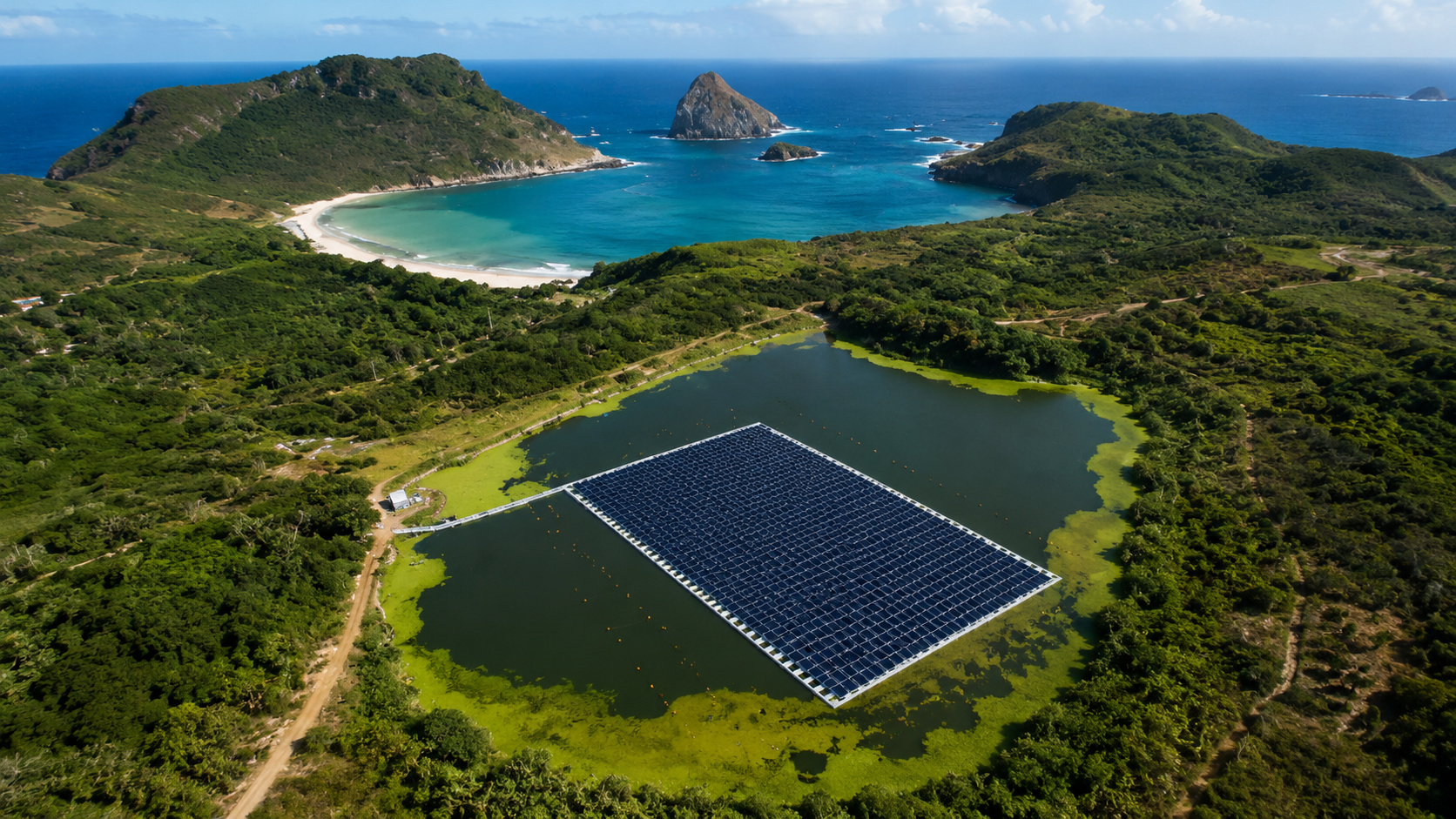
Fernando de Noronha begins unprecedented energy transformation with a R$ 350 million solar plant that promises to replace diesel generation and change the island’s sustainable future by 2027.
-
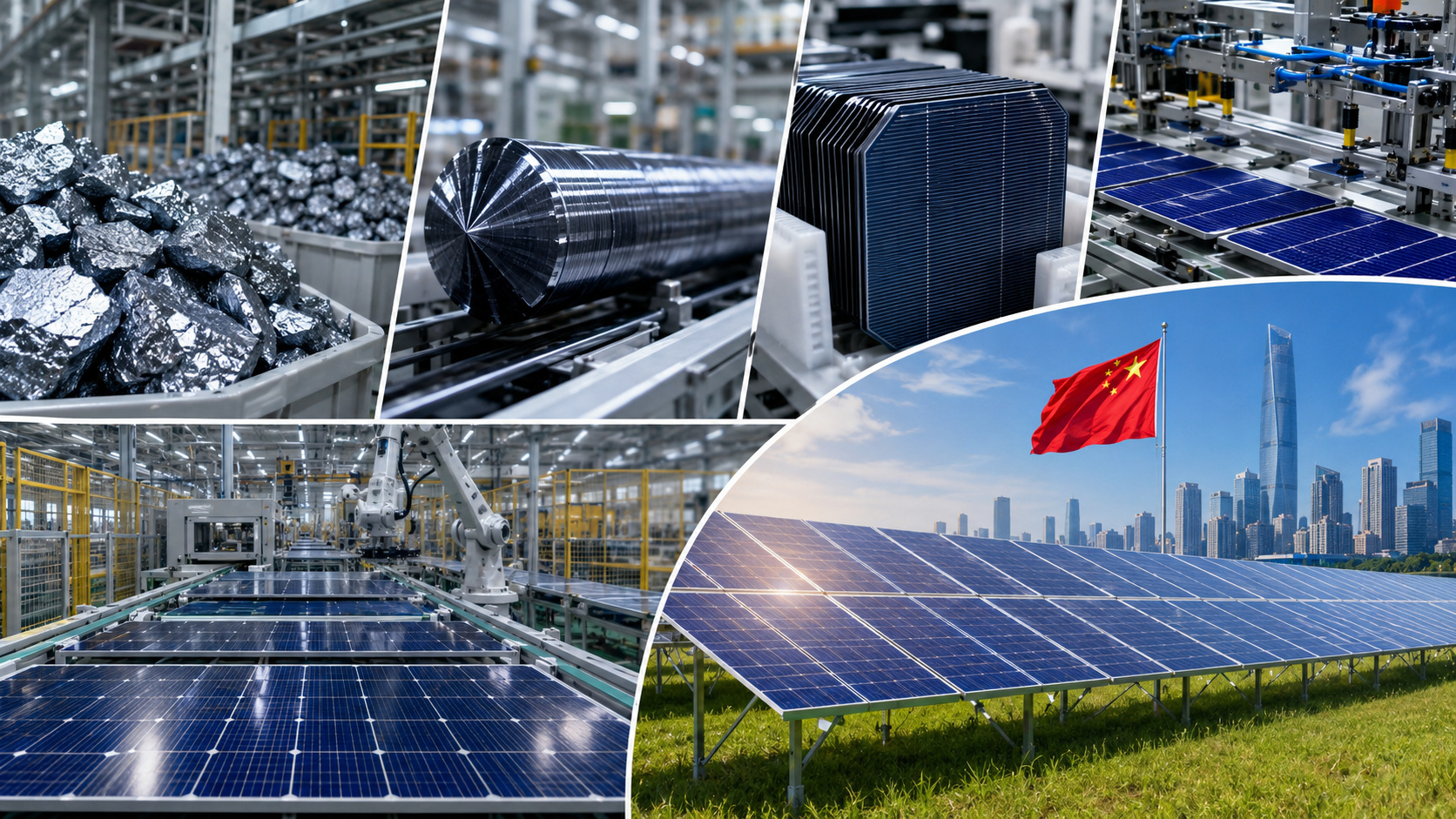
While Europe and the United States rush to save their own solar chains, China already dominates more than 80% of the global manufacturing of solar panels and has turned the sun into an industrial machine controlled by Beijing that is redefining the global energy transition.

In this scenario, Beijing and Elon Musk’s SpaceX compete to see who will be the first to control this new frontier of solar energy and high-performance computing.
China Bets on Space Solar Energy to Create an “Orbital Cloud”
China has revealed plans to launch, in the next five years, space-based artificial intelligence data centers. The announcement was made by state media, which cited a development plan from CASC, the China Aerospace Science and Technology Corporation, the country’s leading space company.
According to the document, the state-owned company promised to “build gigawatt-class space digital intelligence infrastructure.” In practice, this means creating systems capable of generating and consuming vast amounts of solar energy in orbit, enough to power entire data centers in space.


The new space centers will “integrate cloud resources, edge computing, and terminals (devices)” and achieve a “deep integration of computational power, storage capacity, and transmission bandwidth.”
Thus, data generated on Earth could be sent directly to space, processed there, and returned in near real-time.
This model would relieve pressure on increasingly overloaded terrestrial power grids due to the explosive demand for artificial intelligence.
Musk Enters the Race with Orbital Solar Energy
On the other side of the planet, Elon Musk also wants to turn solar energy into a decisive source for the future of computing. SpaceX plans to use the resources from a billion-dollar IPO, estimated at US$ 25 billion, to develop its own AI data centers in orbit.
In Davos, during the World Economic Forum, Musk was straightforward in promoting the project.

“Building solar-powered data centers in space is an obvious decision… the least costly place to put AI will be space, and that will be true in two years, at most three”.
According to the businessman, solar energy collected outside the atmosphere is much more efficient.
He stated that solar energy generation in orbit can produce five times more energy than ground-mounted panels.
This occurs because in space there are no clouds, pollution, or nighttime cycles disrupting production, allowing for a continuous and predictable supply.
China Aims to Take Heavy AI Beyond Earth by 2030
China does not hide its intention to use space solar energy for something even bigger. A CASC policy document released in December states that the country plans to transfer energy-intensive artificial intelligence processing to orbit.
The goal is to create an “Industrial-Scale Space Cloud” by 2030, powered by “gigawatt-class” solar energy centers. This project has been incorporated as one of the pillars of the upcoming 15th Five-Year Plan, China’s main economic roadmap.
In other words, Beijing wants space solar energy to become a central part of its growth model, linking technology, industry, and geopolitical power.
In addition to solar-powered data centers, the CASC plan also includes ambitious goals for space tourism.
The company promised to “achieve suborbital flight operations for space tourism and gradually develop orbital space tourism” in the next five years.
All of this is part of the strategy to transform China into a “leading global space power” by 2045.
However, there is a major obstacle in the way: the difficulty of developing reusable rockets.
Today, SpaceX dominates this technology with the Falcon 9, which has already allowed Starlink to achieve an almost monopoly in low Earth orbit satellites and also facilitate orbital space tourism.
Reusability is essential because it drastically reduces launch costs, making it cheaper to send satellites, solar panels, and data centers to space.
Do you think using solar energy in space to power artificial intelligence will lower technology costs or concentrate power even more in the hands of a few countries?








-

-

-

3 people reacted to this.