





 Portuguese
  English
  Spanish
  6 min of reading
  0 comments


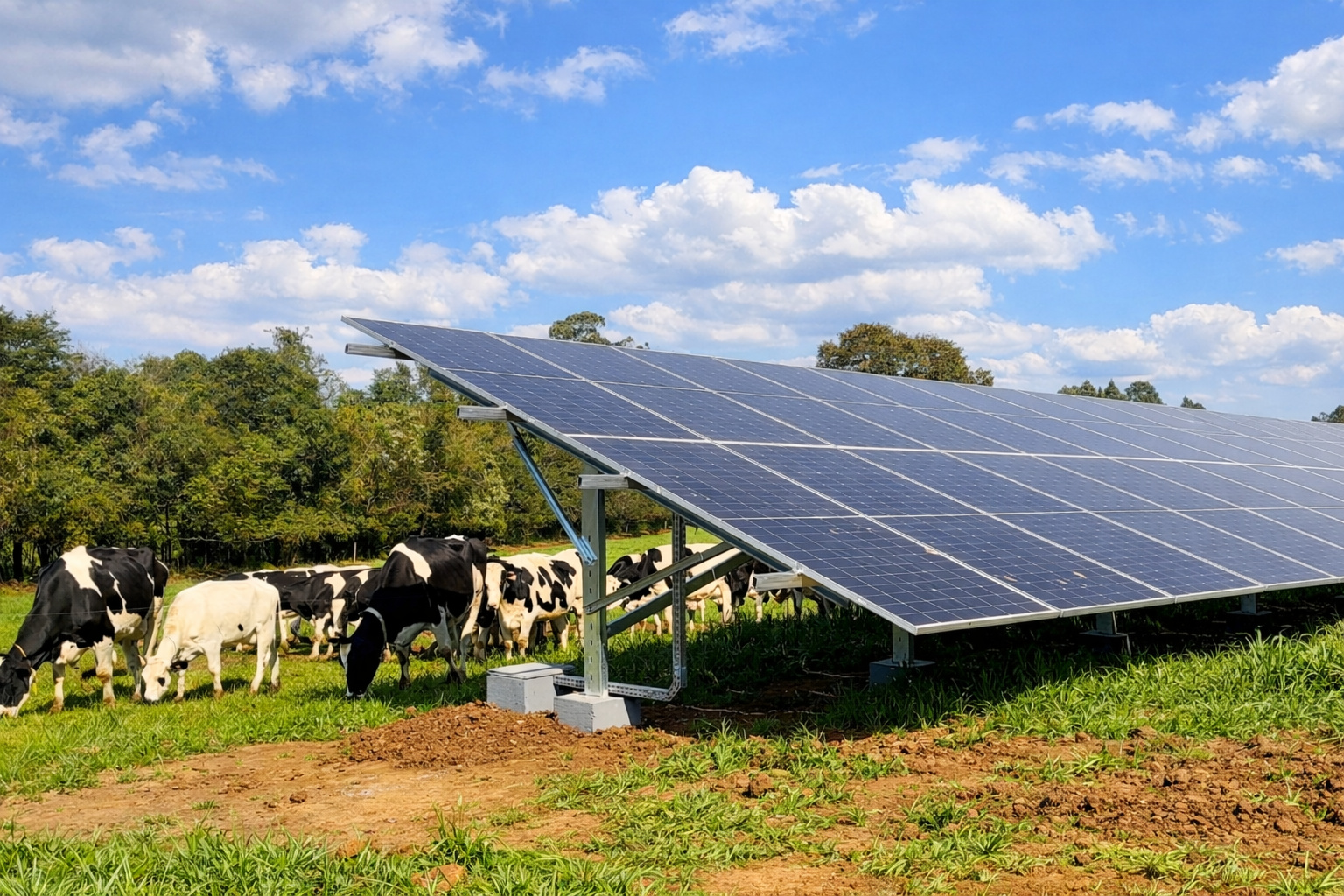
Discover How No-Investment Solar Energy Allows Rural Producers to Reduce Costs and Modernize Production Sustainably.
The Brazilian agricultural sector has faced a constant challenge for decades: the high cost of electricity. Since the onset of rural electrification in the 1960s to the present day, producers have relied on electricity for irrigation, water pumping, refrigeration, and product processing.
Moreover, electricity, essential for maintaining productivity, also pressures profitability, mainly due to tariff volatility and the need for infrastructure investments.
In this context, no-investment solar energy emerges as a strategic solution, allowing rural producers to access clean energy without tying up capital.
-
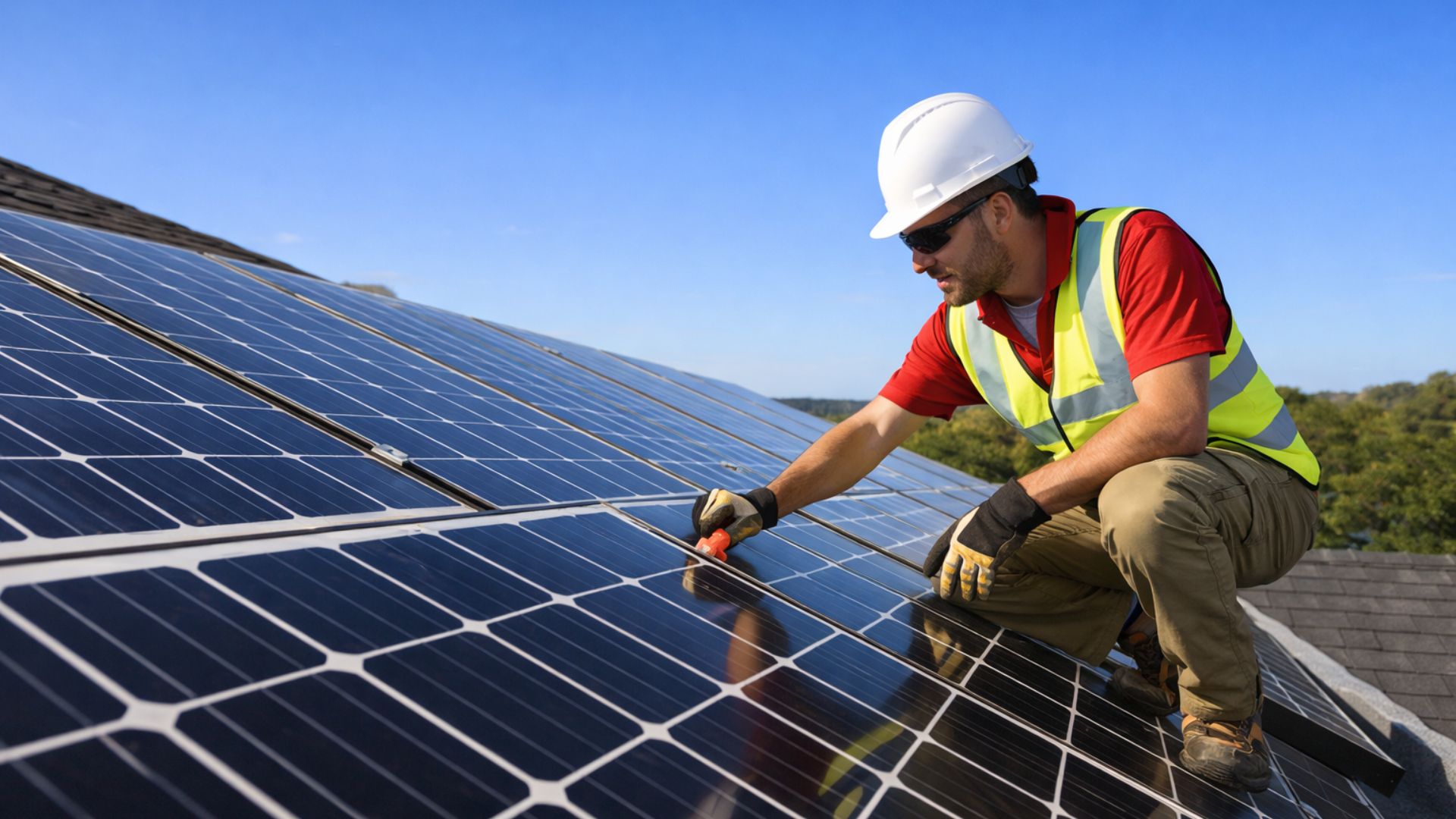
Seagri’s headquarters invests in solar energy with Neoenergia Coelba and promises to cut electricity costs, highlighting a strategic advance in sustainability and energy efficiency within state public administration.
-
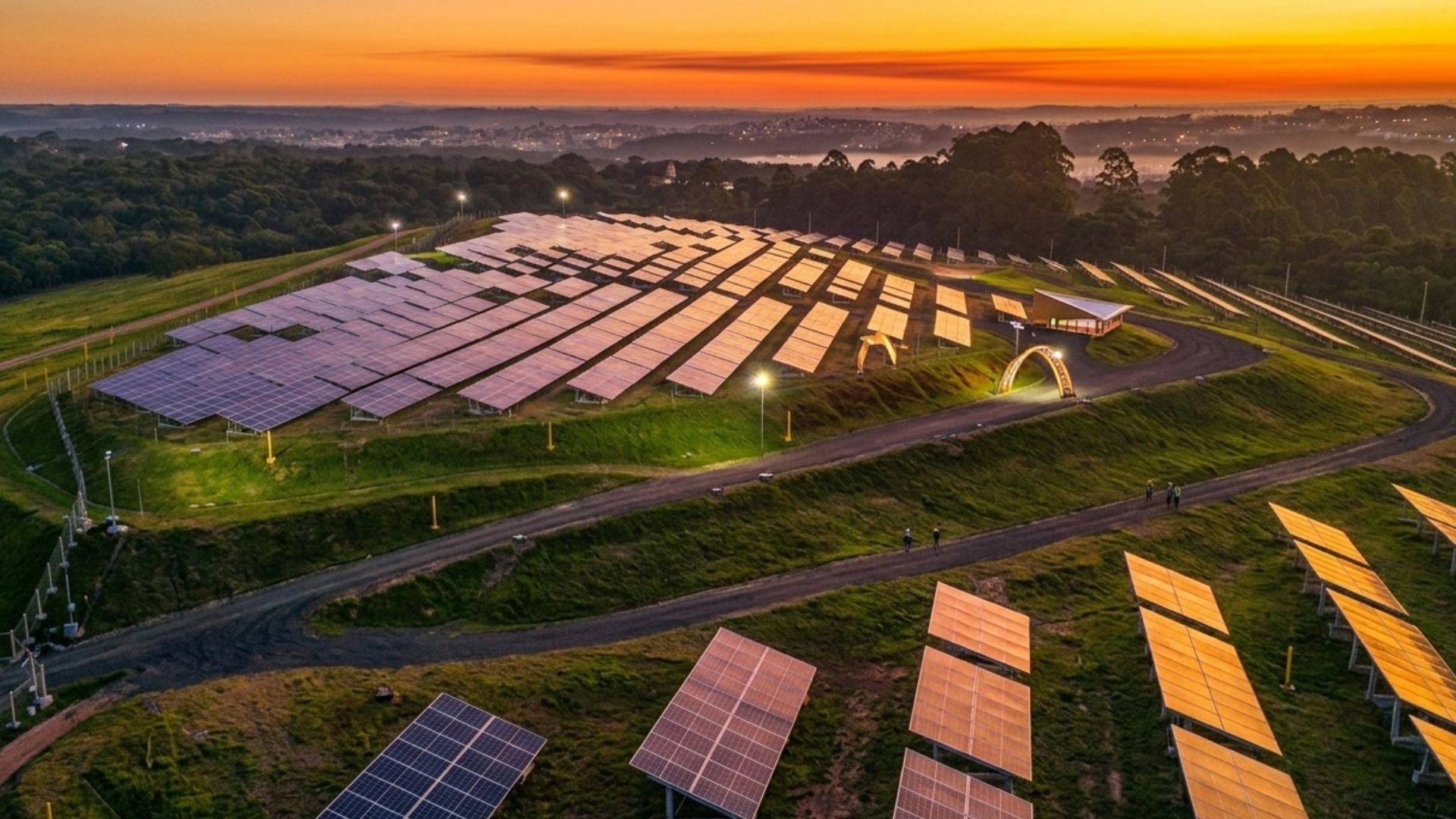
Solar Pyramid draws attention by converting solar energy into million-dollar savings and repositioning the City Hall of Curitiba as an example of innovation, sustainability, and intelligent use of public resources.
-
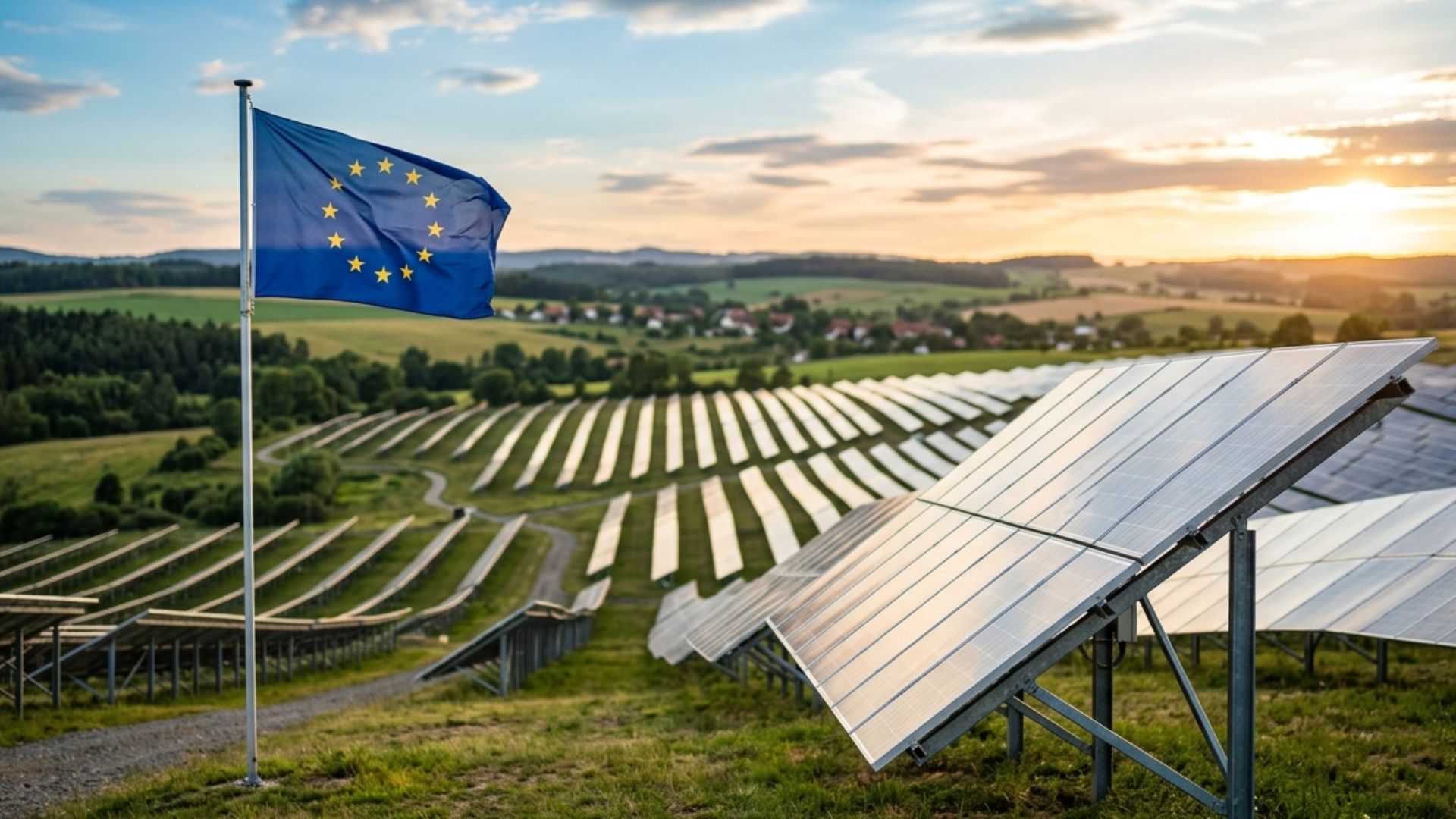
Europe records strong euro economy with solar energy in March and sparks curiosity about which country leads growth that redefines the energy market and reduces costs.
-
Piauí reaches a historic milestone in energy transition: State records nearly 160,000 households powered by solar energy and leads growth in the Northeast.
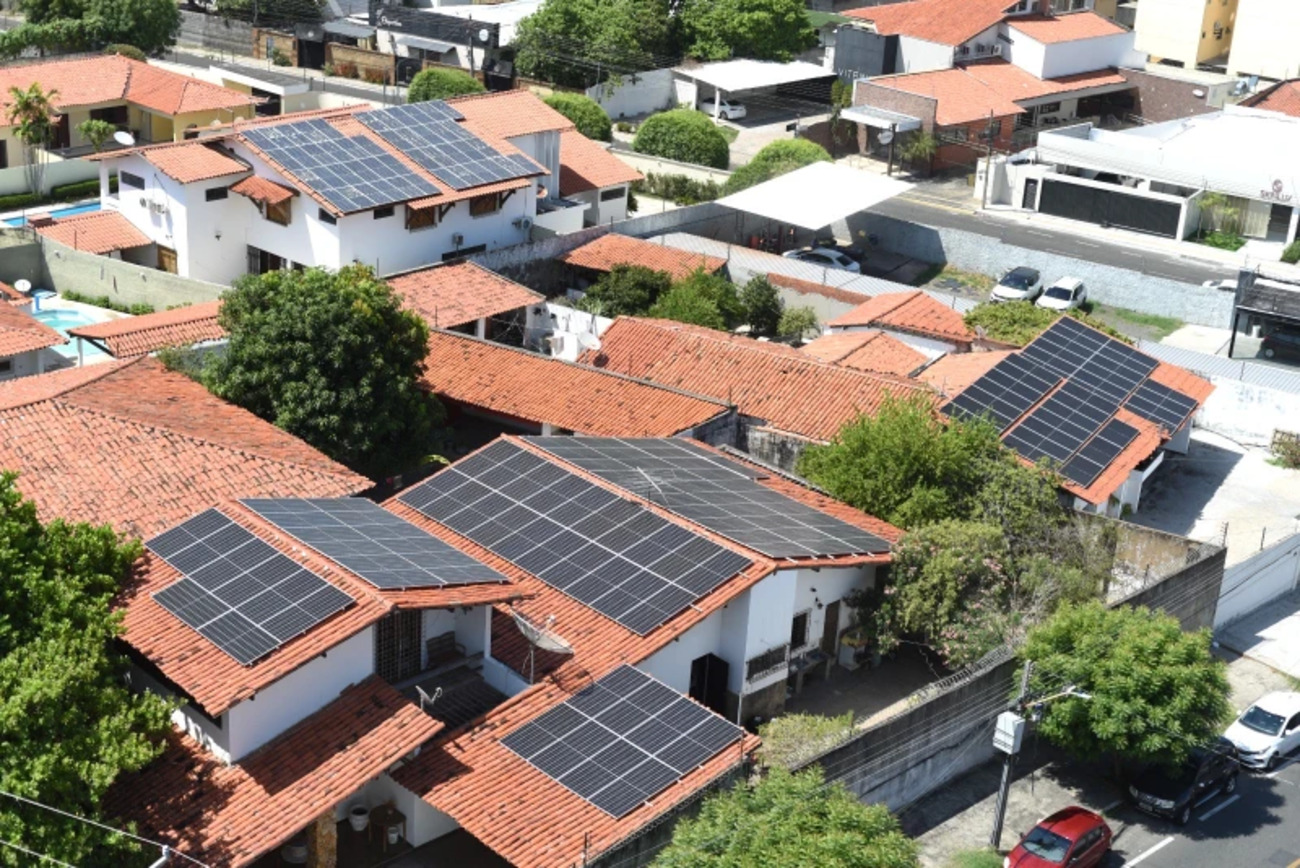

Historically, the introduction of solar energy in Brazil began cautiously. With small experimental initiatives in the 1980s and 1990s, primarily aimed at isolated regions without access to the electrical grid.
The technology was still expensive, limiting its use to specific projects.
However, as years went by, technological advancements and incentive policies for distributed generation made photovoltaic systems more accessible and efficient.
Therefore, in the early 2010s, the first experiences of subscription solar energy emerged. A model that allows consumers to use energy generated by shared plants without needing to purchase panels or install their own equipment.
In recent years, the sector has also expanded due to increased environmental awareness and pressure for more sustainable practices.
Thus, rural producers have realized that adopting clean energy sources not only reduces costs but also improves their operational image in the eyes of buyers and international markets.
Therefore, no-investment solar energy offers the possibility of reducing environmental impact without compromising budgets, becoming an increasingly valued alternative.
Growth of Distributed Solar Generation in the Fields
The growth of distributed solar generation in Brazil has been significant.
According to data from the National Electric Energy Agency (Aneel), the country surpassed 37 gigawatts of installed capacity in 2024, with a significant increase also in rural areas.
Consequently, no-investment solar energy has proven to be an effective alternative for producers of varying sizes, seeking to reduce costs and increase budget predictability.
Moreover, industry experts indicate that the savings provided by the subscription model can range between 15% and 25% on the electricity bill, depending on the consumption profile and region.
The subscription concept works in a simple and efficient manner.
The rural producer receives energy credits from shared solar plants, which are directly deducted from the distributor’s bill.
Thus, they do not need to invest in their own infrastructure, maintenance, or technological updates.
Additionally, the model ensures security and predictability, essential for agricultural activities that depend on continuous energy to operate efficiently.
The environmental impact also deserves attention.
The adoption of solar energy reduces greenhouse gas emissions, allowing producers to incorporate more sustainable practices into their operations.
For this reason, environmental value has become a competitive differentiator, especially in markets that require sustainability certifications.
Cooperatives, distributors, and international buyers increasingly value products originating from operations with a lower environmental impact, and no-investment solar energy stands out in this scenario.
Furthermore, the subscription model encourages conscious energy use, as producers begin to monitor their consumption and received credits in detail.
Therefore, this transparency fosters more efficient practices, reducing waste and promoting a more responsible energy management.
Historically, this change in behavior contributed to the use of energy in the fields being more strategic.
Minas Gerais as a Reference in Solar Energy
Minas Gerais exemplifies leadership in distributed solar generation, reflecting favorable climatic conditions and a consolidated regulatory environment.
Urban and rural consumers have embraced the subscription model in large numbers, which shows that the technology integrates into the daily life of the fields without compromising financial resources.
Thus, this historical trend illustrates that solar energy has ceased to be merely an isolated alternative and has become a strategic tool for rural development.
The flexibility of the subscription allows producers of different sizes to adapt the use of solar energy to their needs.
Small properties manage to significantly reduce costs, while large operations invest in greater energy efficiency without tying up capital.
Therefore, no-investment solar energy is not only an economic solution but also a strategy for modernization and competitiveness in agribusiness.
Besides direct savings, the subscription model enables producers to invest in other business areas, such as machinery, irrigation, and agricultural technology, without compromising cash flow with high energy expenses.
In this way, the decentralization of energy contributes to transforming the rural energy matrix, making it more resilient and sustainable over time.
Another relevant point is that access to subscription solar energy facilitates the introduction of innovative technologies in the fields, such as automated irrigation systems and intelligent refrigeration processes, which rely on reliable and continuous energy.
Thus, no-investment solar energy not only reduces costs but also enhances productivity and modernization of rural operations.
Transformations in Rural Producer Behavior
The diffusion of solar energy has also changed the behavior of rural consumers.
Producers seek predictability, cost reduction, and sustainability, and the subscription model meets these demands practically and efficiently.
Additionally, over the past few decades, these trends have transformed the energy sector landscape in rural areas, bringing the fields closer to modern and integrated solutions that were previously exclusive to urban areas.
The technological aspect also deserves emphasis.
Solar plants that offer energy by subscription utilize advanced monitoring systems, ensuring that consumption is tracked in real-time and that credits are accurately accounted for.
Thus, the producer can trust no-investment solar energy as a viable alternative to conventional electricity.
The integration of technology, sustainability, and economy reinforces the strategic nature of the model.
Another important point is budget predictability.
Unlike traditional electricity contracts, subject to adjustments and variable tariffs, the subscription model provides stability and facilitates financial planning.
Producers can project energy costs more accurately, enabling more informed decisions regarding investments and production expansion.
Historically, predictability has always posed a challenge in the rural sector, and solar energy by subscription helps to reduce this uncertainty.
The subscription model also encourages cooperation among producers.
Small and medium properties can join forces to contract shared energy packages, increasing negotiating power with solar plants and promoting economies of scale.
Moreover, this practice reinforces the community aspect of the model and strengthens sustainable regional development.
Socioeconomic Impact and Future of the Sector
The socioeconomic impact also deserves attention.
By democratizing access to clean energy, even producers with limited resources can benefit from advanced technology, reducing regional inequalities in access to energy solutions.
Therefore, this historical inclusion reinforces the importance of innovative models, such as subscription, for the sustainable development of the Brazilian agricultural sector.
In summary, no-investment solar energy transforms agribusiness by combining economy, sustainability, and modernization.
From the initial experiments in rural electrification to the advances in distributed generation, the sector has evolved significantly, and solar energy subscription stands out as a practical and efficient tool.
Producers of all sizes reduce costs, increase competitiveness, and incorporate sustainable practices without compromising capital or their own infrastructure.
The future of solar energy in the fields points to a continuous expansion of this model.
As technology becomes more accessible and environmental awareness grows, subscription should solidify as a permanent solution for rural producers.
Thus, history shows that adaptation and innovation have always been fundamental for success in the fields, and no-investment solar energy represents the natural evolution of this process.
By adopting solar energy by subscription, the producer not only saves money but also prepares for an increasingly demanding and conscious market.
The combination of sustainability, predictability, and cost reduction makes no-investment solar energy a strategic alternative that strengthens the competitiveness of Brazilian agribusiness and contributes to a more sustainable future.







-

Uma pessoa reagiu a isso.