





 English
  Francês
  Alemão
  Italiano
  Japonês
  Norueguês
  Portuguese
  Spanish
  2 min of reading


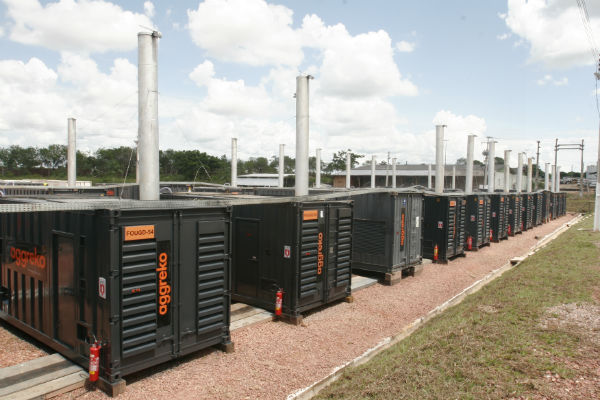
Temporary Energy, Common in Brazil in 1970, Can Offer the Country Reliability When Demanded
Energy is one of the basic projects operated by companies and industries around the world. For businesses, industries, and commerce, instability or interruption of energy supply, for any reason, can affect deadlines, interfere with product quality, and cause disruptions in customer relationships. With these issues in the sector, temporary energy in Brazil may provide system reliability and the ability to support different departments when needed.
Also Check:
- Icebreaker Arktika, the Largest and Most Powerful Ship in the World from the Nuclear Fleet, Starts Operations Today in Russia
- Amid the Pandemic, Petrobras Increased Oil Production by 9% and Grew Production from Pre-Salt Fields by 32%
- Civil Construction Remains Leading Job Creation in 12 Brazilian States Even Amid the Pandemic
In Brazil’s energy matrix today, according to data from Aneel – National Electricity Agency, 9,984 energy generation projects have been obtained from fossil fuel or renewable sources. In some cases, energy is still needed, but due to logistical issues, there are no franchisees in the area. Therefore, the demand leads entrepreneurs to seek temporary energy services.
Temporary energy is produced through generators. It became more common in Brazil in the 1970s due to investments in infrastructure. By defining and seeking more modern ways to provide energy security and stability, this market is already relevant and can be used as a form of protection against failures or insufficient or nonexistent supply capacity.
-
Unemployment rises again to 5.8% at the beginning of 2026, raising alarms about the end of temporary positions and its impact on the Brazilian job market.

-
Document organization can cut invisible costs in small businesses, a simple step that prevents waste, rework, and losses in daily operations.

-
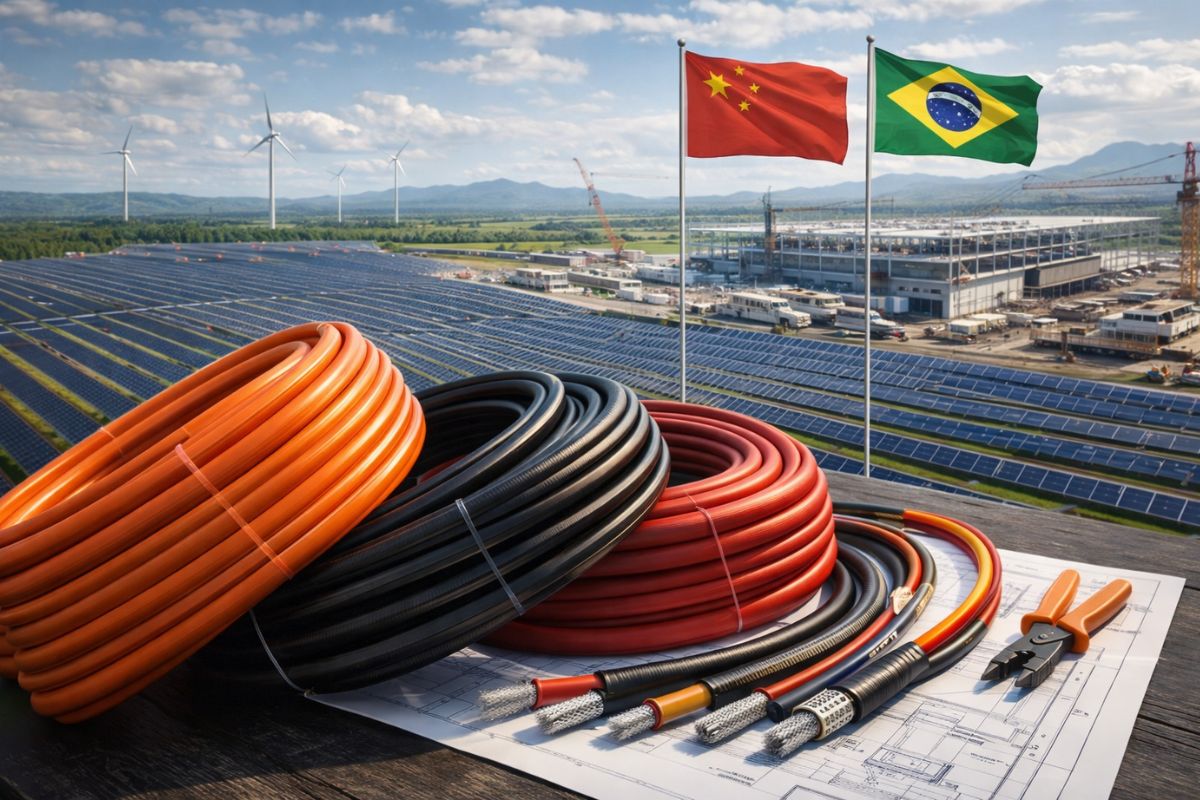
Chinese giant worth nearly R$ 4 billion that manufactures cables for electric cars, solar energy, and robotics wants to open a factory in SC.
-
Many employers do not know, but the law guarantees domestic workers a 25% increase in salary during trips, 50% for overtime, 20% for night shifts, and 17 additional benefits that can lead to labor lawsuits if not paid.

According to data from Aneel, Brazil has a significant dependency on hydroelectric energy, which means the country is vulnerable to weather disruptions. This situation reinforces the relevance of temporary energy, as it provides system reliability when needed and serves different departments.
Temporary energy support helps keep the business or enterprise running in case of unforeseen events or scheduled downtime, ensuring supply.
For industries operating in remote areas, such as mining companies and the oil and gas sector, power generators support the operation of machinery, ventilation systems, and emergency lights. For venues hosting large-scale events such as concerts, biennials, or sporting competitions, this is also an energy security strategy.



Seja o primeiro a reagir!