





 English
  Francês
  Alemão
  Italiano
  Japonês
  Norueguês
  Portuguese
  Spanish
  3 min of reading


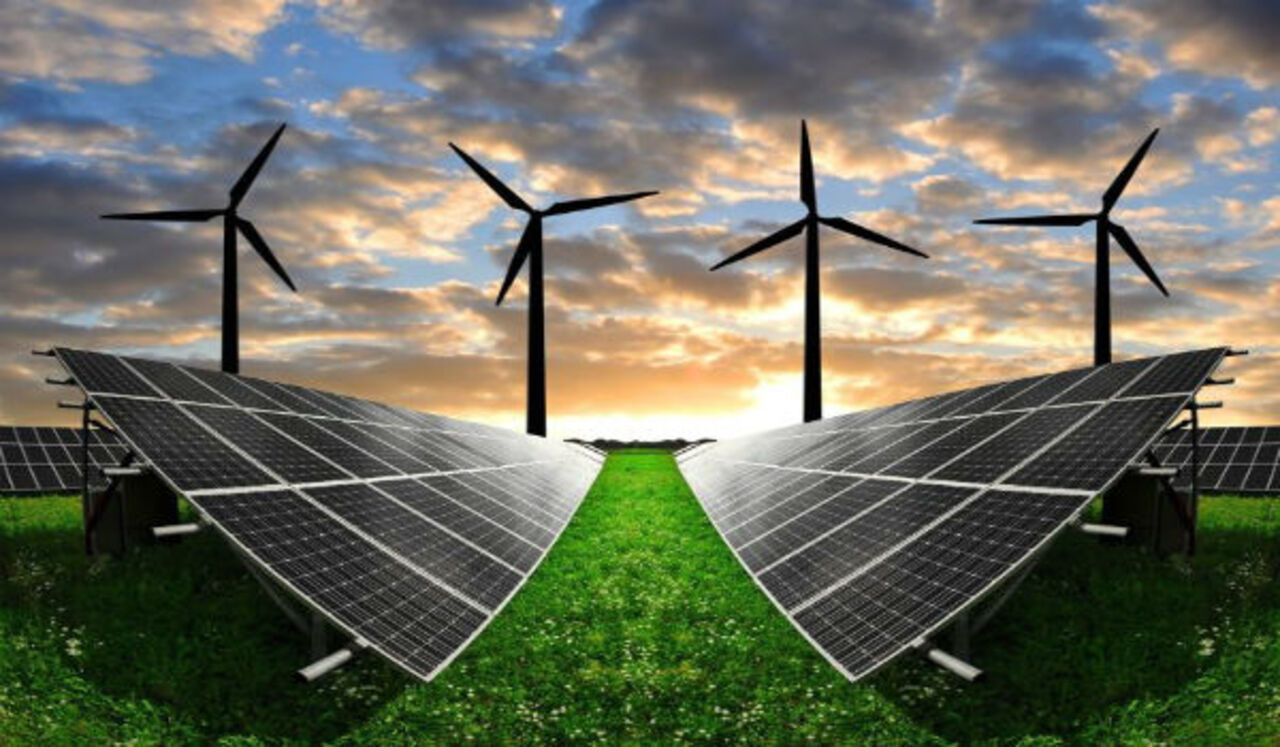
Wind, Solar, And Biomass Energy Are Driving A Renewable Energy Revolution. Here’s What You Need To Know About Renewable Energies And How The Market Works For Each Of Them
The Brazilian market has the main sources of renewable energies, which are: wind, solar, and biomass energy, accounting for more than half of the energy generation in the country. New renewable energies, such as solar and wind, have been gaining recognition and their usage has been growing significantly year after year. It is estimated that by 2050 the amount of energy generated by solar panels will reach between 78 and 128 GW.
Read Also
Solar Energy
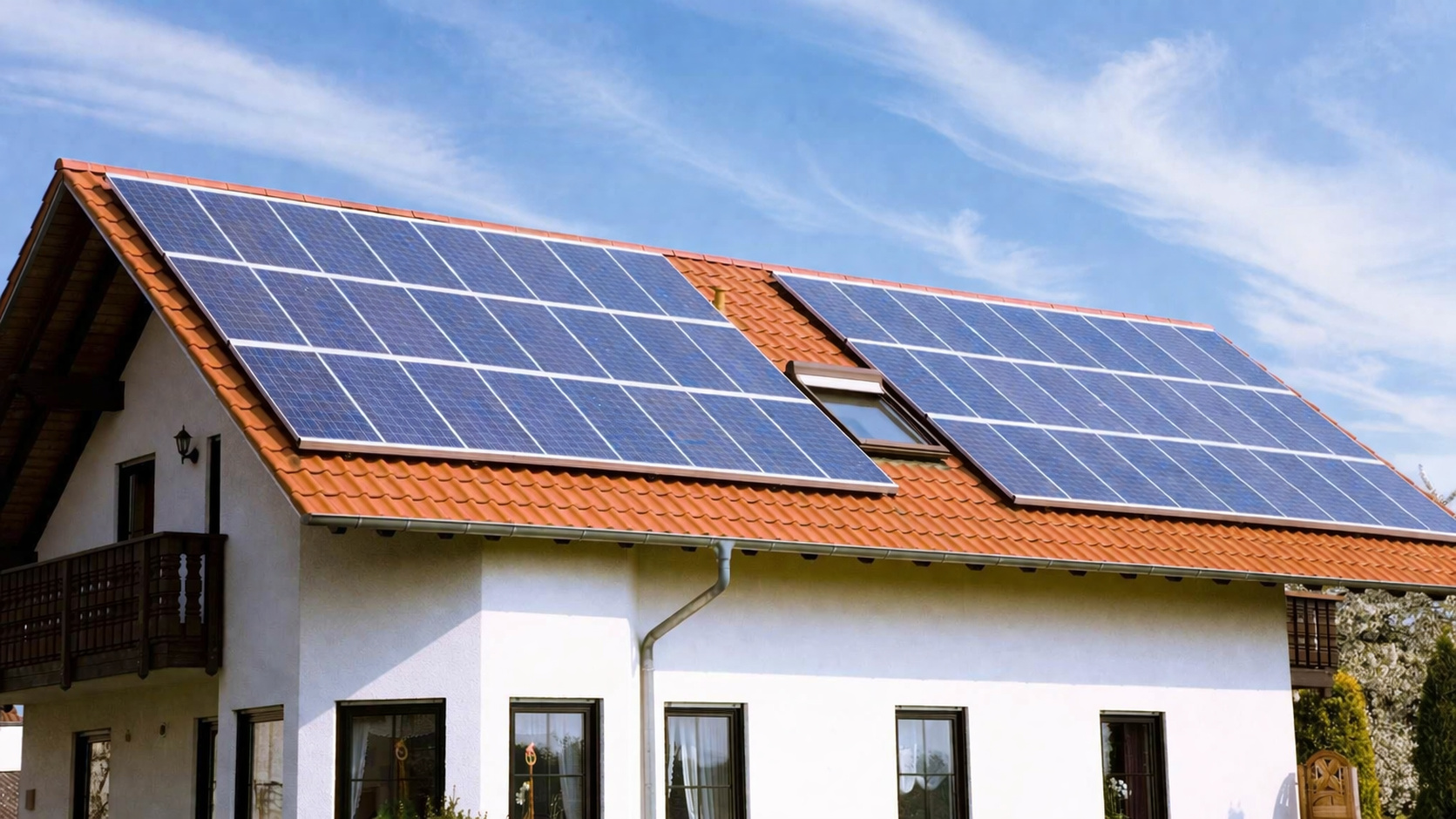
Solar energy is considered one of the best renewable energies as it is created from the heat of the sun, meaning that as long as there is sunlight, this energy can continue to be harnessed. Additionally, it is a sustainable energy source with a low environmental impact. Therefore, solar energy is a renewable and clean energy source. Since 2012, the solar market in Brazil has been growing on average by over 200% per year.
Solar energy is harnessed when the energy from the sun is converted into electrical energy or used to heat water or other liquids. The potential of solar energy is so great that it is estimated that if all the energy from the sun were utilized, it would be enough to generate over 1800 times the energy consumed in the world.
-
With 160,000 m² of collectors, an area larger than 20 football fields, Silkeborg, in Denmark, hosts a solar thermal plant that heats 19,500 homes and could become the largest solar heating plant in the world.

-
A study reveals the expansion of renewable energy procurement in Brazil and shows how companies are taking advantage of opportunities to reduce expenses, ensure energy efficiency, and strengthen strategic environmental commitments.

-
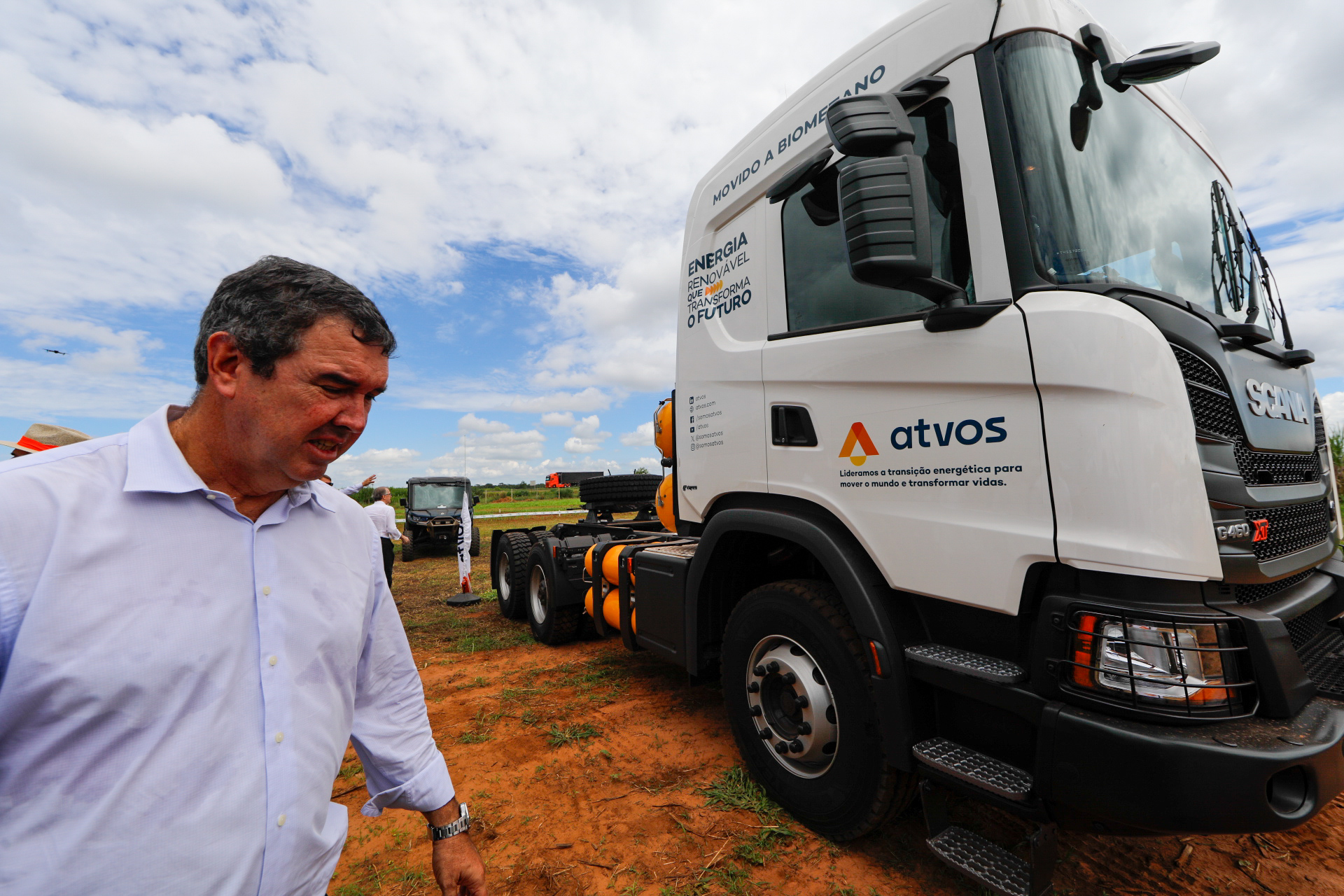
Mato Grosso do Sul excels in the sugar-energy sector: the state reaches a milestone of 22 operating mills and accelerates the production of clean energy in MS with a focus on sustainability.
-
National energy dilemma: Brazilians support clean energy but reject increases in tariff costs to finance the sustainable transition.

Renewable Energies – Wind Energy
Currently, turbines as tall as skyscrapers – with blades almost as wide in diameter – are installed around the world. Wind energy turns the blades of a turbine, which powers an electric generator and produces electricity, one of the most widely used types of renewable energies worldwide.
Wind energy in Brazil has a current installed capacity of 15 GW distributed across 601 wind farms, equivalent to 9.3% of the installed energy capacity in the country, ranking 5th in the worldwide ranking in 2019.
The potential for wind energy in Brazil is stronger from June to December, coinciding with the months of lowest rainfall intensity. This positions wind as a potential supplementary energy source generated by hydropower plants.
Biomass
Biomass is organic material that comes from plants and animals, including crops, wood waste, and trees. When biomass is burned, chemical energy is released as heat and can generate electricity with a steam turbine.
Biomass is often incorrectly described as a clean and renewable fuel and a greener alternative to coal and other fossil fuels for electricity generation. However, recent science shows that many forms of biomass – especially from forests – produce more carbon emissions than fossil fuels. There are also negative consequences for biodiversity.
Still, some forms of biomass energy can serve as a low-carbon option under the right circumstances. For example, sawdust and wood chips that would otherwise decompose quickly and release carbon can be a low-carbon energy source.
Responsible for just over 9% of the electricity consumed in the country, biomass energy is obtained from burning organic materials as mentioned earlier. Among the most commonly used biomass sources are sugarcane bagasse (which represents 78%), rice husk, wood chips, and elephant grass, for instance. It is also possible to use gases resulting from the decomposition or incineration of waste in specialized plants.








Seja o primeiro a reagir!