Portuguese
  Spanish


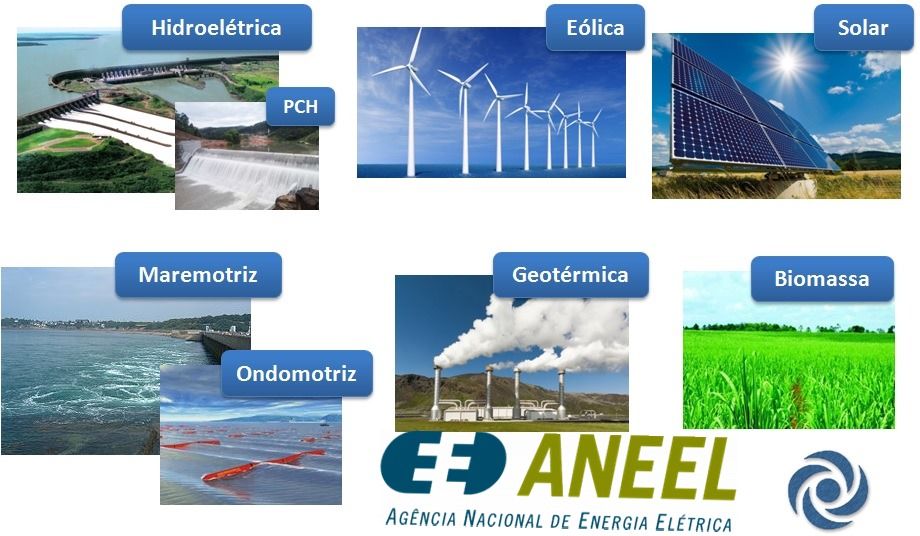


A-6 Auction Projects Finally Have Construction Approval for 15 Plants by Aneel, with Promises of Thousands of Jobs and Economic Injection
Aneel, the electricity sector regulator in Brazil, approved on Tuesday (03) 283.45 MW of successful projects in the A-6 auction held on October 18, 2019. In total, eight wind power plants, two biomass plants, four small hydroelectric plants, and one large hydroelectric plant received the green light. The auction awarded power purchase agreements (PPA) to projects that will begin supplying energy on January 1, 2025.
More Details About the Contracted Capacity Now Approved Are Available in the Table Below.
| Name | Source | Capacity |
| Caetité D | Wind Power | 27.50 MW |
| Ipiranga Bioenergia Mococa | Biomass | 40.20 MW |
| Cerradão 3 | Biomass | 40 MW |
| Rodeio | Small Hydroelectric Plant | 9.75 MW |
| Jaspe | Small Hydroelectric Plant | 5.10 MW |
| Barra das Águas | Small Hydroelectric Plant | 8.50 MW |
| São Luiz | Small Hydroelectric Plant | 10.50 MW |
| São Roque | Large Hydroelectric Plant | 141.90 MW |
One of the major projects to be executed is precisely São Roque, which will be handled by Nova Engevix. Find the details of this undertaking here and prepare for latent opportunities in the sector.
Aneel has already approved 82 projects out of a total of 91 winning projects. The auction contracted over 250.14 million MWh of energy at an average price of BRL 176.09 per MWh (US $ 39 / EUR 35). Nine projects are still under review due to pending documentation, Aneel emphasized.
-
World’s Largest Engie Solar Plant in Brazil Highlights Billion-Dollar Energy Waste Issue: Company Considers Batteries and Bitcoin Mining to Avoid Wasting Production

-
Air Products Cancels $2.9 Billion Clean Hydrogen Megaproject in Louisiana, Shuts Down Arizona Unit, Highlighting High Costs of U.S. Energy Transition
-
Over 60 Tractors Take to the Streets in Lopera as Solar Parks Compete with Olive Groves, Affecting 13,000 to 100,000 Trees According to Conflicting Reports

-
Green Hydrogen Projects in Northeastern Brazil Stalled for 18 Months Awaiting Government Decree, Delaying Billions in Investments