





 Portuguese
  English
  Spanish
  3 min of reading


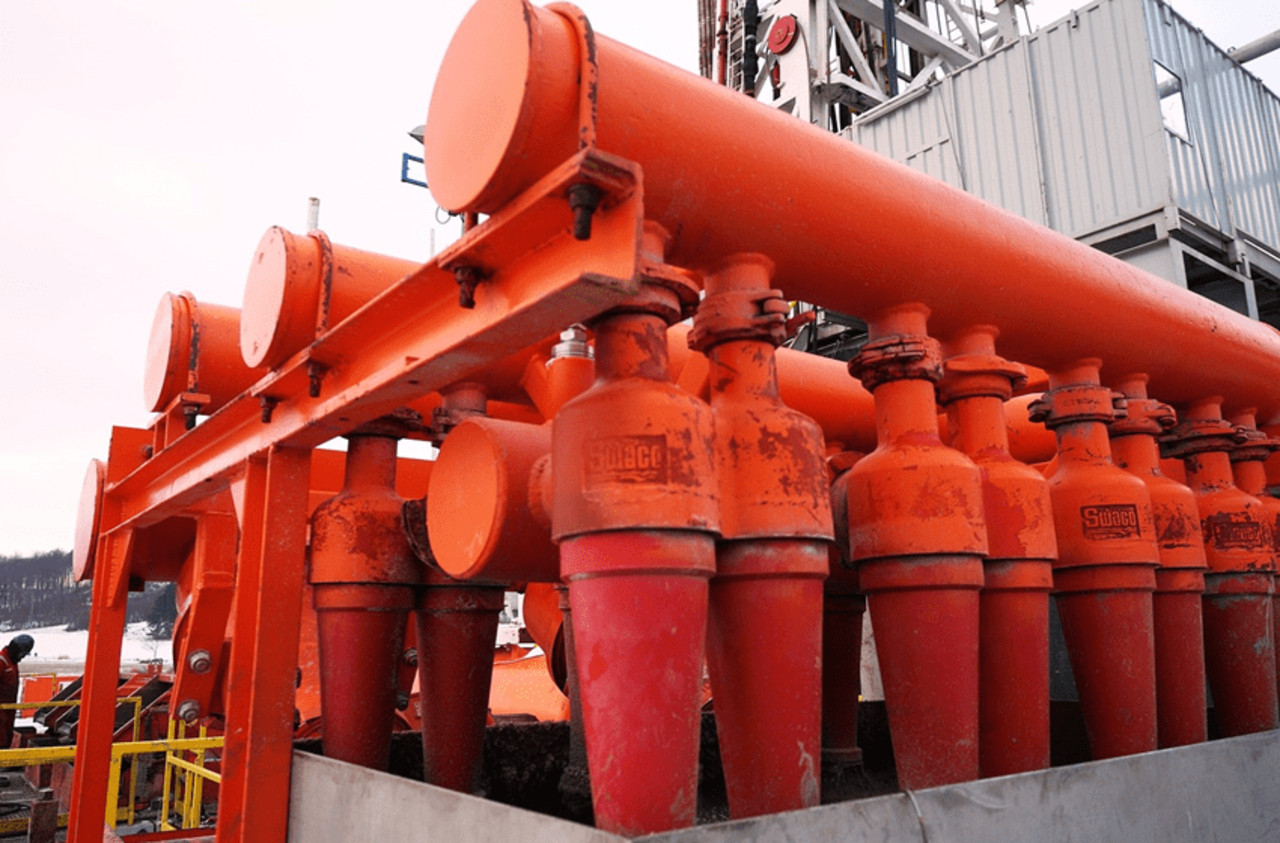
Thinking About The Economy Of The Population And Clean Energy, Eneva Has Invested Heavily In The Natural Gas Market In The Brazilian Interior
With an increase of 5.5 billion m³ in confirmed reserves with clean energy, Eneva is mapping large clients in the North and Northeast Regions regarding natural gas. After completing the restructuring of its energy area in 2020, Eneva bets that 2021 will be the year of natural gas. The company wants to explore the opportunities generated by the opening of the market, marketing the product to free consumers. And Eneva has the gas for that.
Read Also
More Than 5 Billion Natural Gas Reserves Confirmed By Eneva
Following the confirmation of an increase of 5.5 billion m³ in the company’s proven reserves, the priority is to market its own production in the Azulão fields in Amazonas; and from the Parnaíba Basin in Maranhão, always keeping priority on the economy and clean energy.
According to Camila Schoti, General Manager of Marketing at Eneva, the company has been mapping business opportunities with large clients in the North and Northeast Regions of the country to leverage logistical advantages due to proximity to the company’s gas assets.
-
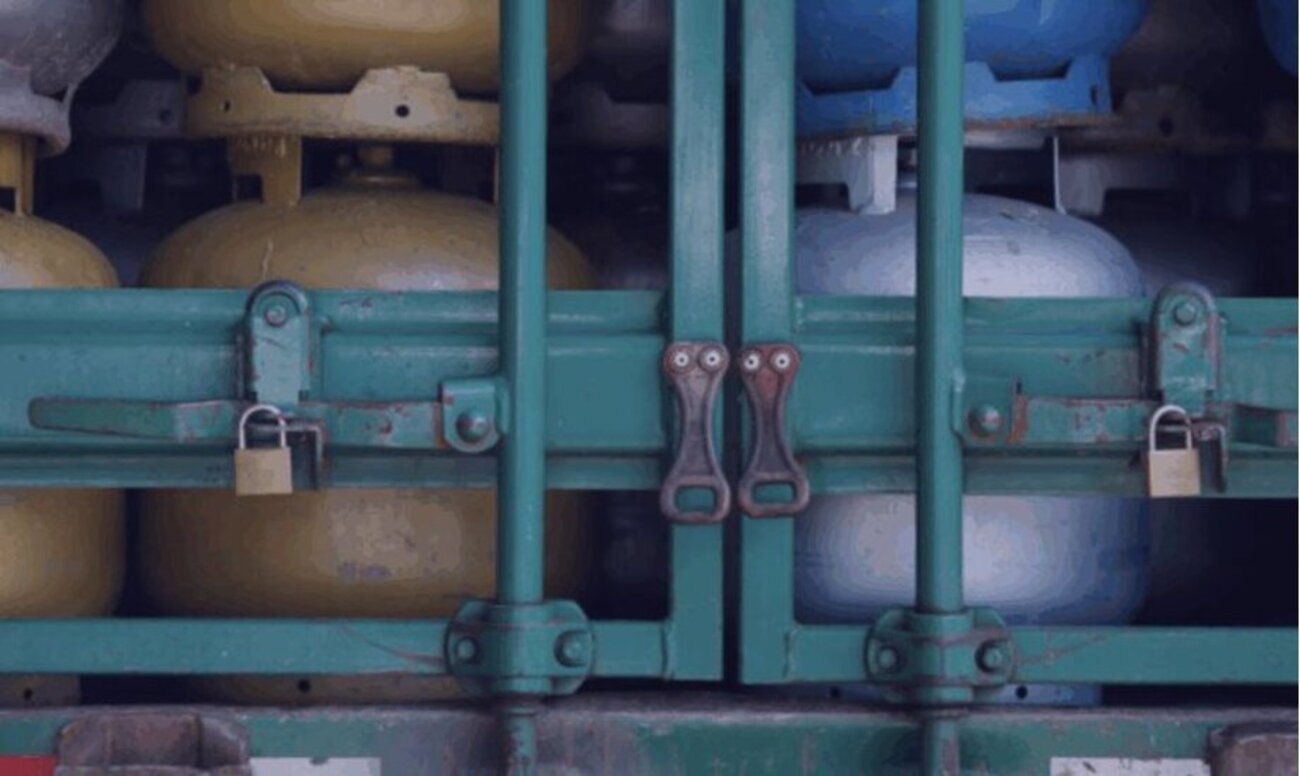
Petrobras evaluates suspension of sales to distributors and considers canceling the cooking gas auction following guidelines from the Federal Government.
-
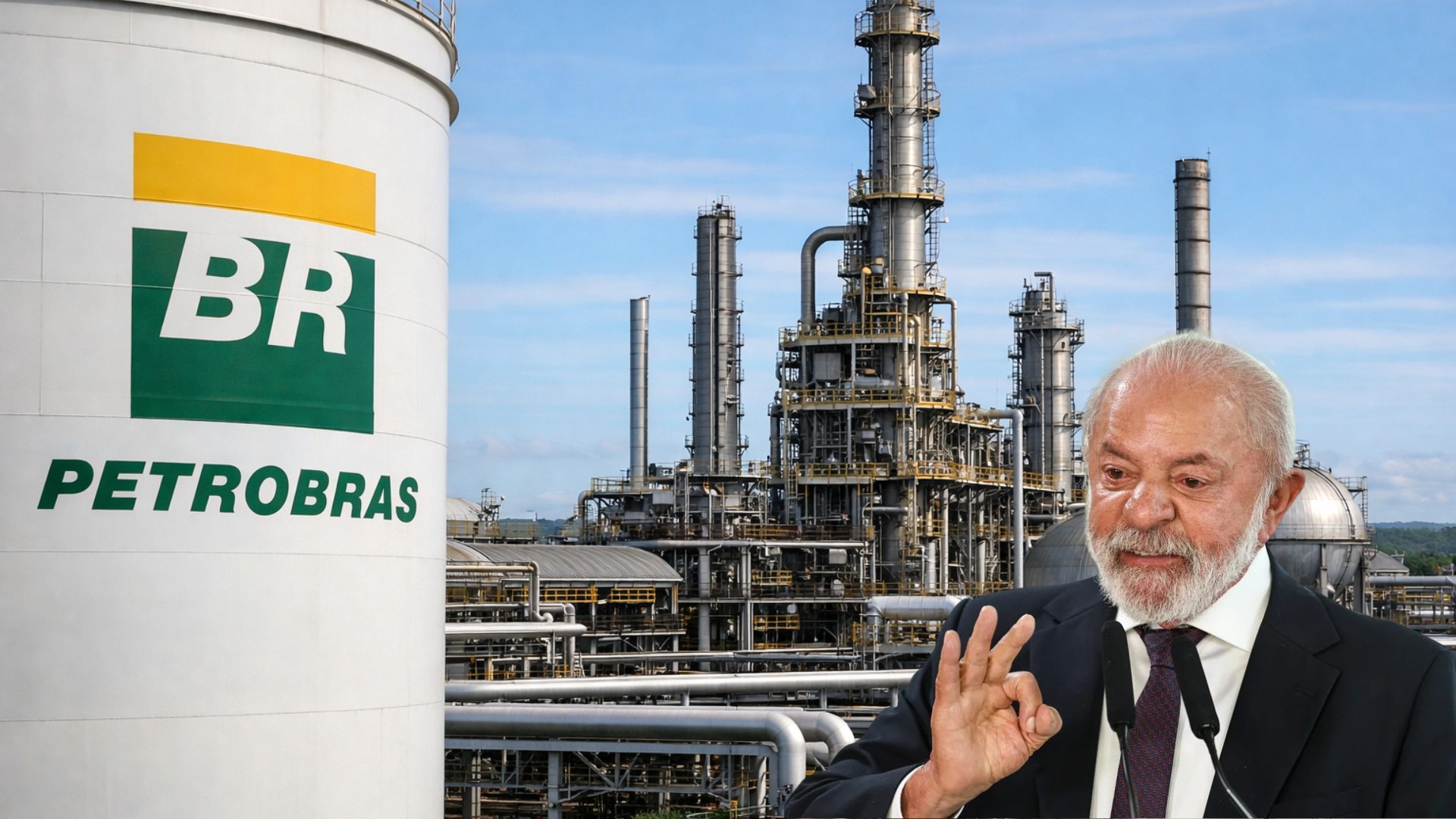
Lula reveals a masterstroke by Petrobras to undo a deal made by Bolsonaro, which involves the return of an important refinery that currently produces less than half of what was expected and makes Brazil dependent on international diesel.
-
A study confirms that the natural gas sector will reduce greenhouse gas emissions in Brazil by 0.5% and accelerate the energy transition by 2026.

-
Petrobras implements a severe adjustment and confirms a 55% increase in the price of aviation kerosene with a proposal for installment payments for the companies.

She explains that there is great interest in the free gas market, both in the thermal and non-thermal segments. “Clients connected to gas pipelines want other suppliers, and those who are isolated want an alternative that provides more competitiveness to their processes,” she summarizes.
“There is an opportunity to replace liquid fuels like diesel and fuel oil with natural gas, with significant economic, social, and environmental impact.”
New Strategies For The Internalization Of Natural Gas In Brazil
Brazil is already recognized as a major natural gas producer, with volumes of 130 million cubic meters per day (mm m³/d). Part of this production is reinjected into wells to increase oil production, part is consumed in the production itself, and part is also flared on platforms and finally invested in clean energy.
The net volume available for marketing is around 83 mm m³/d (EPE, PDE 2029). There are also some losses in gas processing, but in addition to national production there is also importation via pipelines or by ships, with gas being transported in a liquid state (Liquefied Natural Gas, or LNG), conditioned at -160 degrees Celsius.
The national gas pipeline network interconnects capitals and coastal cities from Ceará to Rio Grande do Sul in a North-South direction (with a branch going from Rio de Janeiro to Minas Gerais) and from the State of Mato Grosso do Sul to São Paulo in the West-East direction. The network also includes small sections in Mato Grosso and Amazonas.







Seja o primeiro a reagir!