





 Portuguese
  English
  Spanish
  3 min of reading
  0 comments


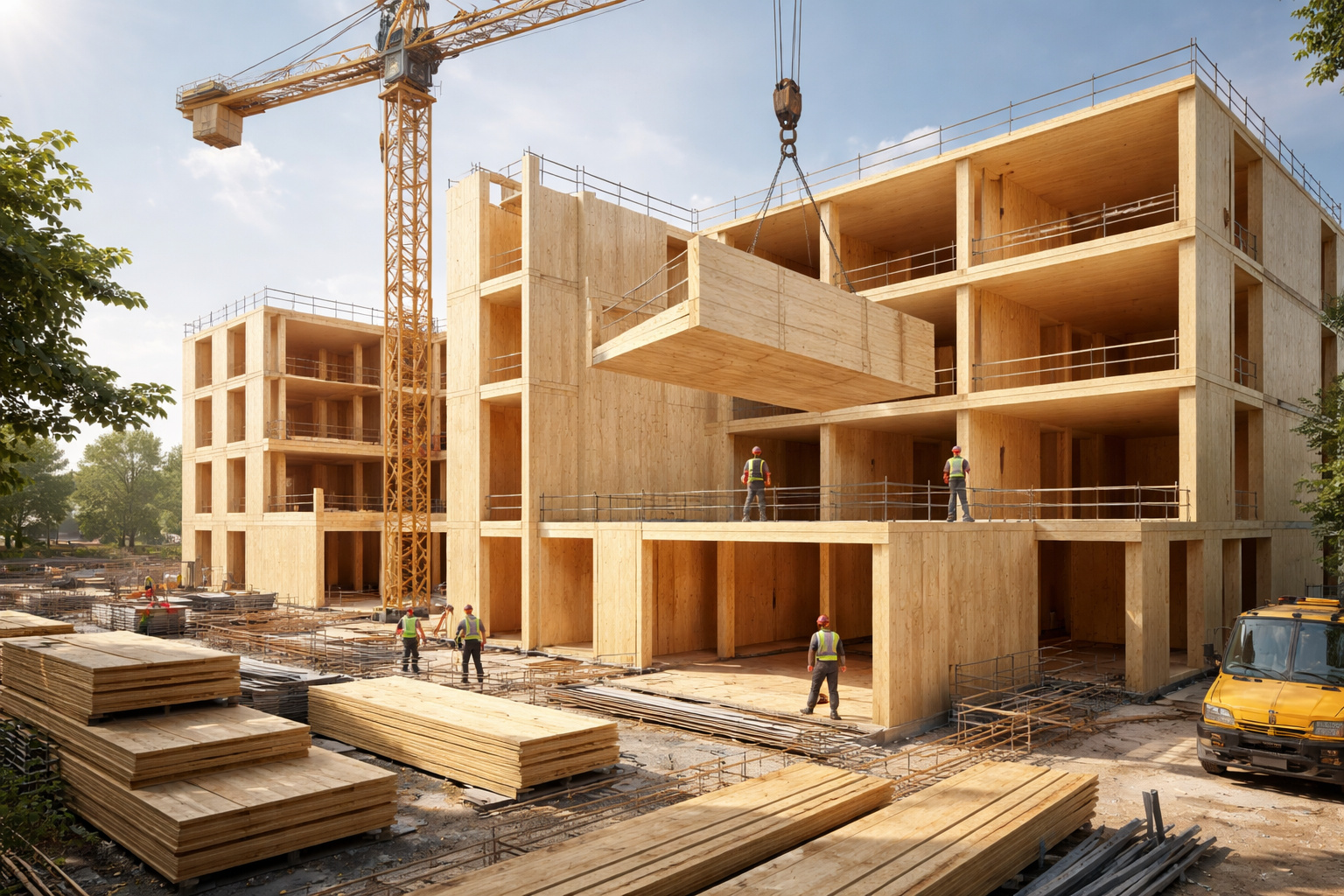
The technology of cross-laminated timber redefines efficiency, sustainability, and speed in contemporary construction
Engineered wood CLT, known as Cross-Laminated Timber, has gained prominence especially since 2020 as an innovative solution in civil construction.
This technology allows for dry, fast construction with high structural performance, attracting global attention.
The panels are formed by layers of solid wood glued in alternating directions, thus offering high dimensional stability.
This solution transforms the sector by combining industrial precision, sustainability, and construction efficiency.
Structural performance positions CLT as a substitute for steel and concrete
Engineered wood CLT stands out primarily for its weight-to-strength ratio, which can be equivalent to or even superior to steel in various applications.
Moreover, cross-lamination reduces deformations caused by moisture, ensuring greater structural durability.
-
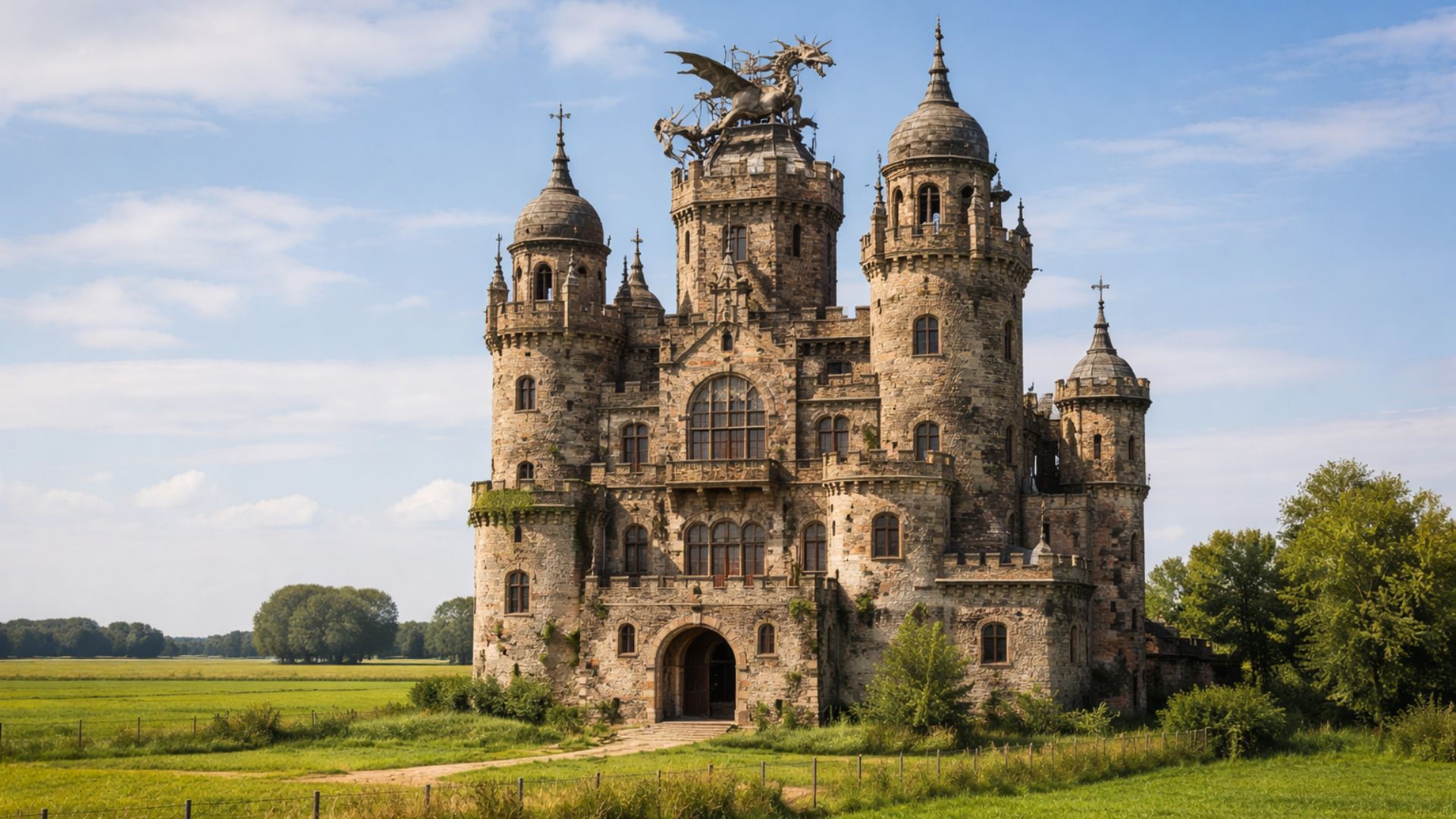
Video: Retiree builds 26-meter Roman castle in his backyard with pieces from dozens of countries, ornamental grates from Libya, and a dragon made of recycled metal.
-
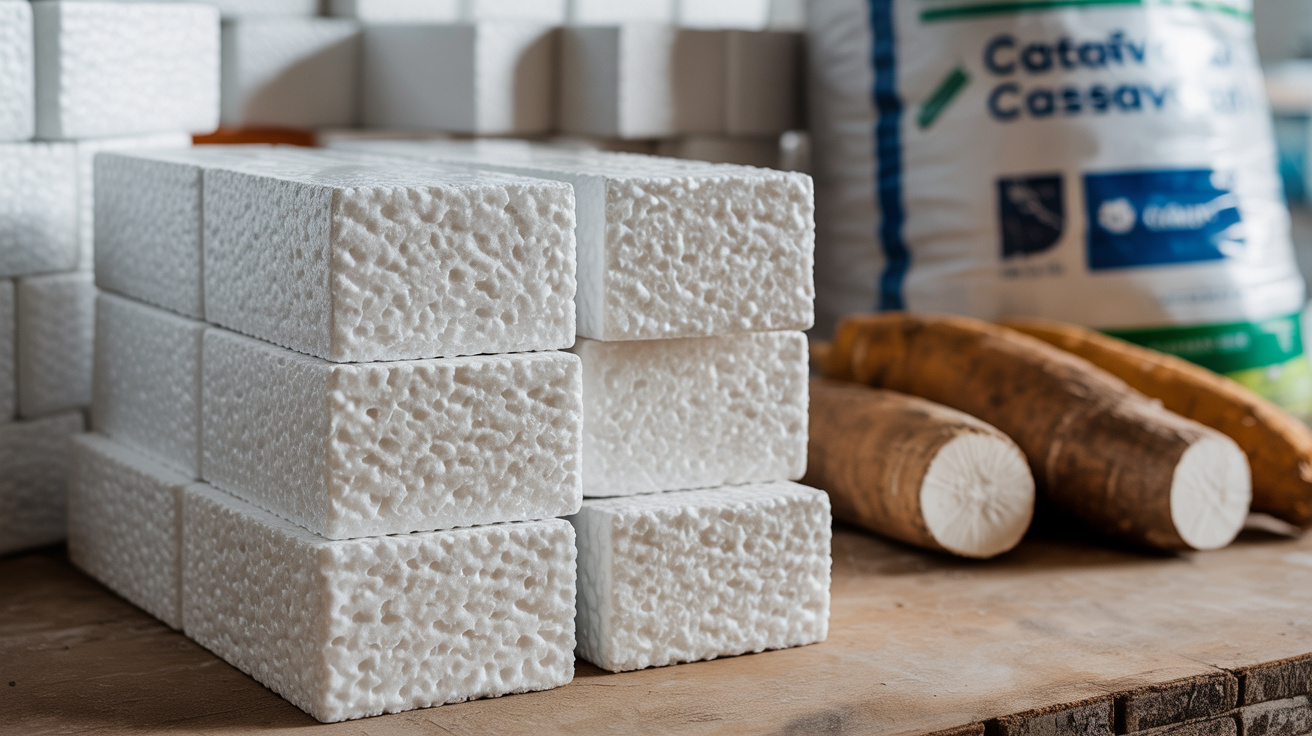
Bricks made with recycled Styrofoam and cassava glue cost R$ 0.40 and insulate walls, reducing internal temperature by 6°C using a technique that produces 50 units with just one 50 kg bag of cement.
-
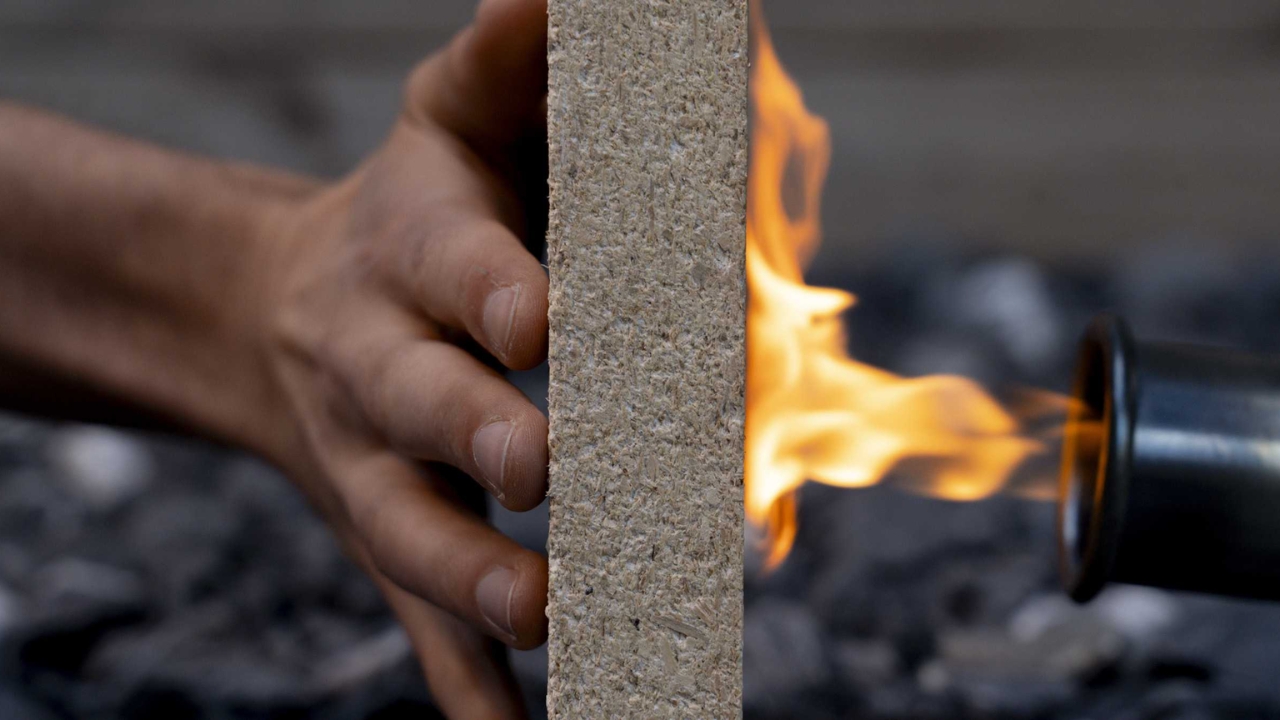
Scientists transform sawdust into fire-resistant panels, stabilize the compound with an enzyme extracted from watermelon seeds, and turn waste into promising material for construction.
-
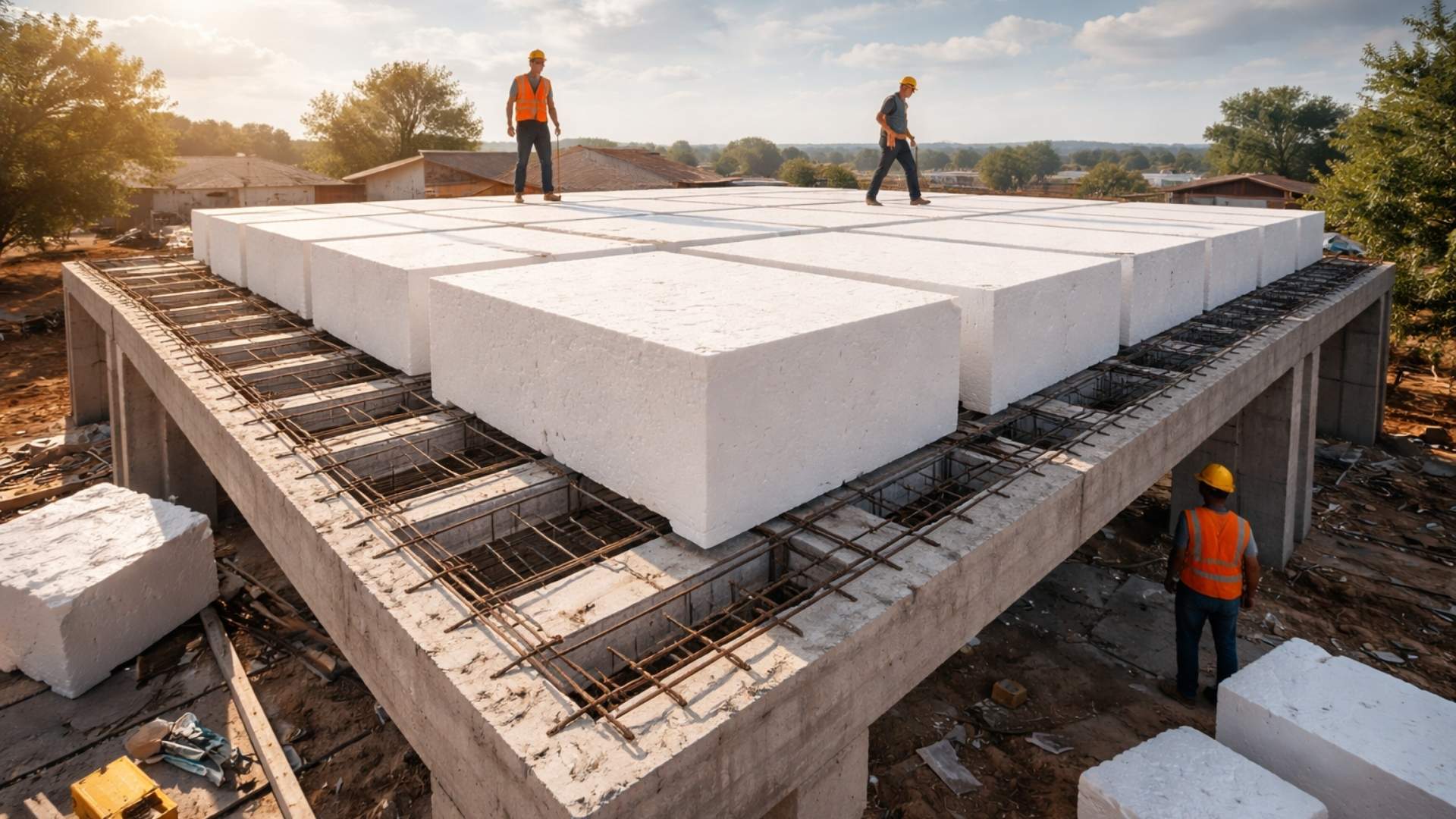
Forget concrete: architects are replacing tons of concrete with giant blocks of expanded polystyrene to build the roofs of houses and reduce structural weight by up to 50%, cut costs, improve thermal insulation, and speed up construction.

At the same time, unlike reinforced concrete, CLT has a significantly lower carbon footprint.
The technology has come to be seen as one of the pillars of the industrialization of modern civil construction.
In this scenario, the pieces arrive ready at the construction site, and consequently, assembly occurs quickly and in an organized manner.
The construction process becomes more efficient and predictable.
Speed of execution boosts dry and efficient construction
Buildings with CLT can be completed in up to half the time of a conventional construction and, in addition, eliminate the curing time of concrete.
Thus, the schedule becomes shorter and more controlled.
The panels are produced with CNC technology and, therefore, feature high-precision cuts.
This results in perfect joints and reduced material waste.
This construction model makes the work environment cleaner, quieter, and more productive.
As a consequence, operational efficiency increases significantly.
Sustainability and certification strengthen the use of CLT in Brazil
In Brazil, since 2018, the use of CLT has grown driven by the use of reforested wood, such as pine and eucalyptus.
The EMBRAPA Forests serves as a reference in research on the structural performance of these species.
According to studies by EMBRAPA, national species have competitive potential for engineering applications.
Thus, the sector now has a solid technical basis for expansion.
At the same time, the Brazilian Forest Service monitors the production chain and ensures the traceability of the wood.
In this way, the material used meets strict sustainability criteria.
Structural applications expand the use of CLT
CLT panels are used in structural walls, slabs, and roofs and, in addition, serve residential, commercial, and institutional projects.
The versatility of the technology broadens its adoption in the market.
The natural aesthetics of wood allows it to remain exposed, thus reducing finishing costs.
This makes the project more economical and visually appealing.
Technical advantages reinforce the efficiency of engineered wood
The system presents relevant benefits and, therefore, gains space in modern engineering:
• Fire safety: wood carbonizes on the surface and protects the structural core
• Biophilic comfort: environments with wood help reduce stress
• Structural lightness: simpler and lower-cost foundations
• Carbon sequestration: each cubic meter stores about one ton of CO₂
These characteristics make CLT a strategic solution for sustainable construction.
Durability depends on adequate technical planning
The durability of CLT is directly linked to moisture control and protection against biological agents.
Thus, the use of specific treatments ensures a longer lifespan for the structures.
Moreover, wooden constructions can last for centuries when well designed, as demonstrated by historic buildings in Europe.
The material consolidates as a reliable alternative.
The advancement of green engineering redefines the future of construction
The adoption of CLT represents a milestone in contemporary architecture and, at the same time, signals a structural change in the sector.
Thus, civil construction begins to incorporate cleaner, faster, and more efficient solutions.
In this context, opting for engineered wood means investing in innovation and sustainability.
Will CLT become the new dominant standard in global civil construction?









Seja o primeiro a reagir!