





 Portuguese
  English
  Spanish
  4 min of reading
  0 comments


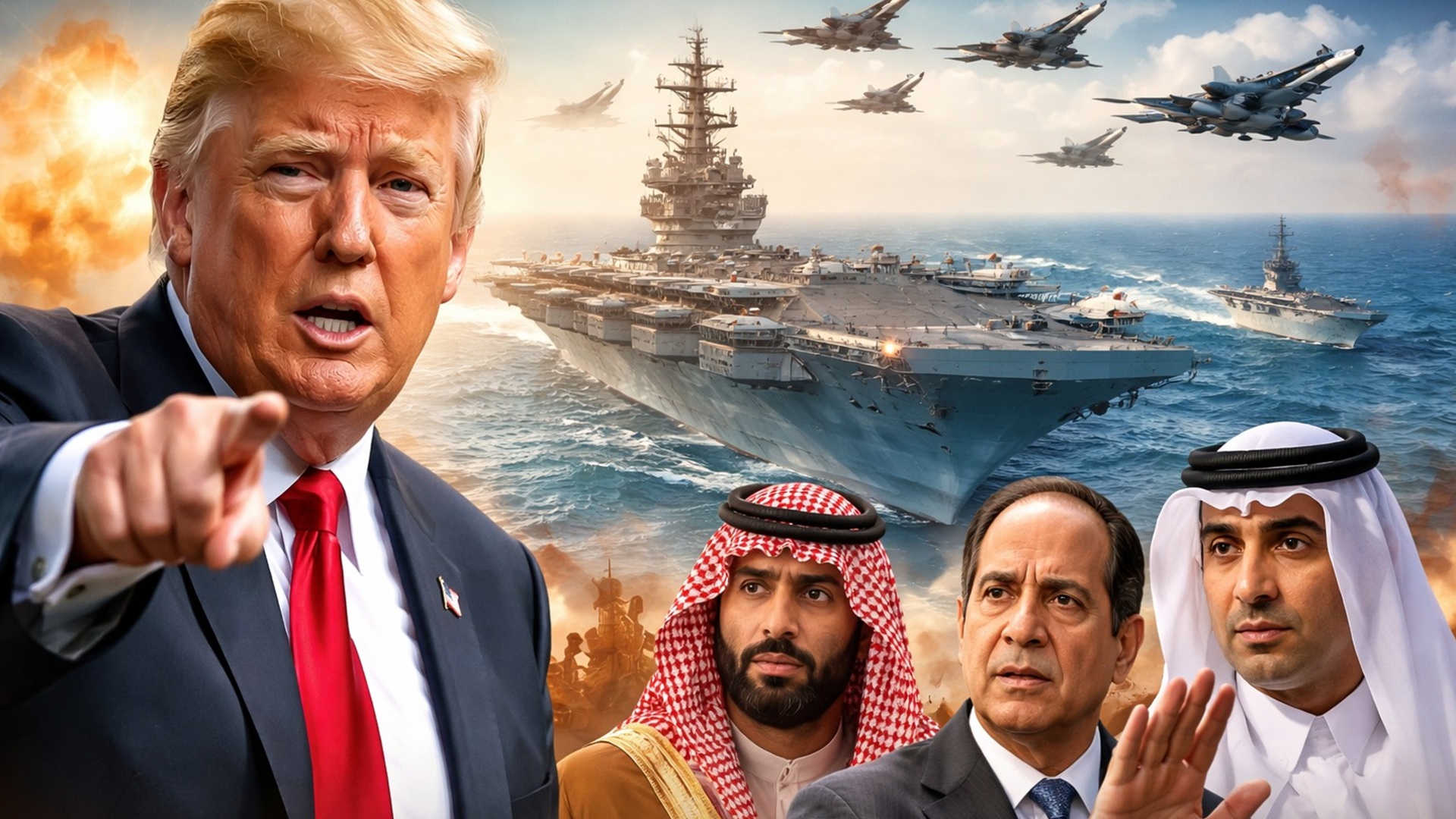
The Statement of the President of the United States on the Deployment of a “Massive Armada” Towards Iran Comes as Allied Countries in the Middle East Intensify Diplomatic Efforts to Prevent Military Action Amid U.S. Naval Reinforcement, the Nuclear Stalemate, and Internal Iranian Repression
As the Donald Trump administration prepares military options against Iran, regional allies are attempting to mediate unsuccessful dialogue amid a backdrop of U.S. naval reinforcement, Iranian internal repression, airspace restrictions by Arab partners, and stalled negotiations over nuclear and missile programs.
Regional Diplomatic Efforts and Stalemate Between Washington and Tehran
U.S. allies in the Middle East, including Turkey, Oman, and Qatar, are seeking to avoid attacks on Iran through negotiations. Regional officials said that direct diplomacy has not gained traction so far.
Three regional officials, speaking on condition of anonymity, stated that there has been no progress in direct talks between the U.S. and Iran regarding the nuclear program and ballistic missile capabilities. The lack of progress keeps military pressure as an alternative considered by Washington.
-
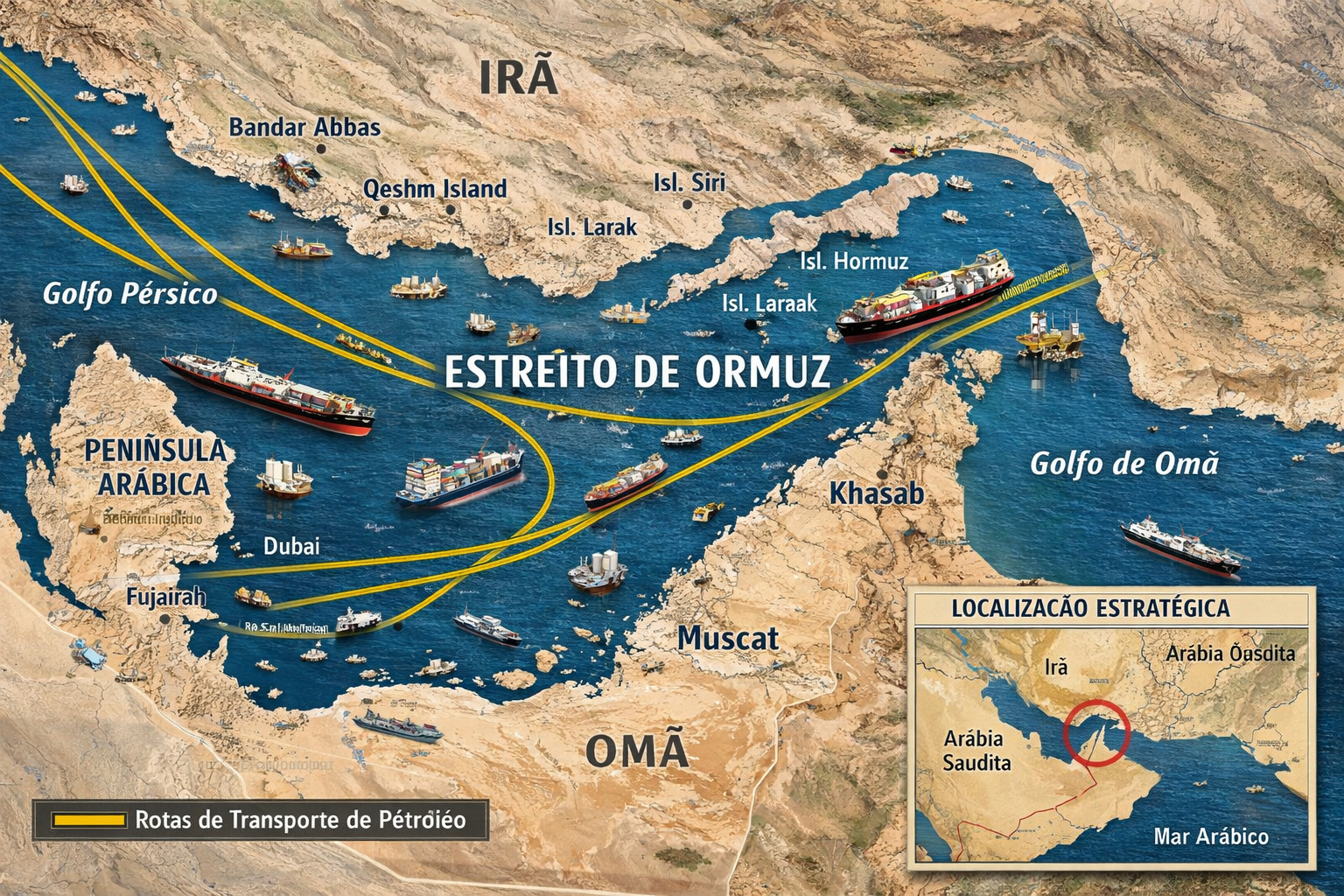
Global summit with over 40 countries pressures Iran for a blockade in the Strait of Hormuz and warns of direct impact on oil, food, and the global economy.
-
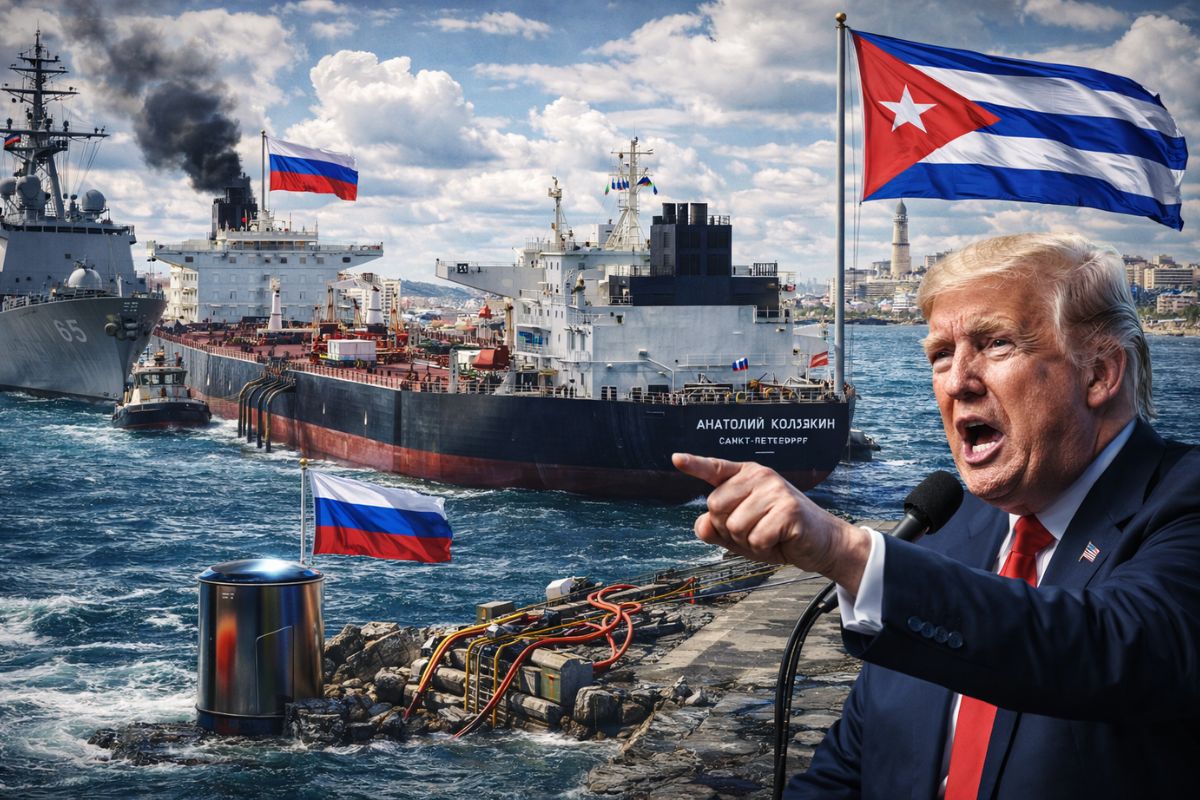
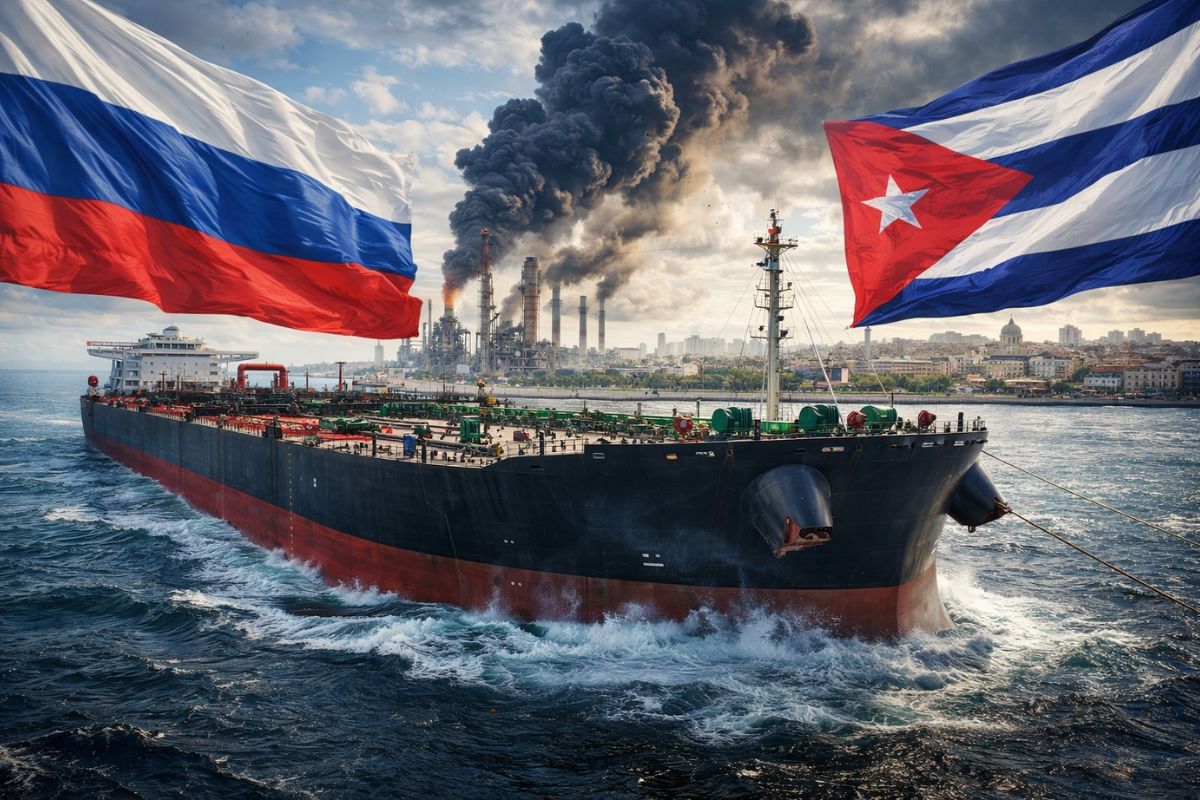
Russia has broken the U.S. maritime blockade to send oil to Cuba and is now loading a second ship while Trump says that “Cuba is next” in a possible military action against the island.
-
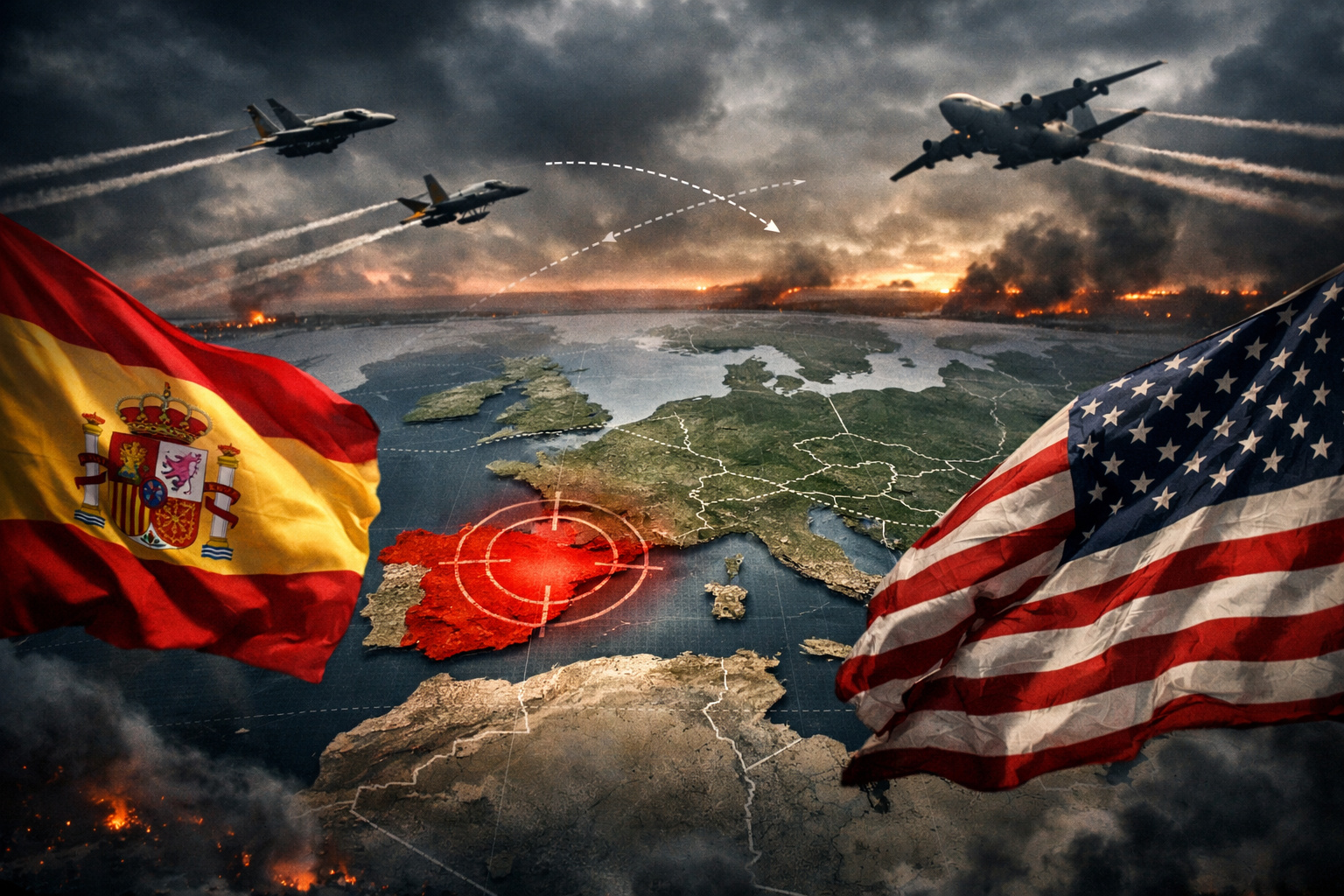
Spain challenges the USA and closes its airspace for operations against Iran, raising global tension and provoking the threat of a trade rupture.
-
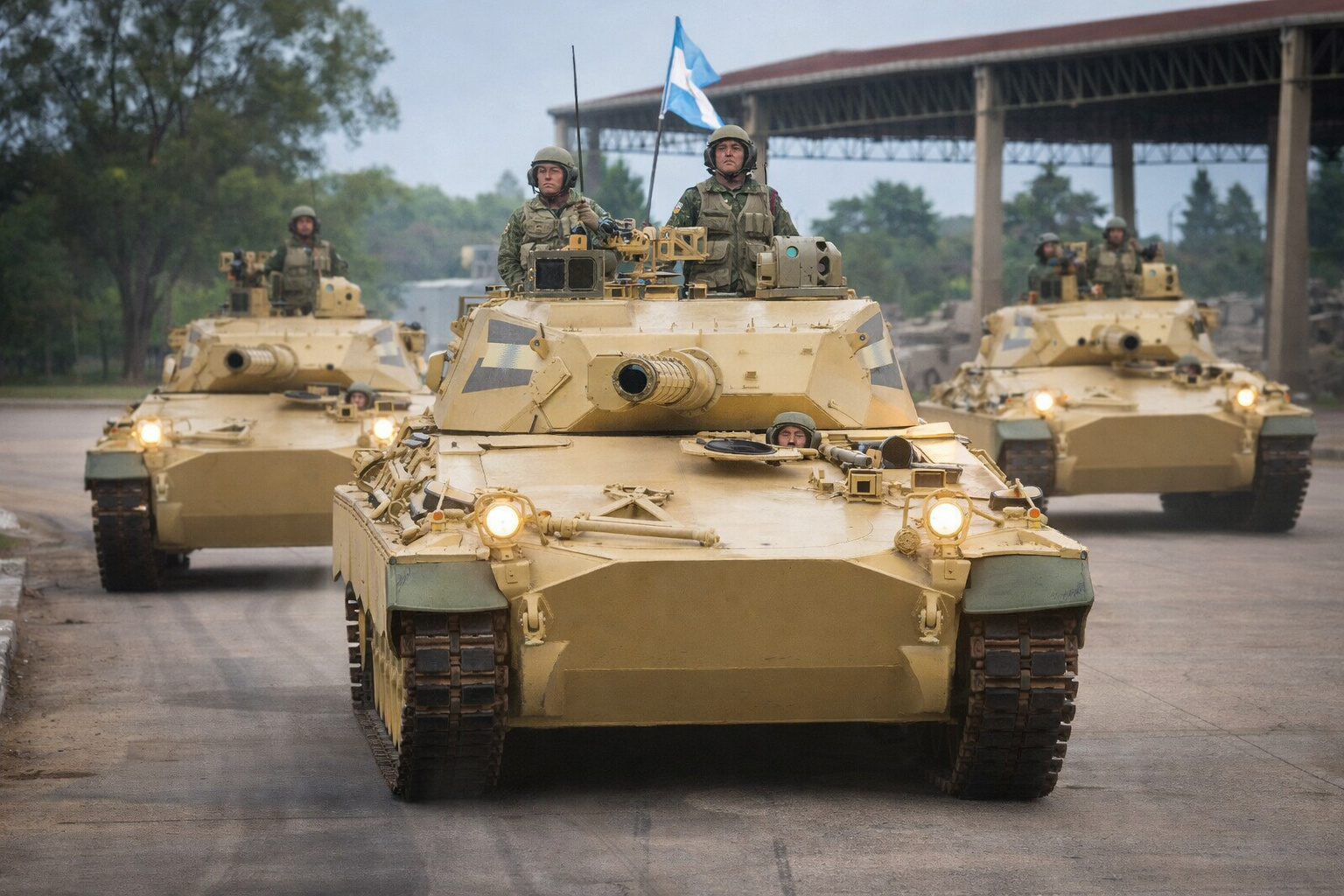
While no other country manufactures tanks in Latin America, Argentina activates the TAM 2C-A2 and raises a curiosity about the technological lag in the region.

Military Movements and High-Level Visits in Washington
The head of Israeli military intelligence, General Shlomi Binder, was in Washington for meetings at the Pentagon, CIA, and the White House, according to a source familiar with the schedule. The visit was not publicly announced by the Trump administration.
Separately, the Saudi Defense Minister has a scheduled trip to the U.S. capital for official meetings this week.
The visits occur as strategic decisions regarding Iran are being evaluated by various regional and U.S. actors.
Internal Repression in Iran and Prolonged Communication Blockade
In Iran, authorities have conducted what is considered a brutal crackdown on recent protests driven by economic hardships and political repression.
It is estimated that thousands of protesters have been killed, with many others detained, according to regional sources.
A near-total internet and communication blockade has lasted for more than two weeks. Only a small number of Iranians have been able to connect recently, amplifying the difficulty of independent verification regarding the scale of the repression.
Public Rhetoric, Threats, and Official Responses
In a social media post, President Trump stated that a “massive armada” was heading toward Iran and urged the Iranian government to negotiate. Shortly after, Iranian Foreign Minister Seyed Abbas Araghchi responded that security forces are ready to react immediately to any aggression.
Regional allies such as Saudi Arabia and the United Arab Emirates declared that they will not allow the use of their territories, waters, or airspace for attacks on Iran, nor will they offer logistical support.
Intelligence Assessments and Iranian Skepticism
Recent U.S. intelligence assessments indicate that the Iranian government is in its weakest position in decades, the most vulnerable since the 1979 revolution that brought Ayatollah Khomeini back to the country on February 1.
Despite this, Iran expresses skepticism about diplomatic gestures. Regional diplomatic officials say that Tehran doubts the sincerity of U.S. offers, recalling that last June Washington joined Israeli bombings even while negotiations were expected.
U.S. Military Reinforcement and Expanded Naval Presence
In recent weeks, Trump has ordered an increase in military forces in the Middle East.
An additional destroyer and the carrier strike group of the USS Abraham Lincoln have arrived in the region, including fighter squadrons and three escort destroyers.
The reinforcement adds to two destroyers and three coastal defense ships already present, under the command of U.S. Central Command. The stated goal is defensive, according to U.S. officials.
Uncertain Objectives and Focus on Diplomatic Agreement
Although Trump has repeatedly suggested the possibility of an attack, it is unclear what the targets would be or whether there would be a focus on decapitation operations for regime change. The reduction in internal protests occurred without direct military action.
The U.S. government seeks a diplomatic agreement addressing the Iranian nuclear program and ballistic missile capabilities. Trump has stated that he held recent talks with Iran and plans new ones, emphasizing two central demands.
Presidential Statements and Testimonies in Congress
In an interview with CBS News during the premiere of the documentary “Melania,” Trump stated that he told Iran “no nuclear weapons” and to “stop killing protesters.” He reiterated that powerful ships are sailing toward the country and that he hopes not to need to use them.
In a hearing before the Senate Foreign Relations Committee, Secretary of State Marco Rubio stated he does not know who would take over if the regime fell.
He described the Iranian government as the weakest in its history, with a collapsing economy, but downplayed the chance of immediate overthrow, stating that repression may have contained protests, albeit brutally and effectively.








Seja o primeiro a reagir!