





 Portuguese
  English
  Spanish
  4 min of reading
  0 comments


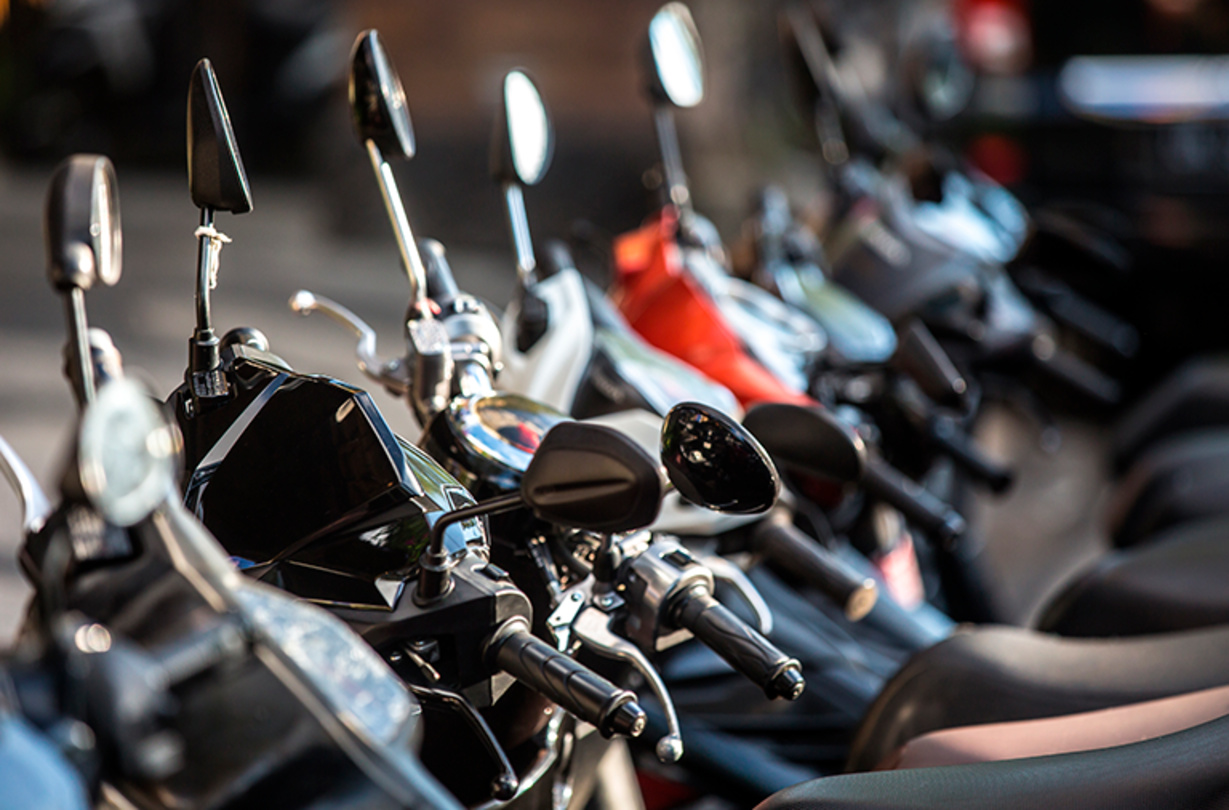
Learn More About The World Of Two Wheels, Motorcycle, Moped And Scooter. Due To Abundance, The Choice Of The Ideal Model Often Raises Questions.
After all, what is the difference between motorcycle, moped and scooter? Although they all share the proposal of agility in traffic, their characteristics and purposes are distinct, directly impacting the riding experience and the practicality of the day to day.
Understanding the peculiarities of each is essential to make the best choice and optimize your urban mobility.
Motorcycle: The Essence Of Freedom And Performance
The motorcycle is the archetype of the two-wheeled vehicle, known for its versatility and appeal for performance. Its main characteristic is the open chassis structure, which allows the rider to mount the vehicle with their legs open, in a “hug” position around the fuel tank.
-
Less than a Tera TSI, up to 710 km of range and charging in 9 minutes: the new BYD Song Ultra expands the Chinese brand’s bet on increasingly faster, more technological, and competitively priced electric SUVs.

-
With a 1.0 engine producing 75 hp and costing less than R$ 70,000, Fiat’s car returns to the podium as the cheapest in the country; a temporary promotion for the 2026 Like version reduces the price of the Fiat Mobi.
-
With a mild hybrid system of 48 V, 176 hp and a price of R$ 175,990 in the Sahara version, the new Jeep Renegade changes mostly on the inside, improves slightly in fuel consumption, and remains almost the same car.
-
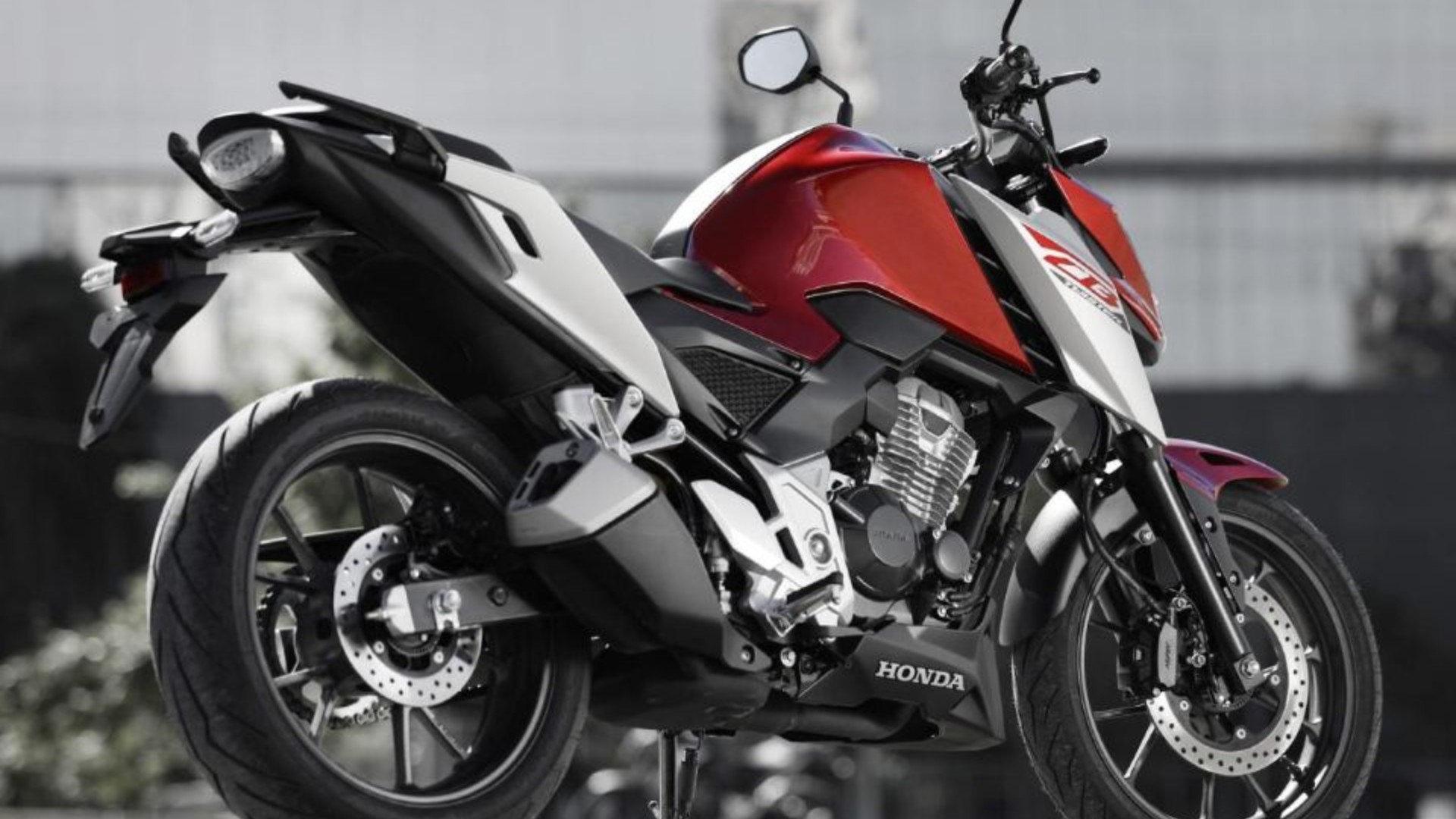
With a 293.5 cm³ engine and a range of up to 400 km with a 14.1-liter tank, the Honda CB 300F Twister 2026 has up to 24.7 hp, an initial price of R$ 25,150, and already exceeds R$ 29,000 in the Fipe Table.
Characteristics and Purpose of The Motorcycle:
- Manual Transmission: The vast majority of motorcycles use a sequential manual transmission, with gears that require clutch engagement and foot shifting. This provides greater control over engine performance and a more engaging riding experience, ideal for those seeking more adrenaline and customization.
- Larger Wheels: Generally, motorcycles have larger wheels (17 inches or more), which contributes to greater stability at high speeds and better shock absorption on uneven terrain.
- Exposed Engine: The engine of the motorcycle is visible and an integral part of the design, which favors cooling and, for many, is an important aesthetic element.
- Versatile Use: Motorcycles are versatile and suitable for various purposes: from daily use in urban centers to long-distance travel (touring motorcycles) or off-road sports (trail and motocross motorcycles).
The motorcycle represents the choice for those who value control, power and the feeling of freedom on the road, being ideal for longer journeys and for those seeking a more active riding experience.
Moped: Practicality And Economy For Day-To-Day Use
The moped (or CUB, from Cubic Urban Bike) is the link between the motorcycle and the scooter, focusing on practicality and economy for urban use.
The main difference between motorcycle, moped and scooter for the moped is its “step-through” structure, which allows the rider to mount the vehicle without needing to straddle the chassis, meaning the legs stay in the same position as on a bicycle, ideal for those wearing skirts or dress pants.
Characteristics and Purpose of The Moped:
- Semi-Automatic Transmission: Unlike the motorcycle, the moped usually has a semi-automatic or rotary transmission, with no need to engage the clutch to shift gears. This makes driving simpler and more intuitive, especially in traffic with many stops and starts.
- Intermediate Wheels: Its wheels are typically of intermediate size (usually 17 inches in the front and 14 inches in the back), offering a good balance between stability and agility.
- Engine Covers: The moped’s engine is usually covered by fairings, providing greater protection and a more integrated look.
- Urban Use: Extremely popular for deliveries and daily commutes, the moped stands out for fuel economy, easy maintenance, and agility in navigating the traffic of large cities. Classic examples include the Honda Biz and the Yamaha Crypton.
The moped is the smart choice for those seeking an agile, economical, and easy-to-ride vehicle in heavy traffic, without giving up basic gear control.
Scooter: The Peak Of Convenience And Protection
The scooter is the queen of practicality and comfort in the urban scene, being the one that differs the most from the others. The main difference between motorcycle, moped and scooter for the scooter is the foot platform, which allows the rider to keep their legs together, with their feet resting on a flat base, as if sitting in a chair.
Characteristics and Purpose of The Scooter:
- Automatic Transmission (CVT): This is the trademark of the scooter. The automatic CVT (Continuously Variable Transmission) eliminates the need for shifting gears, making the riding extremely simple and smooth. Just accelerate and brake.
- Smaller Wheels: Scooters generally have smaller wheels (ranging from 10 to 16 inches, depending on the model), which contributes to a lower center of gravity, making low-speed maneuvers and parking easier.
- Full Fairing and Storage Compartments: The scooter is fully faired, protecting the rider from wind and dirt. Additionally, most models offer ample storage space under the seat for helmets or small purchases, adding lots of practicality.
- Comfortable Riding Position: The “sitting” position and foot space make the scooter extremely comfortable for daily use, especially in urban routes.
The scooter is the ideal option for those who prioritize comfort, practicality, and ease of handling, being perfect for short and medium trips, shopping, and daily life in the city.
By understanding the difference between motorcycle, moped and scooter, the consumer can make a more informed choice, opting for the vehicle that best suits their mobility needs, lifestyle, and the type of journey they most frequently undertake.








-

-

-

3 pessoas reagiram a isso.