





 Portuguese
  English
  Spanish
  4 min of reading
  0 comments


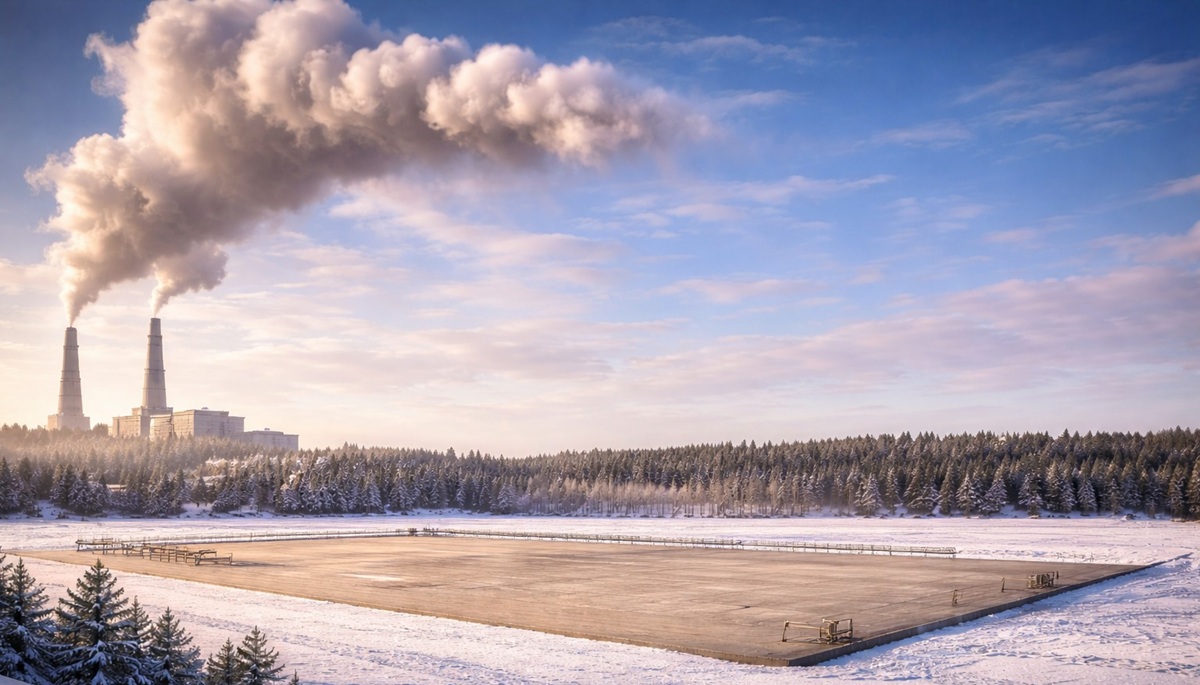
Installed in Ector County, Texas, the Stratos Project integrates investments of US$ 1.3 billion in direct carbon capture and aims to remove up to 1,000,000 annual tons of emissions responsible for air pollution, positioning the United States among the largest industrial projects focused on large-scale atmospheric reduction
Air pollution in the United States is at the center of a megaproject in Texas, where Occidental Petroleum is developing a facility capable of capturing up to 1,000,000 annual tons of carbon, with operations initially slated to begin by the end of 2025.
Pollution remains one of the primary environmental concerns in the United States, especially in light of the impacts associated with climate change and air quality.
Even with advancements in clean energy sources, the continued rise in emissions keeps millions of people exposed to levels deemed inadequate.
-
Scientists have finally discovered where the plastic that disappeared from the oceans went, and the answer is frightening: it fragmented into such tiny particles that they became invisible and now there are 27 million tons of nanoplastic just in the North Atlantic.

-
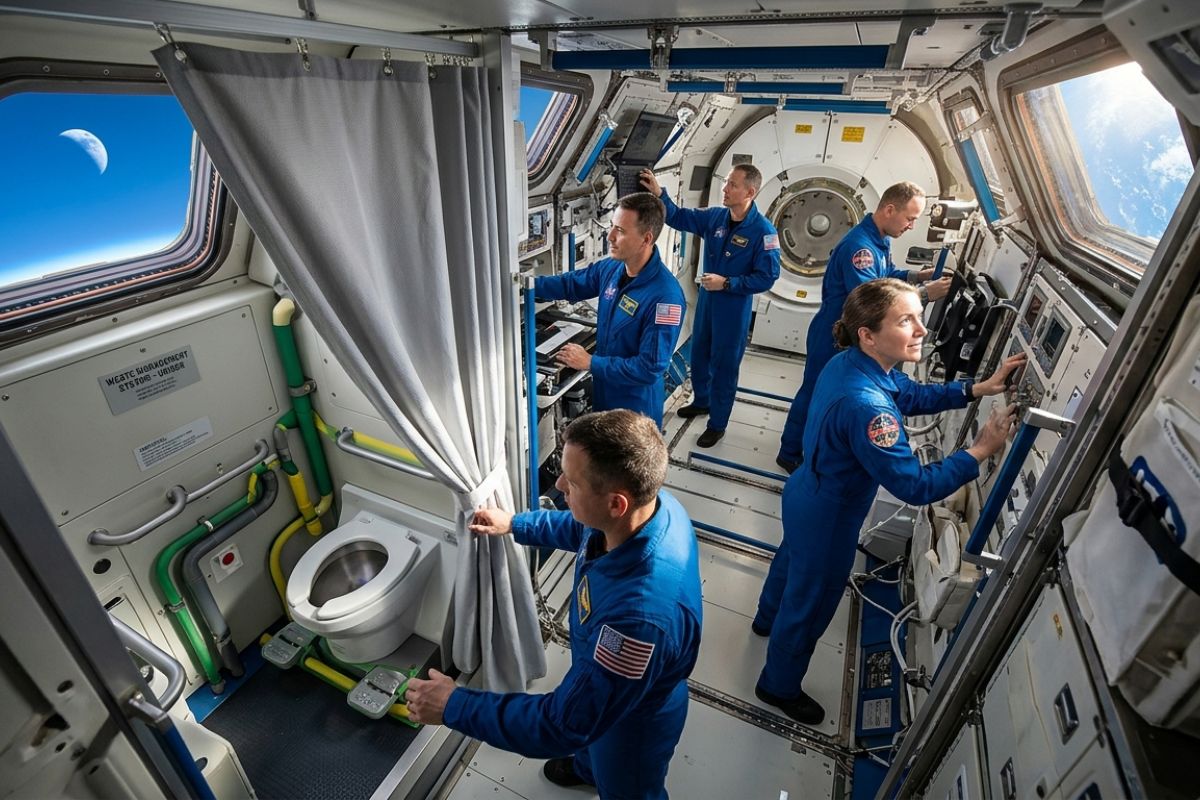
The Artemis II mission will take the Orion capsule back to the vicinity of the Moon with four astronauts, a private bathroom with a curtain, a system adapted for men and women, and a level of comfort that highlights how the Apollo era operated at the rawest limits of space exploration.
-
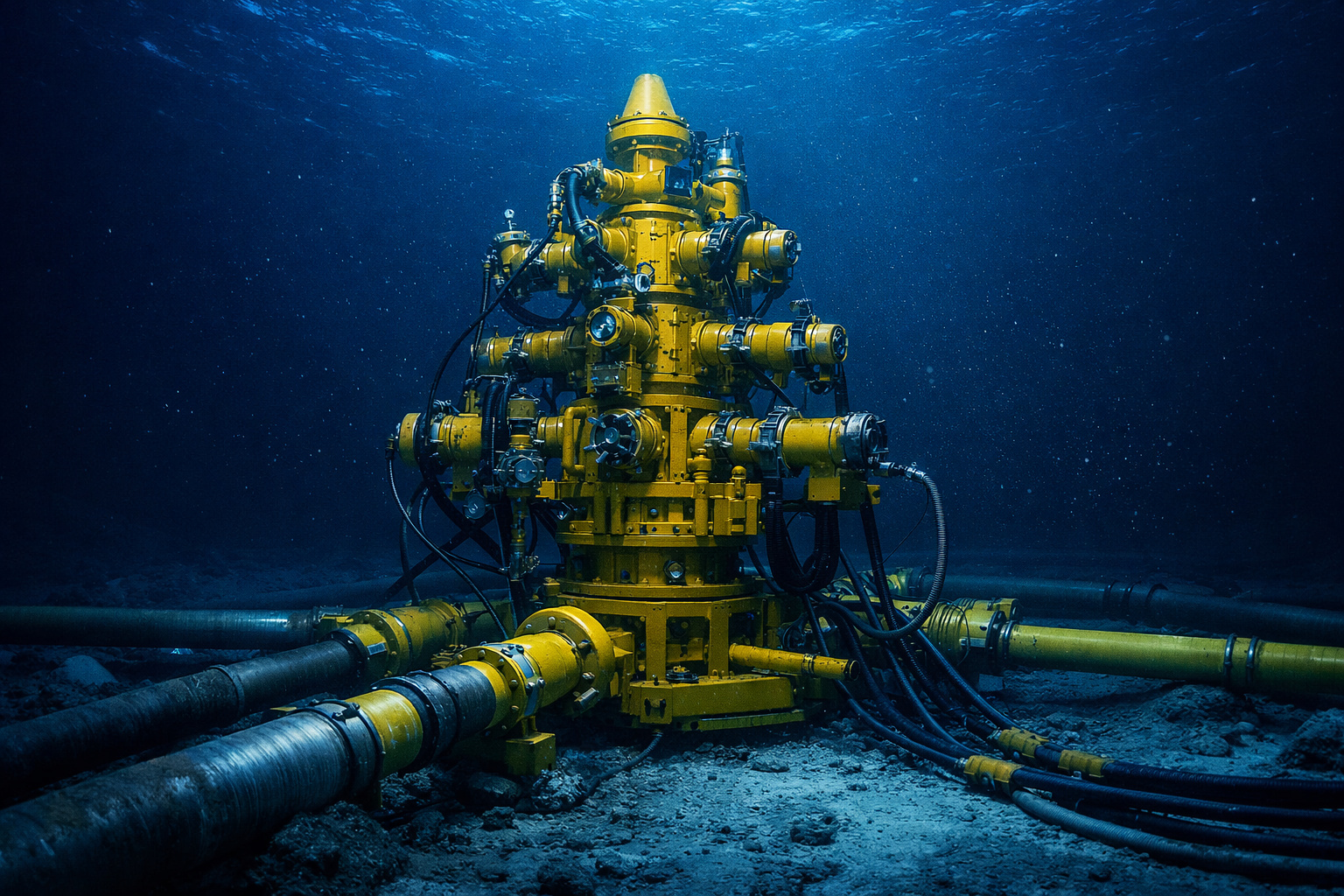
Giant structures on the seabed precisely control oil and reveal how high-tech underwater valves work.
-
China has just tested a giant drone the size of a fighter jet with a wingspan of 25 meters that carries 6 tons, flies for 12 hours, and the most frightening part: it can launch entire swarms of smaller drones directly from the air.


Air Pollution Remains an Environmental Challenge in the United States
Atmospheric pollution is still directly linked to the burning of fossil fuels, which is considered one of the main sources of emissions responsible for exacerbating climate change. Despite initiatives aimed at energy transition, the problem persists in various regions of the country.
In addition to environmental effects, air pollution directly impacts human health. The increase in concentrations of ozone and suspended particles compromises air quality, keeping millions of residents in areas classified with an “F” rating on pollution indices.
This scenario reinforces the search for technological solutions capable of removing contaminants directly from the atmosphere, reducing the presence of gases responsible for rising global emissions.
Texas Receives Facility Focused on Direct Capture of Atmospheric Pollution
Ector County, Texas, was chosen to host the Stratos Project, a direct air carbon capture initiative valued at US$ 1.3 billion. The venture is developed by OnePointFive, affiliated with Occidental Petroleum.
The project arises amid challenges faced by companies in the energy sector related to pollution and compliance with the Clean Air Act requirements. The initiative aims to ensure that industrial operations meet current environmental standards.
The federal tax incentive 45Q, maintained by the U.S. government for carbon capture projects, has contributed to the continuation of private investments aimed at reducing atmospheric pollution.
System Plans to Capture, Store, and Reuse Carbon Removed from the Air
The Stratos Project will utilize direct air carbon capture technology, known as DAC, aimed at removing carbon dioxide directly from the atmosphere. According to project information, the facility is expected to initially capture 500,000 tons of carbon.
The collected material will be stored in underground formations or reused in enhanced oil recovery processes. The proposal expands the industrial use of captured carbon while reducing air pollution levels.
Meanwhile, Occidental Petroleum is negotiating with the investment arm of the Abu Dhabi National Oil Company, XRG, to create a second DAC project in South Texas.
The U.S. Department of Energy has allocated up to US$ 650 million for such initiatives. If the partnership is confirmed, the new facility could capture an additional 500,000 tons of carbon.
With this, Texas alone could achieve the combined annual removal of 1,000,000 tons of carbon dioxide emissions, enhancing the impact of pollution combat initiatives.
Stratos Project Could Become the Largest DAC Installation in the World
The president and CEO of Occidental Petroleum, Vicki Hollub, stated that carbon capture, especially through DAC technology, will play a central role in the future of the energy sector.
According to Hollub, the company believes that direct carbon capture will be essential in shaping new industrial strategies aimed at reducing emissions.
The Stratos Project is planned to begin commercial operations by the end of 2025, although recent official updates on the progress of activities have not yet been released.
Even without an updated operational confirmation, the venture is seen as a significant part of the decarbonization process for high-carbon-emitting industries while also generating local economic impacts.
In 2025, Houston hosted the third Carbon Capture, Utilization, and Storage Conference organized by Wood Mackenzie, gathering representatives from the energy sector and reinforcing the growing interest in solutions for pollution reduction and carbon storage.
The advancement of these projects demonstrates the expansion of industrial initiatives focused on the direct removal of atmospheric emissions, integrating capture, storage, and reuse of carbon as a strategy to combat air pollution in the United States.










-

-

-

-

4 pessoas reagiram a isso.