





 Portuguese
  English
  Spanish
  3 min of reading
  0 comments


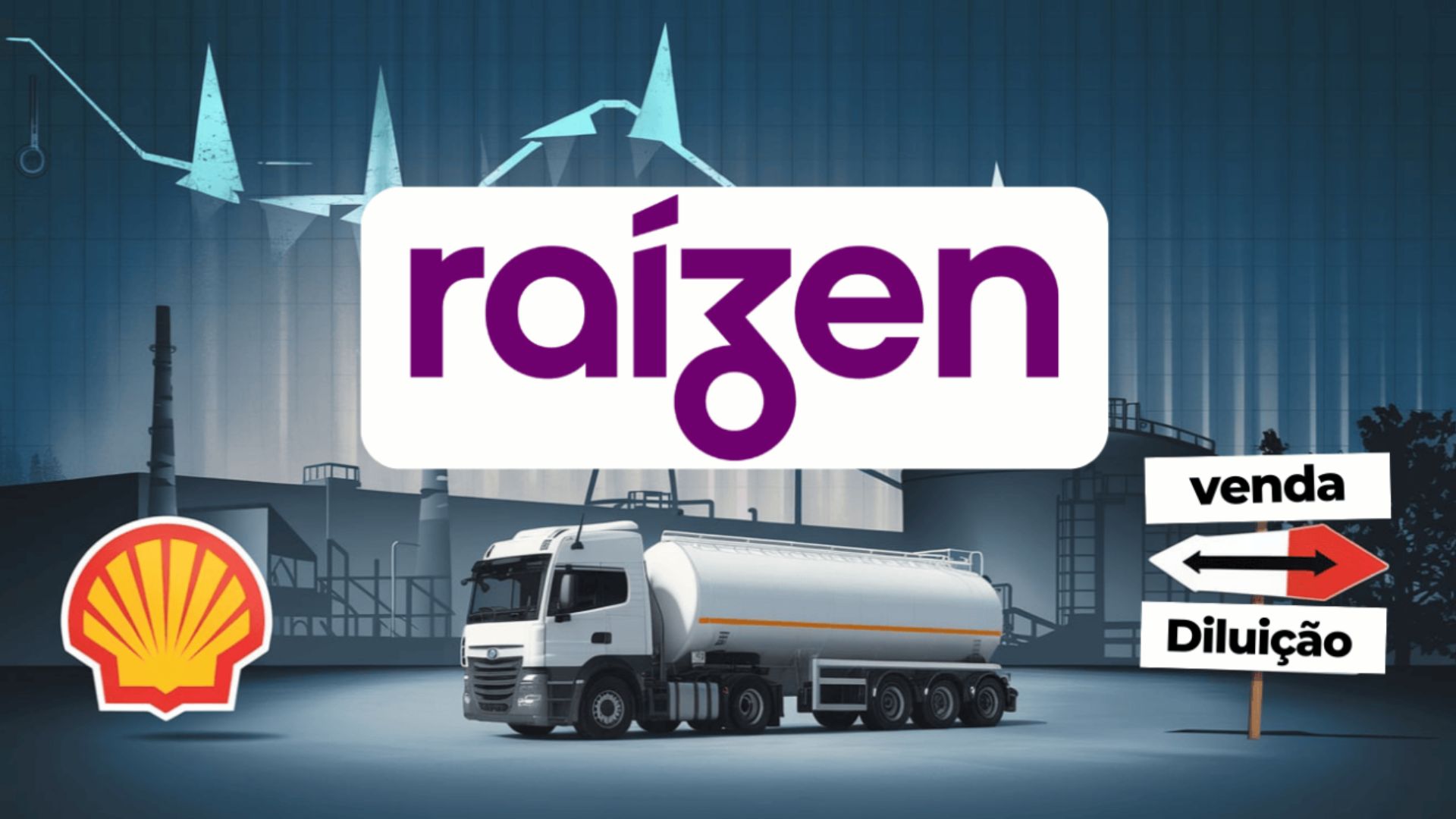
Raizen’s Billion-Dollar Transaction Redefines Strategies in the Energy Sector and Shakes Up the Distributed Energy Generation Market in Brazil. Change Involves Large Players, Investments, and Asset Consolidation Amid the Expansion of Renewables.
Raizen formalized, this Thursday (24), the sale of 55 distributed energy generation plants, marking the definitive end of its operations in this strategic segment of the Brazilian market.
The transaction value, estimated at around R$ 600 million, consolidates the company’s exit from a sector that gained relevance in recent years due to the expansion of renewable sources in the country.
Of the 55 plants transferred, 44 were acquired by Thopen Energia and 11 by Grupo Gera.
-
China alone accounts for 70% of trade within the BRICS, while Brazil establishes itself as an essential supplier of food and minerals: understand how the group, which already represents nearly 40% of the world’s GDP, is changing the game.

-
Starting in May, those who do not have registered biometrics will not be able to apply for Bolsa Família, sickness benefits, or unemployment insurance: understand the new rule that changes access to benefits for millions of Brazilians.

-
A new law being voted on in Brazil proposes a minimum fare of R$ 10 per trip and R$ 2.50 per kilometer for Uber and 99 drivers, and promises to ensure they earn as well as taxi drivers did during the golden age of taxis in the country.

-
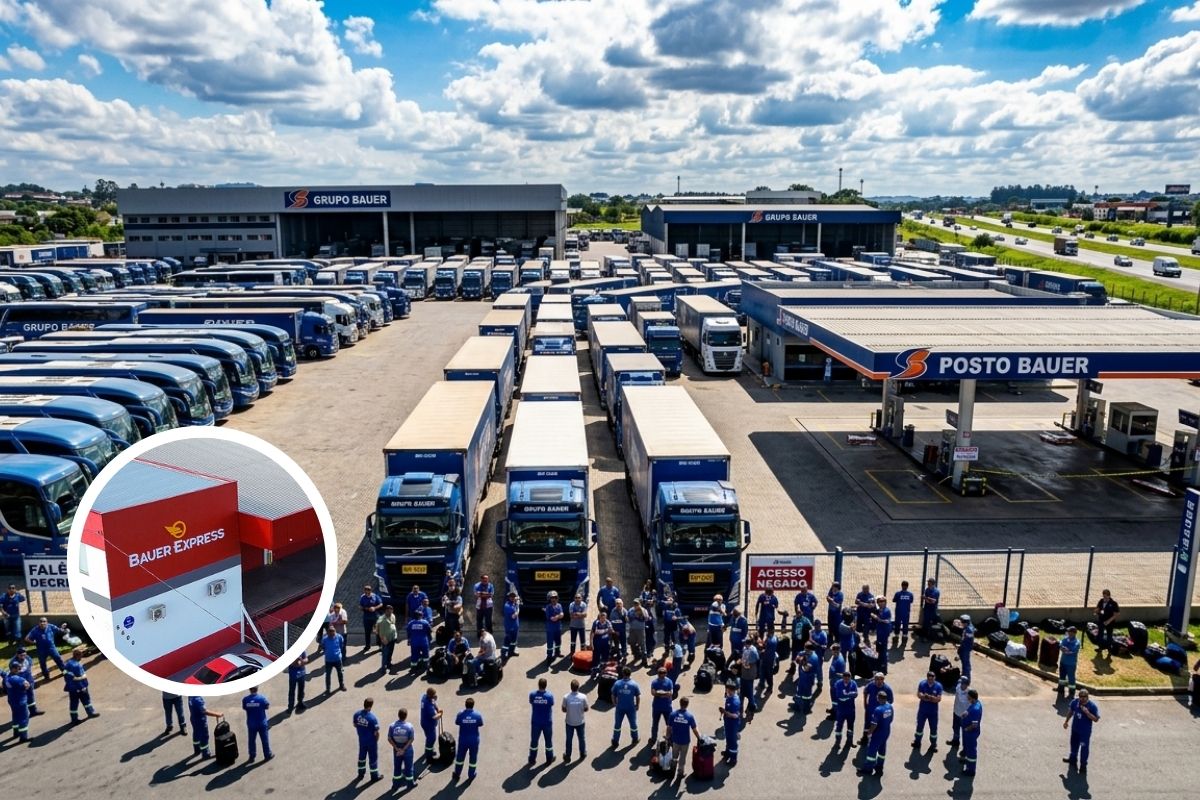
Bauer Group collapses after failed judicial recovery: 25 years, 800 vehicles, and a network of gas stations leave a debt of R$ 50 million and 100 layoffs, exposing costs, tight margins, and expensive credit in Brazil.

Together, the units have a nominal installed capacity of up to 142 megawatt-peak (MWp), according to information released by Raizen.
The financial schedule anticipates that payments will be made as the plant transfers are completed, with the expectation of finalizing the entire process by March 2026.

Distributed Generation: Divestment and Strategic Focus
The divestiture of these units is part of the divestment movement led by Raizen, which seeks to realign its portfolio and strengthen its focus on core businesses, such as sugar production, ethanol, and fuel distribution.
At the same time, the sale contributes to the reduction of the company’s net debt, which exceeded R$ 30 billion by the end of the 2024/2025 harvest, according to official data.
Cycle Closure and Portfolio Strategy
With the completion of the deal, Raizen formally ends its participation in distributed generation projects linked to its partnership with Grupo Gera.
According to the company, the operation is aligned with the objective of developing and delivering innovative solutions in distributed generation, management, and consumption of electricity, as well as technologies associated with contracting these services.
The joint venture established with Grupo Gera has also been discontinued, fulfilling the cycle established at the beginning of the partnership.
The company stated, in a note, that the sale represents the achievement of the goals set at the beginning of the project, reinforcing the strategy of asset recycling and improvement of the capital structure.
This month, Raizen also announced the suspension of operations at the Santa Elisa plant, located in the interior of São Paulo, and signed new contracts for the sale of sugarcane, reinforcing the redirection of efforts to areas considered strategic.
Consolidation of the Solar Energy Market
Raizen’s transaction occurs in a context of consolidation of the Brazilian distributed generation market, which, although still fragmented, has been recording an increase in mergers and acquisitions operations.
Consulting firm Greener found that the number of distributed generation plants sold in Brazil increased by approximately 40% in the first half of 2025, rising from 90 to 125 assets compared to the same period the previous year.
The distributed electricity generation sector stands out especially for “greenfield” projects— a term used to designate developments built from scratch— and small solar installations, such as rooftops and residential façades.
According to industry data, the installed capacity of these systems already exceeds the mark of 40 gigawatts (GW) in the country, driven by tariff benefits and policies incentivizing the use of renewable energy.
Specialized platforms and investment funds have emerged as key buyers in this movement, such as Brasol, which has BlackRock and multinational Siemens as shareholders, and Élis Energia, linked to Patria Investimentos.
Thopen and Gera: Expansion and Investments
The acquisition of Raizen’s plants increases the volume of investments by Thopen Energia, which this year in 2025 reached the mark of R$ 1.5 billion in assets, considering three other acquisitions made in recent months.
Controlled by the American Denham Capital, Thopen is part of the Pontal Energy group and, after the transaction, will expand its portfolio to 165 managed assets, totaling 550 MWp by the end of 2025.
According to Thopen executives, the strategy is to consolidate distributed generation assets and explore the growth potential of the segment, considered essential for the decentralization of the electricity matrix and increasing the participation of renewable sources in Brazil.
Grupo Gera, specialized in management and operation of distributed energy systems, strengthens its presence in the sector by acquiring the 11 plants negotiated in this operation.








-

-

-

3 pessoas reagiram a isso.