





 Portuguese
  English
  Spanish
  2 min of reading
  0 comments



Estate Planning Requires Attention to Legal Rules, Available Assets, and Family Structure to Avoid Future Conflicts
Those who plan their will must consider these three fundamental things: the succession laws in force in Brazil, the mandatory division among heirs, and the type of assets to be distributed. Ignoring these points can lead to disputes and delays in the probate process.
Despite the increase in financial education, a large portion of families still neglect the will, leaving important decisions to the Courts. The result is lengthy processes, conflicts among relatives, and loss of assets due to poor management.
Understanding the Law Is the First Step to Avoid Confusion

The Civil Code establishes that 50% of the assets must go to the necessary heirs, such as children, spouses, or parents. Only the other 50% can be freely allocated. Those who plan their will must consider these three things right from the start: the legal limit, the profile of the heirs, and the available assets.
-
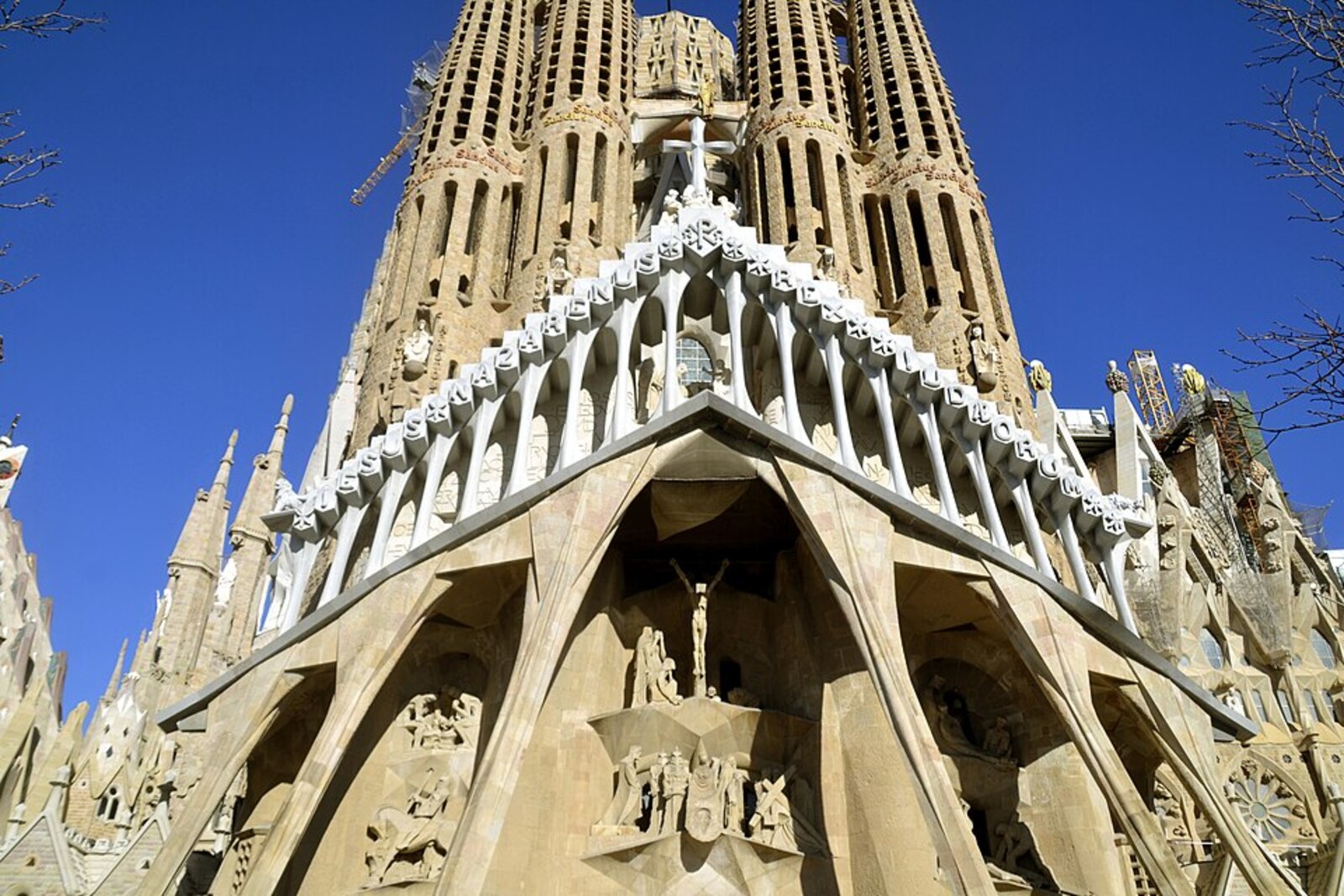
Masterpiece in Spain, under construction since 1882, receives 4.8 million visits in a year and impresses with its gigantism and architecture.
-
Attracting around 250,000 people a year, a lighthouse 200 meters from the sea, on a 60-meter high cliff, on the North Sea coast in Denmark, becomes one of the most impressive examples of how nature can threaten historical buildings.

-
The narrowest house in the world is only 63 centimeters wide, but inside it can accommodate a bathroom, kitchen, bedroom, office, and even two staircases.

-
In the middle of the sea, these enormous concrete and steel structures, built by the British Navy to protect strategic maritime routes, look like they came straight out of a Star Wars movie.


Additionally, there are specific rules for partners in stable unions, which vary according to the property regime. Therefore, it is common for wills made without legal guidance to be invalidated or contested in Court.
Poorly Described Assets Cause Delays in the Probate Process

Another common mistake is not properly listing properties, financial investments, and debts. For it to be valid, the will must clearly describe the assets and indicate beneficiaries without ambiguity. This prevents the paralysis of the judicial probate process and reduces costs with fees and taxes.
Those who plan their will must consider these three things: the current market value of the assets, their legal location, and whether they are free of encumbrances. Items poorly declared or with legal pendencies often lead to impasses among heirs.
Family Organization Must Weigh in the Decision
Blended families or those with children from different relationships require extra attention. The will is essential to prevent disputes and ensure a fair division, respecting emotional ties and legal obligations. Cases of inheritance disputes are rising in families with more complex structures.
Seeking support from a specialist attorney in Succession Law is the safest path for those who wish to preserve their assets and family harmony. Those who plan their will must consider these three things seriously and in advance.
Have you ever thought about making a will or do you believe that this is something for the future?









Seja o primeiro a reagir!