





 Portuguese
  English
  Spanish
  6 min of reading
  0 comments


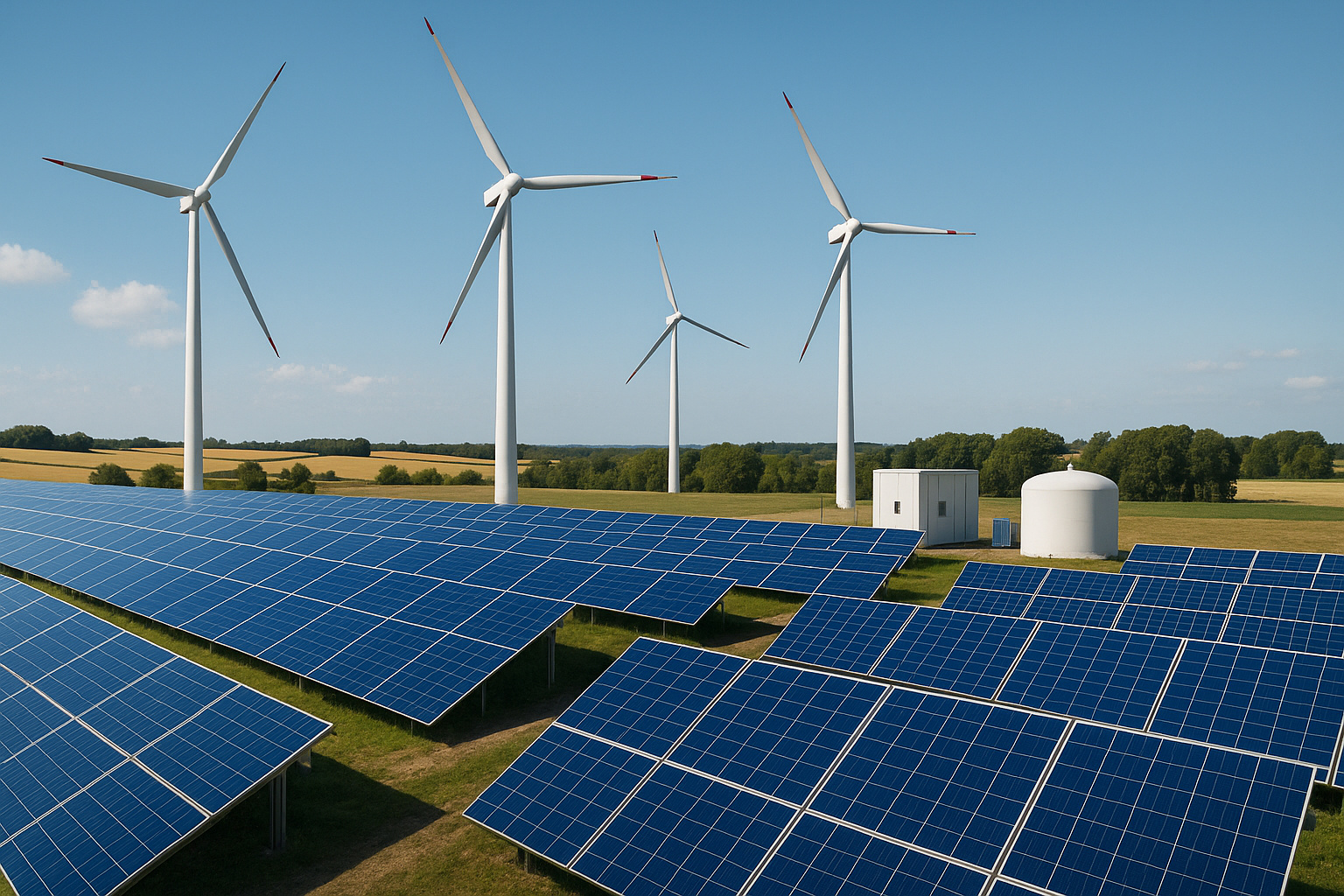
Discover How Renewable Hybrid Systems Work, Their Advantages, and Why They Are Essential for a More Sustainable Future and Efficient Clean Energy.
The search for more sustainable energy solutions has grown significantly in recent decades.
This is primarily due to environmental concerns, the limitation of fossil fuels, and the urgent need to diversify energy sources.
In this context, renewable hybrid systems emerge as a promising alternative, combining different clean energy generation technologies to ensure greater efficiency, stability, and cost-effectiveness.
-
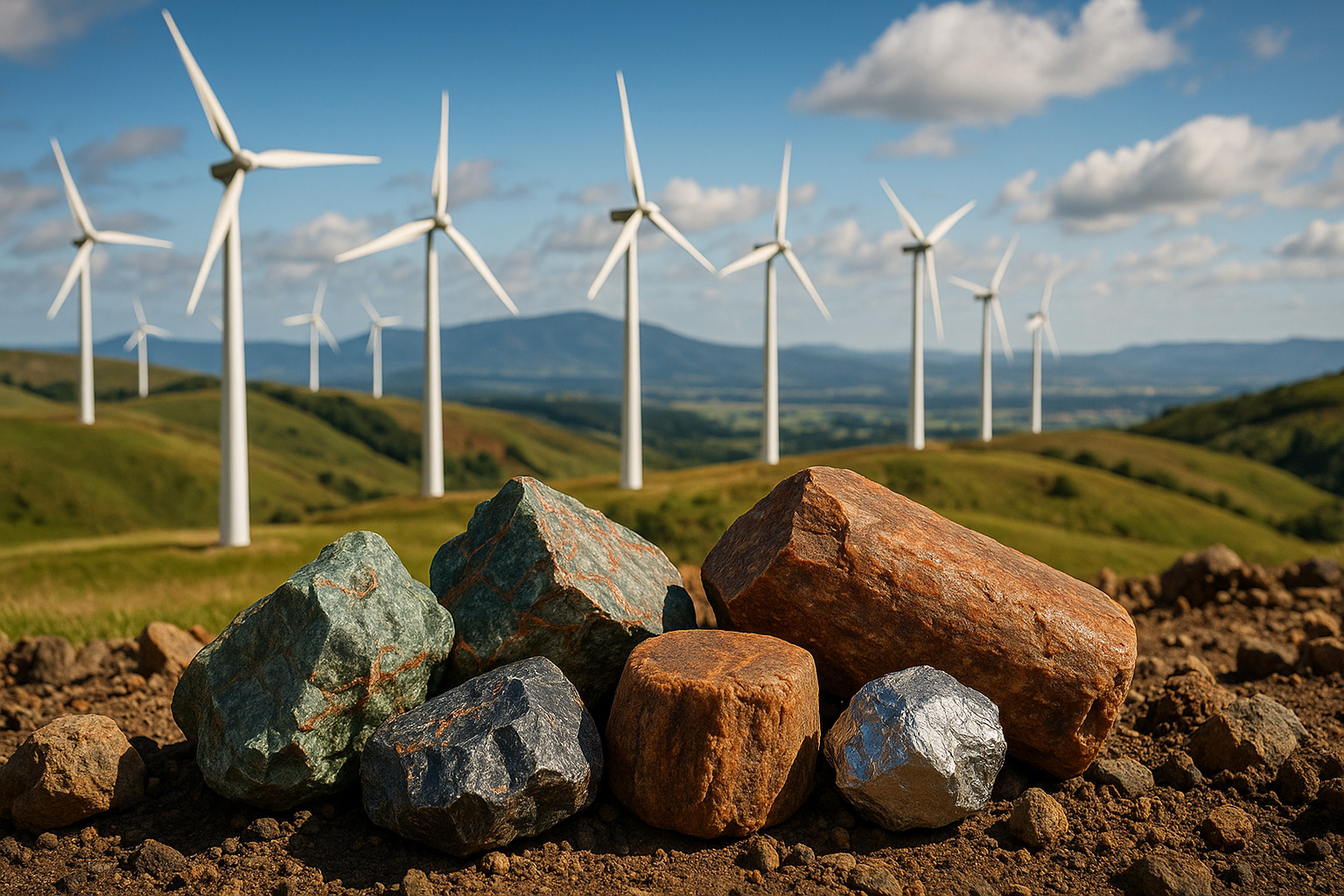
The Brazilian state accelerates industrial competitiveness with a focus on the extraction of strategic minerals to boost the energy transition in Goiás.
-
A Canadian retiree creates a hydroelectric system on a real river, generating energy continuously throughout the day and demonstrating how the power of water can supply a house with stability even in a simple structure.

-
Petrobras reaffirms its commitment to the market and ensures that it will carry out the energy transition safely to maintain national sovereignty.

-
Researchers discover a possible hydrogen deposit of up to 46 million tons beneath an ancient coal basin, and the volume could exceed half of the entire global production.


Additionally, the increasing demand for electricity worldwide pressures countries and companies to seek cleaner and renewable sources.
However, the intermittent nature of these sources, such as solar and wind, presents challenges in ensuring a stable and reliable supply.
Therefore, renewable hybrid systems address these issues by combining multiple energy sources, reducing risks and expanding benefits.
According to the 2022 report from the International Renewable Energy Agency (IRENA), the integration of renewable sources through hybrid systems has grown by an average of 15% annually worldwide, reflecting the urgency to diversify the energy matrix.
Thus, in this article, you will understand how these systems work, their history, benefits, and why they have become a more viable and strategic solution for the planet’s energy future.
What Are Renewable Hybrid Systems and How Did They Emerge?
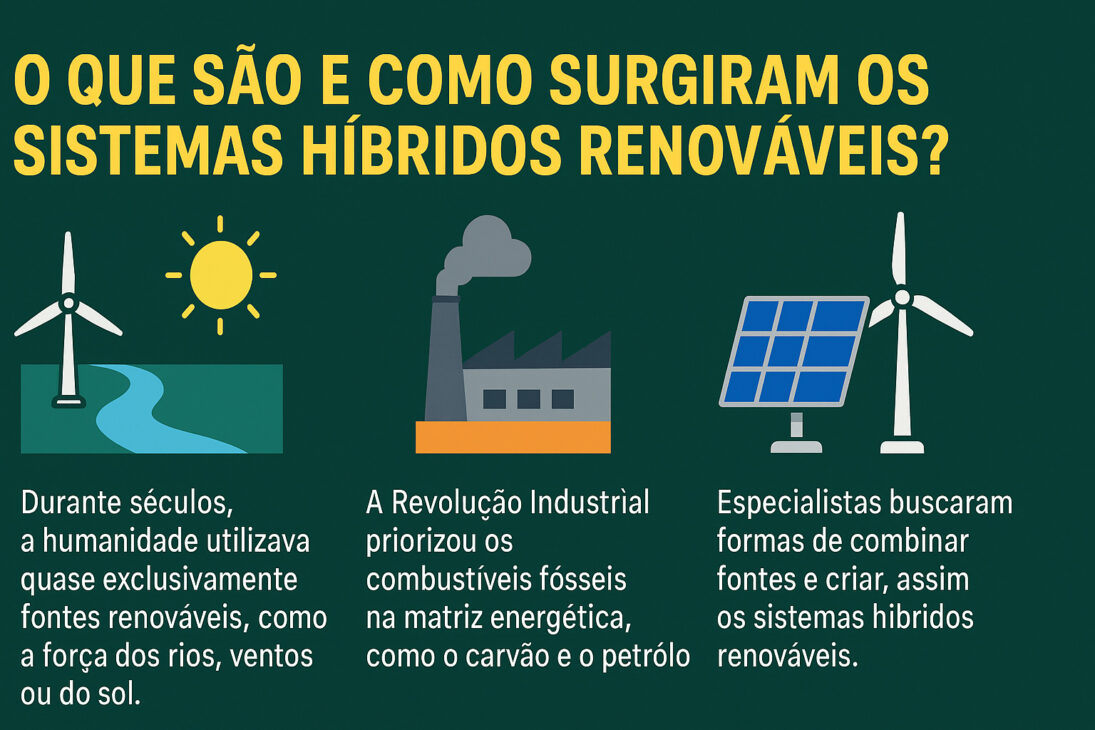
To understand renewable hybrid systems, we first need to look back in time and observe how humans have always sought ways to harness natural resources to generate energy.
For centuries, civilizations exclusively used renewable sources — such as the power of rivers, winds, or the sun — albeit in a rudimentary manner.
However, the Industrial Revolution, which began in the 18th century, marked a profound change by prioritizing fossil fuels, such as coal and oil, in the global energy matrix.
According to data from the Ministry of Mines and Energy of Brazil, by the mid-19th century (around 1850), approximately 90% of the energy consumed worldwide came from natural renewable sources.
But this proportion changed dramatically after the industrial advancement that intensified the use of coal and petroleum derivatives.
This period brought accelerated economic growth but also caused significant environmental impacts.
Over time, the fossil fuel-based model showed its limits:
Increasing pollution, climate change, economic dependence on producing countries, and instability in prices became recurring issues.
In the last decades of the 20th century, as highlighted by the National Institute of Clean Energy (INEL), between 1990 and 2000, the first wind and solar plants began to be installed commercially, although with limited capacity.
However, as each renewable source has its limitations — for example, solar energy only generates electricity during the day and wind energy depends on consistent winds — specialists began to seek ways to combine these sources with other technologies, thus creating renewable hybrid systems.
In this way, this idea combines sustainability and reliability in supply, providing a solution for the challenges of intermittency.
How Do Renewable Hybrid Systems Work?
Basically, renewable hybrid systems combine two or more energy sources, with at least one of them being renewable, such as solar, wind, hydro, or biomass.
They generate electricity in a more efficient and stable manner, serving everything from homes to businesses, isolated communities, or entire cities.
Often, these systems integrate renewable sources with diesel generators or batteries, ensuring power even when weather conditions are unfavorable for direct generation.
The most common combination involves photovoltaic solar panels and wind turbines. These sources complement each other because, generally, when the sun is not shining, the wind is blowing — and vice versa.
Furthermore, the use of storage systems, such as lithium-ion batteries, has revolutionized these systems. This allows for the storage of generated energy for use during periods of low production, such as at night or on days without wind.
According to the Brazilian Association of Photovoltaic Solar Energy (ABSOLAR), energy storage has boosted the technical and economic viability of hybrid systems since 2015, solidifying their use in residential and commercial applications.
This makes hybrid systems even more reliable and close to the stability of a conventional grid.
Advantages and Applications
Another widely used configuration combines solar energy and a diesel generator, especially in remote areas such as riverside communities or rural zones.
With technological advancements, integration with lithium batteries that store energy for later use is increasing.
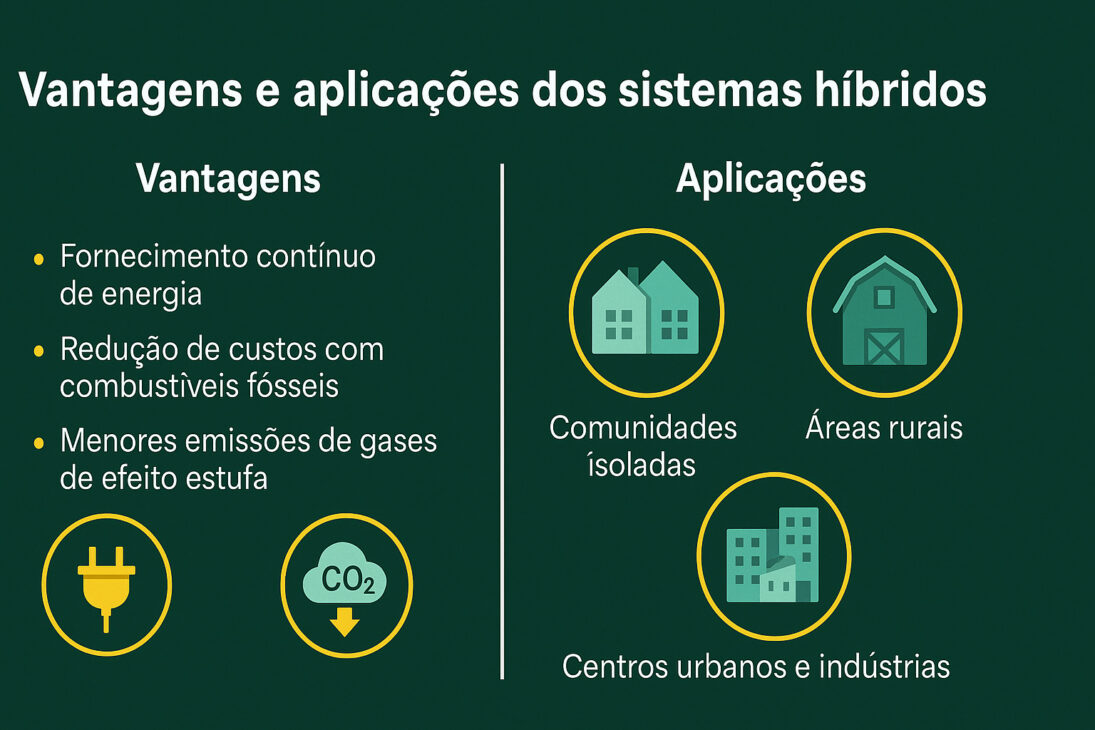
The main advantage of these systems is ensuring a continuous power supply.
While isolated systems may experience peaks and drops, hybrids offer stability, optimizing the use of available resources.
In addition, they help to reduce costs associated with fossil fuels, especially in regions where diesel still predominates.
They also reduce greenhouse gas emissions and promote access to electricity in isolated areas.
Hybrid systems favor the decentralization of energy production, reducing transmission losses and increasing energy independence.
This feature is crucial for communities far from the main electrical grid, where delivering traditional energy results in high costs and low efficiency.
According to data from the United Nations Development Programme (UNDP) in 2021, hybrid projects in rural areas of Latin America have already reduced dependence on fossil fuels by up to 40% in some regions, highlighting the positive social and environmental impact of these technologies.
Situations Where Hybrid Systems Are Ideal
In the rural sector, hybrid systems enable the operation of water pumps, electric fences, and irrigation in areas without access to the electrical grid.
In isolated communities in the Amazon, these solutions transform the lives of many families by ensuring access to lighting, communication, and refrigeration.
In urban centers, condominiums, businesses, and small industries adopt hybrid systems to reduce electricity bills and increase energy autonomy, especially during peak times or outages in conventional supply.
Moreover, in emergencies, such as natural disasters, portable hybrid systems provide temporary power for hospitals, command centers, and other essential infrastructures, demonstrating the versatility of this technology.
The Scenario of Hybrid Systems in Brazil
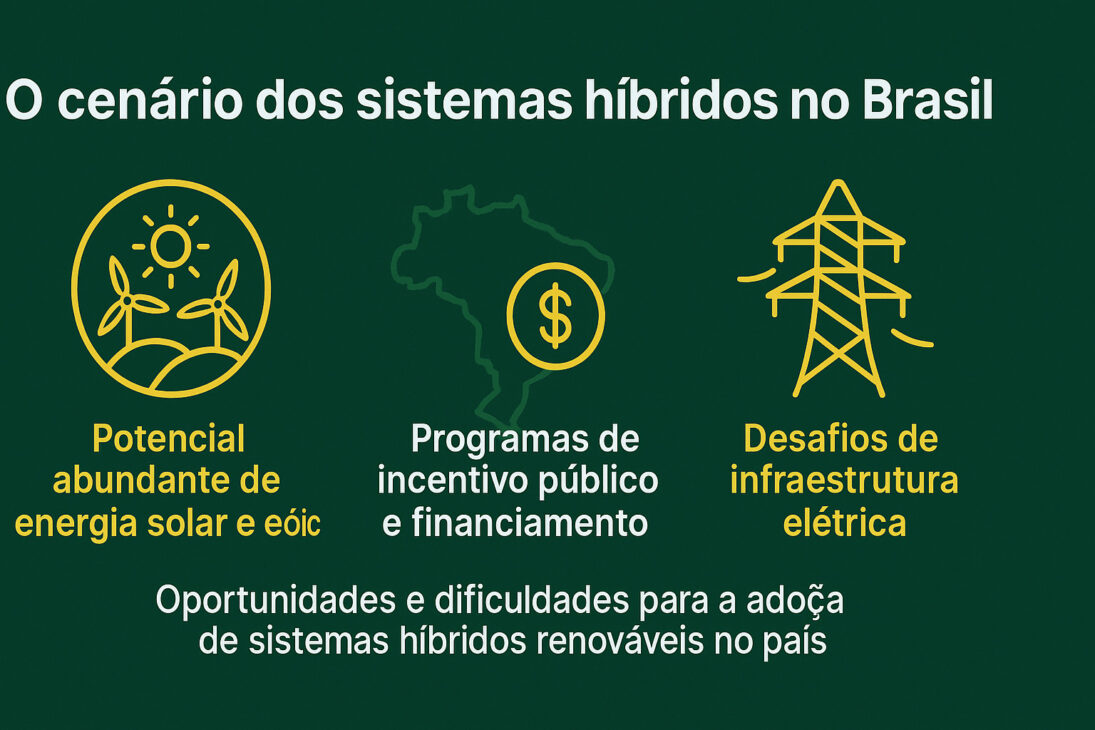
Brazil has enormous potential for renewable hybrid systems.
The abundance of sunlight in almost the entire territory and good wind rates in specific regions create ideal conditions to combine solar and wind energy.
In recent years, public and private programs have encouraged the use of these technologies, highlighting initiatives that expand access to energy in remote communities and specific financing lines, such as those offered by BNDES.
According to the Ten-Year Energy Plan 2022-2031, developed by the Ministry of Mines and Energy, the expectation is that hybrid systems will grow by 25% by 2030, especially in the North and Northeast regions, which have greater electrical infrastructure challenges.
Despite progress, the country faces challenges such as the need for technical training, infrastructure expansion, and the development of public policies that stimulate innovation in the energy sector.
Additionally, the initial cost of implementing these systems still limits their adoption by many communities and small entrepreneurs.
Therefore, government support, along with partnerships with the private sector and NGOs, plays a fundamental role in enabling projects with a positive social impact.
A Future Driven by Innovation and Sustainability
With the decline in costs for clean technologies and the urgency for sustainable solutions, renewable hybrid systems are expected to gain popularity.
They increasingly integrate new technologies, such as artificial intelligence and green hydrogen.
The improvement of batteries, in both capacity and durability, will be crucial for expanding these systems.
As society moves towards a cleaner energy matrix, hybrid systems are solidifying as one of the main bets for the future.
Global concern over climate change and international commitments to reduce emissions position hybrid systems as key pieces in the energy transition, offering local solutions with global impact.
In summary, renewable hybrid systems represent a strategic solution for the energy challenges of the 21st century.
Understanding how they work is essential for anyone who wants to follow the transformations of the energy matrix and contribute to a cleaner, fairer, and more efficient future.











Seja o primeiro a reagir!