





 Portuguese
  English
  Spanish
  6 min of reading
  0 comments


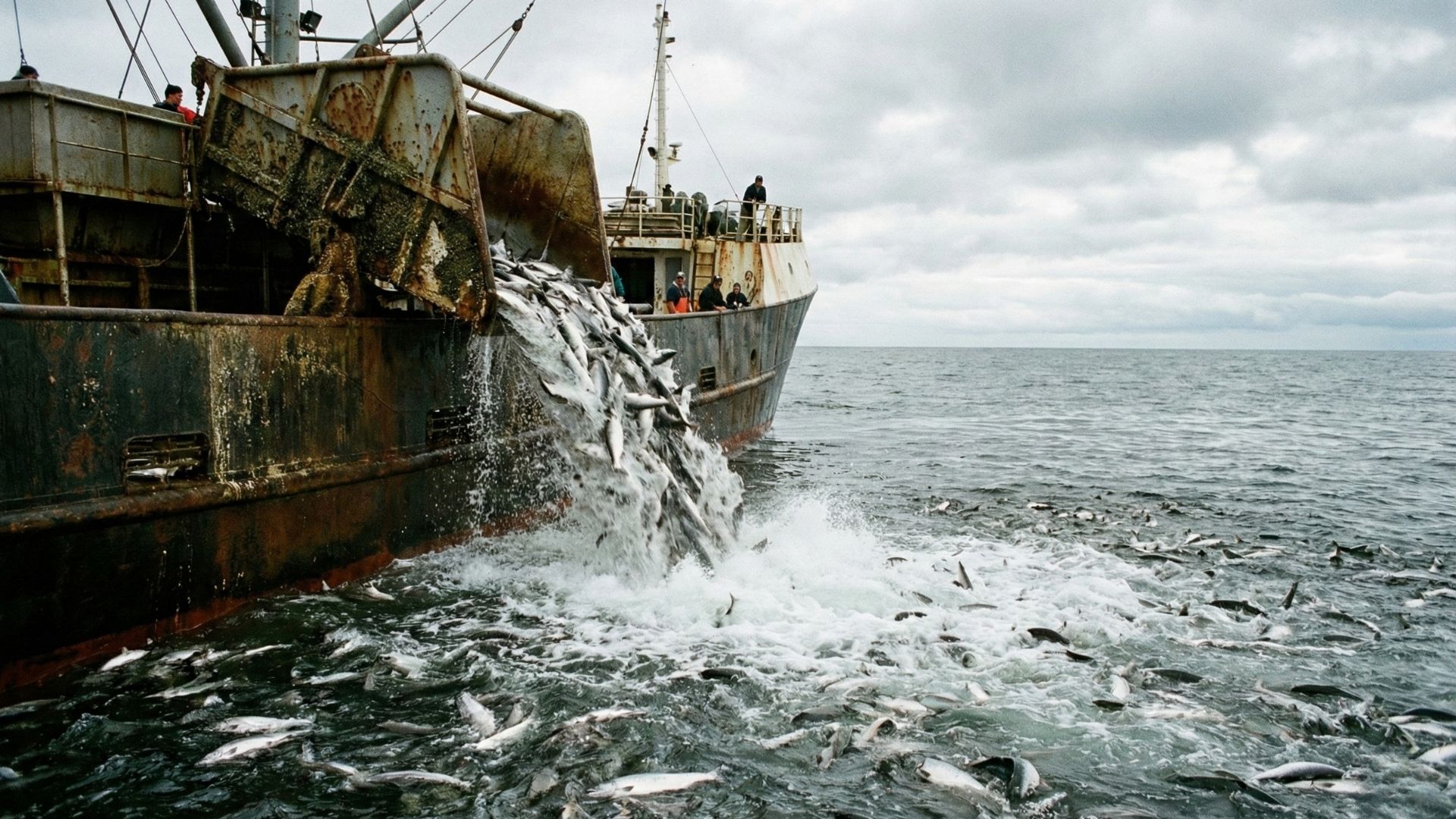
Emergency Disposal of Dead Salmon in 2016 in Southern Chile Preceded New Red Tide and Protests in Chiloé; Studies and Judicial Decisions Discussed the Weight of Nutrients and Climate in the Crisis That Paralyzed Fishing.
Ships dumped approximately 4,700 tons of dead salmon and trout offshore in March 2016, about 75 nautical miles from the coast of Chiloé Island, in southern Chile, as an emergency response to a mass die-off in the farms.
In the following weeks, the region faced a broader environmental and economic crisis: a toxic algal bloom associated with Alexandrium catenella advanced along the coast, contaminated shellfish, led to the closure of artisanal fishing areas, and triggered prolonged protests on the island.
The relationship between the disposal in the ocean and the so-called “red tide” began to be discussed by authorities, scientists, and local communities, with later studies indicating a possible contribution from the nutrient pulse, without establishing a direct and exclusive causal relationship.
-
Home environment can influence the brain, mood, and well-being: studies indicate an increase of up to 15% in productivity, a reduction of 12% in stress with plants, and a direct impact of the circadian rhythm on the 24 hours of the day.

-
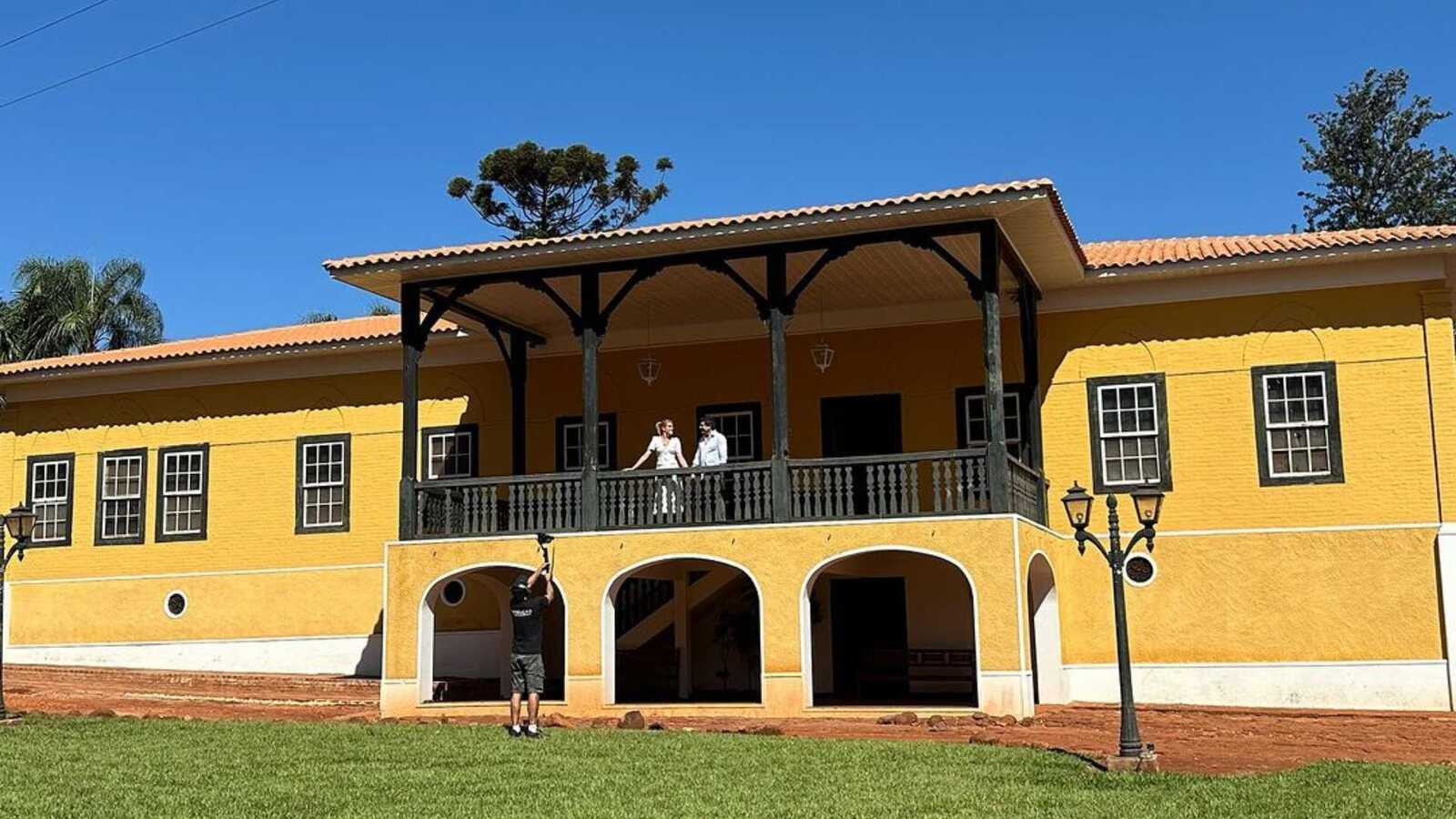
A Brazilian millionaire couple restores a farm over 150 years old in the interior of São Paulo and transforms the historic property with Portuguese tiles, antique furniture, and new spaces into a refuge that blends tradition, comfort, and sophistication.
-
Submerged city in a lake in Minas reveals intact streets, preserved vehicles, and houses after more than 60 years, impressing divers.

-
Yellowstone has started to rise again in an area of the caldera, and the movement rekindles fears surrounding the U.S. supervolcano, as scientists monitor the deformation and try to understand what is happening underground.
The episode occurred amid an already sensitive environmental scenario.
The salmon farming industry had been facing alerts for years regarding the carrying capacity limits of the southern Chilean fjords, while harmful algal blooms became more frequent in the region.
The crisis of 2016 ultimately brought these factors together in a sequence of events with a major social and productive impact.
The Sequence of Events That Led to Dumping in the Ocean

The first signs of collapse emerged in the austral summer of 2016.
A bloom of microalgae described in scientific studies as associated with Pseudochattonella cf. verruculosa hit key salmon farming areas in the south of the country.
The proliferation compromised the oxygenation of the water and directly affected the fish’s gills, causing a rapid die-off within the cages.
Technical surveys and reports published at the time indicated that tens of millions of fish died within a few days.
The most cited estimates point to about 39 to 40 thousand tons of biomass lost just in the first wave, equivalent to approximately 12% of Chile’s annual production at that time.
As the episode progressed over the following weeks, total industry losses approached 100 thousand tons.
As mortality advanced, the problem evolved from being merely productive to involving health and environmental risks.
The carcasses accumulated in the cages accelerated decomposition processes, raising concerns about water quality in coastal areas and the possibility of new impacts on nearby ecosystems.
Given the scale of the volume, the available alternatives proved limited.
Some fish could be processed into meal or oil, while others might be buried on land, but existing infrastructure could not handle the amount generated in such a short time.
Amid this scenario, public authorities authorized an emergency solution: transporting part of the material to a designated area in open water, where the fish would be discarded in deep waters.
Official records and subsequent investigations indicate that, although the authorization allowed for a higher ceiling, the volume actually dumped ranged between 4.6 and 4.7 thousand tons.
The operation took place throughout March 2016, with successive ship trips from the farming areas.
Why Southern Chile Became a Global Salmon Hub

The backdrop of the crisis is linked to the accelerated expansion of salmon farming in recent decades.
Since the 1980s, southern Chile has been receiving foreign investment and technology, transforming cold fjords and channels into centers for intensive Atlantic salmon production, a species not naturally occurring in that region.
This growth solidified the country among the largest global producers but also concentrated large volumes of biomass in relatively restricted areas.
Studies on the sector indicate that the activity generates continuous waste, such as feed remnants and feces, which settle on the bottom and alter the chemical and biological dynamics of the sediments.
Research prior to 2016 had already indicated signs of chronic eutrophication in some bays, with reduced oxygen levels near the bottom and increased vulnerability to algal blooms.
According to experts, these processes tend to intensify when combined with favorable oceanographic conditions, such as warmer and more stable waters.
In the year of the crisis, climatic variables heightened this risk.
Scientific works highlight that the warming and stratification of the water column created an environment conducive to the accelerated growth of microalgae, acting as an additional pressure factor on an already overloaded system.
What Is Known About the Disposal of 4,700 Tons Offshore
The disposal of organic matter on a large scale in the deep ocean is not considered environmentally neutral.
During decomposition, bacteria consume oxygen and release compounds such as ammonium and phosphate, which can alter the composition of the surrounding water.
In the case of Chiloé, the technical discussion focused less on the existence of these processes and more on their scale and reach.
The scientific literature that analyzed the episode describes the 2016 crisis as formed by interconnected events: an initial bloom associated with the die-off at the farms and, weeks later, a second bloom, this time of Alexandrium catenella, with broader health effects.
The temporal proximity between the disposal and the onset of the second red tide led researchers to investigate whether nutrients released during decomposition could have moved toward the continental shelf.

To do this, studies relied on oceanographic models and current simulations, seeking to reconstruct the behavior of the water masses during that period.
The results indicated that, under conditions considered realistic, part of the material could reach coastal areas within the timeframe when the bloom intensified.
The authors themselves stressed, however, that the simulations do not demonstrate a direct and exclusive causal relationship but indicate temporal and spatial compatibility between the phenomena.
Chilean official reports treated the episode as the result of multiple factors, including climatic variability, a history of nutrient enrichment, and the regional recurrence of harmful blooms.
The offshore disposal began to be analyzed as an additional element within this set rather than as a single trigger.
The Red Tide That Paralyzed Fishing and Turned Into a Social Crisis
When the bloom of Alexandrium catenella spread along the southern coast, the impacts went beyond the aquaculture sector.
This species produces toxins associated with paralytic shellfish poisoning, leading health authorities to prohibit extensive areas of harvesting and marketing.
Academic studies and reports from the time describe the episode as one of the largest socio-environmental crises ever recorded in Chiloé.
Communities dependent on shellfish collection were left without access to their main source of income for months, while reports of dead wildlife on the beaches heightened the perceived severity of the situation.
With artisanal fishing suspended, social tension escalated.
Residents organized protests and blocked roads and ports, disrupting the island’s connection to the mainland for over two weeks.
The demonstrations demanded answers from the government and questioned the development model of salmon farming in the region.
The Case Went to Court and Changed the Public Debate
The controversy advanced to the judiciary.
In May 2018, the Supreme Court of Chile reviewed appeals related to the episode and concluded that the authorization for dumping in open water did not adequately observe the principle of environmental precaution.
The decision mandated that state agencies reinforce procedures and oversight in cases of mass die-offs.
Following the ruling, administrative investigations and legal actions discussed the actions of authorities involved in the authorization process.
Even with different outcomes over the years, the case began to be cited as a reference in debates about environmental management and emergency response in aquaculture.
Years later, the crisis of 2016 remains present in local memory and technical debate.
Researchers continue to point out the recurrence of harmful algal blooms in southern Chile and the need for ongoing monitoring in a context of warming waters.
Given this history, how should future emergencies involving large volumes of dead biomass be managed to reduce environmental and social risks?






-

-

-

-

-

-

27 pessoas reagiram a isso.