Portuguese
 Spanish



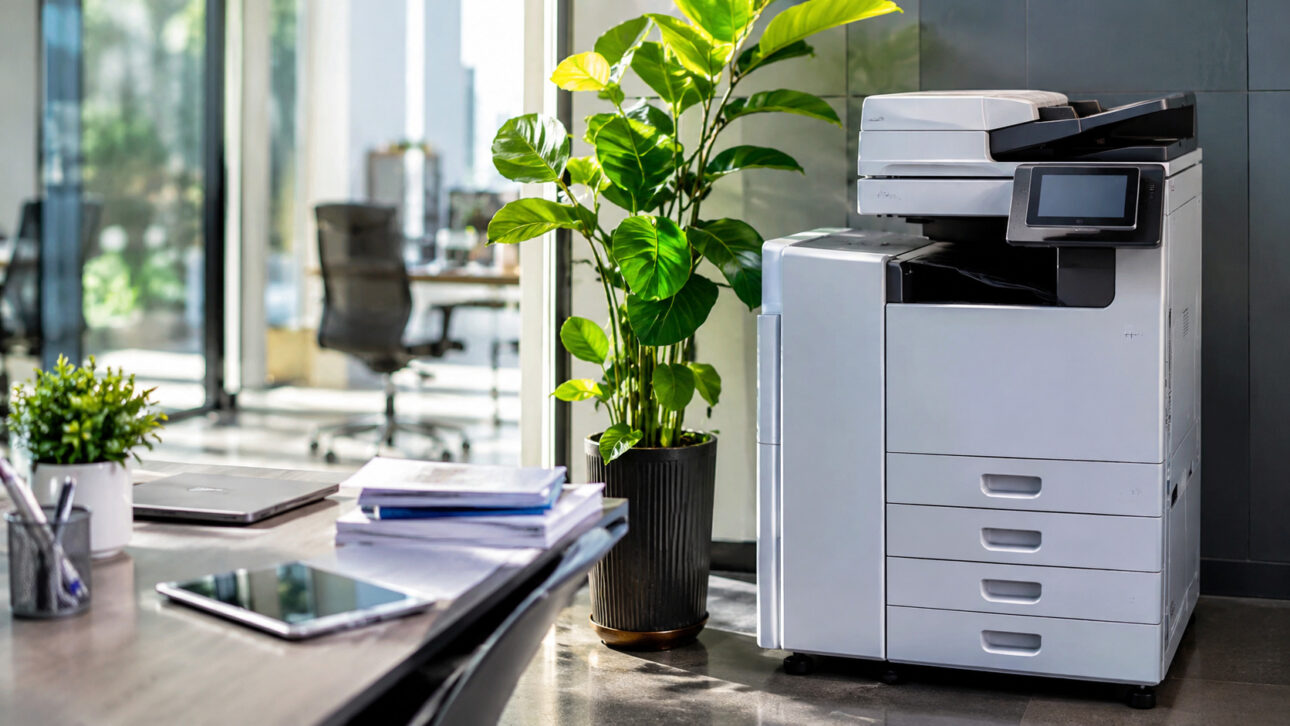

Cold printing offers an alternative to laser equipment amid the global use of billions of kilograms of plastic in document production.
Epson is betting on a shift in business printing technology to reduce the environmental impact of conventional laser equipment. Its WorkForce business printers use PrecisionCore Heat-Free technology, which eliminates toner and the need for heat to eject ink.
The manufacturer says the solution can deliver electricity savings of up to 86% compared with competing laser printers, based on a comparison between the WorkForce Enterprise AM-C5000 and those devices. The approach also aims to reduce plastic waste and maintenance needs, both of which directly affect day-to-day business operations.
Laser printing industry has used billions of kilograms of plastic toner since 1991
Printing remains part of everyday business operations, although some of its environmental impact goes unnoticed. One major concern is toner, a powder made primarily of plastic, pigments and resins that is used in laser printers.
-
After COP31, ARAYARA Institute launches first-ever expedition across five municipalities in Rio Grande do Sul’s coal region and premieres Chilean documentary on the impacts of coal and fossil fuels

-
Over 80,000 Refrigerators Trapped After Bankruptcy as 26 Local Governments Suspend Collections in England and Wales
-
Las Vegas recycles nearly all its indoor water. The water on its lawns is much harder to recover

-
A nor’easter does not need snow to flood the coast. Wind and tide explain why


Epson estimates that the global laser printing industry has used more than 4.5 billion kilograms of plastic toner since 1991. The manufacturer’s calculations draw on internal information and data from third parties.
Another comparison from the company puts the scale of that consumption into perspective. The amount of toner used worldwide in a single year is equivalent to the plastic in approximately 5 billion bottles.
How Epson’s PrecisionCore Heat-Free printer technology works
The main difference between Epson’s business printers and conventional laser equipment lies in the printing mechanism itself. Laser technology uses heat to fuse toner to paper, while the PrecisionCore Heat-Free system does not require heat to eject ink.
This feature can reduce the amount of electricity the printers need to operate. The approach is especially relevant in business settings where documents are printed frequently.
Epson points to the WorkForce Enterprise AM-C5000 as an example of this technology’s energy-saving potential. The manufacturer says the device can use up to 86% less energy than certain competing laser printers.
That percentage reflects the specific conditions of the comparison. Actual savings may therefore vary depending on the equipment and how it is used.
Printers with fewer internal components aim to reduce business interruptions
Cold printing technology also differs in the internal design of the equipment. Epson developed a system with fewer components, a feature the company says may reduce the frequency of service calls.
Fewer service interventions are another important consideration for businesses that rely on printing every day. Interruptions caused by maintenance or the replacement of supplies can disrupt corporate operations.
The manufacturer’s aim is to offer equipment that combines operational efficiency, lower energy consumption and reduced environmental impacts.
Sustainability plays a growing role in corporate printing decisions
Choosing a business printer involves factors beyond the quality of the documents it produces. Electricity use, waste generation and maintenance requirements are also part of the decision.
With its WorkForce line, Epson aims to serve organizations interested in reducing resource consumption without disrupting their operations. Eliminating toner represents a shift in the technology used to meet corporate printing needs.