





 Portuguese
  English
  Spanish
  3 min of reading
  0 comments


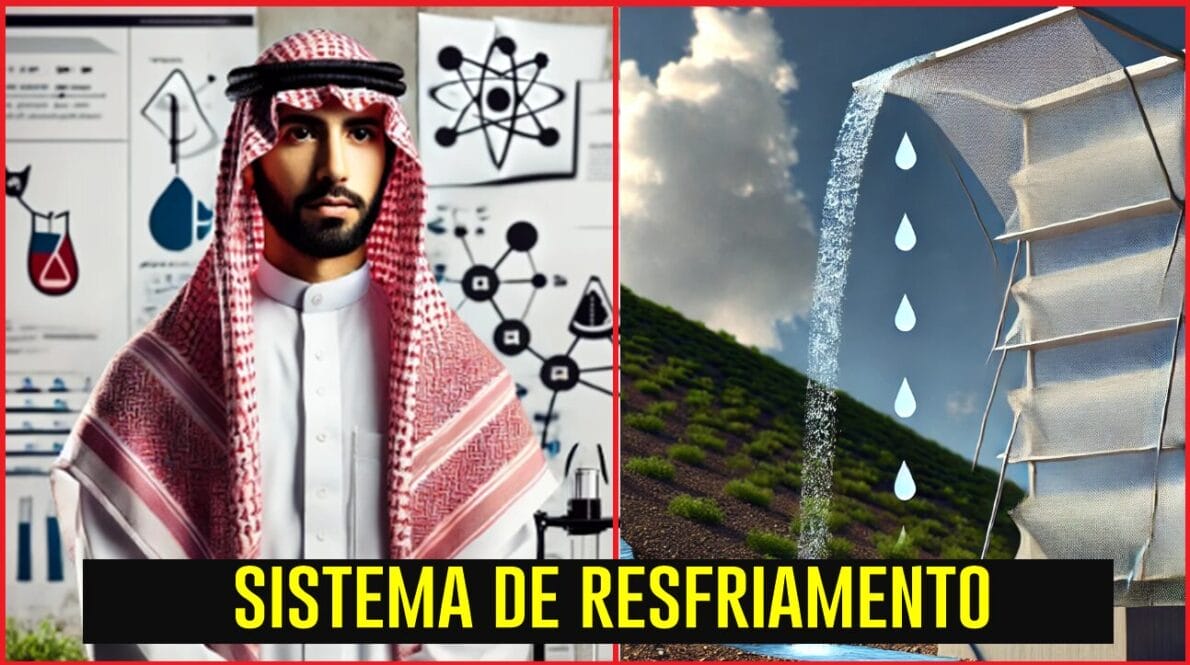
Saudi Researchers Create A System Capable Of Extracting Water From Air Using Only Gravity, Without The Need For Electricity Or Any Expensive Energy Source
A team of researchers, led by King Abdullah University of Science and Technology (KAUST), from Saudi Arabia, has developed an innovative passive cooling technology that could change the way we harness atmospheric water in arid regions.
This system is capable of extracting water from the air using only gravity, without the need for electricity or any expensive energy source.
The simplicity and efficiency of this method are reinforced by the use of cheap and widely available materials, making it a viable solution for areas with limited infrastructure.
-
In Mexico, a 3,000-year-old Maya site with the dimensions of an entire city may have been built as a colossal map of the cosmos, created to represent the order of the universe and reveal how this people organized space, time, and rituals.

-
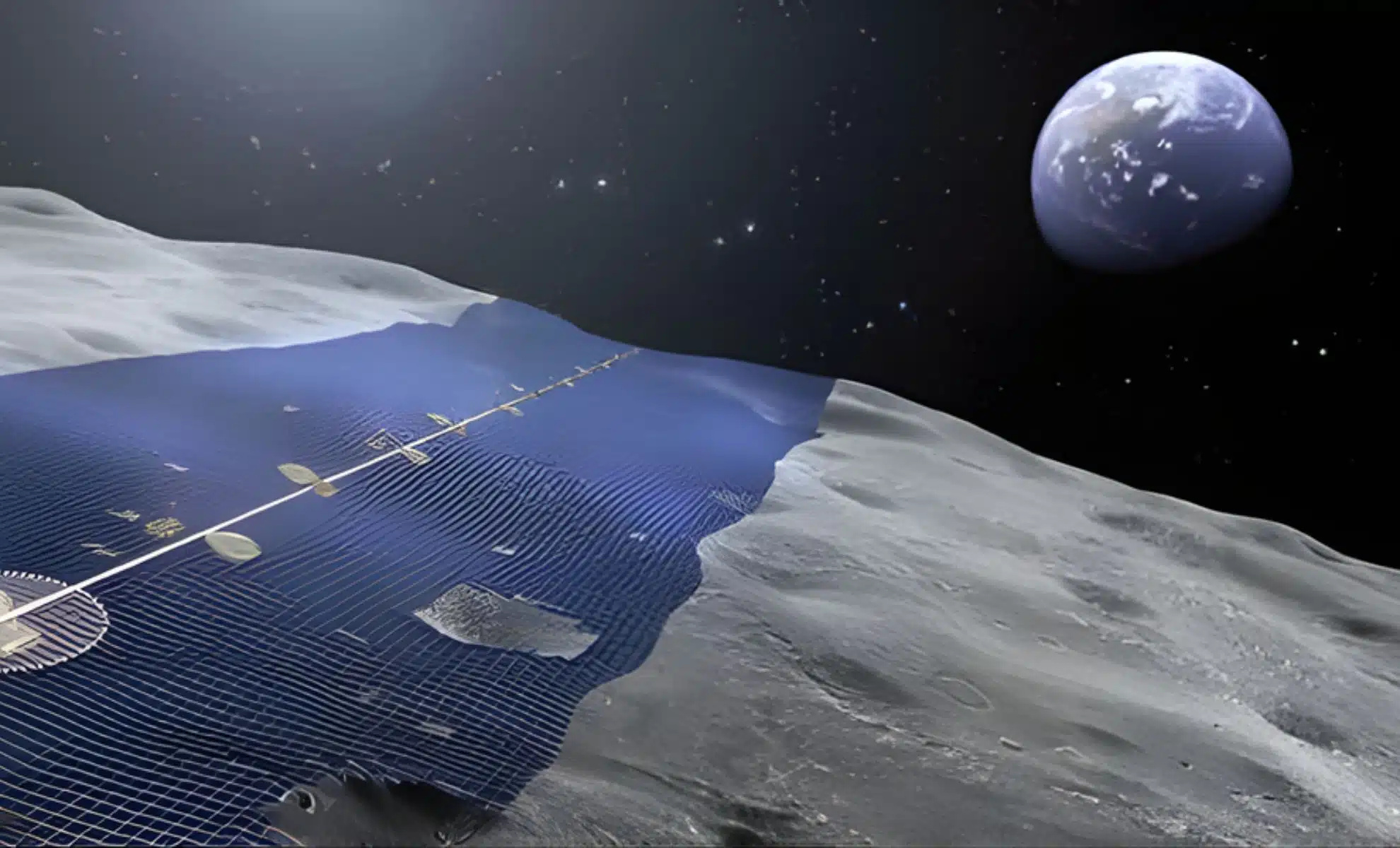
Japan wants to build a solar ring of 10,900 kilometers on the Moon to continuously send energy to Earth.
-
Weighing almost 1 ton, with temperatures of up to 3,000°C, the ability to launch 10,000 fragments within a radius of 1 km, capable of penetrating concrete and melting steel, Turkey’s terrifying bomb emerges as one of the most destructive non-nuclear weapons ever presented.

-
After a submarine disappeared beneath the “Doomsday Glacier,” scientists announce a new monstrous machine capable of operating at 3,000 meters depth to return to the heart of the ice and investigate a threat that could raise sea levels worldwide.


Passive cooling not only has the potential to reduce the temperature of electronic devices but also enables the reuse of collected water for activities such as irrigation, washing, and cooling buildings.
According to Gan, the atmosphere contains six times more water than the sum of all freshwater rivers, and this water can be harnessed by technologies like this one.
However, in arid regions like Saudi Arabia, most atmospheric water collection technologies still rely on electricity, making their adoption difficult in rural areas due to the high cost of infrastructure.
Advancement In Research
The team led by Gan made significant progress in solving this problem, collaborating with Professor Dan Daniel and Shakeel Ahmad, a postdoctoral researcher from the group.
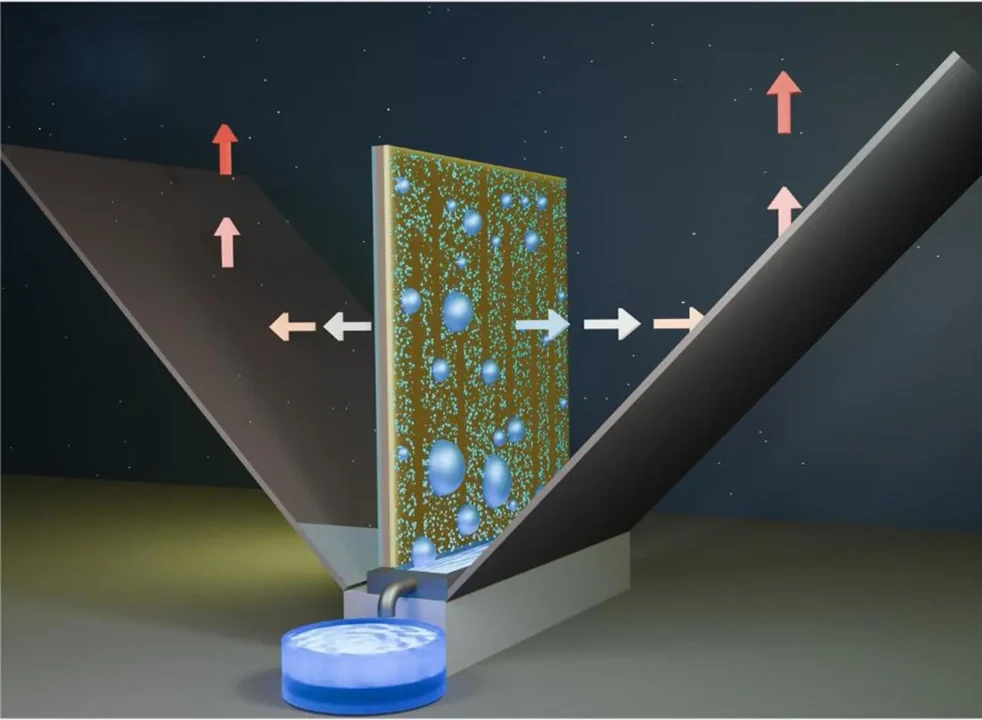
They discovered that by adding a lubricating coating made of a commercial polymer and silicone oil, they significantly increased the efficiency of water collection by gravity.
This coating prevents water droplets from sticking to the surface of the device, eliminating the need for active condensate collection. “Our coating effectively eliminated droplet adhesion, allowing for true passive water collection,” explained Ahmad.
The system operates using only passive radiative cooling, with no electricity consumption, based on previously developed two-sided vertical architecture technology by Gan.
Originally designed to reflect thermal heat back to the sky and cool solar cells and electronics, this technology now also collects the water generated during the process.
After undergoing rigorous testing over a year in Thuwal, Saudi Arabia, the device was able to nearly double the water collection rate compared to other technologies.
Professor Daniel highlighted the savings offered by this innovation: “The system does not rely on electricity or mechanical parts, such as compressors or fans, which reduces maintenance costs compared to traditional systems.”
This project is part of ongoing research at the KAUST Center of Excellence for Renewable Energy and Sustainable Technologies, with contributions from Associate Professor Gyorgy Szekely, and was published in the renowned journal Advance Materials.








-

Uma pessoa reagiu a isso.